The Connection Between Mental Health, Personal Care, and Weight Loss

 By Lewis Adam |
 3 min read
|12 Apr 2025The connection between mental health, personal care, and weight loss is complex and multifaceted. Understanding how these elements interact can help you create a more holistic approach to achieving and maintaining a healthy weight. Here’s a look at how mental health and personal care impact weight loss and ways to address these connections.

1. Mental Health and Weight Loss
Mental health plays a crucial role in weight management. Emotional well-being affects eating habits, motivation for exercise, and overall lifestyle choices. Stress, anxiety, and depression can lead to emotional eating, cravings for unhealthy foods, and a lack of motivation to exercise. Addressing mental health concerns is essential for creating a balanced approach to weight loss.
2. The Impact of Stress
Stress can have a significant impact on weight loss. When stressed, the body produces cortisol, a hormone that can lead to increased appetite and cravings for high-calorie, comfort foods. Chronic stress can also disrupt sleep patterns, further affecting weight management. Finding effective stress management techniques, such as mindfulness, meditation, or physical activity, can help mitigate these effects.

3. The Role of Personal Care
Personal care routines, including self-care practices and overall well-being, play a vital role in weight loss. Engaging in regular self-care activities, such as adequate sleep, relaxation techniques, and maintaining good hygiene, supports both physical and mental health. Prioritizing personal care helps improve mood, reduce stress, and create a positive mindset, all of which contribute to successful weight management.
4. Building Healthy Habits

Creating and maintaining healthy habits is key to balancing mental health, personal care, and weight loss. Establishing routines that include balanced meals, regular exercise, and self-care practices helps support overall well-being. Start with small, manageable changes and gradually build on them to create lasting habits that support your weight loss goals.
5. Seeking Professional Support

If you’re struggling with mental health issues that affect your weight loss efforts, consider seeking professional support. A mental health professional, such as a therapist or counselor, can help address underlying issues and provide strategies for managing stress and emotional eating. Additionally, a registered dietitian can offer personalized advice on nutrition and meal planning to support your weight loss journey.
6. Incorporating Mindfulness
Mindfulness practices can enhance your weight loss efforts by promoting a healthy relationship with food and reducing stress. Mindful eating involves paying attention to hunger cues, savoring each bite, and being present during meals. Incorporating mindfulness techniques into your daily routine can help you make more conscious food choices and prevent overeating.

7. Self-Care Practices for Weight Loss
Incorporate self-care practices into your daily routine to support weight loss and overall well-being. This includes setting aside time for relaxation, engaging in activities that bring you joy, and practicing good sleep hygiene. Adequate rest and relaxation contribute to better mental health, which in turn supports healthier eating habits and weight management.

8. Monitoring Progress
Regularly monitoring your progress in both mental health and weight loss can help you stay on track. Keep track of your emotional well-being, personal care routines, and weight loss goals. Reflect on how changes in one area may impact the others, and make adjustments as needed to maintain a balanced approach.
9. Building a Support Network
Surround yourself with a supportive network of friends, family, or support groups who can offer encouragement and motivation. A strong support system helps improve mental health, provides accountability, and shares valuable insights and advice. Engaging with others who understand your journey can make a significant difference in achieving your weight loss goals.
10. Celebrating Achievements

Celebrate your achievements, both big and small, in your weight loss journey and personal care practices. Recognize the progress you make in improving mental health, adopting healthy habits, and reaching weight loss milestones. Celebrating your successes helps build confidence, reinforces positive behaviors, and motivates you to continue working towards your goals.
Understanding and addressing the connection between mental health, personal care, and weight loss is essential for achieving lasting success. By focusing on mental well-being, incorporating self-care practices, and building healthy habits, you can create a balanced approach to weight management. Embrace a holistic approach that supports both physical and mental health to reach and maintain your weight loss goals.
Trending Around the Web
About the Author
Lewis Adam
Lewis Adam is a passionate health and wellness advocate, with a deep understanding of the challenges modern parents face. With a focus on holistic well-being, Lewis Adam aims to empower mothers and families with practical tips, science-backed advice, and inspiring stories to promote a healthy lifestyle. Whether it's nutrition, fitness, mental health, or parenting, Lewis Adam is committed to making health and wellness approachable and accessible for every SuperMoomy reader.
MORE ARTICLES

4 min read | 18 Mar 2025
The Impact of Salt on Blood Pressure
Salt, primarily composed of sodium chloride, is a common ingredient in many foods. While it enhances flavor and acts as a preservative, excessive salt intake can have a significant impact on blood pressure, contributing to a range of health issues. Understanding the relationship between salt and blood pressure is crucial for maintaining cardiovascular health. This article explores how salt affects blood pressure and provides tips for managing your sodium intake.

3 min read | 17 Mar 2025
Tips for Eating Out While Watching Your Sodium Intake
Eating out can be a challenge when you’re trying to manage your sodium intake, but with some careful planning and smart choices, you can still enjoy dining out while keeping your sodium levels in check. This article offers practical tips for making healthier choices at restaurants and fast food establishments to help you stay on track with your dietary goals.

2 min read | 16 Mar 2025
Low-Sodium Alternatives and Substitutes
Reducing sodium intake is important for maintaining good health, especially for individuals with high blood pressure or heart disease. Fortunately, there are numerous low-sodium alternatives and substitutes available that can help you enjoy flavorful meals without compromising your health. This article explores various low-sodium options for common high-sodium foods and provides tips on how to incorporate them into your diet.

5 min read | 15 Mar 2025
Understanding the Sodium Content in Processed Foods
Processed foods are convenient and often tasty, but they can also be high in sodium, which poses health risks. Sodium, primarily in the form of salt, is used in processed foods for flavor enhancement, preservation, and texture improvement. Understanding the sodium content in these foods is crucial for making healthier dietary choices and maintaining overall health. This article delves into the sodium content in processed foods, the reasons behind it, and strategies for managing your sodium intake.
3 min read | 14 Mar 2025
How to Reduce Salt in Your Cooking
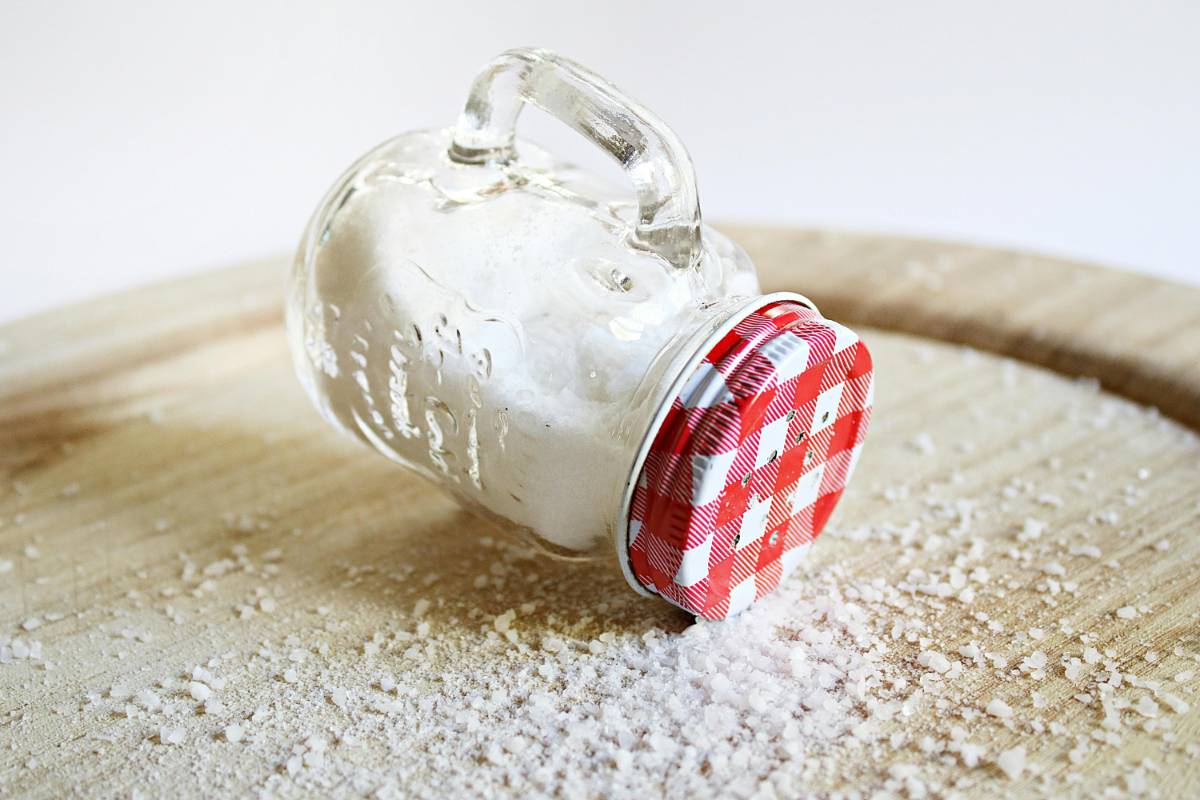
Reducing salt in your cooking can lead to significant health benefits, including lower blood pressure and a decreased risk of heart disease. However, cutting back on salt doesn't mean sacrificing flavor. By using a variety of techniques and ingredients, you can create delicious and satisfying meals with less salt. This article provides practical tips and alternatives for reducing salt in your cooking while enhancing the flavor of your dishes.
4 min read | 13 Mar 2025
The Health Risks of Excess Sodium Intake
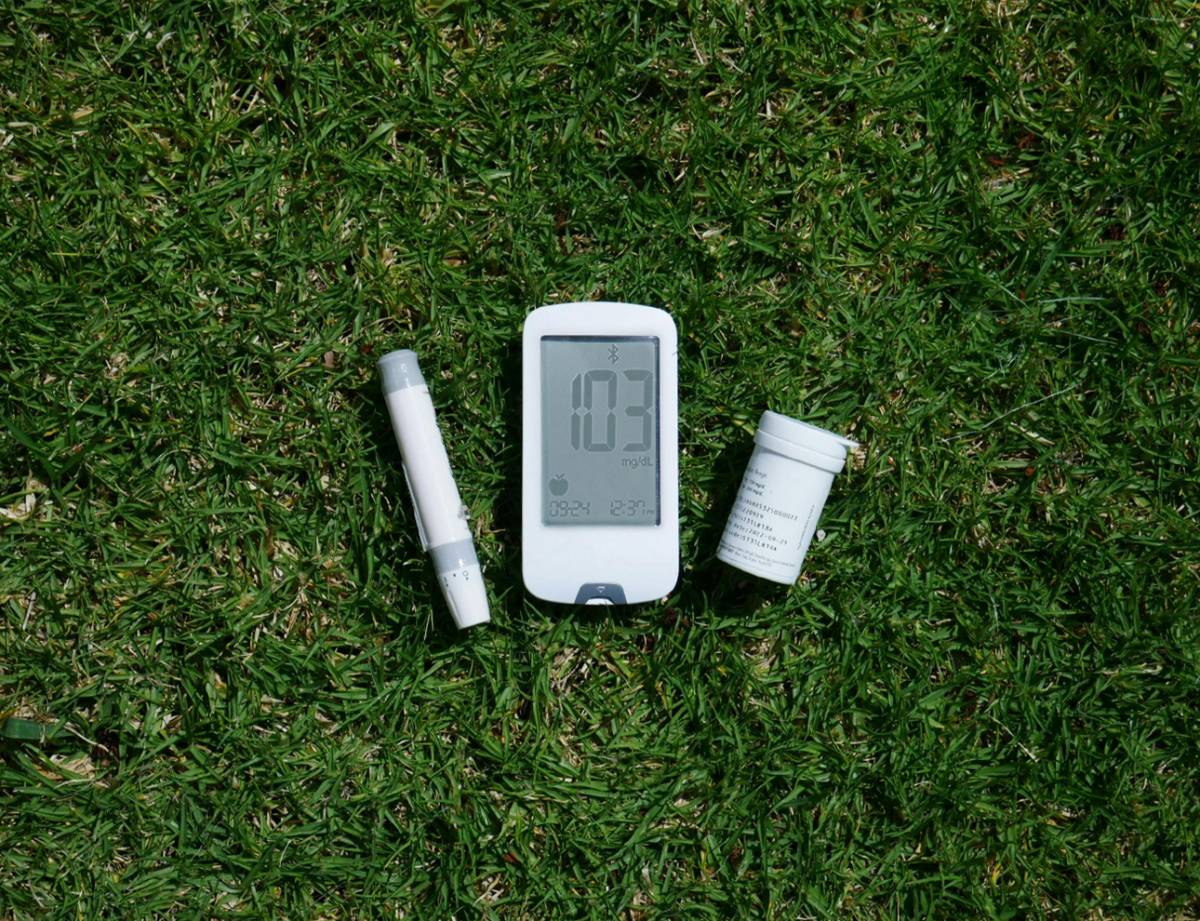
Sodium is an essential mineral that helps regulate fluid balance, nerve function, and muscle contraction. However, excessive sodium intake can lead to significant health risks. Understanding these risks is crucial for making informed dietary choices and maintaining overall health. This article explores the health risks associated with high sodium consumption and offers tips for managing your sodium intake.
RECENT POSTS
1
Building Healthy Habits for Long-Term Weight Management
3 min read | 07 Feb 20252
How Stress Impacts Your Weight and What You Can Do About It
3 min read | 06 Feb 20253
The Link Between Sleep and Weight Loss
3 min read | 05 Feb 20254
Outdoor vs. Indoor Workouts: Which is Better?
3 min read | 04 Feb 20255
How to Incorporate Walking into Your Daily Routine
3 min read | 03 Feb 20256
The Role of Rest and Recovery in Fitness
5 min read | 02 Feb 2025MORE POSTS

How to Incorporate More Fruits and Vegetables into Your Diet
5 min read | 25 Jan 2025
The Pros and Cons of Intermittent Fasting
2 min read | 24 Jan 2025
Balancing Your Plate: Portion Control Tips
3 min read | 23 Jan 2025
The Impact of Sugar on Weight Gain and How to Cut Back
4 min read | 22 Jan 2025
Healthy Snack Ideas to Curb Cravings
5 min read | 21 Jan 2025