How to Reduce Salt in Your Cooking
 By Wilson Baker |
 3 min read
|14 Mar 2025Reducing salt in your cooking can lead to significant health benefits, including lower blood pressure and a decreased risk of heart disease. However, cutting back on salt doesn't mean sacrificing flavor. By using a variety of techniques and ingredients, you can create delicious and satisfying meals with less salt. This article provides practical tips and alternatives for reducing salt in your cooking while enhancing the flavor of your dishes.

Understanding the Role of Salt
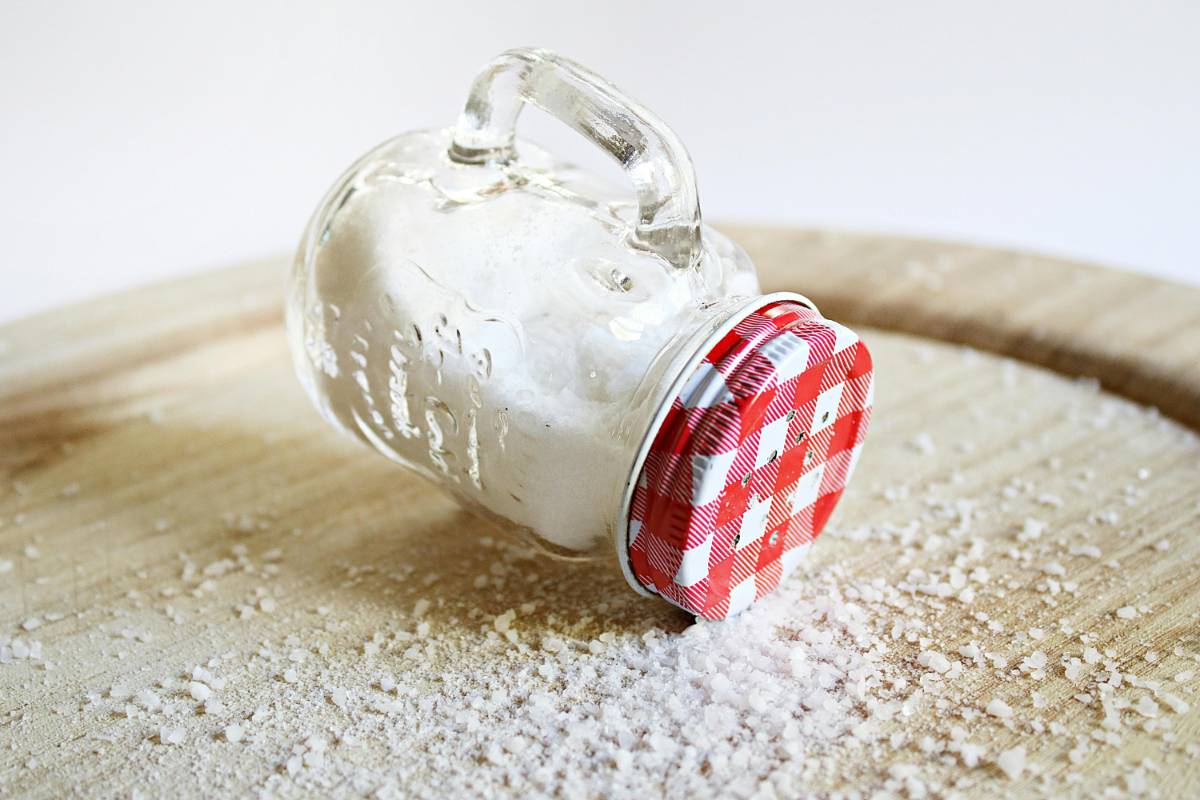
Salt, or sodium chloride, is commonly used in cooking to enhance the flavor of food. It also plays a role in preserving food and improving texture. However, excessive salt consumption is linked to various health issues, including high blood pressure, heart disease, and kidney problems. Reducing salt in your cooking can help mitigate these risks and contribute to overall better health.
Use Herbs and Spices
Herbs and spices are excellent alternatives to salt for adding flavor to your dishes. Fresh herbs like basil, cilantro, and parsley, as well as dried spices such as cumin, paprika, and garlic powder, can enhance the taste of your food without the need for extra salt. Experiment with different combinations to find flavors that you enjoy.

Incorporate Acidic Ingredients
Acidic ingredients such as lemon juice, vinegar, and lime juice can add a tangy flavor to your dishes, which can reduce the need for salt. Adding a splash of vinegar or a squeeze of lemon can brighten up flavors and add depth without increasing sodium content.
Try Low-Sodium Alternatives

Many products, such as soy sauce and broth, come in low-sodium or sodium-free versions. These alternatives can be used in place of their high-sodium counterparts to reduce salt intake while still providing the desired flavor. Look for low-sodium options in your grocery store and choose them whenever possible.
Use Salt-Free Seasoning Blends

Salt-free seasoning blends are available at most grocery stores and can be a great way to add flavor without the extra sodium. These blends often include a mix of herbs, spices, and other flavor enhancers. Make sure to read the labels to ensure that the blend is truly salt-free and free from hidden sodium sources.
Reduce Salt in Recipes Gradually
When modifying recipes to reduce salt, do so gradually to allow your taste buds to adjust. Start by reducing the amount of salt called for in a recipe by a small percentage, such as 25%, and taste the results. Gradually decrease the amount over time until you find the right balance between flavor and sodium content.

Enhance Flavor with Aromatics
Aromatics like onions, garlic, and shallots can add a rich, savory flavor to your dishes without the need for extra salt. Sautéing these ingredients can help release their natural flavors and make your food more satisfying. Adding a variety of aromatics can create depth and complexity in your meals.

Be Mindful of Pre-Packaged Foods
Pre-packaged and processed foods often contain high amounts of sodium. When cooking with these products, be aware of their salt content and try to balance them with lower-sodium ingredients. Opt for fresh or homemade alternatives whenever possible to have better control over the amount of salt in your meals.
Experiment with Cooking Techniques
Different cooking techniques can enhance the natural flavors of your ingredients and reduce the need for added salt. Roasting, grilling, and braising can bring out the natural sweetness and richness of vegetables and meats. Experiment with these techniques to add flavor without relying on salt.
Taste Before Adding More Salt

Develop a habit of tasting your food before adding additional salt. Sometimes, dishes may already have enough flavor from other ingredients. By tasting first, you can avoid over-salting and ensure that your food is well-balanced in terms of flavor and sodium content.
Incorporating these strategies into your cooking routine can help you reduce salt intake while still enjoying flavorful and satisfying meals. By using herbs, spices, acidic ingredients, and low-sodium alternatives, you can create dishes that are both healthy and delicious. Remember that making gradual changes and experimenting with new ingredients and techniques can lead to a more balanced and enjoyable cooking experience.
Trending Around the Web
About the Author
Wilson Baker
Wilson Baker is a passionate health and wellness advocate, with a deep understanding of the challenges modern parents face. With a focus on holistic well-being, Wilson Baker aims to empower mothers and families with practical tips, science-backed advice, and inspiring stories to promote a healthy lifestyle. Whether it's nutrition, fitness, mental health, or parenting, Wilson Baker is committed to making health and wellness approachable and accessible for every SuperMoomy reader.
MORE ARTICLES

3 min read | 09 Apr 2025
How to Adjust Your Workout Routine for Different Fitness Levels
Adjusting your workout routine to match your fitness level is crucial for achieving optimal results and preventing injury. Whether you are a beginner, intermediate, or advanced exerciser, tailoring your routine to your specific needs can help you progress safely and effectively. Here’s how to adjust your workout routine for different fitness levels.

4 min read | 08 Apr 2025
Sample Weekly Workout Routines for Different Fitness Goals
Creating a workout routine tailored to your fitness goals is essential for achieving success. Whether your aim is to build muscle, lose weight, or improve overall fitness, having a structured plan can help you stay focused and motivated. Here are sample weekly workout routines for various fitness goals to guide you in designing your personalized plan.

2 min read | 07 Apr 2025
The Importance of Rest and Recovery in Your Workout Routine
Rest and recovery are essential components of any effective workout routine. They play a crucial role in helping your body repair, rebuild, and strengthen itself after exercise. Understanding the importance of rest and incorporating it into your routine can enhance your overall performance and prevent injury. Here’s why rest and recovery are vital and how to integrate them into your workout plan.

5 min read | 15 Apr 2025
Creating a Workout Routine for Weight Loss and Toning
Designing a workout routine for weight loss and toning involves a strategic approach that combines cardiovascular exercise, strength training, and flexibility work. The goal is to create a balanced program that not only helps you shed pounds but also sculpts and tones your body. Here’s how to build an effective workout routine to achieve these objectives.

5 min read | 14 Apr 2025
Strength Training vs. Cardio: Finding the Right Balance
When it comes to fitness, the debate between strength training and cardio is a common one. Both types of exercise offer unique benefits, and finding the right balance between them can help you achieve optimal health and fitness results. Here’s a comprehensive guide to understanding the differences and how to incorporate both into your routine.

3 min read | 13 Apr 2025
How to Incorporate Stretching into Your Workout Routine
Stretching is a crucial component of any workout routine that enhances flexibility, improves range of motion, and reduces the risk of injury. Incorporating stretching into your exercise regimen can help you achieve better performance and quicker recovery. Here’s how you can effectively include stretching in your workout routine.
RECENT POSTS
1
Benefits of Using Sunscreen Daily
5 min read | 16 Jan 20252
The Benefits of Strength Training for Weight Loss
3 min read | 16 Apr 20253
Tips for Maintaining Weight Loss After Reaching Your Goal
3 min read | 15 Apr 20254
How to Read Nutrition Labels to Support Your Weight Loss Goals
4 min read | 14 Apr 20255
The Role of Protein in Weight Loss and How to Include It in Your Diet
4 min read | 13 Apr 20256
Low-Carb Diets: Do They Really Work for Weight Loss?
5 min read | 12 Apr 2025MORE POSTS

How to Choose the Right Moisturizer for Your Skin
2 min read | 15 Apr 2025
Daily Habits for Healthier Hair
5 min read | 14 Apr 2025
Benefits of Regular Exfoliation for Healthy Skin
5 min read | 13 Apr 2025
How to Create a Relaxing Nighttime Skincare Routine
3 min read | 12 Apr 2025
Top Tips for Managing Stress Through Personal Care
3 min read | 11 Apr 2025