Effective Strategies for Weight Loss Through Diet and Exercise

 By Prince Matthews |
 4 min read
|15 Apr 2025Weight loss is a multifaceted journey that combines both dietary changes and exercise. To achieve lasting results, it’s important to integrate effective strategies from both areas into a cohesive plan. This guide outlines key strategies for successful weight loss through diet and exercise, focusing on creating a balanced approach that supports long-term success.

Dietary Strategies for Weight Loss
A well-structured diet is crucial for effective weight loss. It involves making informed food choices and adopting habits that promote calorie control and nutrient balance. Consider the following strategies:
1. Create a Caloric Deficit
To lose weight, you need to consume fewer calories than you burn. Calculate your daily caloric needs and create a deficit by reducing your caloric intake. Aim for a moderate deficit that promotes gradual weight loss, typically 500 to 750 calories per day, to ensure sustainable results.

2. Focus on Nutrient-Dense Foods
Choose foods that provide high nutritional value without excessive calories. Incorporate a variety of fruits, vegetables, lean proteins, whole grains, and healthy fats into your meals. Nutrient-dense foods help you feel full and satisfied while providing essential vitamins and minerals.
3. Control Portion Sizes

Be mindful of portion sizes to avoid overeating. Use smaller plates and bowls to help manage portions, and pay attention to hunger and fullness cues. Portion control helps regulate calorie intake and prevents excessive consumption of high-calorie foods.
4. Stay Hydrated

Drinking plenty of water supports metabolism and can help manage hunger. Sometimes, thirst is mistaken for hunger, leading to unnecessary snacking. Aim to drink at least 8 glasses of water per day, and consider drinking a glass of water before meals to help control appetite.
5. Plan and Prepare Meals
Meal planning and preparation can help you stay on track with your weight loss goals. Plan your meals and snacks in advance, and prepare healthy options ahead of time. This practice helps you avoid impulsive food choices and ensures you have nutritious options readily available.

Exercise Strategies for Weight Loss
Exercise is a key component of a successful weight loss plan. It helps burn calories, build muscle, and improve overall fitness. Implement the following strategies to enhance your weight loss efforts through exercise:

1. Incorporate Cardiovascular Exercise
Cardiovascular exercises, such as running, cycling, and swimming, are effective for burning calories and improving cardiovascular health. Aim for at least 150 minutes of moderate-intensity or 75 minutes of high-intensity cardio per week. Gradually increase the intensity and duration to challenge your body and boost calorie expenditure.
2. Include Strength Training
Strength training helps build lean muscle mass, which increases your resting metabolic rate and aids in weight loss. Incorporate resistance exercises, such as weight lifting, bodyweight exercises, or resistance bands, into your routine at least 2 to 3 times per week. Focus on compound movements that target multiple muscle groups for maximum benefits.
3. Engage in High-Intensity Interval Training (HIIT)

HIIT workouts involve alternating between short bursts of high-intensity exercise and periods of rest or low-intensity activity. HIIT is effective for burning calories and improving metabolic rate in a shorter amount of time. Incorporate HIIT sessions into your weekly routine to enhance fat loss and improve fitness levels.
4. Set Realistic Goals
Establish clear and achievable fitness goals to stay motivated and track progress. Set both short-term and long-term goals, such as completing a certain number of workouts per week or reaching a specific weight loss target. Regularly reassess and adjust your goals based on your progress and changing needs.
5. Stay Consistent and Accountable
Consistency is key to achieving weight loss success. Develop a regular exercise routine and stick to it, even on days when motivation is low. Track your workouts and dietary habits to monitor progress and make adjustments as needed. Consider working with a fitness coach or joining a support group for additional accountability and motivation.
Combining effective dietary and exercise strategies creates a comprehensive approach to weight loss. By making informed food choices, incorporating regular physical activity, and staying consistent with your efforts, you can achieve your weight loss goals and maintain a healthy, balanced lifestyle. Focus on gradual, sustainable changes for long-term success and overall well-being.
Trending Around the Web
About the Author
Prince Matthews
Prince Matthews is a passionate health and wellness advocate, with a deep understanding of the challenges modern parents face. With a focus on holistic well-being, Prince Matthews aims to empower mothers and families with practical tips, science-backed advice, and inspiring stories to promote a healthy lifestyle. Whether it's nutrition, fitness, mental health, or parenting, Prince Matthews is committed to making health and wellness approachable and accessible for every SuperMoomy reader.
MORE ARTICLES
2 min read | 18 Jan 2025
Essential Micronutrients and Their Sources
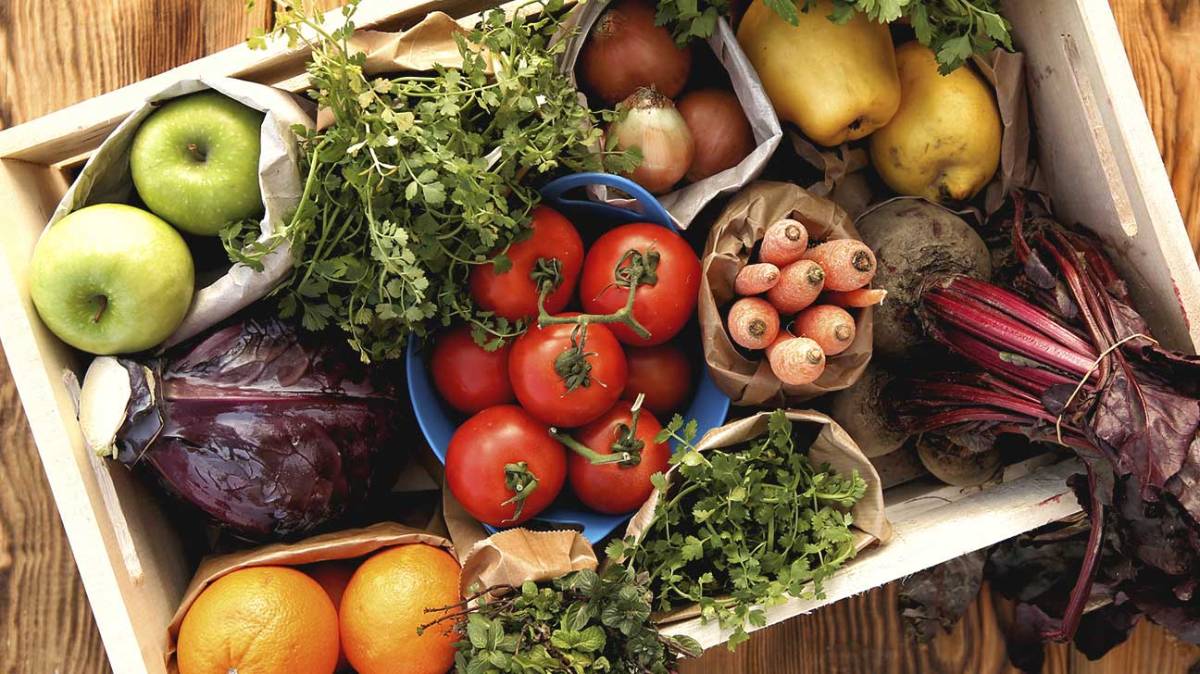
Micronutrients are vital nutrients that the body needs in smaller amounts compared to macronutrients like carbohydrates, proteins, and fats. Despite their smaller required quantities, micronutrients play crucial roles in maintaining health, supporting metabolic processes, and preventing chronic diseases. This article explores essential micronutrients, their functions, and the best dietary sources to ensure adequate intake.

3 min read | 17 Jan 2025
Understanding Macronutrients: Carbs, Proteins, and Fats
Macronutrients are essential nutrients that the body needs in large amounts to function properly. They include carbohydrates, proteins, and fats, each of which plays a unique role in maintaining health and supporting bodily functions. Understanding these macronutrients and their functions can help you make informed dietary choices and achieve a balanced diet. In this article, we’ll explore the importance of each macronutrient, their sources, and how they contribute to overall health.

3 min read | 16 Jan 2025
The Importance of a Balanced Diet
A balanced diet is essential for maintaining good health and well-being. It provides the body with the necessary nutrients to function optimally and supports overall physical and mental health. In this article, we’ll explore the significance of a balanced diet, its components, and how to incorporate it into your daily routine.

2 min read | 16 Apr 2025
How to Develop a Personal Care Routine for Sensitive Skin
Sensitive skin requires special care and attention to avoid irritation and maintain its health. Developing a personal care routine for sensitive skin involves selecting gentle products and adopting practices that soothe and protect your skin. Here’s how to create a skincare routine tailored to sensitive skin.

5 min read | 15 Apr 2025
Skincare Mistakes You Should Avoid
Maintaining a skincare routine can significantly improve your skin’s health and appearance. However, certain mistakes can hinder your progress and even cause damage. To ensure you’re getting the best results from your skincare regimen, it’s important to avoid these common skincare mistakes.

2 min read | 14 Apr 2025
The Power of Aromatherapy in Your Personal Care Routine
Aromatherapy is a holistic approach to personal care that utilizes the therapeutic properties of essential oils to enhance physical and emotional well-being. Incorporating aromatherapy into your personal care routine can provide a range of benefits, from relaxation to improved skin health. Here’s how you can harness the power of aromatherapy to elevate your self-care regimen.
RECENT POSTS
1
The Benefits of Strength Training for Weight Loss
3 min read | 16 Apr 20252
Tips for Maintaining Weight Loss After Reaching Your Goal
3 min read | 15 Apr 20253
How to Read Nutrition Labels to Support Your Weight Loss Goals
4 min read | 14 Apr 20254
The Role of Protein in Weight Loss and How to Include It in Your Diet
4 min read | 13 Apr 20255
Low-Carb Diets: Do They Really Work for Weight Loss?
5 min read | 12 Apr 20256
The Importance of Portion Control in Weight Loss
4 min read | 11 Apr 2025MORE POSTS
The Benefits and Risks of Herbal Weight Loss Products
3 min read | 14 Mar 2025
Natural Supplements to Support Metabolism
5 min read | 13 Mar 2025
Potential Side Effects of Common Weight Loss Supplements
3 min read | 12 Mar 2025
Are Meal Replacement Shakes Effective for Weight Loss?
4 min read | 11 Mar 2025
The Science Behind Fat-Burning Supplements
4 min read | 10 Mar 2025