The Role of Protein in Weight Loss and How to Include It in Your Diet
 By Lewis Adam |
 4 min read
|13 Apr 2025Protein plays a significant role in weight loss and overall health. As a crucial macronutrient, protein supports various bodily functions, including muscle repair, hormone production, and immune system support. Understanding how protein contributes to weight loss and finding ways to include it in your diet can enhance your weight management efforts. Here’s a guide on the role of protein in weight loss and tips for incorporating it into your meals.

How Protein Supports Weight Loss
Protein is essential for weight loss due to its effects on metabolism, appetite, and muscle mass. Consuming adequate protein can increase the thermic effect of food (TEF), which is the energy required to digest and process nutrients. This can lead to a higher metabolic rate and increased calorie expenditure. Additionally, protein can enhance satiety, helping to control appetite and reduce overall calorie intake. Maintaining muscle mass is also important for weight loss, as muscle tissue burns more calories at rest compared to fat tissue.
Benefits of Including Protein in Your Diet
Including protein in your diet offers several benefits for weight management. Protein-rich foods can help you feel fuller for longer periods, reducing the likelihood of snacking and overeating. It also supports muscle maintenance and growth, which is important for a healthy metabolism. High-protein diets have been associated with improvements in body composition, including a reduction in body fat percentage and preservation of lean muscle mass.

Sources of Protein
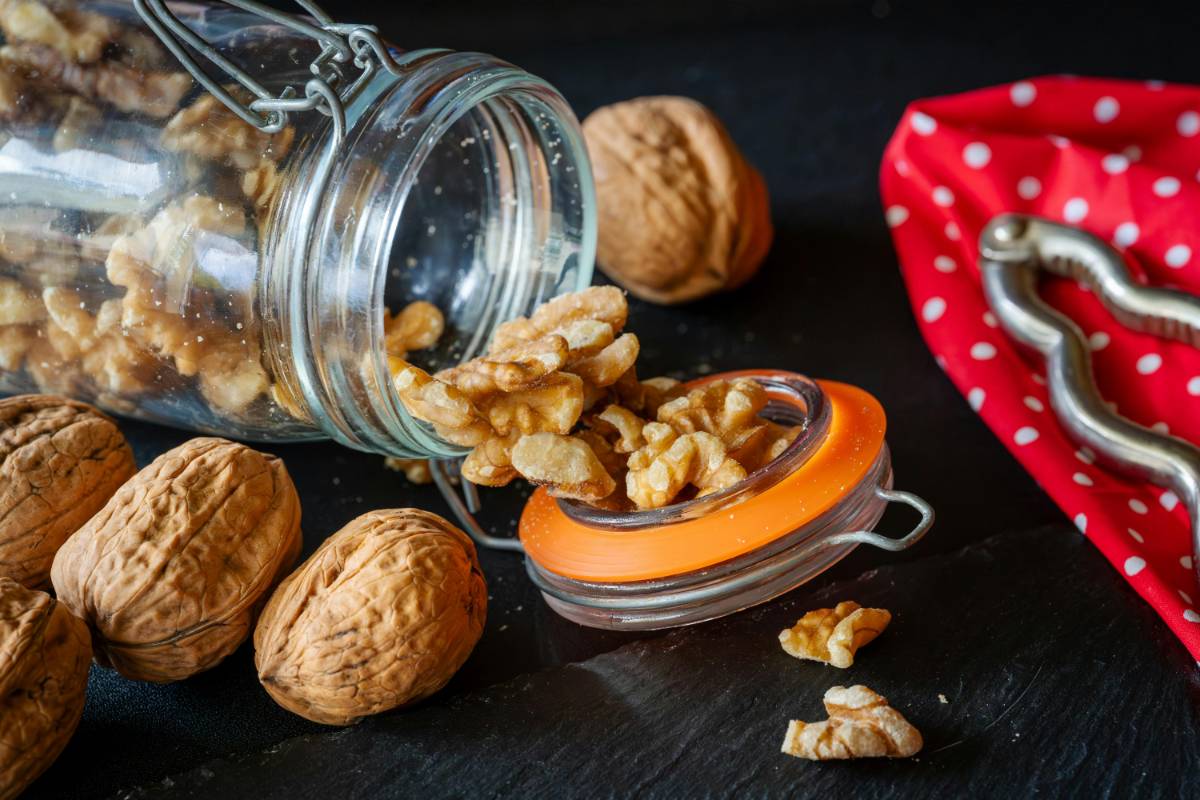
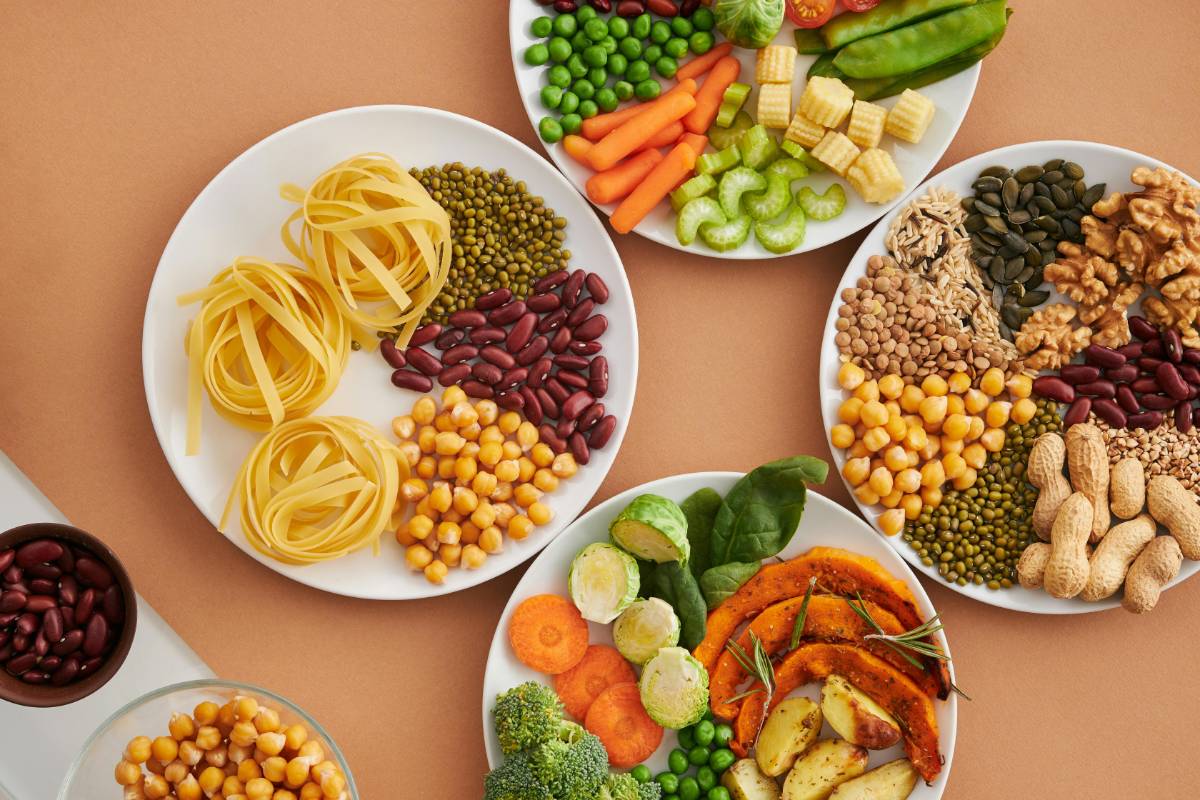
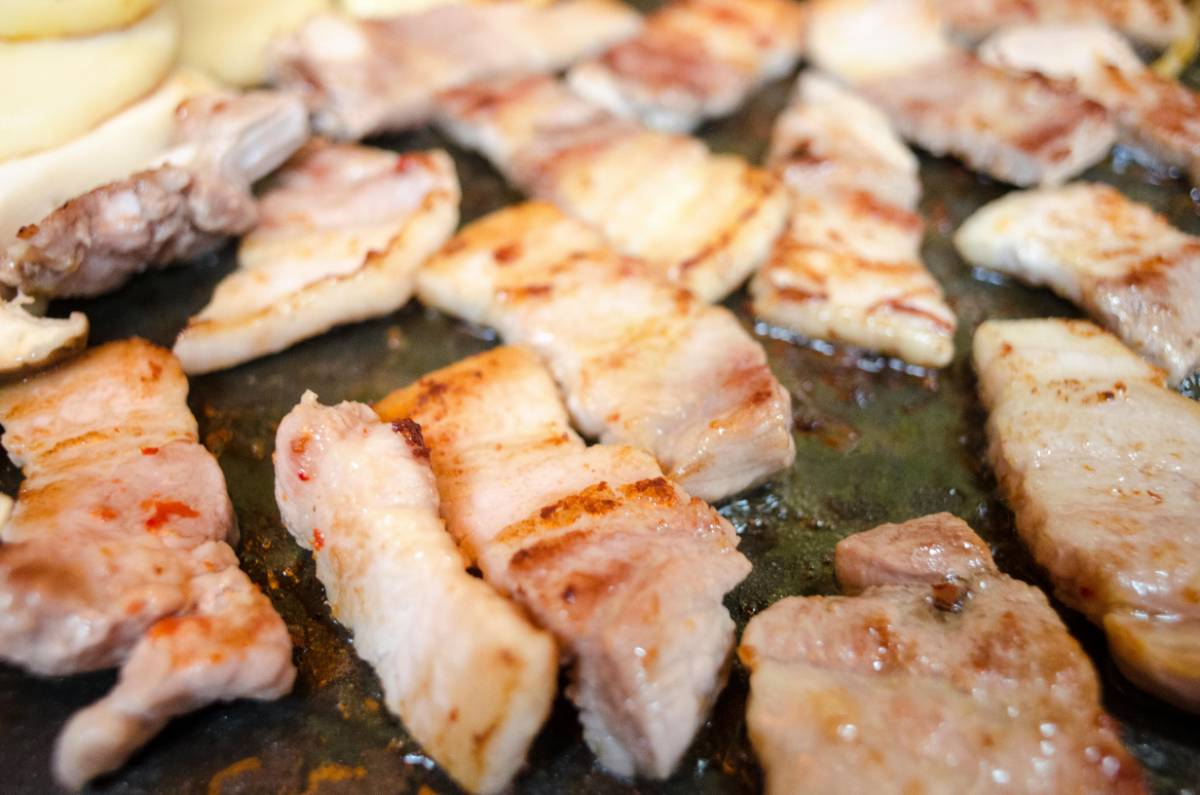
There are many sources of protein to choose from, both animal-based and plant-based. Animal-based sources include lean meats, poultry, fish, eggs, and dairy products. These foods provide high-quality protein with all essential amino acids. Plant-based sources of protein include legumes (such as beans and lentils), tofu, tempeh, nuts, seeds, and whole grains. Incorporating a variety of protein sources can help meet your dietary needs and preferences.
How to Incorporate Protein into Your Diet
To effectively include protein in your diet, consider the following tips:
Start Your Day with Protein: Begin your day with a protein-rich breakfast, such as eggs, Greek yogurt, or a protein smoothie. This can help boost metabolism and keep you satisfied throughout the morning.

Add Protein to Meals and Snacks: Incorporate protein into your lunch and dinner by adding lean meats, beans, or tofu to your dishes. Include protein-rich snacks, such as nuts or cottage cheese, between meals to maintain energy levels and control hunger.
Choose High-Protein Foods: Opt for foods with higher protein content, such as chicken breast, salmon, or quinoa. Look for protein-rich options when shopping and meal planning to ensure you meet your protein goals.
Balance Your Plate: Aim to include a source of protein in each meal, along with healthy carbohydrates and fats. Balancing your plate can support overall nutrition and help with weight management.

Monitor Your Protein Intake: Track your protein intake to ensure you’re consuming an adequate amount.Depending on your weight loss goals and activity level, you may need to adjust your protein intake accordingly.
In conclusion, protein plays a crucial role in weight loss by enhancing metabolism, controlling appetite, and supporting muscle maintenance. Including a variety of protein sources in your diet can help you achieve your weight management goals and improve overall health. Incorporate protein-rich foods into your meals and snacks, and monitor your intake to make the most of its benefits for weight loss.

Trending Around the Web
About the Author
Lewis Adam
Lewis Adam is a passionate health and wellness advocate, with a deep understanding of the challenges modern parents face. With a focus on holistic well-being, Lewis Adam aims to empower mothers and families with practical tips, science-backed advice, and inspiring stories to promote a healthy lifestyle. Whether it's nutrition, fitness, mental health, or parenting, Lewis Adam is committed to making health and wellness approachable and accessible for every SuperMoomy reader.
MORE ARTICLES

4 min read | 26 Jan 2025
Portion Control for Weight Management
Portion control is a critical component of effective weight management. It involves regulating the amount of food consumed during each meal to help maintain a healthy weight and support overall health. Understanding and implementing portion control can prevent overeating, ensure balanced nutrition, and assist in achieving weight-related goals. This article explores the importance of portion control for weight management, practical strategies to implement it, and common pitfalls to avoid.

4 min read | 25 Jan 2025
How to Measure Portion Sizes at Home
Measuring portion sizes accurately is a crucial step in maintaining a balanced diet and managing calorie intake. Proper portion control helps you enjoy a variety of foods while ensuring you meet your nutritional goals. By measuring portion sizes at home, you can better manage your food intake, avoid overeating, and maintain a healthy lifestyle. This article provides practical tips and techniques for measuring portion sizes effectively at home.

3 min read | 24 Jan 2025
The Science Behind Portion Control
Portion control is a fundamental aspect of maintaining a balanced diet and achieving overall health. It involves managing the amount of food consumed to ensure nutritional needs are met without overeating. The science behind portion control reveals how our body processes food, the factors influencing hunger and satiety, and practical strategies for effective portion management. This article delves into the scientific principles of portion control and how it can support a healthier lifestyle.

4 min read | 23 Jan 2025
Tips for Eating Balanced on a Budget
Eating a balanced diet is essential for maintaining good health, but it can sometimes seem challenging when working with a tight budget. Fortunately, it is possible to eat healthily without overspending. By planning meals, making smart food choices, and using effective shopping strategies, you can enjoy a nutritious diet while keeping costs down. This article provides practical tips for eating balanced on a budget.

2 min read | 22 Jan 2025
The Role of Portion Sizes in a Balanced Diet
Portion sizes play a crucial role in maintaining a balanced diet and supporting overall health. Proper portion control helps manage calorie intake, ensure nutrient balance, and prevent overeating. This article explores the importance of portion sizes in a balanced diet and provides practical tips for managing portions to achieve your health and nutrition goals.
5 min read | 21 Jan 2025
Common Myths About Balanced Diets Debunked
A balanced diet is crucial for maintaining good health, but various myths and misconceptions can cloud our understanding of what it truly involves. These myths can lead to confusion and unhealthy eating habits. This article aims to debunk common myths about balanced diets, providing clear and evidence-based information to help you make informed dietary choices.
RECENT POSTS
1
Tips for Incorporating More Fiber into Every Meal
2 min read | 24 Feb 20252
Fiber and Heart Health: What You Need to Know
4 min read | 23 Feb 20253
How Fiber Affects Satiety and Weight Management
2 min read | 22 Feb 20254
Soluble vs. Insoluble Fiber: What’s the Difference?
5 min read | 21 Feb 20255
The Role of Fiber in Managing Blood Sugar Levels
4 min read | 20 Feb 20256
How to Increase Fiber Intake Without Overdoing It
4 min read | 19 Feb 2025MORE POSTS
Balancing Fat Intake in Your Diet
2 min read | 02 Mar 2025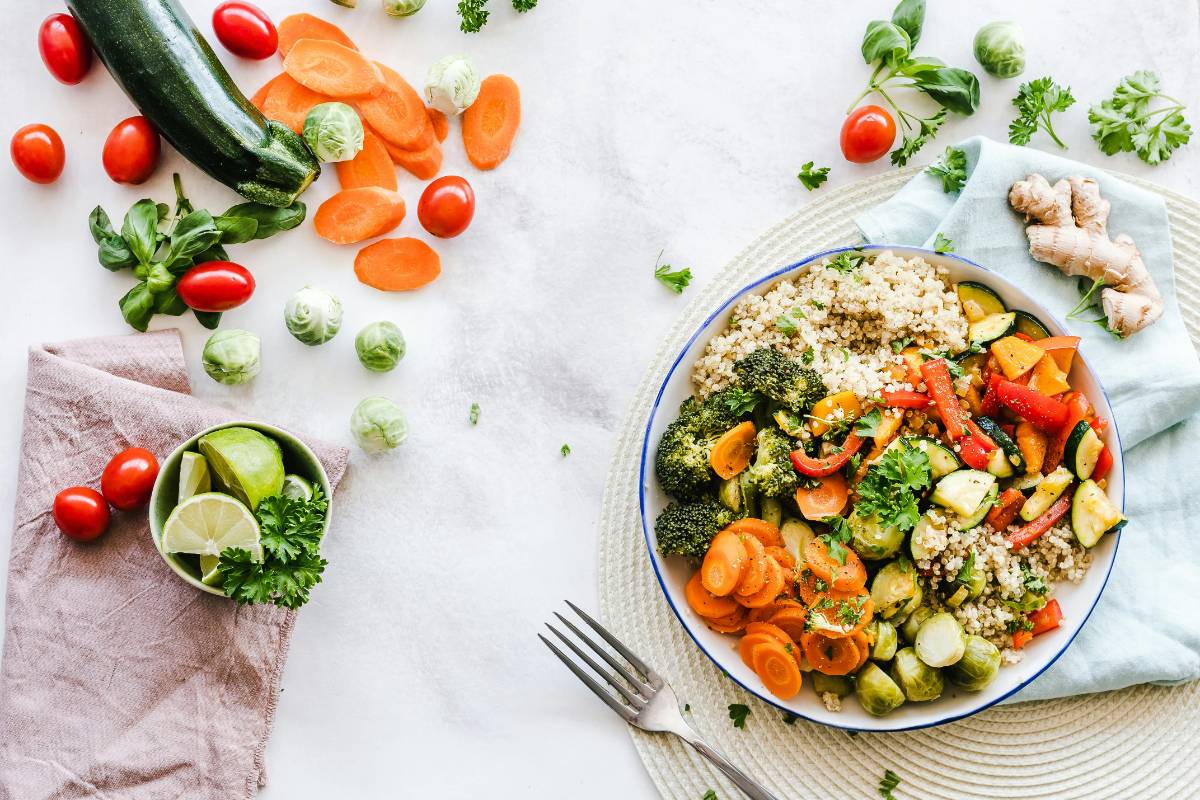
The Impact of Healthy Fats on Heart Health
5 min read | 01 Mar 2025
Avocados, Nuts, and Seeds: Your Sources of Healthy Fats
4 min read | 28 Feb 2025
How to Choose Healthy Cooking Oils
3 min read | 27 Feb 2025
The Benefits of Omega-3 Fatty Acids
2 min read | 26 Feb 2025