How Much Water Should You Drink Each Day?
 By Wilson Baker |
 6 min read
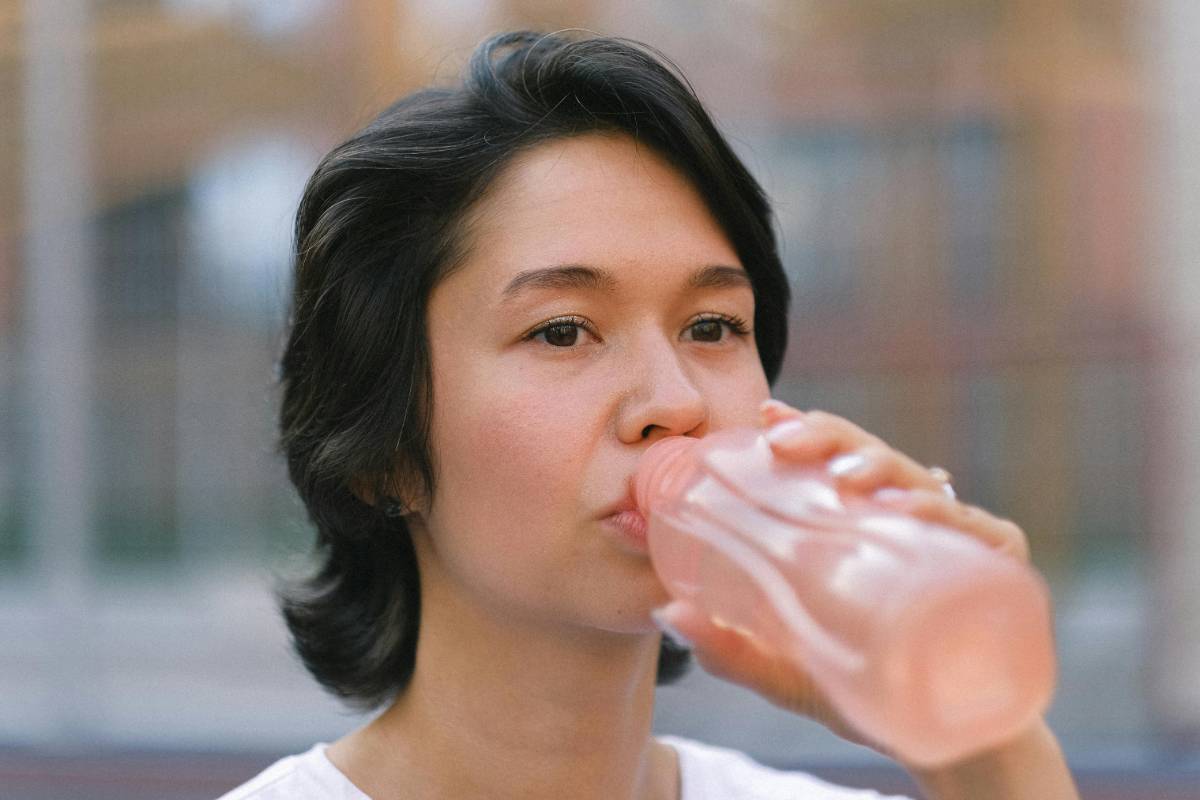
|26 Feb 2025Staying hydrated is essential for maintaining overall health, but how much water should you actually drink each day? The answer can vary based on factors such as age, weight, activity level, and climate. Here's a guide to help you understand your daily water needs and ensure you stay properly hydrated:

General Guidelines: A common recommendation is to drink eight 8-ounce glasses of water a day, known as the "8x8" rule. This amounts to about 2 liters or half a gallon of water daily. However, this guideline is not a one-size-fits-all solution. Your specific water needs may differ.
Factors Influencing Water Intake: Several factors can affect how much water you need to drink each day. For example, if you are physically active, live in a hot climate, or are pregnant or breastfeeding, your body will require more water. Additionally, certain health conditions and medications can increase your water needs.
Listening to Your Body: One of the best ways to determine your hydration needs is to listen to your body. Thirst is a natural indicator that you need to drink more water. Additionally, the color of your urine can be a useful gauge—pale yellow or clear urine usually indicates proper hydration, while darker urine suggests you need to drink more.
Hydration from Food: Remember that water isn’t the only source of hydration. Many fruits and vegetables have high water content and can contribute to your daily fluid intake. Foods like cucumbers, watermelon, oranges, and strawberries are excellent choices to help you stay hydrated.

Adjusting for Activity: If you’re exercising or engaging in any physical activity that causes you to sweat, you’ll need to drink more water to compensate for fluid loss. A good rule of thumb is to drink an additional 1.5 to 2.5 cups (400 to 600 ml) of water for every hour of exercise.
Water and Weight: Your body weight can also influence how much water you need. A general recommendation is to drink half an ounce to an ounce of water per pound of body weight. For example, if you weigh 150 pounds, you should aim to drink 75 to 150 ounces of water each day.
Special Considerations: Certain situations may require you to adjust your water intake. For instance, during hot weather, illness, or periods of increased physical activity, you may need to increase your water consumption to stay adequately hydrated.

Conclusion: While the 8x8 rule is a good starting point, your individual water needs may vary. It’s important to consider factors like your activity level, climate, and body weight when determining how much water to drink each day. By paying attention to your body’s signals and staying mindful of your hydration habits, you can ensure you’re drinking enough water to support your overall health and well-being.
Trending Around the Web
About the Author
Wilson Baker
Wilson Baker is a passionate health and wellness advocate, with a deep understanding of the challenges modern parents face. With a focus on holistic well-being, Wilson Baker aims to empower mothers and families with practical tips, science-backed advice, and inspiring stories to promote a healthy lifestyle. Whether it's nutrition, fitness, mental health, or parenting, Wilson Baker is committed to making health and wellness approachable and accessible for every SuperMoomy reader.
MORE ARTICLES

2 min read | 30 Mar 2025
Techniques for Practicing Mindful Eating
Mindful eating is a practice that encourages you to slow down and savor your meals, enhancing your overall dining experience and improving your relationship with food. By focusing on the present moment and being fully engaged during meals, you can foster healthier eating habits and greater enjoyment of your food. Here are some techniques for practicing mindful eating effectively.

3 min read | 29 Mar 2025
What is Mindful Eating and Why It Matters
Mindful eating is more than just a buzzword; it's a practice that encourages a more intentional and conscious approach to eating. Rooted in mindfulness, this practice involves paying full attention to the experience of eating and drinking, both inside and outside the body. By focusing on the present moment, mindful eating helps individuals develop a healthier relationship with food and promotes overall well-being. Here’s a closer look at what mindful eating is and why it matters.

4 min read | 28 Mar 2025
Using Technology to Simplify Meal Planning
Technology has transformed many aspects of our lives, and meal planning is no exception. By leveraging various digital tools and applications, you can streamline your meal planning process, save time, and make healthier choices. Here’s how technology can simplify your meal planning and enhance your culinary experience.

3 min read | 27 Mar 2025
Time-Saving Tips for Efficient Meal Planning
Meal planning can be a game-changer for busy lifestyles, saving time and reducing stress around mealtime. Efficient meal planning involves strategies that streamline the process, making it easier to prepare healthy and delicious meals. Here are some time-saving tips to help you make the most of your meal planning efforts.

3 min read | 26 Mar 2025
How to Adapt Meal Plans for Special Dietary Needs
Adapting meal plans for special dietary needs is crucial for maintaining health and well-being. Whether you have food allergies, follow a specific diet, or manage a medical condition through diet, creating a meal plan that meets your needs can help you stay on track and enjoy a variety of foods. Here’s how to adapt meal plans to accommodate special dietary needs effectively.

2 min read | 25 Mar 2025
Budget-Friendly Meal Planning Tips
Meal planning is a powerful tool for saving money and ensuring that you eat nutritious, home-cooked meals. By planning your meals in advance, you can make strategic choices that help you stay within your budget while reducing food waste. Here are some budget-friendly meal planning tips to help you save money and eat well.
RECENT POSTS
1
How to Meal Prep for a Week of Healthy Eating
5 min read | 08 Mar 20252
The Basics of a Balanced Diet: What You Need to Know
3 min read | 07 Mar 20253
How to Create a Nighttime Routine for Better Sleep and Skin Health
3 min read | 06 Mar 20254
Understanding the Basics of Oral Hygiene
3 min read | 05 Mar 20255
The Role of Hydration in Personal Care
5 min read | 04 Mar 20256
How to Maintain Healthy Nails: Tips and Tricks
2 min read | 03 Mar 2025MORE POSTS

The Importance of Balanced Macronutrients in Your Diet
5 min read | 09 Apr 2025
How to Read Food Labels for a Healthier Diet
3 min read | 08 Apr 2025
Simple Ways to Reduce Sugar Intake Without Sacrificing Taste
4 min read | 07 Apr 2025
The Connection Between Healthy Eating and Mental Health
4 min read | 15 Apr 2025
Healthy Snack Alternatives to Curb Your Cravings
3 min read | 14 Apr 2025