Stretching Routines for Flexibility and Injury Prevention

 By Neha Jain |
 2 min read
|03 Apr 2025Incorporating stretching routines into your fitness regimen can greatly enhance flexibility, prevent injuries, and improve overall performance. Whether you’re an athlete or just looking to improve your daily movement, developing a consistent stretching routine is key to maintaining muscle health and mobility. Here’s how to create effective stretching routines for flexibility and injury prevention.

Benefits of Stretching
Stretching provides numerous benefits, including:
Increased Flexibility: Regular stretching helps lengthen muscles and tendons, improving your range of motion and overall flexibility.
Reduced Muscle Tension: Stretching helps to alleviate muscle tightness and stiffness, which can reduce discomfort and enhance movement efficiency.

Enhanced Blood Flow: Stretching promotes better circulation, delivering more oxygen and nutrients to muscles, which can aid in recovery and overall muscle health.
Injury Prevention: By improving flexibility and muscle balance, stretching can help prevent injuries caused by muscle strain and overuse.
Types of Stretching

To develop a comprehensive stretching routine, it’s important to incorporate different types of stretching:
Static Stretching: Involves holding a stretch for an extended period, usually 15-60 seconds. This type is best for improving flexibility and should be done after exercise or during dedicated stretching sessions.

Dynamic Stretching: Involves moving parts of your body through a full range of motion. This type is effective as a warm-up before physical activity and helps prepare muscles for exercise.
Proprioceptive Neuromuscular Facilitation (PNF): A more advanced stretching technique that involves both stretching and contracting the muscle group. PNF stretching is effective for improving flexibility and is often used in rehabilitation settings.
Creating a Stretching Routine

To create an effective stretching routine, consider the following steps:
Identify Key Areas: Focus on muscle groups that are commonly tight or prone to injury, such as the hamstrings, calves, lower back, and shoulders.

Warm-Up First: Perform a light warm-up, such as brisk walking or jogging, to increase blood flow to the muscles before stretching.
Include a Variety of Stretches: Incorporate static, dynamic, and PNF stretches into your routine to address different aspects of flexibility and muscle health.
Be Consistent: Aim to stretch at least 2-3 times per week, or more often if you’re engaging in regular physical activity or experiencing muscle tightness.
Sample Stretching Routines
Here are some sample stretching routines for flexibility and injury prevention:

Morning Stretch Routine:
Cat-Cow Stretch: Helps warm up the spine and relieve lower back tension.
Standing Forward Bend: Stretches the hamstrings and lower back.
Chest Opener: Opens up the chest and shoulders to counteract sitting posture.
Post-Workout Stretch Routine:
Hamstring Stretch: Helps alleviate tightness from leg workouts.
Quadriceps Stretch: Relieves tension in the front of the thighs.
Hip Flexor Stretch: Opens up the hip area and reduces tightness from lower body exercises.
Yoga-Based Stretch Routine:
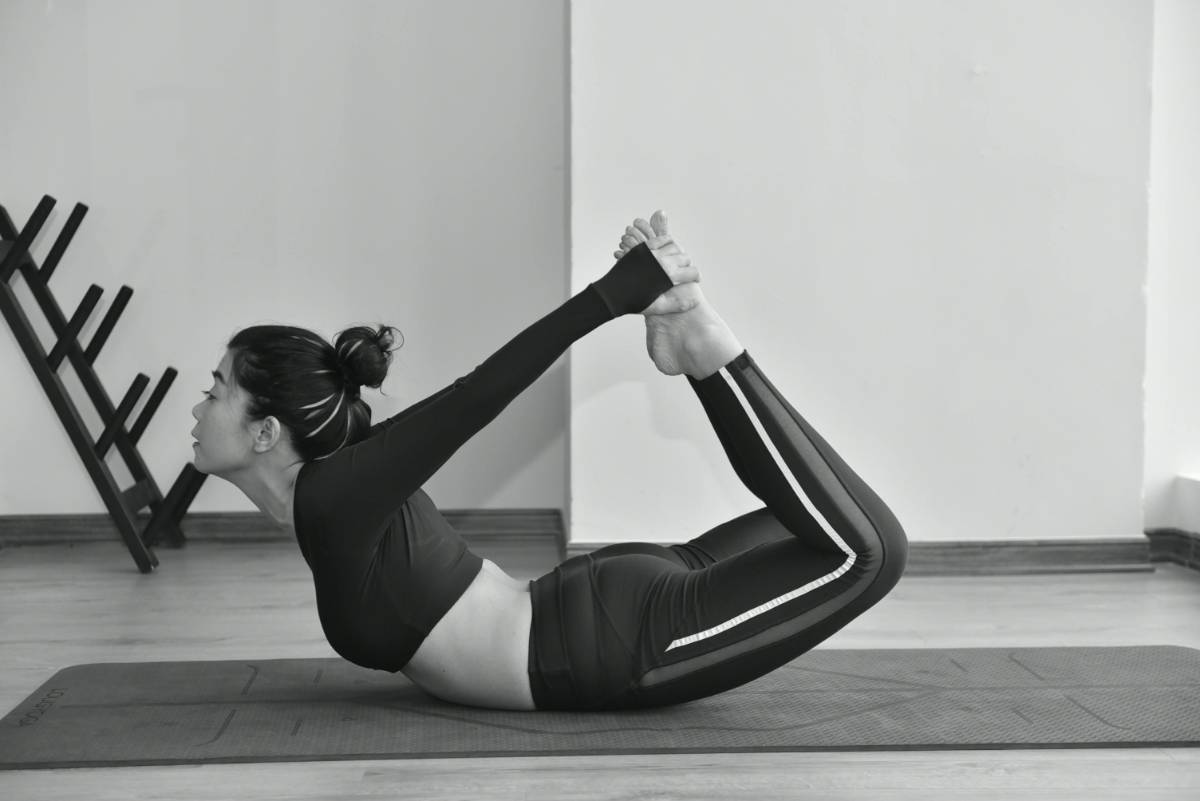
Downward Dog: A dynamic stretch that targets the hamstrings, calves, and shoulders.
Pigeon Pose: Stretches the hips and glutes.
Child’s Pose: A restorative stretch that helps relax the lower back and shoulders.
Tips for Effective Stretching
To get the most out of your stretching routine, keep these tips in mind:
Stretch Gently: Avoid bouncing or jerking movements. Instead, stretch slowly and gently to the point of mild tension, not pain.
Breathe Deeply: Focus on deep, steady breathing to help relax the muscles and enhance the effectiveness of the stretch.
Listen to Your Body: Pay attention to how your body responds to stretching. If you experience pain or discomfort, ease off the stretch and adjust your technique.
Stay Hydrated: Proper hydration helps keep muscles supple and less prone to tightness and cramping.
Conclusion
Regular stretching routines are essential for maintaining flexibility, preventing injuries, and improving overall movement quality. By incorporating a variety of stretching techniques and focusing on key muscle groups, you can enhance your flexibility and support your fitness goals. Stay consistent with your stretching practice, and enjoy the benefits of improved mobility and reduced muscle tension.
Trending Around the Web
About the Author
Neha Jain
Neha Jain is a passionate health and wellness advocate, with a deep understanding of the challenges modern parents face. With a focus on holistic well-being, Neha Jain aims to empower mothers and families with practical tips, science-backed advice, and inspiring stories to promote a healthy lifestyle. Whether it's nutrition, fitness, mental health, or parenting, Neha Jain is committed to making health and wellness approachable and accessible for every SuperMoomy reader.
MORE ARTICLES

2 min read | 11 Apr 2025
The Best Cardio Workouts to Improve Your Endurance
Cardiovascular exercise, or cardio, is essential for improving endurance, heart health, and overall fitness. Incorporating a variety of cardio workouts into your routine can help enhance your stamina and keep your workouts engaging. Here are some of the best cardio workouts to boost your endurance and get the most out of your exercise routine.

2 min read | 10 Apr 2025
How to Design a Home Workout Routine with Minimal Equipment
Designing an effective home workout routine with minimal equipment can be both practical and rewarding. With the right approach, you can achieve a balanced and efficient workout without the need for a fully equipped gym. This guide will help you create a home workout routine that maximizes your results using limited equipment.

2 min read | 09 Apr 2025
Effective Strength Training Exercises for Building Muscle
Strength training is a cornerstone of any muscle-building program. By targeting different muscle groups with effective exercises, you can enhance muscle growth, increase strength, and improve overall fitness. This guide highlights some of the most effective strength training exercises for building muscle and provides tips for maximizing your results.

2 min read | 08 Apr 2025
High-Intensity Interval Training (HIIT): Benefits and Sample Routines
High-Intensity Interval Training (HIIT) has become a popular and effective workout method due to its ability to deliver impressive results in a short amount of time. HIIT involves alternating between short bursts of intense exercise and periods of lower-intensity recovery. This approach not only maximizes calorie burn but also improves cardiovascular fitness and overall strength. Here’s a comprehensive guide to the benefits of HIIT and some sample routines to get you started.
2 min read | 07 Apr 2025
How to Create a Balanced Workout Routine for Overall Fitness
Creating a balanced workout routine is essential for achieving overall fitness and maintaining a healthy lifestyle. A well-rounded routine incorporates various types of exercise to ensure that all aspects of fitness are addressed, including cardiovascular health, strength, flexibility, and balance. Here’s a comprehensive guide to developing a balanced workout routine that supports overall fitness.

2 min read | 06 Apr 2025
The Ultimate Full-Body Workout Routine for Beginners
Starting a workout routine can be both exciting and overwhelming, especially if you’re new to fitness. A full-body workout routine is an excellent way for beginners to build strength, improve endurance, and establish a solid foundation for more advanced exercises. Here’s a comprehensive guide to a full-body workout routine designed specifically for beginners.
RECENT POSTS
1
Weight Loss Strategies for Individuals with Arthritis
6 min read | 21 Mar 20252
Understanding the Relationship Between PCOS and Weight Gain
5 min read | 20 Mar 20253
How Hormonal Imbalances Affect Weight and How to Address Them
6 min read | 19 Mar 20254
Tips for Weight Loss with Diabetes
4 min read | 18 Mar 20255
Managing Weight with Thyroid Disorders
5 min read | 17 Mar 20256
Consulting with a Healthcare Provider About Supplements
3 min read | 16 Mar 2025MORE POSTS

How to Effectively Use a Food Diary
8 min read | 28 Mar 2025
The Benefits of Using a Fitness Tracker
8 min read | 27 Mar 2025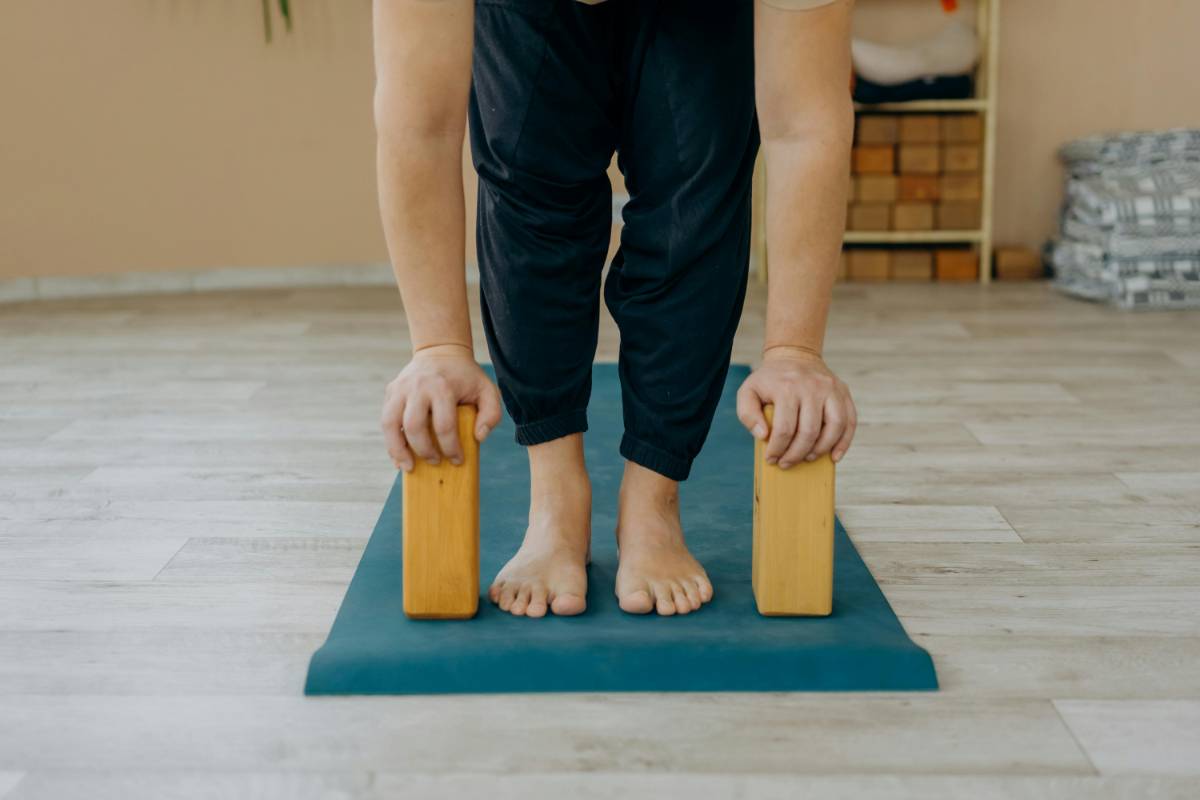
How to Adapt Weight Loss Strategies for Aging Bodies
7 min read | 26 Mar 2025
Guidelines for Weight Management with Heart Conditions
6 min read | 25 Mar 2025
The Impact of Metabolic Syndrome on Weight Loss Efforts
6 min read | 24 Mar 2025