The Basics of a Balanced Diet: What You Need to Know
 By Lewis Adam |
 3 min read
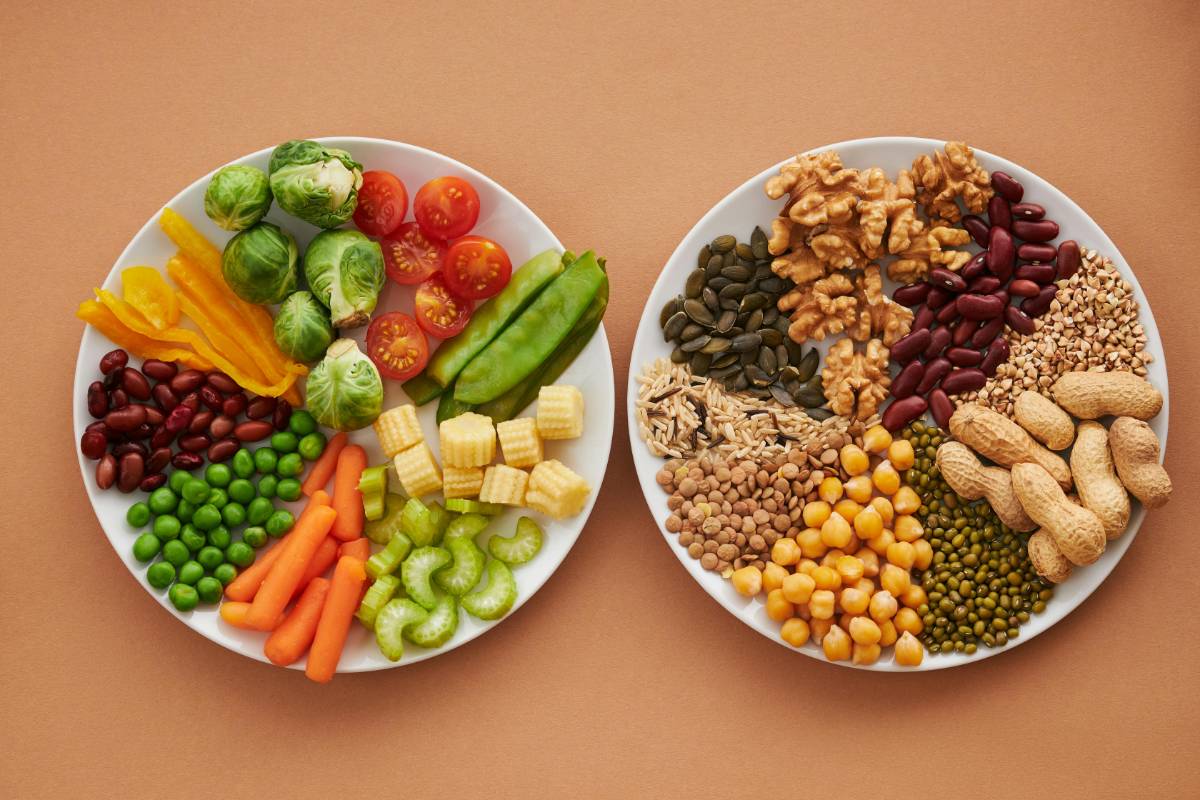
|07 Mar 2025A balanced diet is essential for maintaining good health and well-being. It provides your body with the necessary nutrients to function properly, supports energy levels, and helps prevent chronic diseases. Understanding the fundamentals of a balanced diet can guide you in making healthier food choices and achieving your nutritional goals. In this article, we’ll break down the key components of a balanced diet and offer practical tips for incorporating them into your daily life.

Understanding Macronutrients
Macronutrients are the nutrients your body needs in large amounts to function optimally. They include carbohydrates, proteins, and fats. Here’s a brief overview of each:
Carbohydrates: Carbohydrates are the body’s primary source of energy. They are found in foods like grains, fruits, vegetables, and legumes. Choose whole grains and fiber-rich carbohydrates for sustained energy and digestive health.
Proteins: Proteins are crucial for muscle repair, immune function, and overall growth. Good sources of protein include lean meats, poultry, fish, eggs, dairy products, legumes, and nuts. Aim to include a variety of protein sources in your diet.

Fats: Fats are essential for brain health, hormone production, and absorbing fat-soluble vitamins. Opt for healthy fats such as those found in avocados, nuts, seeds, and olive oil. Limit saturated and trans fats found in processed and fried foods.
Incorporating Micronutrients
Micronutrients, including vitamins and minerals, are required in smaller amounts but are vital for various bodily functions. Here’s how to ensure you’re getting enough:

Vitamins: Vitamins support numerous processes in the body, from immune function to skin health. Include a variety of colorful fruits and vegetables in your diet to ensure you’re getting a wide range of vitamins.
Minerals: Minerals like calcium, iron, and magnesium are important for bone health, oxygen transport, and muscle function. Incorporate foods such as leafy greens, nuts, seeds, and dairy products to meet your mineral needs.

Maintaining Hydration
Water is a crucial component of a balanced diet and overall health. Staying hydrated supports digestion, nutrient absorption, and metabolic processes. Here are some tips for maintaining proper hydration:
Drink Plenty of Water: Aim to drink at least 8 cups (64 ounces) of water per day. Adjust your intake based on factors like activity level and climate.

Include Hydrating Foods: Fruits and vegetables with high water content, such as cucumbers, oranges, and melons, can contribute to your daily fluid intake.
Balance Your Meals

A balanced diet involves more than just individual nutrients—it’s about how you combine them in your meals. Here are some guidelines for creating balanced meals:
Portion Control: Be mindful of portion sizes to avoid overeating. Use smaller plates and listen to your body’s hunger and fullness cues.
Incorporate Variety: Include a mix of protein, carbohydrates, and healthy fats in each meal. This ensures you’re getting a wide range of nutrients and helps maintain steady energy levels.
Limit Processed Foods: Minimize consumption of processed and sugary foods, which can be high in empty calories and low in nutrients. Focus on whole, minimally processed foods for better health benefits.
Practical Tips for a Balanced Diet

Plan Your Meals: Preparing meals in advance can help you make healthier choices and avoid the temptation of quick, less nutritious options.
Snack Wisely: Choose nutrient-dense snacks like fruit, nuts, or yogurt rather than processed snacks high in sugar and unhealthy fats.
Listen to Your Body: Pay attention to how different foods make you feel and adjust your diet to include foods that support your energy levels and overall well-being.
Conclusion
A balanced diet is key to maintaining good health and achieving your nutritional goals. By understanding and incorporating macronutrients, micronutrients, and proper hydration into your daily routine, you can support your body’s needs and promote overall well-being. Remember, balance and variety are essential—focus on making healthy, sustainable food choices that nourish your body and mind.
Trending Around the Web
About the Author
Lewis Adam
Lewis Adam is a passionate health and wellness advocate, with a deep understanding of the challenges modern parents face. With a focus on holistic well-being, Lewis Adam aims to empower mothers and families with practical tips, science-backed advice, and inspiring stories to promote a healthy lifestyle. Whether it's nutrition, fitness, mental health, or parenting, Lewis Adam is committed to making health and wellness approachable and accessible for every SuperMoomy reader.
MORE ARTICLES

2 min read | 27 Mar 2025
The Basics of Endurance Training
Endurance training is essential for improving cardiovascular fitness, stamina, and overall athletic performance. It focuses on increasing the body's ability to sustain prolonged physical activity, making it a key component of many fitness programs. This article covers the basics of endurance training, including its benefits, key principles, and effective strategies to help you build and enhance your endurance.

2 min read | 26 Mar 2025
Balance and Stability Drills for Athletes
Balance and stability are crucial for athletes, as they enhance performance, reduce the risk of injury, and improve overall functional movement. Incorporating balance and stability drills into your training routine can help athletes develop better control, coordination, and strength. This article provides a selection of effective drills designed to improve balance and stability for athletes.

4 min read | 25 Mar 2025
How to Measure Progress in Balance Training
Measuring progress in balance training is essential for tracking improvements, setting goals, and ensuring that your training is effective. By assessing your balance and stability regularly, you can identify areas for improvement and adjust your training routine accordingly. This article provides practical methods and tips for measuring progress in balance training to help you stay motivated and achieve your fitness goals.

4 min read | 24 Mar 2025
Top Exercises to Improve Core and Balance
Improving core strength and balance is essential for overall fitness and injury prevention. A strong core supports stability and coordination, while good balance enhances functional movement and reduces the risk of falls. This article highlights top exercises that target both core strength and balance to help you achieve better overall fitness.

3 min read | 23 Mar 2025
Incorporating Balance Exercises into Strength Workouts
Integrating balance exercises into your strength workouts can enhance overall fitness, improve coordination, and reduce the risk of injury. Balance exercises challenge your stability while engaging stabilizing muscles that support strength training movements. This article provides guidance on how to effectively incorporate balance exercises into your strength workouts to maximize benefits and achieve a well-rounded fitness routine.

4 min read | 22 Mar 2025
Balance Training for Older Adults
Balance training is crucial for older adults to maintain independence, prevent falls, and enhance overall well-being. As we age, balance and coordination can decline, increasing the risk of falls and related injuries. This article provides a comprehensive guide on balance training specifically designed for older adults, highlighting the benefits and offering practical exercises to improve stability and strength.
RECENT POSTS
1
Best Practices for Nail Care at Home
5 min read | 24 Mar 20252
How to Perform a DIY Pedicure at Home
2 min read | 23 Mar 20253
The Benefits of Using Foot Masks
3 min read | 22 Mar 20254
How to Treat and Prevent Athlete's Foot
5 min read | 21 Mar 20255
Tips for Healthy, Strong Nails
3 min read | 20 Mar 20256
How to Choose the Right Nail Care Products
5 min read | 19 Mar 2025MORE POSTS

Self-Care for Busy Professionals: Simple Steps to Feel Refreshed
2 min read | 09 Apr 2025
Men's Skincare: Essential Tips for a Clear Complexion
5 min read | 08 Apr 2025
The Role of Hydration in Personal Care
4 min read | 07 Apr 2025
How to Choose the Right Moisturizer for Your Skin
2 min read | 15 Apr 2025
Daily Habits for Healthier Hair
5 min read | 14 Apr 2025