How to Design a Workout Routine That Aligns with Your Dietary Goals

 By Wilson Baker |
 5 min read
|10 Apr 2025Designing a workout routine that aligns with your dietary goals is essential for achieving optimal results and maintaining a balanced lifestyle. By integrating your nutrition with your exercise regimen, you can enhance performance, support recovery, and reach your fitness goals more effectively. Here’s a guide to help you create a workout routine that complements your dietary objectives.

1. Identify Your Dietary Goals
Before designing your workout routine, clearly define your dietary goals. Are you aiming to lose weight, build muscle, improve endurance, or maintain overall health? Understanding your dietary goals will help you tailor your workout plan to support these objectives. For example, if your goal is muscle gain, you’ll need a routine that incorporates strength training and sufficient protein intake.
2. Align Workouts with Nutritional Needs
Match your workout routine with your nutritional needs. If you’re focusing on weight loss, include cardiovascular exercises to burn calories and strength training to build muscle. Ensure your diet supports these activities by providing enough energy and nutrients. For muscle building, prioritize strength training exercises and consume a diet rich in protein to support muscle growth and repair.

3. Plan Meals Around Workouts
Timing your meals around workouts can optimize performance and recovery. Consume a balanced meal with protein and carbohydrates about 1-2 hours before exercising to fuel your workout. Post-workout, eat a meal or snack that includes protein and carbohydrates within 30-60 minutes to aid recovery and replenish glycogen stores. Adjust meal timing based on the intensity and duration of your workouts.
4. Monitor Macronutrient Intake

Adjust your macronutrient intake based on your workout routine. For instance, if you’re doing high-intensity interval training (HIIT), you may need more carbohydrates to fuel your workouts and protein for muscle repair. On the other hand, if you’re engaging in endurance training, you might focus on a balance of carbohydrates and proteins to sustain energy levels and aid recovery.
5. Incorporate Variety and Balance

Ensure your workout routine includes a variety of exercises to address different aspects of fitness, such as strength, endurance, and flexibility. Similarly, maintain a balanced diet that includes a range of nutrients from different food groups. This balance helps support overall health and ensures that your body receives the necessary nutrients for optimal performance and recovery.
6. Set Realistic Goals and Track Progress
Establish realistic fitness and dietary goals, and track your progress over time. Regularly assess how well your workout routine aligns with your dietary goals and make adjustments as needed. For example, if you notice that your energy levels are low during workouts, you might need to tweak your pre-workout nutrition or adjust your meal timing.

7. Stay Hydrated
Proper hydration is crucial for both exercise performance and dietary goals. Drink plenty of water throughout the day and especially before, during, and after workouts. Adequate hydration supports muscle function, aids digestion, and helps maintain overall health. Consider incorporating electrolyte-rich beverages if you engage in intense or prolonged exercise sessions.

8. Adjust for Special Dietary Requirements
If you have specific dietary requirements or restrictions, such as veganism or food allergies, adapt your workout routine accordingly. Choose exercises and foods that align with your dietary needs while still supporting your fitness goals. For example, if you follow a vegan diet, ensure you’re consuming plant-based protein sources and adjust your workout plan to include exercises that suit your fitness level and dietary preferences.
9. Consult with Professionals
Consult with a registered dietitian or nutritionist to tailor your diet to your workout routine effectively. Additionally, consider working with a fitness trainer who can help design a workout plan that complements your dietary goals and overall fitness objectives. Professional guidance can provide personalized recommendations and ensure that your diet and exercise routine are well-aligned.
10. Listen to Your Body

Finally, pay attention to how your body responds to your workout routine and dietary changes. Adjust your exercise and nutrition plan based on your body’s feedback and performance. Make modifications as needed to ensure that both your diet and workouts are supporting your overall health and fitness goals.
By designing a workout routine that aligns with your dietary goals, you can maximize your fitness results and maintain a balanced lifestyle. Integrate your nutritional needs with your exercise regimen to enhance performance, support recovery, and achieve your desired outcomes. Remember that consistency and balance are key to long-term success in both fitness and nutrition.
Trending Around the Web
About the Author
Wilson Baker
Wilson Baker is a passionate health and wellness advocate, with a deep understanding of the challenges modern parents face. With a focus on holistic well-being, Wilson Baker aims to empower mothers and families with practical tips, science-backed advice, and inspiring stories to promote a healthy lifestyle. Whether it's nutrition, fitness, mental health, or parenting, Wilson Baker is committed to making health and wellness approachable and accessible for every SuperMoomy reader.
MORE ARTICLES
5 min read | 05 Apr 2025
Evaluating and Adjusting Your Weight Loss Plan Based on Tracking Data
Effectively managing your weight loss plan requires more than just setting goals and following a regimen. It involves continuously evaluating your progress and adjusting your strategies based on tracking data. By regularly reviewing your data, you can make informed decisions, stay motivated, and improve your chances of achieving your weight loss goals. Here’s how to evaluate and adjust your weight loss plan using tracking data.

6 min read | 04 Apr 2025
How to Use Graphs and Charts to Visualize Your Progress
Visualizing progress through graphs and charts can be an effective way to track your achievements, set goals, and stay motivated. By transforming data into visual representations, you can easily identify trends, measure progress, and make informed decisions about your fitness, health, or other areas of interest. Here’s how to use graphs and charts to effectively visualize your progress.

6 min read | 03 Apr 2025
Using Technology to Monitor Dietary Intake
In the digital age, technology offers numerous tools to help monitor and manage dietary intake effectively. From smartphone apps to wearable devices, these technologies provide valuable insights into your eating habits, helping you make healthier choices and achieve your nutritional goals. Here’s how you can leverage technology to track and improve your dietary intake.
6 min read | 02 Apr 2025
The Importance of Regular Weigh-Ins
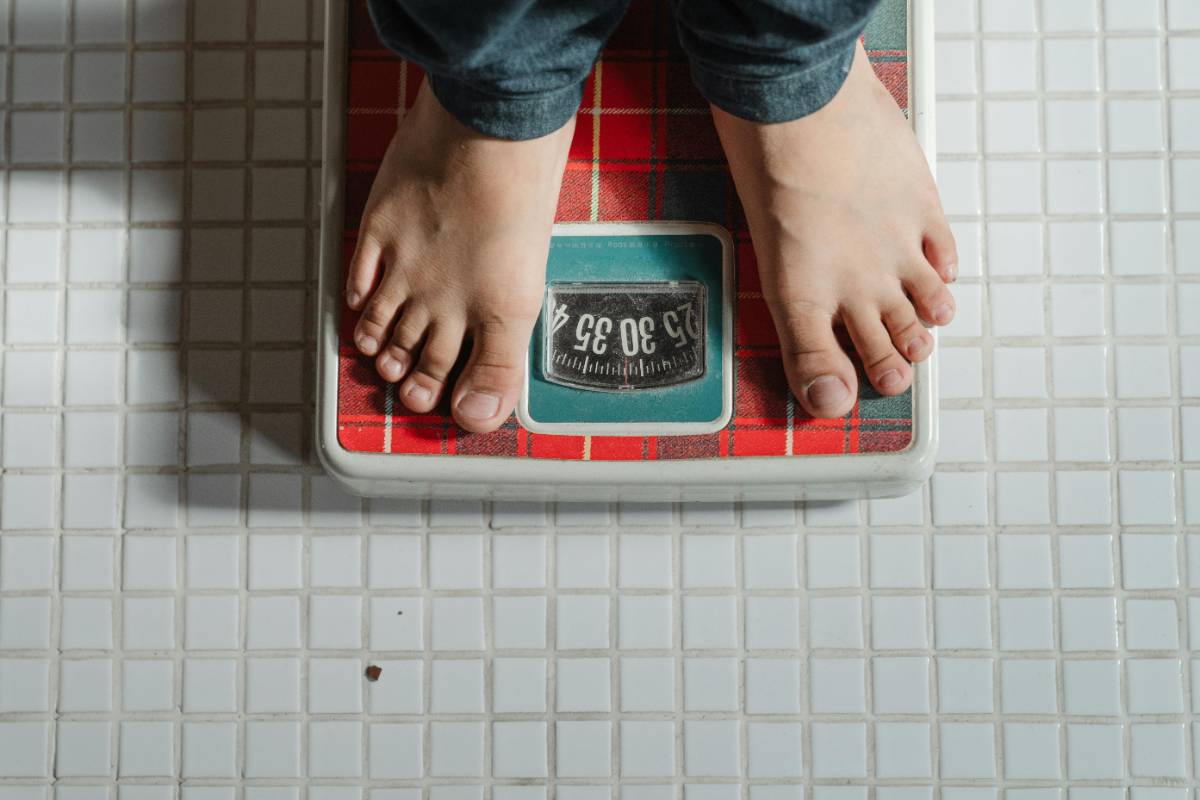
Regular weigh-ins are a crucial component of any weight management strategy. They provide valuable feedback on your progress and help you stay accountable to your health and fitness goals. Here’s why maintaining a consistent weigh-in schedule is important and how it can benefit your overall wellness journey.

6 min read | 01 Apr 2025
How to Interpret Data from Fitness Trackers
Fitness trackers provide valuable data that can help you monitor your health and fitness progress. Understanding and interpreting this data is crucial for making informed decisions and optimizing your workout routines. Here’s a guide on how to effectively interpret data from fitness trackers to enhance your fitness journey.

7 min read | 31 Mar 2025
Setting Up and Using Weight Loss Goals and Milestones
Setting up and using weight loss goals and milestones is essential for achieving and maintaining a healthy weight. Establishing clear, achievable targets helps you stay motivated and track your progress effectively. Here’s a comprehensive guide on how to set up and utilize weight loss goals and milestones to enhance your journey toward a healthier lifestyle.
RECENT POSTS
1
How to Use Supplements Safely and Effectively
5 min read | 15 Mar 20252
The Benefits and Risks of Herbal Weight Loss Products
3 min read | 14 Mar 20253
Natural Supplements to Support Metabolism
5 min read | 13 Mar 20254
Potential Side Effects of Common Weight Loss Supplements
3 min read | 12 Mar 20255
Are Meal Replacement Shakes Effective for Weight Loss?
4 min read | 11 Mar 20256
The Science Behind Fat-Burning Supplements
4 min read | 10 Mar 2025MORE POSTS

Understanding Macronutrients: Carbs, Proteins, and Fats
3 min read | 17 Jan 2025
The Importance of a Balanced Diet
3 min read | 16 Jan 2025
How to Develop a Personal Care Routine for Sensitive Skin
2 min read | 16 Apr 2025
Skincare Mistakes You Should Avoid
5 min read | 15 Apr 2025
The Power of Aromatherapy in Your Personal Care Routine
2 min read | 14 Apr 2025