Using Technology to Monitor Dietary Intake

 By Neha Jain |
 6 min read
|03 Apr 2025In the digital age, technology offers numerous tools to help monitor and manage dietary intake effectively. From smartphone apps to wearable devices, these technologies provide valuable insights into your eating habits, helping you make healthier choices and achieve your nutritional goals. Here’s how you can leverage technology to track and improve your dietary intake.

Food Tracking Apps
Food tracking apps are among the most popular tools for monitoring dietary intake. These apps allow you to log your meals, track calories, and assess the nutritional content of the foods you eat. Many apps offer features like barcode scanning, meal suggestions, and integration with fitness trackers, making it easier to stay on top of your dietary goals.
Nutritional Analysis
Advanced food tracking apps provide detailed nutritional analysis, including macronutrients (carbohydrates, proteins, and fats), micronutrients (vitamins and minerals), and dietary fiber. By understanding the nutritional content of your food, you can make more informed choices and ensure you’re meeting your dietary needs.

Wearable Devices
Wearable devices such as smartwatches and fitness trackers can also play a role in monitoring dietary intake. Some wearables can sync with food tracking apps to provide a comprehensive view of your daily calorie consumption and expenditure. These devices can also track physical activity, helping you balance your diet with your exercise routine.
Smart Scales
Smart scales are another technological innovation that can assist with dietary monitoring. These scales not only measure your weight but also provide insights into body composition, including body fat percentage and muscle mass. Tracking these metrics can help you assess the effectiveness of your diet and make necessary adjustments.
Meal Planning Tools

Meal planning tools and apps can help you organize and prepare your meals ahead of time. By planning your meals, you can ensure a balanced diet and avoid impulsive food choices. These tools often come with features like recipe suggestions, grocery lists, and nutritional information, making meal planning more convenient and efficient.
Virtual Nutrition Coaching
Many people are turning to virtual nutrition coaching for personalized dietary guidance. Online platforms and apps offer access to registered dietitians and nutritionists who can provide tailored advice based on your dietary preferences, goals, and health conditions. This personalized approach helps you stay accountable and make informed dietary decisions.

Food Diaries and Journals
Digital food diaries and journals allow you to track your eating habits and reflect on your dietary choices. By documenting your meals, snacks, and beverages, you can identify patterns and areas for improvement. Some apps also offer features like mood tracking and symptoms logging to help you understand how food affects your overall well-being.

Data Analysis and Insights
Technology provides powerful data analysis tools that can help you interpret your dietary intake. Many apps and devices offer charts, graphs, and reports that visualize your nutritional intake and progress over time. These insights can help you identify trends, set goals, and make data-driven adjustments to your diet.
Setting Goals and Reminders
Setting dietary goals and reminders through apps and devices can help you stay motivated and on track. Many tools allow you to set daily calorie targets, hydration goals, and nutritional benchmarks. Automated reminders can prompt you to log your meals, drink water, and make healthier choices throughout the day.
Privacy and Data Security

When using technology to monitor dietary intake, it’s important to consider privacy and data security. Choose reputable apps and devices that prioritize user privacy and comply with data protection regulations. Ensure that your personal and health information is stored securely and only shared with trusted sources.
Conclusion
Technology offers a range of tools and resources to help you monitor and improve your dietary intake. From food tracking apps and wearable devices to smart scales and virtual nutrition coaching, these innovations provide valuable insights and support in achieving your nutritional goals. By leveraging technology effectively, you can make more informed decisions, stay accountable, and enhance your overall health and well-being. Remember to choose tools that align with your needs and preferences, and use them as part of a holistic approach to a balanced diet and healthy lifestyle.
Trending Around the Web
About the Author
Neha Jain
Neha Jain is a passionate health and wellness advocate, with a deep understanding of the challenges modern parents face. With a focus on holistic well-being, Neha Jain aims to empower mothers and families with practical tips, science-backed advice, and inspiring stories to promote a healthy lifestyle. Whether it's nutrition, fitness, mental health, or parenting, Neha Jain is committed to making health and wellness approachable and accessible for every SuperMoomy reader.
MORE ARTICLES

2 min read | 14 Feb 2025
How to Maintain Weight Loss After Reaching Your Goal
Achieving your weight loss goal is a significant accomplishment, but maintaining that weight loss can be just as challenging, if not more so. Many people find that keeping the weight off requires continued effort and commitment. To help you maintain your weight loss, it’s essential to develop strategies that will support your new, healthier lifestyle in the long term.

3 min read | 13 Feb 2025
Setting Realistic Weight Loss Goals
When embarking on a weight loss journey, it’s crucial to set realistic and achievable goals. Setting the right goals can help you stay motivated, track your progress, and avoid frustration. Unrealistic expectations can lead to disappointment and may cause you to abandon your efforts altogether. By understanding what’s achievable and focusing on gradual progress, you can create a sustainable path to weight loss.

3 min read | 12 Feb 2025
Dealing with Weight Loss Plateaus
Weight loss plateaus are a common challenge that many people encounter on their journey to a healthier lifestyle. After initial success in shedding pounds, you might find that your progress suddenly stalls, despite continuing with your diet and exercise routine. This plateau can be frustrating and disheartening, but it’s important to understand that it’s a normal part of the weight loss process. With the right strategies, you can overcome this hurdle and continue making progress toward your goals.

5 min read | 11 Feb 2025
The Role of Social Support in Achieving Weight Loss Goals
Achieving weight loss goals can be challenging, but having a strong support system can make the journey easier and more successful. Social support plays a critical role in helping individuals stay motivated, accountable, and committed to their weight loss efforts. Whether it’s through family, friends, or online communities, the encouragement and shared experiences from others can significantly impact your ability to reach and maintain your weight loss goals.

2 min read | 10 Feb 2025
How to Create a Balanced Daily Routine
Creating a balanced daily routine is essential for maintaining both physical and mental well-being. A well-structured routine can help you manage your time effectively, reduce stress, and ensure that you’re dedicating time to the activities that matter most. Whether you're juggling work, family, personal goals, or self-care, establishing a daily routine that balances these areas can lead to a more fulfilling and productive life.

4 min read | 09 Feb 2025
Managing Emotional Eating: Strategies and Tips
Emotional eating is a common response to stress, anxiety, boredom, and other emotions. It involves using food as a way to cope with feelings rather than to satisfy hunger. While it may provide temporary comfort, emotional eating can lead to unhealthy eating patterns, weight gain, and a negative impact on overall well-being. Understanding the triggers and learning how to manage emotional eating is crucial for maintaining a healthy relationship with food.
RECENT POSTS
1
The Benefits of Using a Fitness Tracker
8 min read | 27 Mar 20252
How to Adapt Weight Loss Strategies for Aging Bodies
7 min read | 26 Mar 20253
Guidelines for Weight Management with Heart Conditions
6 min read | 25 Mar 20254
The Impact of Metabolic Syndrome on Weight Loss Efforts
6 min read | 24 Mar 20255
Managing Weight Post-Surgery or Medical Treatment
5 min read | 23 Mar 20256
How to Approach Weight Loss with a History of Eating Disorders
6 min read | 22 Mar 2025MORE POSTS

How to Effectively Use a Food Diary
8 min read | 28 Mar 2025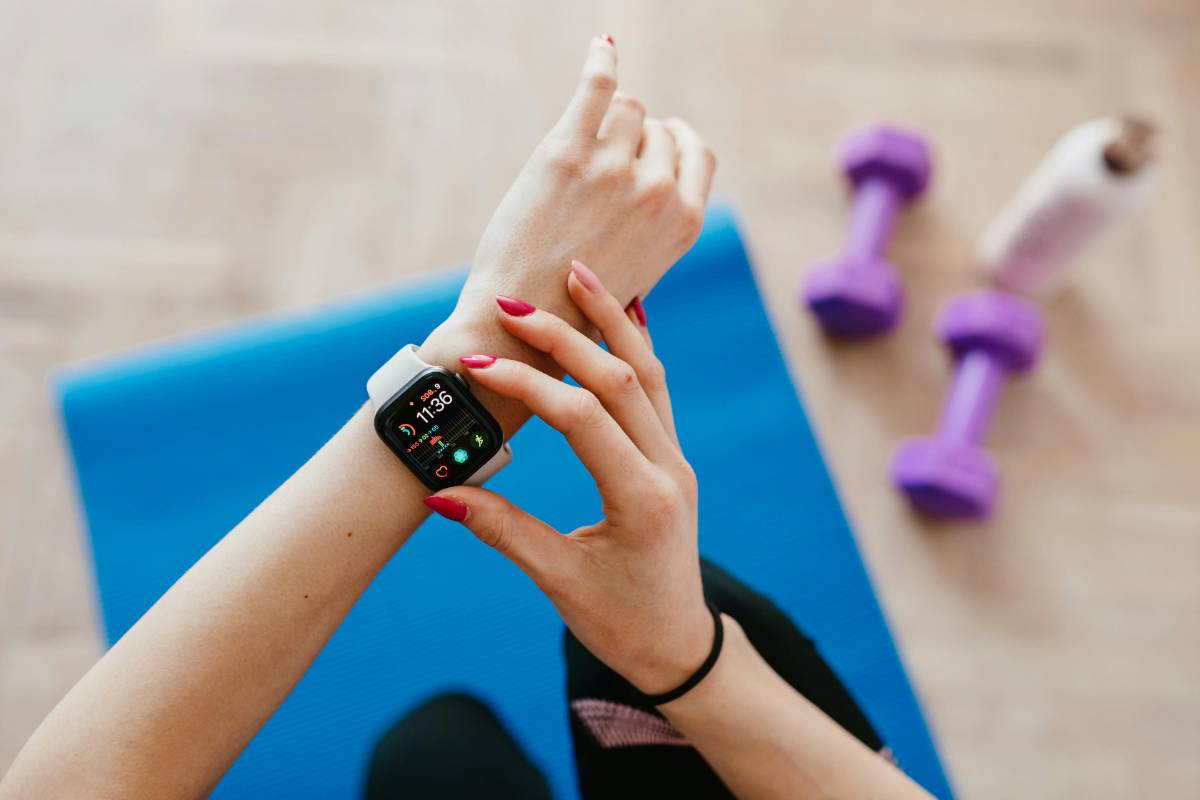
The Benefits of Using a Fitness Tracker
8 min read | 27 Mar 2025
How to Adapt Weight Loss Strategies for Aging Bodies
7 min read | 26 Mar 2025
Guidelines for Weight Management with Heart Conditions
6 min read | 25 Mar 2025
The Impact of Metabolic Syndrome on Weight Loss Efforts
6 min read | 24 Mar 2025