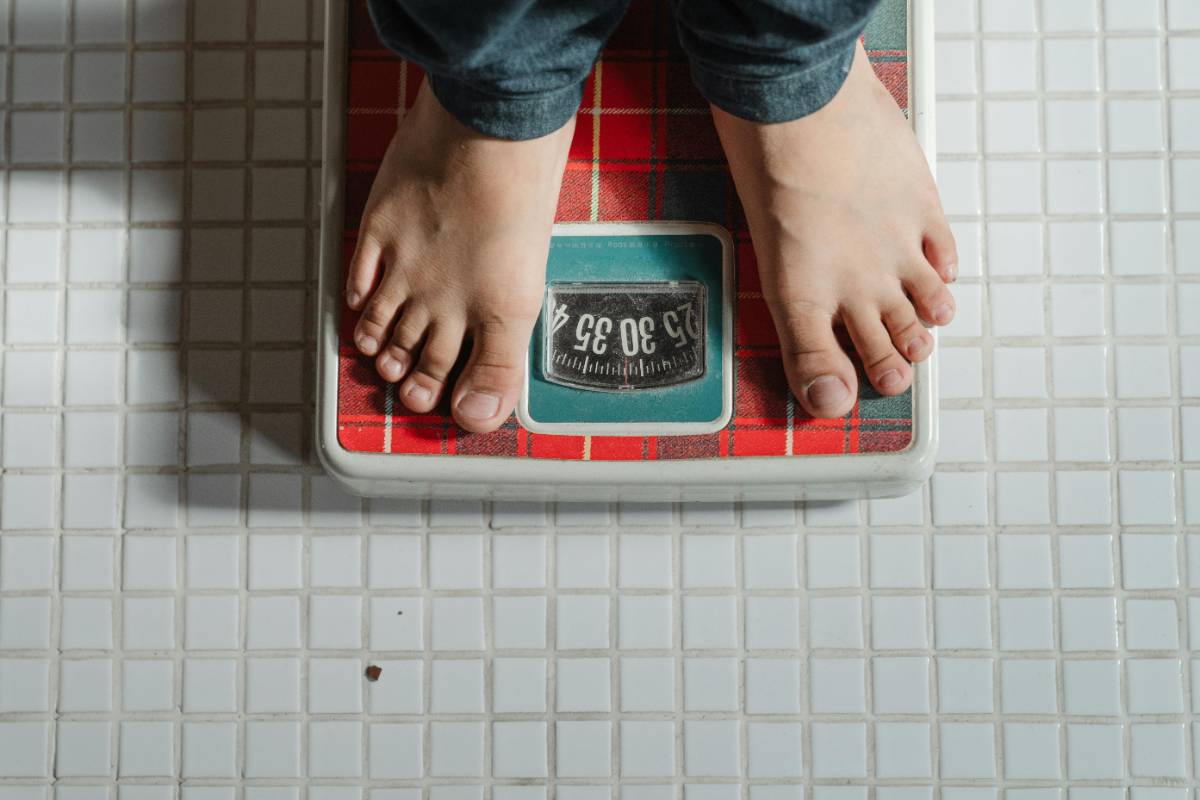
How to Use Graphs and Charts to Visualize Your Progress

 By Christin Hume |
 6 min read
|04 Apr 2025Visualizing progress through graphs and charts can be an effective way to track your achievements, set goals, and stay motivated. By transforming data into visual representations, you can easily identify trends, measure progress, and make informed decisions about your fitness, health, or other areas of interest. Here’s how to use graphs and charts to effectively visualize your progress.

Choosing the Right Type of Graph or Chart
Different types of graphs and charts serve different purposes. Choosing the right one depends on the data you want to visualize and the insights you hope to gain. Here are some common types and their uses:
Bar Charts
Bar charts are ideal for comparing discrete categories or groups. They can be used to track progress in different areas, such as comparing weekly exercise hours or calorie intake across months. Each bar represents a category, and the height of the bar indicates the value.

Line Graphs
Line graphs are useful for showing trends over time. They are perfect for visualizing continuous data, such as tracking weight loss, exercise frequency, or nutrient intake. The line connects data points, making it easy to see changes and trends.
Pie Charts
Pie charts are effective for showing the proportion of different categories within a whole. They can be used to visualize the distribution of macronutrients in your diet or the percentage of time spent on various types of workouts.
Scatter Plots
Scatter plots are used to identify relationships between two variables. They can help you understand how different factors, such as calorie intake and exercise, impact your weight or performance. Each point represents a data pair, and patterns or correlations can be observed.
Setting Up Your Graphs and Charts
Once you’ve selected the appropriate type of graph or chart, follow these steps to set it up:
Collect and Organize Data
Start by gathering the data you want to visualize. Ensure it is accurate and up-to-date. Organize the data into categories or time periods as needed.

Choose a Tool
Use tools like Microsoft Excel, Google Sheets, or dedicated data visualization software to create your graphs and charts. These tools offer various templates and customization options.
Input Data
Enter your data into the chosen tool. Most tools allow you to input data manually or import it from other sources. Ensure that your data is correctly aligned with the graph or chart type you are using.
Customize Your Graph or Chart

Customize the appearance of your graph or chart to make it more informative and visually appealing. Adjust colors, labels, and legends to clearly represent your data. Add titles and axis labels to provide context.
Interpreting Your Visual Data
Interpreting the data presented in graphs and charts involves understanding trends, patterns, and anomalies. Look for the following insights:
Trends
Identify upward or downward trends in your data. For example, a line graph showing a steady decline in weight over time indicates progress toward weight loss goals.
Patterns
Look for recurring patterns or correlations. For example, a scatter plot may reveal a relationship between exercise frequency and improved fitness levels.
Outliers
Spot any outliers or unusual data points. Outliers may indicate anomalies or factors that need further investigation.
Using Graphs and Charts to Set Goals
Graphs and charts can also be used to set and track goals. Here’s how:
Set Clear Objectives
Define specific, measurable goals based on your data. For example, you might aim to increase your weekly exercise duration by 10% over the next three months.
Monitor Progress
Regularly update your graphs and charts to reflect new data. Monitoring progress visually can help you stay motivated and adjust your strategies as needed.
Evaluate and Adjust
Evaluate your progress periodically and make adjustments to your goals or approach based on the insights gained from your visual data.
Conclusion
Using graphs and charts to visualize your progress provides a clear and engaging way to track achievements, set goals, and stay motivated. By selecting the right type of visual representation and accurately interpreting the data, you can gain valuable insights and make informed decisions. Incorporate these visual tools into your tracking routine to enhance your understanding of your progress and keep your goals within reach.
Trending Around the Web
About the Author
Christin Hume
Christin Hume is a passionate health and wellness advocate, with a deep understanding of the challenges modern parents face. With a focus on holistic well-being, Christin Hume aims to empower mothers and families with practical tips, science-backed advice, and inspiring stories to promote a healthy lifestyle. Whether it's nutrition, fitness, mental health, or parenting, Christin Hume is committed to making health and wellness approachable and accessible for every SuperMoomy reader.
MORE ARTICLES

3 min read | 29 Jan 2025
The Importance of Flexibility and Stretching in Your Fitness Routine
Flexibility and stretching are often overlooked components of a well-rounded fitness routine, yet they play a crucial role in maintaining overall health and enhancing physical performance. Incorporating flexibility exercises and stretching into your fitness regimen can provide numerous benefits, from improving range of motion to reducing the risk of injury. Here’s a comprehensive look at why flexibility and stretching are important and how you can effectively integrate them into your routine.

5 min read | 28 Jan 2025
How to Get Started with Cardio Exercises
Cardiovascular exercises, or cardio, are a fundamental part of a balanced fitness routine and offer numerous benefits for overall health and well-being. If you’re new to cardio or looking to enhance your current routine, getting started can be straightforward with the right approach. Here’s a guide to help you begin your journey with cardio exercises and make the most of your workouts.
4 min read | 27 Jan 2025
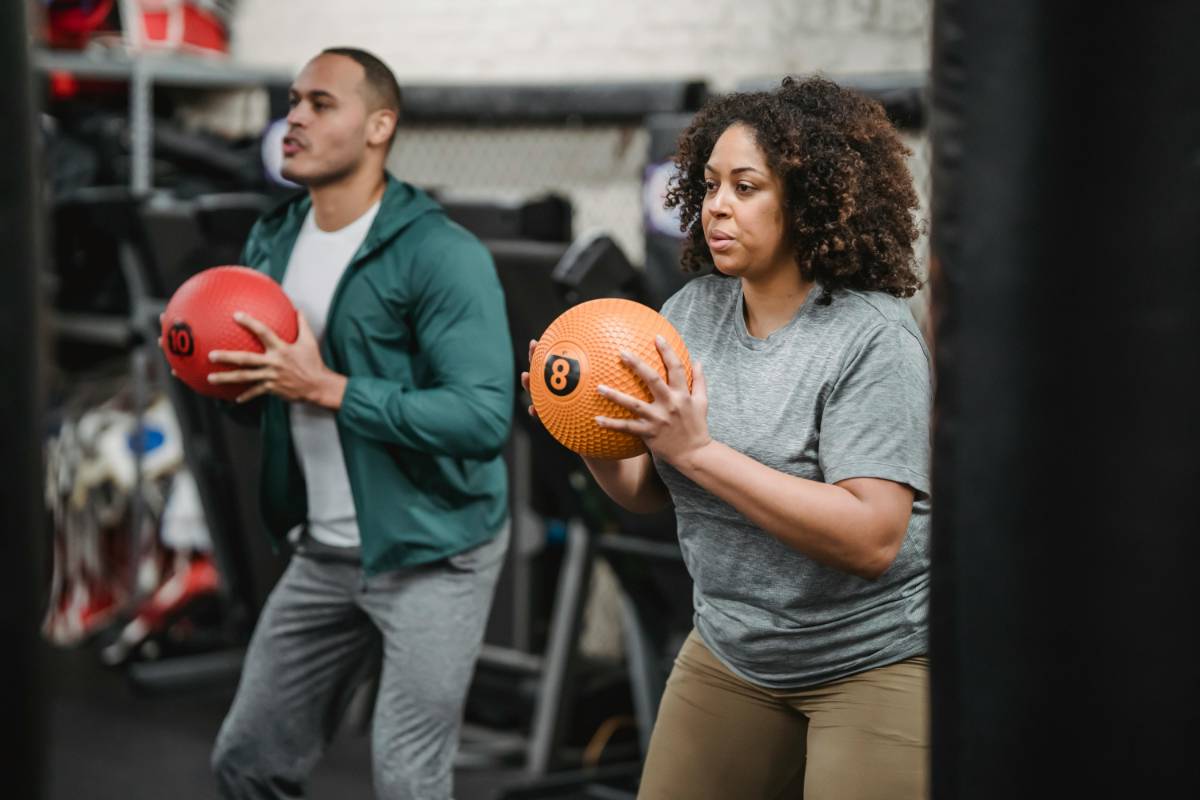
The Benefits of Strength Training for Weight Loss
When it comes to weight loss, many people focus primarily on cardio exercises like running or cycling. While cardiovascular exercise is an important component of a balanced fitness routine, strength training offers unique benefits that can significantly enhance your weight loss efforts. Here’s a closer look at how strength training can contribute to weight loss and why incorporating it into your fitness routine is a smart choice.

2 min read | 26 Jan 2025
Creating an Effective Home Workout Routine
Creating an effective home workout routine can be a convenient and flexible way to stay fit without the need for a gym membership or specialized equipment. Whether you're a beginner or a seasoned fitness enthusiast, designing a routine that fits your goals and lifestyle is essential. Here are some steps and tips to help you develop an effective home workout routine that you can stick with.

5 min read | 25 Jan 2025
How to Incorporate More Fruits and Vegetables into Your Diet
Incorporating more fruits and vegetables into your diet is one of the easiest ways to boost your overall health. Packed with essential vitamins, minerals, and antioxidants, they contribute to better digestion, improved heart health, and increased energy levels. However, for many people, adding more fruits and vegetables to their diet can be challenging. Here are some practical tips to help you increase your intake of these nutritious foods.

2 min read | 24 Jan 2025
The Pros and Cons of Intermittent Fasting
Intermittent fasting has gained popularity as a dietary approach for weight management and overall health improvement. It involves alternating periods of eating and fasting, and can take various forms, such as the 16/8 method or the 5:2 diet. While intermittent fasting offers several potential benefits, it also comes with some drawbacks. This article explores the pros and cons of intermittent fasting to help you determine if it's the right approach for you.
RECENT POSTS
1
How to Choose the Right Nail Care Products
5 min read | 19 Mar 20252
The Benefits of Regular Manicures
2 min read | 18 Mar 20253
How to Care for Dry, Cracked Hands
3 min read | 17 Mar 20254
Natural Alternatives to Shaving Cream
4 min read | 16 Mar 20255
How to Maintain a Clean Shave on the Go
2 min read | 15 Mar 20256
Best Practices for Grooming Sensitive Areas
3 min read | 14 Mar 2025MORE POSTS
How to Create a Balanced Diet Plan for Weight Loss
5 min read | 07 Apr 2025
Effective Strategies for Sustainable Weight Loss
3 min read | 06 Apr 2025
Evaluating and Adjusting Your Weight Loss Plan Based on Tracking Data
5 min read | 05 Apr 2025How to Use Graphs and Charts to Visualize Your Progress
6 min read | 04 Apr 2025
Using Technology to Monitor Dietary Intake
6 min read | 03 Apr 2025