The Role of Nutrition in Supporting Your Workout Routine

 By Aditi Sharma |
 4 min read
|16 Apr 2025Nutrition plays a crucial role in supporting your workout routine and enhancing your overall fitness. Proper nutrition not only fuels your workouts but also aids in recovery, muscle growth, and overall health. Understanding the relationship between nutrition and exercise can help you optimize your performance and achieve your fitness goals. Here’s a comprehensive guide on how to align your nutrition with your workout routine.

Pre-Workout Nutrition
Eating the right foods before a workout can provide the necessary energy and stamina to maximize your performance. A balanced pre-workout meal should include a combination of carbohydrates, proteins, and healthy fats. Carbohydrates, such as whole grains, fruits, and vegetables, provide a quick source of energy, while proteins, like lean meats, dairy, or plant-based alternatives, help with muscle repair and growth. Healthy fats, found in nuts, seeds, and avocados, contribute to sustained energy levels. Aim to eat your pre-workout meal about 1-3 hours before exercising to allow time for digestion and optimal energy release.
Post-Workout Nutrition
After a workout, your body needs nutrients to recover and rebuild muscle tissue. A post-workout meal rich in protein and carbohydrates is essential for muscle repair and replenishing glycogen stores. Protein sources like chicken, fish, eggs, or plant-based proteins support muscle recovery and growth, while carbohydrates from fruits, whole grains, or legumes help restore energy levels. Additionally, including healthy fats in your post-workout meal can support overall recovery and inflammation reduction. Consuming your post-workout meal within 30-60 minutes after exercising can help enhance recovery and support muscle synthesis.

Hydration
Proper hydration is a fundamental aspect of supporting your workout routine. Water is essential for maintaining bodily functions, regulating temperature, and preventing dehydration during exercise. Aim to drink water before, during, and after your workout to stay properly hydrated. In cases of intense or prolonged exercise, consider incorporating electrolyte-rich beverages or sports drinks to replenish lost minerals and maintain fluid balance. Monitoring your hydration levels and adjusting your fluid intake based on the intensity and duration of your workouts can help optimize your performance and overall health.
Macronutrients

Understanding macronutrients—carbohydrates, proteins, and fats—is key to optimizing your workout routine. Carbohydrates provide the primary source of energy for exercise, especially high-intensity activities. Complex carbohydrates, such as whole grains and vegetables, offer sustained energy and support endurance. Proteins are vital for muscle repair and growth, making them crucial for post-workout recovery. Lean proteins and plant-based options can help meet your protein needs. Fats, while calorie-dense, play a role in hormone regulation and long-term energy. Incorporating healthy fats from sources like avocados, nuts, and olive oil can support overall fitness goals.
Micronutrients

Micronutrients, including vitamins and minerals, are essential for overall health and effective workout performance. Key micronutrients such as vitamin D, calcium, magnesium, and iron play significant roles in muscle function, bone health, and energy metabolism. Vitamin D supports bone health and immune function, while calcium and magnesium contribute to muscle contractions and relaxation. Iron is crucial for oxygen transport in the blood. A balanced diet rich in fruits, vegetables, whole grains, and lean proteins can help meet your micronutrient needs and support your fitness goals.
Meal Timing and Frequency
Meal timing and frequency can impact your workout performance and recovery. Eating smaller, balanced meals throughout the day can help maintain energy levels and support muscle growth. Consider incorporating snacks that combine carbohydrates and protein, such as yogurt with fruit or a protein shake with a banana, to provide sustained energy and aid in muscle repair. Avoid large meals right before exercise to prevent discomfort and ensure optimal digestion. Establishing a consistent eating schedule that aligns with your workout routine can help improve performance and recovery.

Supplementation
While a well-balanced diet should meet most of your nutritional needs, certain supplements can support your workout routine. Common supplements include protein powders, branched-chain amino acids (BCAAs), and creatine. Protein powders can provide a convenient source of protein for muscle recovery, while BCAAs can help reduce muscle soreness and improve exercise performance. Creatine is known for enhancing strength and power during high-intensity workouts. Consult with a healthcare professional or registered dietitian before starting any supplementation to ensure it aligns with your individual needs and fitness goals.

By integrating proper nutrition into your workout routine, you can enhance performance, support recovery, and achieve your fitness goals more effectively. Focus on a balanced diet that includes a mix of macronutrients and micronutrients, stay hydrated, and consider timing your meals and snacks to align with your exercise schedule. Embracing these nutritional strategies will help you maximize the benefits of your workouts and maintain overall health and wellness.
Trending Around the Web
About the Author
Aditi Sharma
Aditi Sharma is a passionate health and wellness advocate, with a deep understanding of the challenges modern parents face. With a focus on holistic well-being, Aditi Sharma aims to empower mothers and families with practical tips, science-backed advice, and inspiring stories to promote a healthy lifestyle. Whether it's nutrition, fitness, mental health, or parenting, Aditi Sharma is committed to making health and wellness approachable and accessible for every SuperMoomy reader.
MORE ARTICLES

5 min read | 07 Mar 2025
Tips for Buying Fragrances Online
Buying fragrances online can be a convenient and rewarding experience, but it requires careful consideration to ensure that you get the right scent and value for your money. Unlike shopping in a physical store, where you can test and smell fragrances directly, online shopping necessitates a different approach to make informed decisions. This guide offers practical tips for buying fragrances online to help you make the best choice and enjoy a satisfying purchase.

4 min read | 06 Mar 2025
Understanding Fragrance Families
Fragrance families are essential for navigating the world of perfumes and colognes. Understanding these categories helps you identify and select scents that suit your personal preferences and mood. Each fragrance family is characterized by distinct notes and compositions that define its unique aroma. This article explores the major fragrance families, their characteristics, and how to choose a fragrance that fits within these categories.

5 min read | 05 Mar 2025
How to Apply Fragrance for Maximum Impact
Applying fragrance correctly can enhance its impact and ensure you leave a memorable impression. Fragrance application is more than just spritzing a few sprays; it involves strategic techniques and considerations to make the most of your scent. This comprehensive guide explores the best practices for applying fragrance to maximize its effectiveness and longevity.

3 min read | 04 Mar 2025
The Benefits of Using Natural Fragrances
Natural fragrances are becoming increasingly popular as people seek healthier and more eco-friendly alternatives to synthetic perfumes. Derived from natural sources such as flowers, fruits, and herbs, these fragrances offer a range of benefits that enhance both personal well-being and environmental sustainability. This article explores the advantages of using natural fragrances and why they might be a better choice for your scent experience.

3 min read | 03 Mar 2025
How to Store Perfume Properly
Properly storing your perfume is essential to maintaining its quality and extending its shelf life. Fragrances can be sensitive to various environmental factors, and improper storage can alter their scent and effectiveness. This article provides tips on how to store your perfume to ensure it remains fresh and vibrant.

4 min read | 02 Mar 2025
The Art of Layering Scents
Layering scents is an artful technique that allows you to create a personalized and unique fragrance experience. By combining different fragrance products, you can enhance the depth and complexity of your scent, making it truly your own. This article explores the art of layering scents, offering tips and techniques to help you master this olfactory skill.
RECENT POSTS
1
Using Medicine Balls in Functional Training
2 min read | 01 Mar 20252
How Functional Training Enhances Athletic Performance
5 min read | 28 Feb 20253
Creating a Functional Training Routine for Beginners
5 min read | 27 Feb 20254
Top Functional Exercises for Everyday Strength
5 min read | 26 Feb 20255
What is Functional Training and Why is it Important?
3 min read | 25 Feb 20256
Common HIIT Mistakes and How to Fix Them
2 min read | 24 Feb 2025MORE POSTS

Are Meal Replacement Shakes Effective for Weight Loss?
4 min read | 11 Mar 2025
The Science Behind Fat-Burning Supplements
4 min read | 10 Mar 2025
How to Choose the Right Multivitamin for Weight Management
4 min read | 09 Mar 2025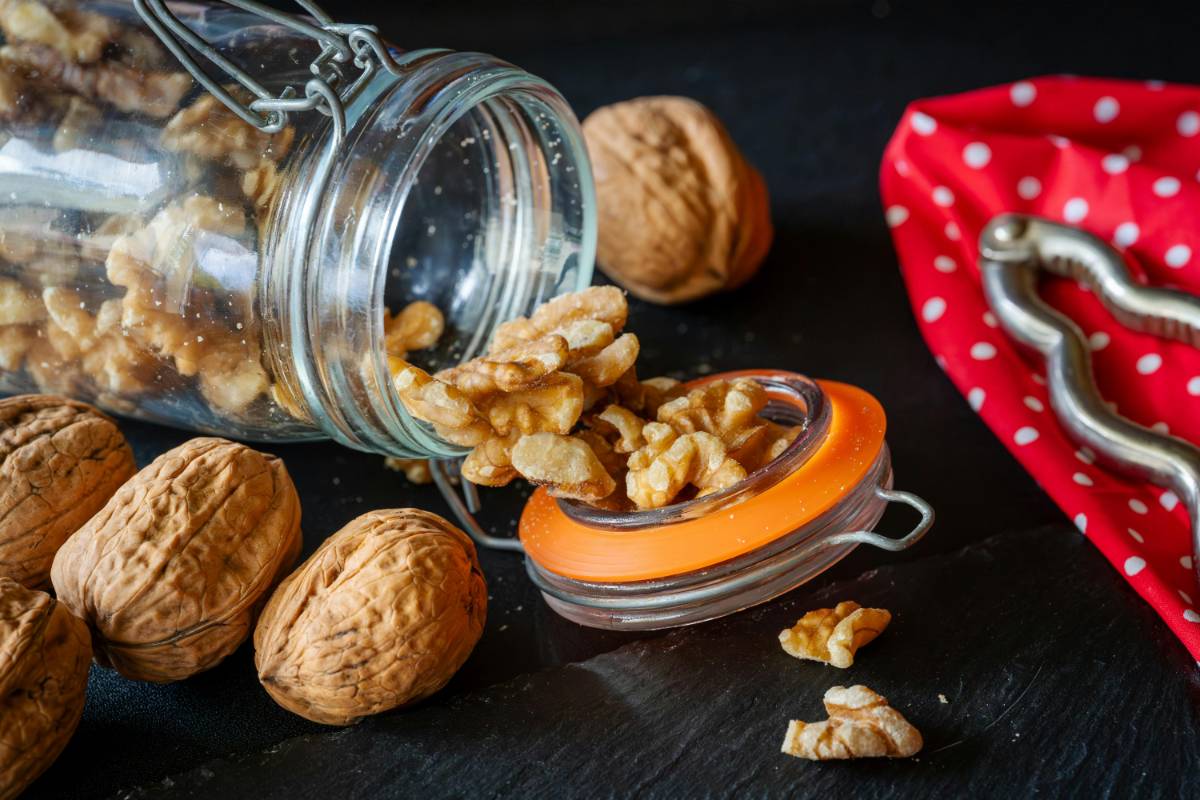
The Role of Protein Supplements in Weight Loss
4 min read | 08 Mar 2025
Popular Weight Loss Supplements: What You Need to Know
5 min read | 07 Mar 2025