How to Create a Balanced Workout Routine for Overall Fitness
 By Wilson Baker |
 2 min read
|07 Apr 2025Creating a balanced workout routine is essential for achieving overall fitness and maintaining a healthy lifestyle. A well-rounded routine incorporates various types of exercise to ensure that all aspects of fitness are addressed, including cardiovascular health, strength, flexibility, and balance. Here’s a comprehensive guide to developing a balanced workout routine that supports overall fitness.

Understand the Components of Fitness
A balanced workout routine should include exercises that target different components of fitness. These components are:
Cardiovascular Endurance: This involves exercises that increase your heart rate and improve the efficiency of your cardiovascular system. Examples include running, cycling, swimming, and brisk walking.
Strength Training: Strength training helps to build and maintain muscle mass, increase strength, and improve bone density. Common strength exercises include weightlifting, bodyweight exercises, and resistance band workouts.

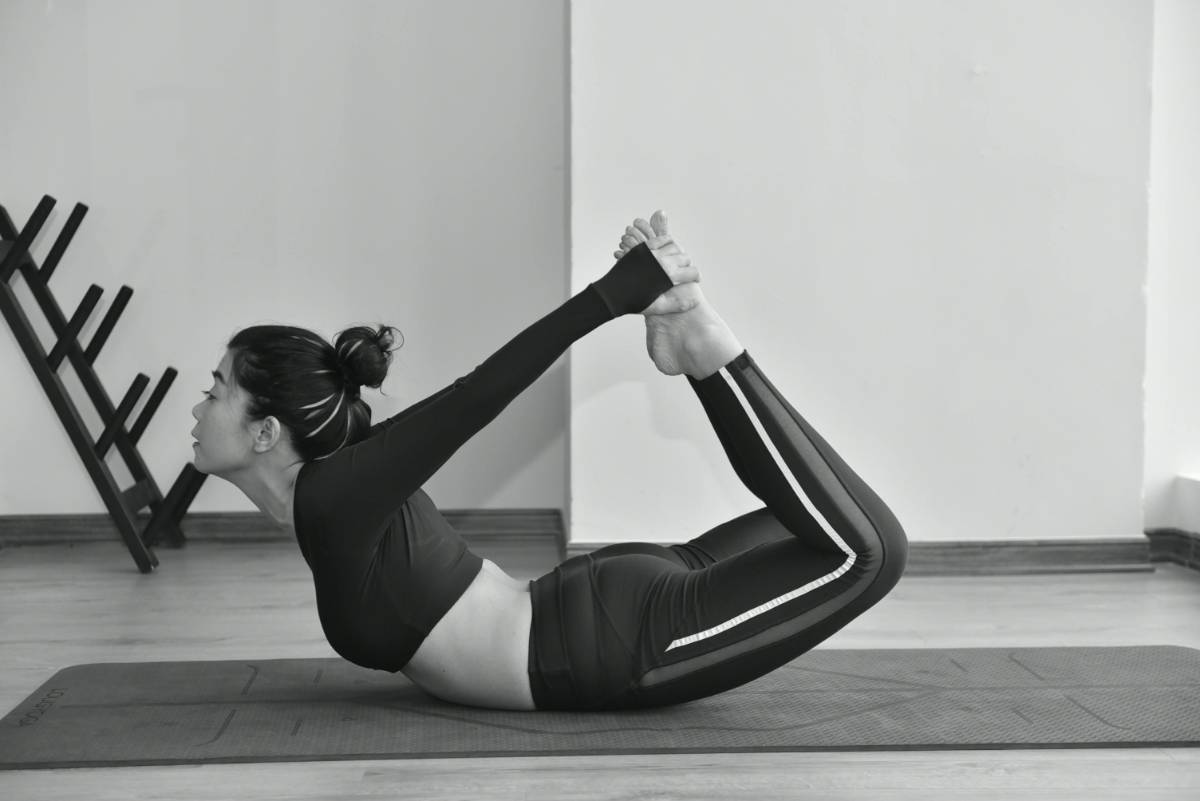
Flexibility: Flexibility exercises improve the range of motion in your joints and help prevent injuries. Stretching, yoga, and Pilates are effective methods for enhancing flexibility.
Balance: Balance exercises help to improve coordination and stability. These exercises can reduce the risk of falls and enhance overall functional fitness. Examples include balance board exercises, single-leg stands, and stability ball workouts.
Plan Your Weekly Workout Schedule

To create a balanced workout routine, plan your weekly schedule to include a mix of cardiovascular, strength, flexibility, and balance exercises. Here’s a sample weekly workout plan for overall fitness:
Monday: Cardiovascular Workout

Perform 30-45 minutes of moderate to intense cardiovascular exercise, such as running, cycling, or swimming. This will help improve your heart health and endurance.
Tuesday: Strength Training (Upper Body)
Focus on strength training exercises that target the upper body muscles. Include exercises such as push-ups, dumbbell bench presses, and rows. Aim for 3 sets of 10-12 repetitions per exercise.

Wednesday: Flexibility and Balance
Incorporate a flexibility and balance workout, such as a yoga or Pilates session. Spend 30-45 minutes working on stretching, breathing techniques, and balance poses.

Thursday: Cardiovascular Workout
Engage in another session of cardiovascular exercise. You can vary the activity from Monday to keep things interesting, such as trying a different form of cardio like dancing or rowing.
Friday: Strength Training (Lower Body)
Focus on strength training exercises that target the lower body muscles. Include exercises such as squats, lunges, and calf raises. Aim for 3 sets of 10-12 repetitions per exercise.
Saturday: Active Recovery

Take part in a low-intensity activity such as walking, gentle stretching, or recreational sports. This allows your muscles to recover while still staying active.
Sunday: Rest Day
Allow yourself a complete rest day to recover and rejuvenate. Adequate rest is crucial for muscle repair and overall recovery.
Incorporate Variety
To keep your workout routine engaging and prevent plateaus, incorporate variety into your exercises. This can include trying new activities, varying your workout intensity, or using different equipment. Variety also helps to target different muscle groups and keep your routine fresh.
Focus on Form and Technique
Proper form and technique are essential for maximizing the effectiveness of your workouts and preventing injuries. Take the time to learn the correct form for each exercise, and consider working with a fitness professional if needed.
Set Realistic Goals
Setting achievable fitness goals can help keep you motivated and on track. Start with small, manageable goals and gradually work towards more challenging ones. Track your progress and celebrate your achievements along the way.
Listen to Your Body
Pay attention to how your body responds to your workouts. If you experience pain or discomfort, modify your routine or take a break. It’s important to listen to your body and adjust your workouts to avoid overtraining and injury.
Stay Hydrated and Fuel Your Body
Proper hydration and nutrition are vital for supporting your workout routine and overall fitness. Drink plenty of water before, during, and after exercise, and fuel your body with a balanced diet that includes protein, carbohydrates, and healthy fats.
In summary, creating a balanced workout routine involves incorporating various types of exercise to address all components of fitness. By planning a weekly schedule that includes cardiovascular, strength, flexibility, and balance exercises, you can achieve overall fitness and maintain a healthy lifestyle. Focus on variety, proper form, and listening to your body to create a sustainable and effective workout routine.
Trending Around the Web
About the Author
Wilson Baker
Wilson Baker is a passionate health and wellness advocate, with a deep understanding of the challenges modern parents face. With a focus on holistic well-being, Wilson Baker aims to empower mothers and families with practical tips, science-backed advice, and inspiring stories to promote a healthy lifestyle. Whether it's nutrition, fitness, mental health, or parenting, Wilson Baker is committed to making health and wellness approachable and accessible for every SuperMoomy reader.
MORE ARTICLES

4 min read | 20 Feb 2025
Understanding and Managing Emotional Triggers
Emotional triggers are events, situations, or stimuli that evoke a strong emotional response, often linked to past experiences or unresolved issues. Recognizing and managing these triggers is essential for maintaining emotional well-being and achieving a balanced life. Here’s a comprehensive guide to understanding and managing emotional triggers:

4 min read | 19 Feb 2025
The Benefits of Keeping a Food Diary
Keeping a food diary is a powerful tool for improving your eating habits and achieving your health goals. By recording everything you eat and drink, you can gain valuable insights into your dietary patterns, identify areas for improvement, and track your progress over time. Here are some of the key benefits of maintaining a food diary:

3 min read | 18 Feb 2025
How to Deal with Temptations and Avoid Binge Eating
Binge eating is a common challenge for many people, especially when faced with tempting foods. Overcoming this behavior requires understanding the triggers, developing healthier coping mechanisms, and building resilience against temptations. Binge eating often occurs in response to emotional stress, boredom, or restrictive dieting. By addressing these underlying causes, you can create a healthier relationship with food and prevent binge episodes.

3 min read | 17 Feb 2025
The Role of Self-Monitoring in Weight Loss
Self-monitoring is a critical component in the journey towards successful weight loss. By keeping track of your eating habits, physical activity, and progress, you become more aware of your behaviors and can make more informed decisions that support your goals. Self-monitoring provides valuable insights into your patterns, helping you identify areas for improvement and celebrate your successes. This practice has been shown to enhance motivation, accountability, and ultimately, the achievement of long-term weight loss.

2 min read | 16 Feb 2025
Mindful Eating: How to Eat with Awareness
Mindful eating is a practice that involves paying full attention to the experience of eating and drinking, both inside and outside the body. It’s about being aware of the colors, smells, textures, flavors, temperatures, and even the sounds of your food. Mindful eating also means being conscious of your thoughts, feelings, and physical sensations while eating, helping you make more deliberate and healthier choices. Here's how you can incorporate mindful eating into your daily routine.

5 min read | 15 Feb 2025
Overcoming Food Cravings: Tips and Tricks
Food cravings are a common experience that can derail even the most disciplined eating habits. Whether it’s the urge for something sweet, salty, or rich, cravings can be difficult to resist. However, with the right strategies, you can overcome these cravings and maintain control over your diet. Here are some effective tips and tricks to help you manage and overcome food cravings.
RECENT POSTS
1
The Role of Protein Supplements in Weight Loss
4 min read | 08 Mar 20252
Popular Weight Loss Supplements: What You Need to Know
5 min read | 07 Mar 20253
Understanding the Link Between Water and Metabolism
4 min read | 06 Mar 20254
How to Increase Water Intake Throughout the Day
4 min read | 05 Mar 20255
The Impact of Caffeinated and Sugary Drinks on Hydration
6 min read | 04 Mar 20256
How to Use Infused Water for Better Hydration
6 min read | 03 Mar 2025MORE POSTS

The Best Home Workouts for Weight Loss
3 min read | 09 Apr 2025
How to Set Realistic Weight Loss Goals and Achieve Them
2 min read | 08 Apr 2025
The Role of Hydration in Weight Loss
3 min read | 07 Apr 2025
How to Stay Motivated During Your Weight Loss Journey
2 min read | 15 Apr 2025
The Impact of Sleep on Weight Loss and How to Improve It
2 min read | 14 Apr 2025