How to Track Your Fitness Progress
 By Oliver Davis |
 4 min read
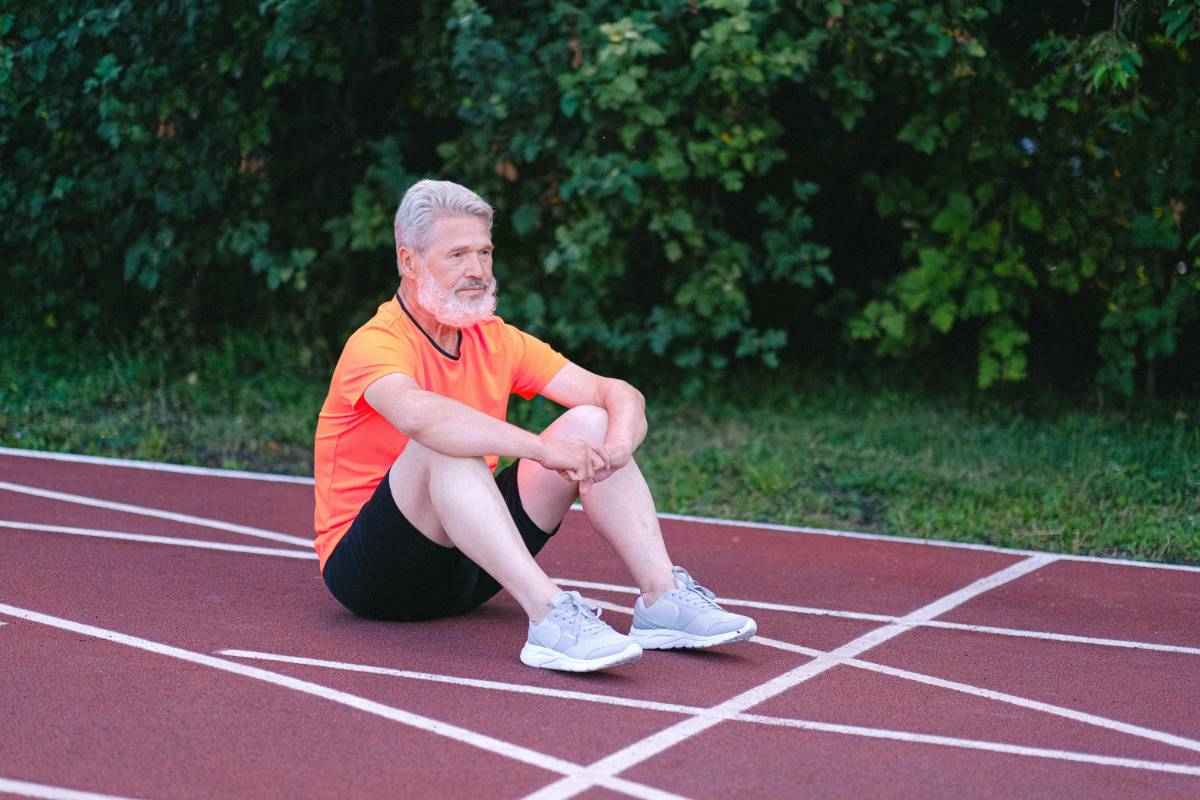
|05 Apr 2025Tracking your fitness progress is essential to understanding your improvements, staying motivated, and adjusting your workout routine as needed. Whether you’re aiming to build strength, lose weight, or improve overall fitness, knowing how to monitor your progress can help you reach your goals more effectively. Here’s how you can track your fitness progress:

Set Clear Goals
Before you begin tracking, establish clear and specific fitness goals. Your goals could be related to strength, endurance, flexibility, weight loss, or any other aspect of fitness. Defining what you want to achieve will help you choose the right metrics and methods for tracking your progress.
Use Fitness Apps and Devices
Fitness apps and wearable devices can provide valuable insights into your progress. Many apps track metrics such as steps, calories burned, heart rate, and workout performance. Wearable devices like fitness trackers and smartwatches offer real-time data and trends that can help you stay on track.

Measure Your Physical Changes
Regularly measuring physical changes can provide a clear picture of your progress. Consider tracking the following:
Body Measurements: Use a tape measure to track the circumference of various body parts, such as your waist, hips, chest, arms, and legs. Measure these areas monthly to observe changes.

Weight: Weigh yourself regularly, but keep in mind that weight alone doesn’t provide a complete picture. It’s important to consider other factors like muscle mass and body composition.
Body Fat Percentage: Measuring body fat percentage can give a more accurate view of changes in body composition. Body fat scales or calipers can help with this measurement.
Track Your Workouts
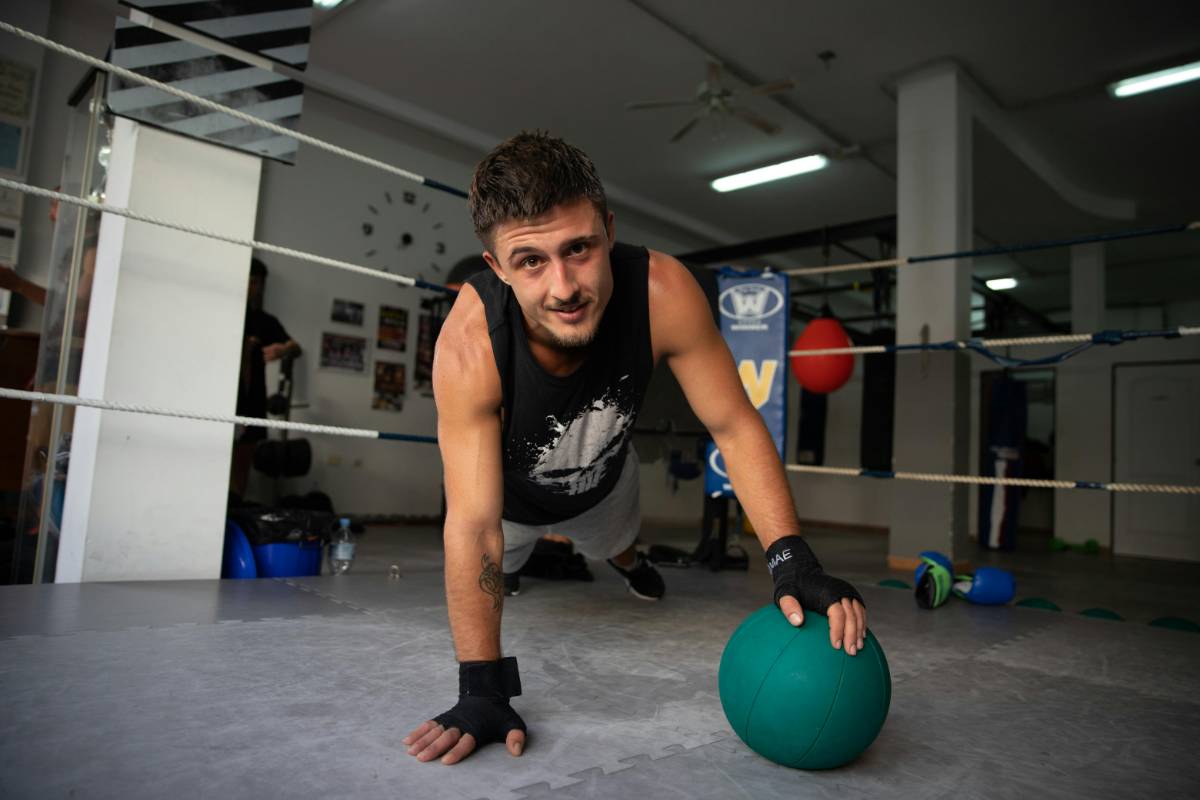
Keeping a workout log is a great way to track your progress in terms of performance and endurance. Record the following details for each workout:
Exercises Performed: Note down the exercises you did during each session.

Sets and Reps: Track the number of sets and repetitions for each exercise to monitor strength gains.
Weights Used: Record the amount of weight lifted to see how your strength improves over time.

Duration and Intensity: Measure the duration of your workouts and the intensity to evaluate improvements in endurance and fitness levels.
Monitor Performance Metrics
Tracking performance metrics can help you assess your progress in different areas of fitness:
Cardiovascular Endurance: Track metrics such as distance run, time taken, and heart rate to monitor improvements in cardiovascular fitness.
Strength Gains: Monitor the maximum weight you can lift for various exercises to assess strength development.
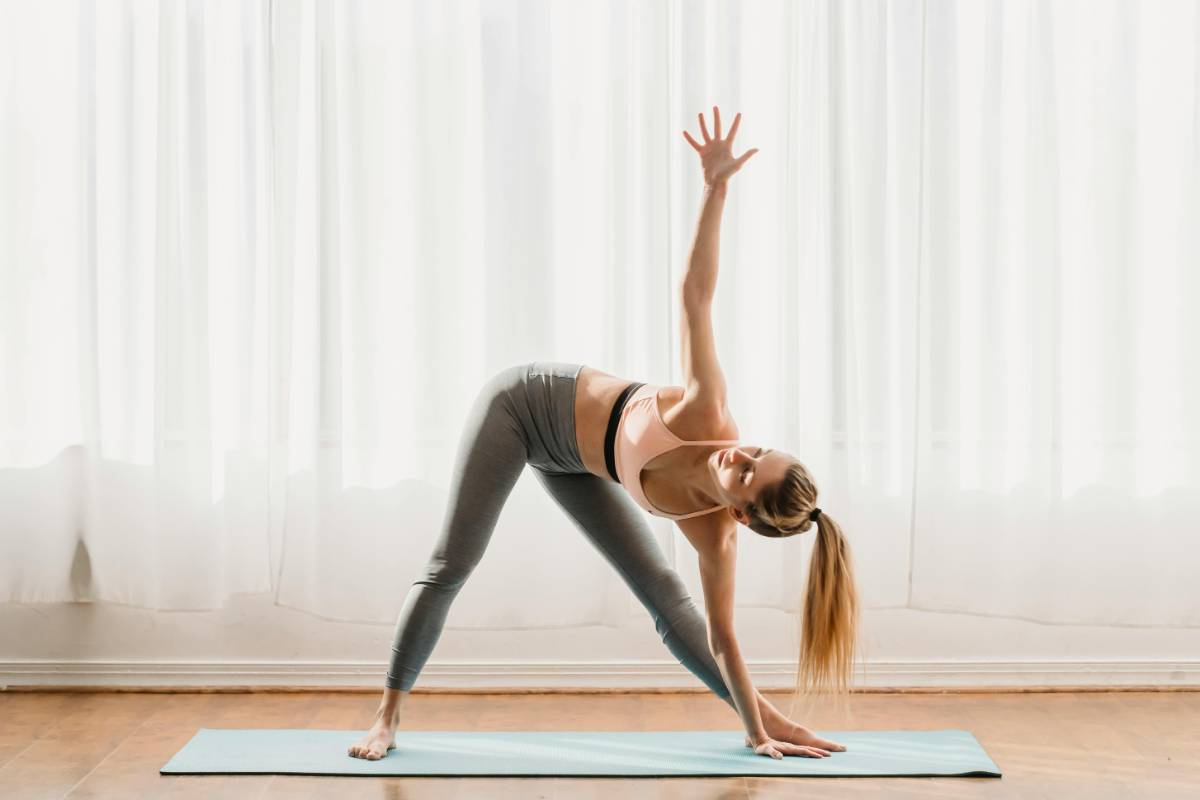
Flexibility: Measure your flexibility by noting how far you can stretch or hold certain poses.
Track Recovery and Energy Levels
How well you recover from workouts and your overall energy levels can also indicate progress:
Recovery Time: Note how quickly you recover after intense workouts and whether your recovery time improves over time.
Energy Levels: Keep track of your energy levels throughout the day and during workouts to see if your fitness regimen positively impacts your overall vitality.
Regularly Review and Adjust
Periodically review your progress to determine if you are on track to meet your goals. Adjust your workout routine, diet, or fitness strategies based on your observations and any challenges you may be facing. Regular reviews help ensure that you continue to make progress and stay motivated.
Celebrate Achievements
Recognize and celebrate your achievements, no matter how small. Acknowledging milestones and improvements can boost motivation and reinforce positive behavior. Reward yourself for reaching fitness goals to maintain enthusiasm and commitment.
Conclusion
Tracking your fitness progress involves setting clear goals, using apps and devices, measuring physical changes, monitoring workouts, and evaluating performance metrics. By keeping detailed records and regularly reviewing your progress, you can stay motivated, make informed adjustments, and achieve your fitness objectives effectively. Remember, consistency and dedication are key to long-term success in fitness.
Trending Around the Web
About the Author
Oliver Davis
Oliver Davis is a passionate health and wellness advocate, with a deep understanding of the challenges modern parents face. With a focus on holistic well-being, Oliver Davis aims to empower mothers and families with practical tips, science-backed advice, and inspiring stories to promote a healthy lifestyle. Whether it's nutrition, fitness, mental health, or parenting, Oliver Davis is committed to making health and wellness approachable and accessible for every SuperMoomy reader.
MORE ARTICLES

5 min read | 14 Apr 2025
Strength Training vs. Cardio: Finding the Right Balance
When it comes to fitness, the debate between strength training and cardio is a common one. Both types of exercise offer unique benefits, and finding the right balance between them can help you achieve optimal health and fitness results. Here’s a comprehensive guide to understanding the differences and how to incorporate both into your routine.

3 min read | 13 Apr 2025
How to Incorporate Stretching into Your Workout Routine
Stretching is a crucial component of any workout routine that enhances flexibility, improves range of motion, and reduces the risk of injury. Incorporating stretching into your exercise regimen can help you achieve better performance and quicker recovery. Here’s how you can effectively include stretching in your workout routine.

5 min read | 12 Apr 2025
Yoga Routines for Flexibility and Stress Relief
Yoga is a powerful practice that enhances flexibility and promotes stress relief through mindful movement and deep breathing. Incorporating specific yoga routines into your daily or weekly regimen can help improve your overall well-being. Here are some effective yoga routines designed to boost flexibility and alleviate stress.

2 min read | 11 Apr 2025
The Best Cardio Workouts to Improve Your Endurance
Cardiovascular exercise, or cardio, is essential for improving endurance, heart health, and overall fitness. Incorporating a variety of cardio workouts into your routine can help enhance your stamina and keep your workouts engaging. Here are some of the best cardio workouts to boost your endurance and get the most out of your exercise routine.
2 min read | 10 Apr 2025
How to Design a Home Workout Routine with Minimal Equipment
Designing an effective home workout routine with minimal equipment can be both practical and rewarding. With the right approach, you can achieve a balanced and efficient workout without the need for a fully equipped gym. This guide will help you create a home workout routine that maximizes your results using limited equipment.

2 min read | 09 Apr 2025
Effective Strength Training Exercises for Building Muscle
Strength training is a cornerstone of any muscle-building program. By targeting different muscle groups with effective exercises, you can enhance muscle growth, increase strength, and improve overall fitness. This guide highlights some of the most effective strength training exercises for building muscle and provides tips for maximizing your results.
RECENT POSTS
1
Daily Personal Care Habits That Boost Your Workout Performance
3 min read | 09 Apr 20252
The Role of Nutrition in Supporting Your Weight Loss Goals
2 min read | 08 Apr 20253
Personal Care Tips to Enhance Your Fitness Routine
3 min read | 07 Apr 20254
How to Combine Healthy Eating and Effective Workouts for Optimal Results
3 min read | 06 Apr 20255
How to Track Your Fitness Progress
4 min read | 05 Apr 20256
Full-Body Workout Routines You Can Do at Home
2 min read | 04 Apr 2025MORE POSTS
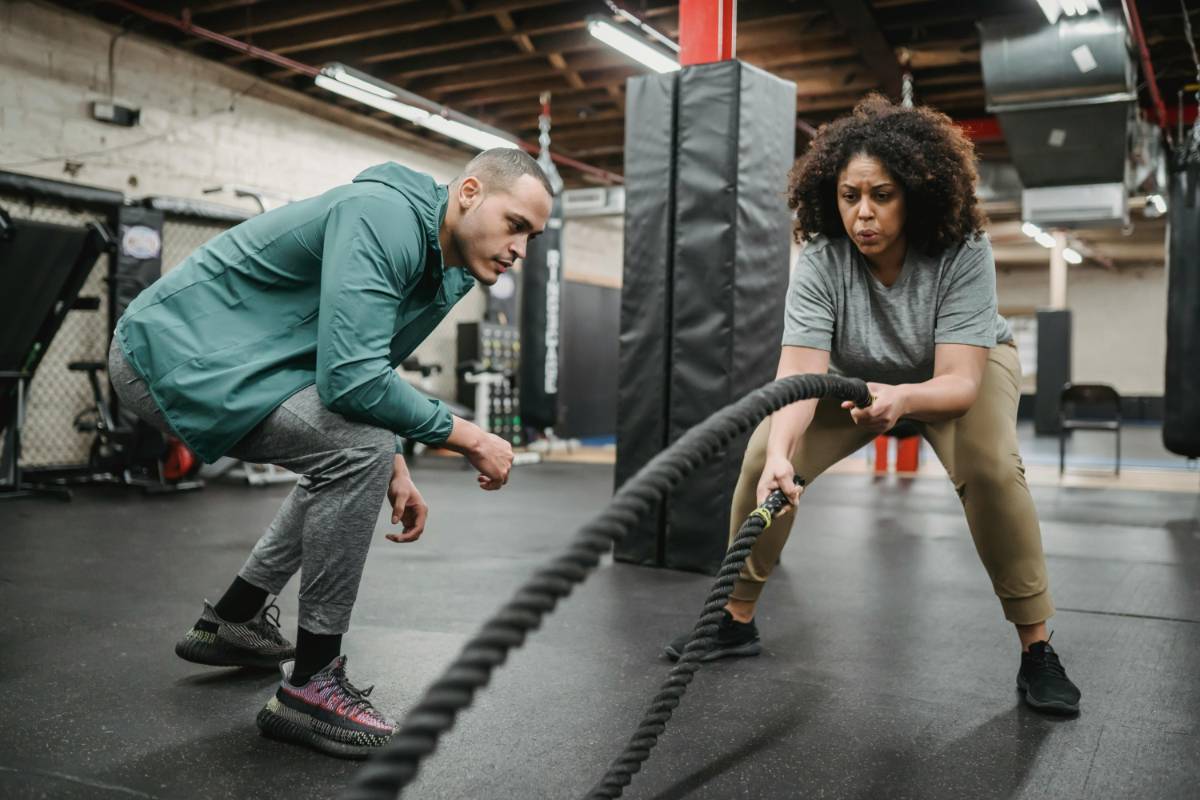
How to Include Functional Training in Your Fitness Regimen
3 min read | 12 Apr 2025
The Benefits of Compound Exercises in Your Workout Routine
2 min read | 11 Apr 2025
Tips for Staying Motivated with Your Workout Routine
5 min read | 10 Apr 2025
How to Adjust Your Workout Routine for Different Fitness Levels
3 min read | 09 Apr 2025
Sample Weekly Workout Routines for Different Fitness Goals
4 min read | 08 Apr 2025