How to Measure Portion Sizes at Home
 By Wilson Baker |
 4 min read
|25 Jan 2025Measuring portion sizes accurately is a crucial step in maintaining a balanced diet and managing calorie intake. Proper portion control helps you enjoy a variety of foods while ensuring you meet your nutritional goals. By measuring portion sizes at home, you can better manage your food intake, avoid overeating, and maintain a healthy lifestyle. This article provides practical tips and techniques for measuring portion sizes effectively at home.

Understanding Portion Sizes
Portion sizes refer to the amount of food served or consumed in a single eating occasion. Understanding and managing portion sizes is essential for controlling calorie intake and ensuring a balanced diet. Here are some key concepts to consider:
Recommended Serving Sizes: Familiarize yourself with recommended serving sizes for different food groups. For example, a standard serving of protein is about 3-4 ounces, while a serving of vegetables is typically 1 cup. Understanding these guidelines helps you gauge appropriate portions.
Nutritional Labels: Nutritional labels on packaged foods provide information on serving sizes and calories per serving. Use these labels to determine portion sizes and make informed choices about the foods you eat.

Visual Cues: Visual cues can help estimate portion sizes when measuring tools are not available. For example, a serving of meat should be roughly the size of a deck of cards, while a serving of pasta should be about the size of a baseball.
Tools for Measuring Portion Sizes
Using the right tools can make measuring portion sizes at home easier and more accurate. Here are some common tools and their uses:
Measuring Cups: Measuring cups are ideal for portioning out liquids and dry ingredients like grains, vegetables, and fruits. They come in various sizes, typically ranging from 1/4 cup to 1 cup. Use measuring cups to ensure accurate portions for recipes and meals.
Measuring Spoons: Measuring spoons are useful for portioning out small quantities of ingredients such as spices, oils, and condiments. They come in various sizes, including 1/4 teaspoon, 1/2 teaspoon, 1 teaspoon, and 1 tablespoon.

Food Scales: A food scale provides precise measurements for both solid and liquid foods. Digital scales are particularly useful for weighing portions of meat, cheese, and other foods where accuracy is important. Use a food scale to measure portions by weight, especially when following specific dietary plans.
Portion-Controlled Containers: Portion-controlled containers are designed to help manage portion sizes and prevent overeating. These containers often have built-in measurement markings or dividers to indicate appropriate portion sizes for different food groups.
Measuring Portion Sizes for Different Food Groups

Different food groups require different approaches to measuring portion sizes. Here’s how to measure portions for various types of foods:
Proteins: For meats, poultry, and fish, a portion size is typically 3-4 ounces, which is about the size of a deck of cards. For plant-based proteins like beans and lentils, a portion is usually 1/2 cup cooked. Use a food scale or measuring cups to ensure accuracy.
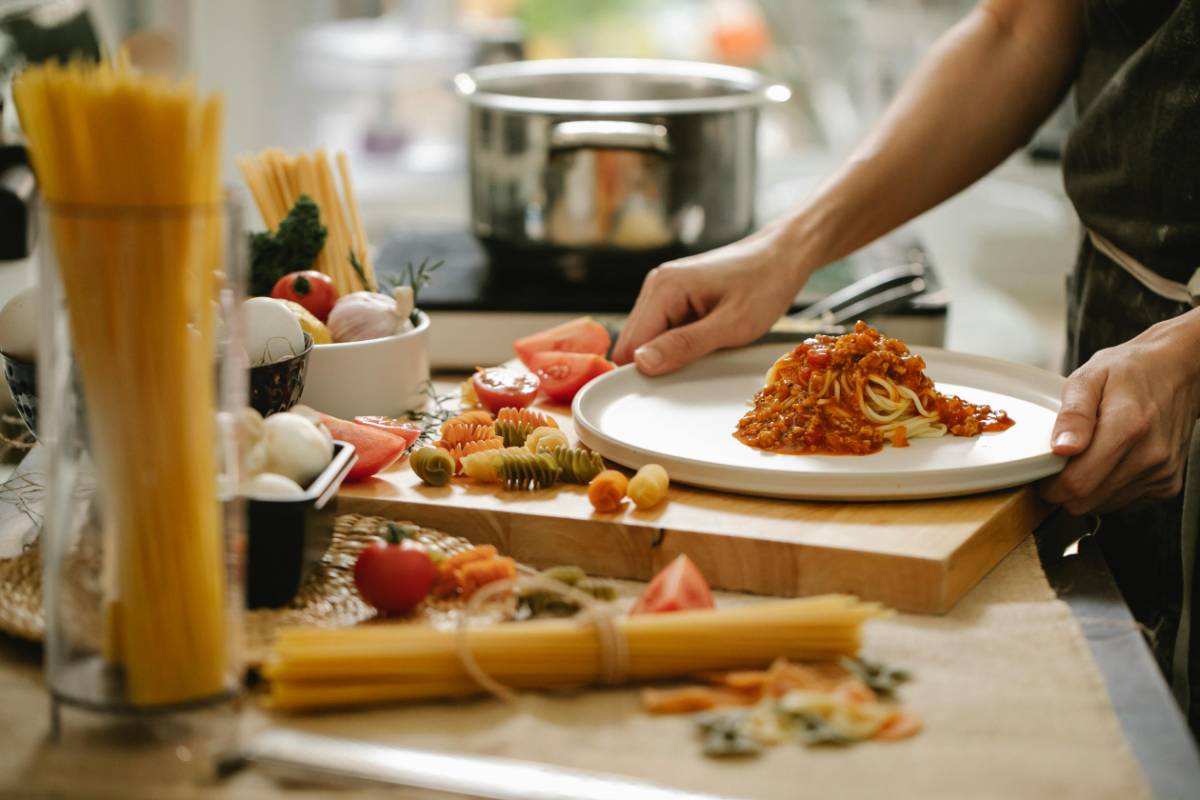
Grains: A standard serving of cooked grains such as rice, quinoa, or pasta is 1/2 cup. Dry grains should be measured before cooking, and the serving size may increase significantly once cooked. Use measuring cups to portion out dry and cooked grains.
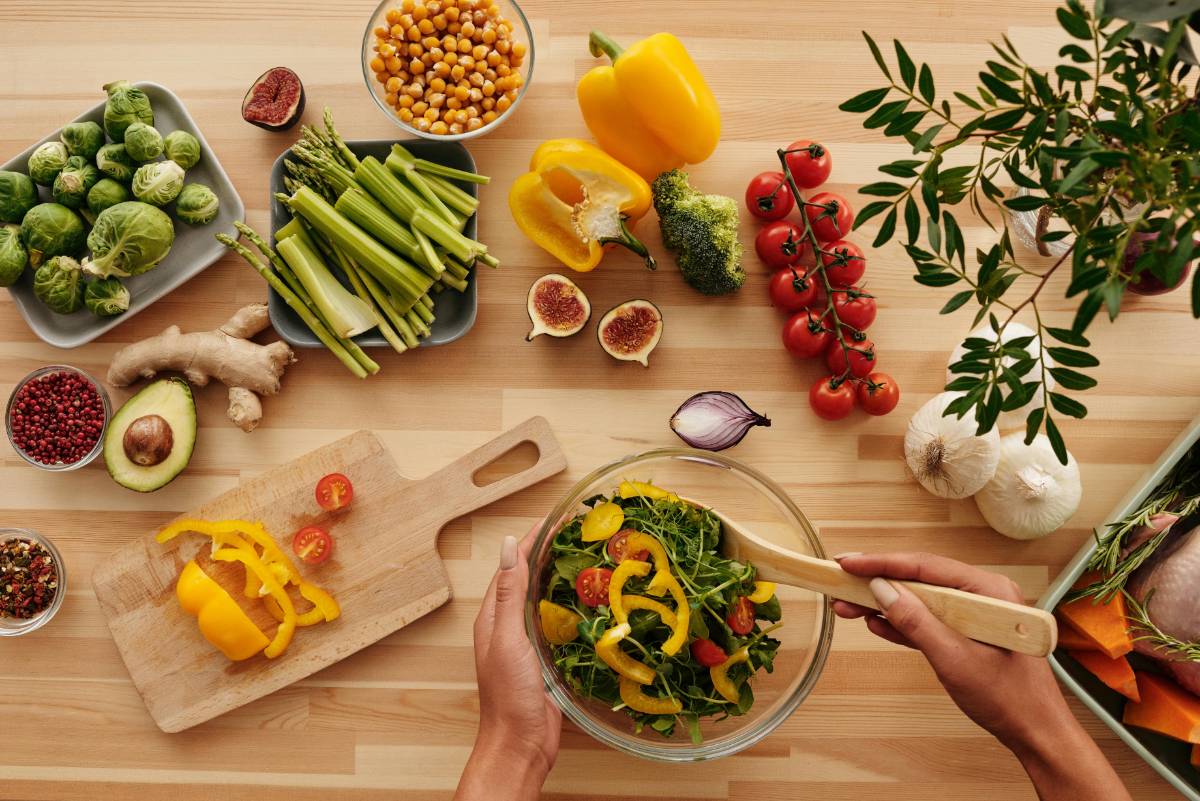
Fruits and Vegetables: A serving of fruits or vegetables is generally 1 cup for raw or cooked vegetables and 1/2 cup for fruits. For leafy greens, a serving is typically 2 cups. Use measuring cups to portion out fruits and vegetables and ensure you meet daily recommendations.
Dairy: A serving of dairy products like milk, yogurt, or cheese is typically 1 cup for milk, 1/2 cup for yogurt, and 1 ounce for cheese. Use measuring cups for liquids and a food scale for cheese to maintain accurate portion sizes.
Tips for Accurate Portion Control
Accurate portion control is essential for managing calorie intake and maintaining a balanced diet. Here are some tips to help you measure portion sizes effectively at home:

Read Nutrition Labels: Check the nutrition labels on packaged foods for serving size information. Use this information to measure portions accurately and avoid consuming excess calories.
Use Portion-Controlled Plates: Portion-controlled plates have visual guides to help you serve appropriate portion sizes for different food groups. These plates can help you balance your meals and control portion sizes more easily.
Practice Mindful Eating: Pay attention to hunger and fullness cues while eating. Serve yourself smaller portions initially and go back for more if needed. Eating mindfully helps you recognize when you’re satisfied and prevents overeating.
Pre-Portion Meals: Prepare and portion out meals in advance to manage portion sizes and control calorie intake. Use portion-controlled containers or meal prep bags to divide meals into appropriate servings.
Be Consistent: Consistency is key to effective portion control. Use measuring tools regularly and practice portion control habits to maintain a balanced diet and support your health goals.
Common Mistakes to Avoid
When measuring portion sizes at home, it’s important to avoid common mistakes that can affect accuracy and portion control. Here are some mistakes to watch out for:
Overestimating Portions: Avoid overestimating portion sizes, especially when serving yourself or cooking meals. Use measuring tools and adhere to recommended serving sizes to manage calorie intake and maintain balance.
Ignoring Nutritional Labels: Neglecting to read nutritional labels can lead to inaccurate portion sizes and overconsumption. Always check labels for serving size information and use it to guide your measurements.
Neglecting Portion Control in Restaurants: Portion sizes in restaurants can be much larger than standard servings. Be mindful of portion sizes when dining out and consider sharing dishes or asking for a to-go box to manage portion control.
Conclusion
Measuring portion sizes at home is a valuable practice for maintaining a balanced diet and managing calorie intake. By using the right tools, understanding portion sizes for different food groups, and applying practical tips, you can effectively control portions and support your health goals. Accurate portion control helps you enjoy a variety of foods while avoiding overeating and supporting overall well-being. Incorporate these practices into your daily routine to achieve better portion management and a healthier lifestyle.
Trending Around the Web
About the Author
Wilson Baker
Wilson Baker is a passionate health and wellness advocate, with a deep understanding of the challenges modern parents face. With a focus on holistic well-being, Wilson Baker aims to empower mothers and families with practical tips, science-backed advice, and inspiring stories to promote a healthy lifestyle. Whether it's nutrition, fitness, mental health, or parenting, Wilson Baker is committed to making health and wellness approachable and accessible for every SuperMoomy reader.
MORE ARTICLES

2 min read | 14 Mar 2025
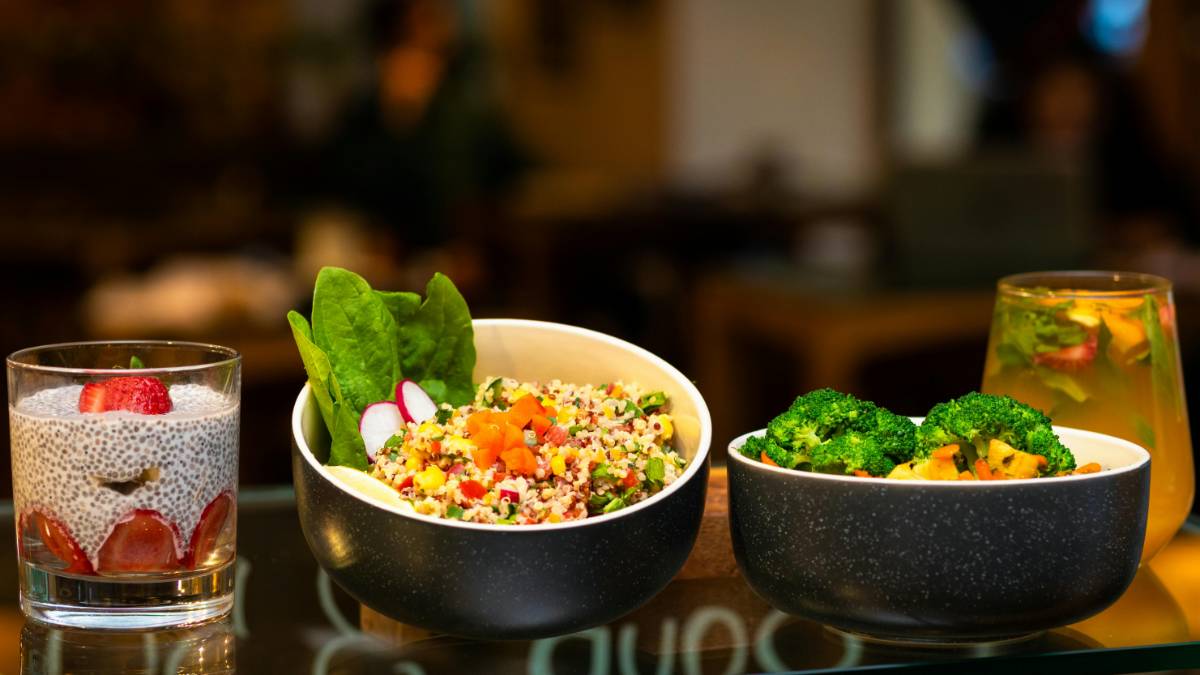
The Role of Hydration in a Healthy Diet
Hydration is a fundamental aspect of maintaining overall health and supporting bodily functions. Water plays a critical role in various physiological processes and is essential for optimal well-being. In this article, we'll explore the importance of hydration, its benefits, and how to ensure you stay properly hydrated.
4 min read | 13 Mar 2025
Healthy Eating on a Budget: Tips and Tricks
Eating healthy doesn't have to break the bank. With a bit of planning and smart shopping, you can maintain a nutritious diet while sticking to a budget. Here are some practical tips and tricks to help you eat well without overspending.
3 min read | 12 Mar 2025
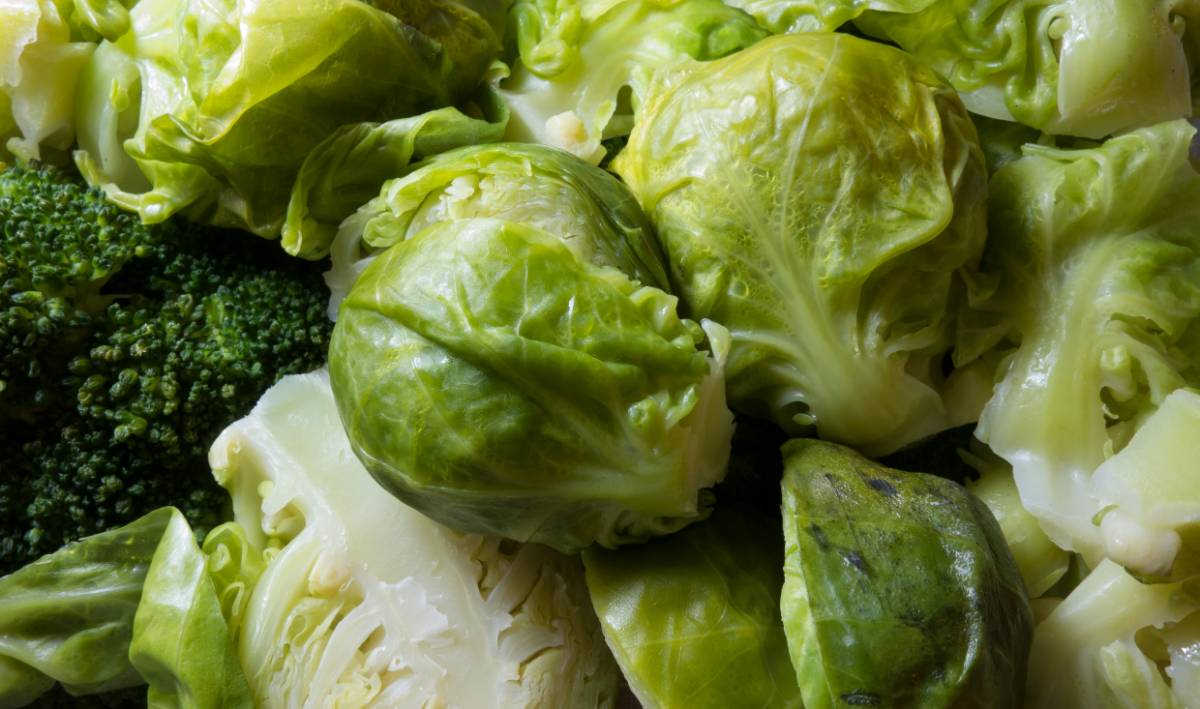
How to Transition to a Plant-Based Diet
Transitioning to a plant-based diet can be a rewarding way to improve your health and reduce your environmental impact. A plant-based diet focuses on consuming whole, plant-derived foods while minimizing or eliminating animal products. If you're considering making this change, here are some steps to help you transition smoothly and sustainably.
3 min read | 11 Mar 2025
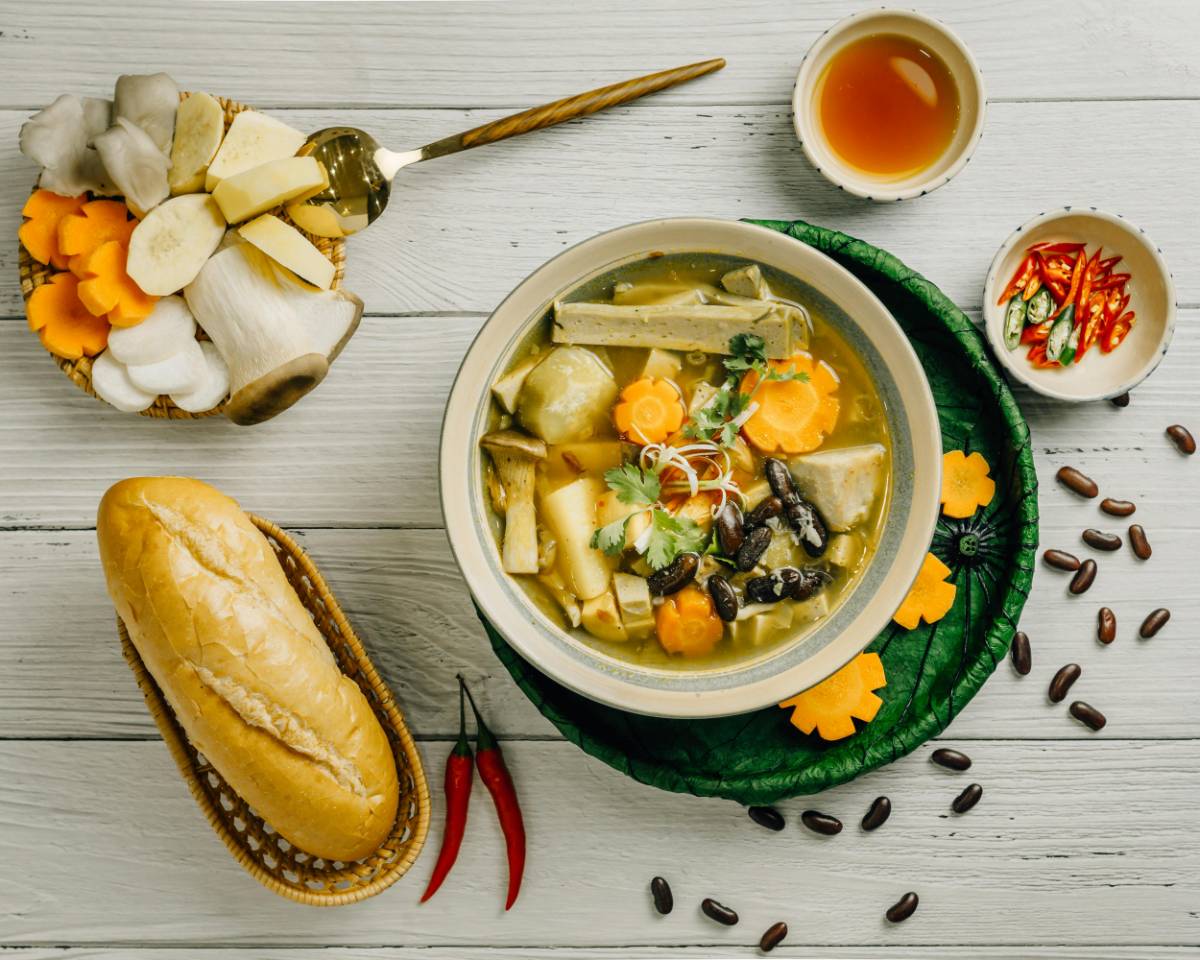
The Importance of Fiber in Your Diet
Fiber is an essential component of a healthy diet that offers a range of benefits for overall well-being. Found in plant-based foods, fiber is crucial for maintaining digestive health, managing weight, and reducing the risk of chronic diseases. In this article, we'll explore the importance of fiber, its various types, and how to incorporate more of it into your diet.
4 min read | 10 Mar 2025
10 Healthy Snacks You Can Make in Under 10 Minutes
Snacking can be a great way to fuel your body between meals, but choosing healthy options is key to maintaining a balanced diet. Quick and nutritious snacks can keep you satisfied and energized throughout the day. Here are ten healthy snacks that you can prepare in under 10 minutes.
2 min read | 09 Mar 2025
Understanding Macronutrients: Carbs, Proteins, and Fats
Macronutrients are the nutrients that your body needs in large amounts to function properly. They include carbohydrates, proteins, and fats, each playing a unique role in your overall health and wellness. Understanding how these macronutrients work can help you make informed dietary choices and achieve your nutritional goals. This article will explore the functions of carbs, proteins, and fats, and how to balance them in your diet.
RECENT POSTS
1
The Benefits and Risks of Herbal Weight Loss Products
3 min read | 14 Mar 20252
Natural Supplements to Support Metabolism
5 min read | 13 Mar 20253
Potential Side Effects of Common Weight Loss Supplements
3 min read | 12 Mar 20254
Are Meal Replacement Shakes Effective for Weight Loss?
4 min read | 11 Mar 20255
The Science Behind Fat-Burning Supplements
4 min read | 10 Mar 20256
How to Choose the Right Multivitamin for Weight Management
4 min read | 09 Mar 2025MORE POSTS
Healthy Eating for Weight Loss: What You Need to Know
4 min read | 10 Apr 2025
The Importance of Balanced Macronutrients in Your Diet
5 min read | 09 Apr 2025
How to Read Food Labels for a Healthier Diet
3 min read | 08 Apr 2025
Simple Ways to Reduce Sugar Intake Without Sacrificing Taste
4 min read | 07 Apr 2025
The Connection Between Healthy Eating and Mental Health
4 min read | 15 Apr 2025