Best Practices for Nail Care at Home
 By Sayan Gosh |
 5 min read
|24 Mar 2025Maintaining healthy nails at home is essential for both aesthetics and overall nail health. Regular nail care helps prevent issues like brittleness, splits, and infections, and can enhance the appearance of your hands. In this article, we’ll explore best practices for nail care that you can easily incorporate into your home routine.

Preparing for Nail Care
Before starting your nail care routine, gather all the necessary tools and products. You’ll need:
Nail Clippers: For trimming your nails to the desired length.
Nail File: To shape and smooth the edges of your nails.

Cuticle Pusher: For gently pushing back cuticles.
Nail Buffer: To smooth and shine the nail surface.
Moisturizer: For hydrating your hands and nails.

Cuticle Oil: To nourish the cuticles and surrounding skin.
Base Coat, Nail Polish, and Top Coat: For a polished finish.

Regular Trimming and Shaping
Keeping your nails trimmed and shaped is crucial for preventing splits and breaks. Use nail clippers to trim your nails to a comfortable length. Avoid cutting them too short, as this can lead to discomfort and potential infection. Use a nail file to smooth out the edges and shape your nails. File in one direction to avoid weakening the nails and causing splits.
Cuticle Care

Healthy cuticles are essential for maintaining strong nails. Gently push back your cuticles using a cuticle pusher or an orange stick. Be careful not to push too hard or cut the cuticles, as this can lead to infections. Apply cuticle oil regularly to keep the cuticles hydrated and prevent them from becoming dry or cracked.
Nail Buffing

Buffing your nails helps to smooth out ridges and create a shiny surface. Use a nail buffer to gently buff the surface of your nails, focusing on any uneven areas. Buffing should be done sparingly to avoid thinning the nails. After buffing, wash your hands and apply a moisturizer to keep your hands and nails hydrated.
Moisturizing and Hydrating
Proper hydration is key to maintaining healthy nails and cuticles. Regularly apply a hand and nail moisturizer to keep your skin and nails well-hydrated. Look for products with ingredients like shea butter, vitamin E, and glycerin. For added hydration, use cuticle oil to nourish the cuticles and prevent dryness.
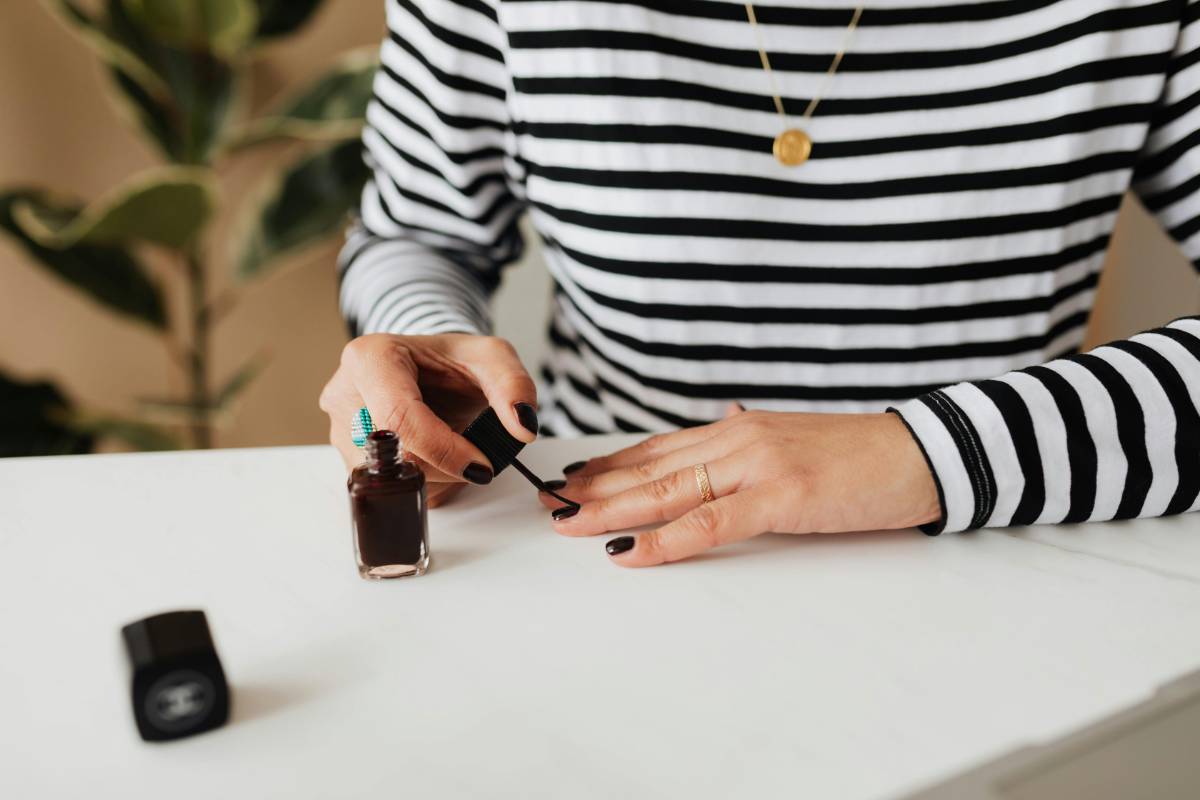
Applying Nail Polish
If you enjoy wearing nail polish, follow these steps for a professional-looking finish:
Start with a Base Coat: Apply a base coat to protect your nails from staining and to help the polish adhere better.
Apply Nail Polish: Apply your chosen nail polish in thin, even coats. Allow each coat to dry before applying the next one to avoid smudging.
Finish with a Top Coat: Apply a top coat to add shine and extend the life of your polish. This helps to prevent chipping and enhances the overall appearance of your nails.
Removing Nail Polish
When removing nail polish, use a gentle nail polish remover that doesn’t contain harsh chemicals like acetone. Soak a cotton pad with the remover and press it onto the nail for a few seconds before wiping away the polish. Avoid scrubbing or peeling the polish off, as this can damage the nail surface.
Preventing Common Nail Problems
To keep your nails healthy and strong, consider these preventive measures:
Avoid Biting Your Nails: Nail biting can lead to infections and damage the nail bed. Use stress-relief techniques or bitter-tasting nail polish to help break the habit.
Protect Your Nails: Wear gloves when doing household chores or using harsh chemicals to protect your nails from damage.
Maintain a Healthy Diet: A balanced diet rich in vitamins and minerals, such as biotin, vitamin E, and zinc, supports nail health. Include foods like nuts, leafy greens, and lean proteins in your diet.
Avoid Using Your Nails as Tools: Using your nails to open cans or scratch surfaces can cause them to become weak and damaged.
Regular Nail Care Routine
Incorporate these nail care practices into your routine to keep your nails in top condition:
Establish a Routine: Set aside time each week for nail care, including trimming, filing, and moisturizing. Consistency is key to maintaining healthy nails.
Monitor Nail Health: Pay attention to any changes in your nails, such as discoloration, texture changes, or pain. If you notice any issues, seek advice from a healthcare professional.
Practice Good Hygiene: Keep your nails clean and dry to prevent fungal infections and other issues.
Best practices for nail care at home involve a combination of regular maintenance, proper hydration, and healthy habits. By following these guidelines, you can achieve strong, beautiful nails and enjoy the benefits of a well-maintained nail care routine. Whether you prefer a natural look or enjoy adding polish, taking care of your nails will contribute to overall hand health and appearance.
Trending Around the Web
About the Author
Sayan Gosh
Sayan Gosh is a passionate health and wellness advocate, with a deep understanding of the challenges modern parents face. With a focus on holistic well-being, Sayan Gosh aims to empower mothers and families with practical tips, science-backed advice, and inspiring stories to promote a healthy lifestyle. Whether it's nutrition, fitness, mental health, or parenting, Sayan Gosh is committed to making health and wellness approachable and accessible for every SuperMoomy reader.
MORE ARTICLES
3 min read | 06 Apr 2025
How to Combine Healthy Eating and Effective Workouts for Optimal Results
Achieving optimal results from your fitness routine involves more than just hitting the gym or following a structured workout plan. Combining healthy eating with effective workouts is essential for maximizing performance, enhancing recovery, and achieving your fitness goals. Here’s how to integrate these two crucial components to get the best results from your efforts.

4 min read | 05 Apr 2025
How to Track Your Fitness Progress
Tracking your fitness progress is essential to understanding your improvements, staying motivated, and adjusting your workout routine as needed. Whether you’re aiming to build strength, lose weight, or improve overall fitness, knowing how to monitor your progress can help you reach your goals more effectively. Here’s how you can track your fitness progress:
2 min read | 04 Apr 2025
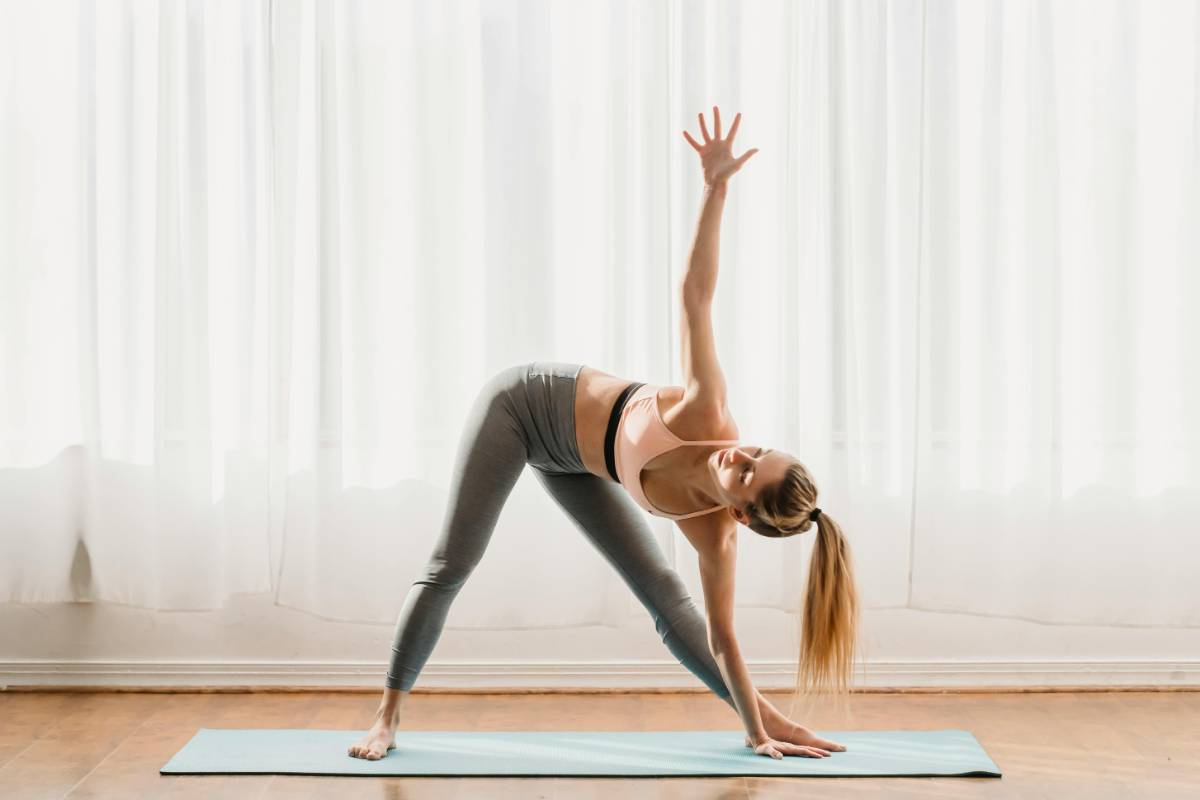
Full-Body Workout Routines You Can Do at Home
Full-body workouts are an effective way to engage multiple muscle groups and achieve a balanced fitness routine without needing a gym. Whether you’re short on time or prefer exercising at home, a well-structured full-body workout can help you build strength, increase endurance, and improve overall fitness. Here’s how to create effective full-body workout routines you can do at home.
2 min read | 03 Apr 2025
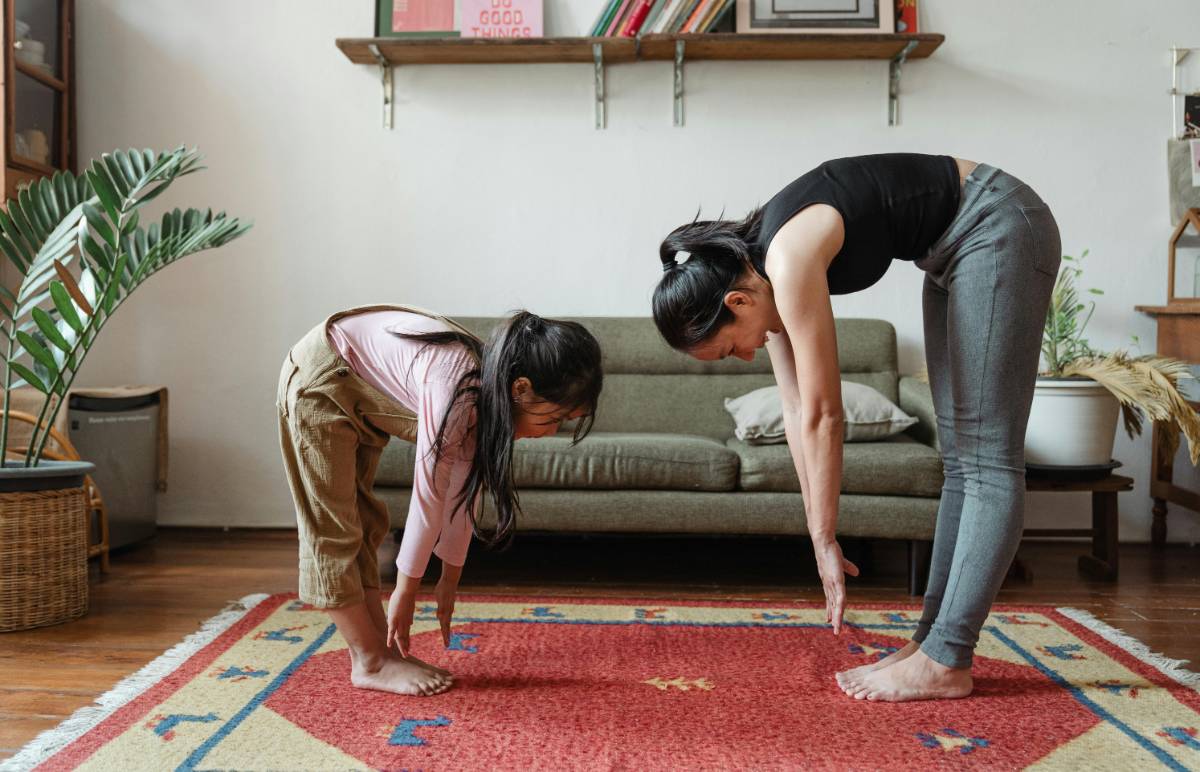
Stretching Routines for Flexibility and Injury Prevention
Incorporating stretching routines into your fitness regimen can greatly enhance flexibility, prevent injuries, and improve overall performance. Whether you’re an athlete or just looking to improve your daily movement, developing a consistent stretching routine is key to maintaining muscle health and mobility. Here’s how to create effective stretching routines for flexibility and injury prevention.

4 min read | 02 Apr 2025
HIIT Workouts for Maximum Fat Burn
High-Intensity Interval Training (HIIT) is an effective workout method for burning fat and improving overall fitness. By combining short bursts of intense exercise with periods of rest or lower-intensity activity, HIIT can help you achieve maximum fat burn in a relatively short amount of time. Here’s how to make the most of HIIT workouts for fat loss.
3 min read | 01 Apr 2025
How to Incorporate Yoga into Your Fitness Routine
Yoga is a versatile practice that can complement various fitness routines by enhancing flexibility, balance, and overall well-being. Incorporating yoga into your fitness routine can help improve your performance in other exercises, reduce the risk of injury, and promote relaxation. Here’s how to seamlessly blend yoga with your existing workouts.
RECENT POSTS
1
Choosing the Right Sunscreen for Your Skin Type
2 min read | 02 Mar 20252
The Benefits of Regular Facials and How to Do Them at Home
3 min read | 01 Mar 20253
Essential Grooming Tips for Men
4 min read | 28 Feb 20254
How to Create a Relaxing Self-Care Routine at Home
5 min read | 27 Feb 20255
The Importance of a Consistent Hair Care Regimen
4 min read | 26 Feb 20256
Daily Skincare Routine for Glowing Skin
4 min read | 25 Feb 2025MORE POSTS

Balancing Your Plate: Portion Control Tips
3 min read | 23 Jan 2025
The Impact of Sugar on Weight Gain and How to Cut Back
4 min read | 22 Jan 2025
Healthy Snack Ideas to Curb Cravings
5 min read | 21 Jan 2025
How to Read Nutrition Labels Effectively
3 min read | 20 Jan 2025
The Benefits of Meal Prepping for Weight Loss
2 min read | 19 Jan 2025