Low-Carb vs. Low-Fat Diets: What Works Best?

 By Lewis Adam |
 5 min read
|18 Jan 2025When it comes to choosing a diet for weight loss or overall health, low-carb and low-fat diets are two of the most popular options. Each approach has its own set of benefits and potential drawbacks. In this article, we will explore the differences between low-carb and low-fat diets, their effectiveness, and which might work best for your goals.

Understanding Low-Carb Diets
A low-carb diet restricts the intake of carbohydrates, which are found in foods like bread, pasta, rice, and sugary items. Instead, these diets emphasize consuming protein and fat. Popular low-carb diets include the ketogenic diet, Atkins diet, and Paleo diet.
The primary principle behind low-carb diets is that by reducing carbohydrate intake, the body will switch from using glucose (derived from carbs) as its primary energy source to using fat. This metabolic state is known as ketosis. As a result, the body burns fat for fuel, which can lead to weight loss.
Benefits of Low-Carb Diets:

Weight Loss: Many people experience significant weight loss on low-carb diets due to reduced calorie intake and increased fat burning.
Improved Blood Sugar Control: Low-carb diets can help regulate blood sugar levels and improve insulin sensitivity, which is beneficial for individuals with type 2 diabetes or prediabetes.
Appetite Control: High-protein and high-fat foods can increase feelings of fullness and reduce overall calorie consumption.

Potential Drawbacks of Low-Carb Diets:
Nutritional Deficiencies: Restricting carbohydrates may limit intake of certain vitamins and minerals found in fruits, vegetables, and whole grains.

Digestive Issues: A lack of fiber from carbohydrates can lead to constipation and other digestive problems.
Sustainability: Some people find low-carb diets difficult to maintain in the long term due to their restrictive nature and social considerations.
Understanding Low-Fat Diets
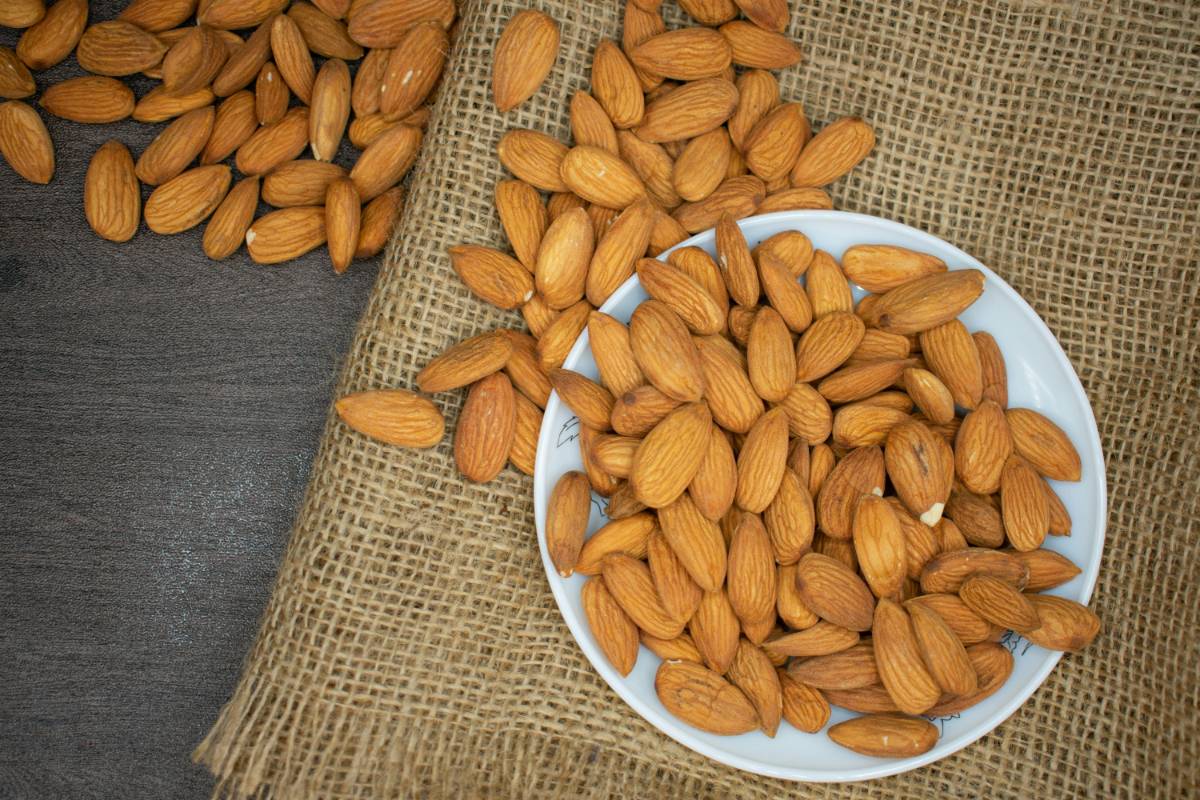
A low-fat diet reduces the intake of fats, particularly saturated and trans fats, while emphasizing carbohydrates and proteins. Foods commonly included in low-fat diets are fruits, vegetables, whole grains, lean meats, and low-fat dairy products.
The rationale behind low-fat diets is that by cutting back on fat consumption, individuals can reduce calorie intake and lower the risk of heart disease. Low-fat diets also often include a higher proportion of complex carbohydrates, which can provide sustained energy and improve overall health.

Benefits of Low-Fat Diets:
Heart Health: Reducing saturated and trans fats can help lower LDL (bad) cholesterol levels and reduce the risk of cardiovascular disease.
Increased Nutrient Intake: Low-fat diets can encourage the consumption of nutrient-dense foods like fruits, vegetables, and whole grains, which provide essential vitamins and minerals.
Digestive Health: High-fiber foods, which are often emphasized in low-fat diets, support healthy digestion and regular bowel movements.
Potential Drawbacks of Low-Fat Diets:

Possible Weight Gain: Some low-fat products may contain added sugars and refined carbohydrates, which can lead to weight gain if consumed in excess.
Reduced Satiety: Lower fat intake may result in less satiety and more frequent hunger, potentially leading to overeating.
Balancing the Diets
Both low-carb and low-fat diets can be effective for weight loss and improving health, but their success largely depends on individual preferences, goals, and adherence. Here are some tips for choosing the right approach for you:
Consider Your Lifestyle: Choose a diet that fits your lifestyle and preferences to improve adherence. If you enjoy carbohydrates and have a high activity level, a low-fat diet might be easier to maintain. Conversely, if you prefer high-protein foods and have a sedentary lifestyle, a low-carb diet may suit you better.
Focus on Nutrient Quality: Regardless of the diet you choose, prioritize nutrient-dense foods. For low-carb diets, include a variety of vegetables, nuts, and seeds. For low-fat diets, focus on whole grains, fruits, and vegetables.
Monitor Your Health: Pay attention to how your body responds to the diet. If you experience adverse effects or lack of progress, consider adjusting your approach or consulting with a healthcare professional.
In conclusion, both low-carb and low-fat diets offer distinct benefits and potential drawbacks. The best approach for you depends on your personal health goals, preferences, and lifestyle. By understanding the principles of each diet and considering your individual needs, you can make an informed decision that supports your overall health and well-being.
Trending Around the Web
About the Author
Lewis Adam
Lewis Adam is a passionate health and wellness advocate, with a deep understanding of the challenges modern parents face. With a focus on holistic well-being, Lewis Adam aims to empower mothers and families with practical tips, science-backed advice, and inspiring stories to promote a healthy lifestyle. Whether it's nutrition, fitness, mental health, or parenting, Lewis Adam is committed to making health and wellness approachable and accessible for every SuperMoomy reader.
MORE ARTICLES

4 min read | 28 Mar 2025
Using Technology to Simplify Meal Planning
Technology has transformed many aspects of our lives, and meal planning is no exception. By leveraging various digital tools and applications, you can streamline your meal planning process, save time, and make healthier choices. Here’s how technology can simplify your meal planning and enhance your culinary experience.

3 min read | 27 Mar 2025
Time-Saving Tips for Efficient Meal Planning
Meal planning can be a game-changer for busy lifestyles, saving time and reducing stress around mealtime. Efficient meal planning involves strategies that streamline the process, making it easier to prepare healthy and delicious meals. Here are some time-saving tips to help you make the most of your meal planning efforts.

3 min read | 26 Mar 2025
How to Adapt Meal Plans for Special Dietary Needs
Adapting meal plans for special dietary needs is crucial for maintaining health and well-being. Whether you have food allergies, follow a specific diet, or manage a medical condition through diet, creating a meal plan that meets your needs can help you stay on track and enjoy a variety of foods. Here’s how to adapt meal plans to accommodate special dietary needs effectively.

2 min read | 25 Mar 2025
Budget-Friendly Meal Planning Tips
Meal planning is a powerful tool for saving money and ensuring that you eat nutritious, home-cooked meals. By planning your meals in advance, you can make strategic choices that help you stay within your budget while reducing food waste. Here are some budget-friendly meal planning tips to help you save money and eat well.

5 min read | 24 Mar 2025
Incorporating Seasonal Produce into Your Meal Plan
Incorporating seasonal produce into your meal plan not only enhances the flavor and nutrition of your dishes but also supports local farmers and reduces your environmental footprint. Seasonal fruits and vegetables are at their peak in terms of taste and nutritional value, making them a fantastic choice for a healthy diet. Here’s how to effectively include seasonal produce in your meal planning.

2 min read | 23 Mar 2025
Tips for Healthy Meal Prep and Batch Cooking
Meal prep and batch cooking are excellent strategies for maintaining a healthy diet, saving time, and reducing stress. By preparing meals in advance and cooking in batches, you can ensure that you always have nutritious options on hand. Here are some tips to help you make the most of your meal prep and batch cooking efforts.
RECENT POSTS
1
10-Minute Workouts for Busy Schedules
3 min read | 29 Mar 20252
How to Create a Balanced Workout Routine
4 min read | 28 Mar 20253
Beginner’s Guide to Strength Training
5 min read | 27 Mar 20254
Mindful Eating: How It Can Help You Lose Weight
3 min read | 26 Mar 20255
How to Overcome Weight Loss Plateaus
2 min read | 25 Mar 20256
The Role of Protein in Weight Loss
2 min read | 24 Mar 2025MORE POSTS

Choosing the Right Exercise Equipment for Your Goals
5 min read | 31 Jan 2025
High-Intensity Interval Training (HIIT) Explained
3 min read | 30 Jan 2025
The Importance of Flexibility and Stretching in Your Fitness Routine
3 min read | 29 Jan 2025
How to Get Started with Cardio Exercises
5 min read | 28 Jan 2025
The Benefits of Strength Training for Weight Loss
4 min read | 27 Jan 2025