Choosing the Right Exercise Equipment for Your Goals
 By Oliver Davis |
 5 min read
|31 Jan 2025Selecting the right exercise equipment is crucial to achieving your fitness goals, whether you’re looking to build strength, improve cardiovascular health, or enhance flexibility. With a wide variety of options available, understanding which equipment aligns with your specific objectives can help you make informed decisions and maximize your workout effectiveness.

Understanding Your Fitness Goals: The first step in choosing the right exercise equipment is to clearly define your fitness goals. Are you aiming to lose weight, build muscle, increase endurance, or improve overall fitness? Each goal requires different types of equipment. For instance, if your primary goal is weight loss, you might focus on cardio machines like treadmills, stationary bikes, or rowing machines. If strength training is your priority, weightlifting equipment like dumbbells, barbells, and resistance bands would be more appropriate.
Cardiovascular Equipment: Cardio machines are ideal for improving heart health, burning calories, and increasing endurance. Some popular options include:
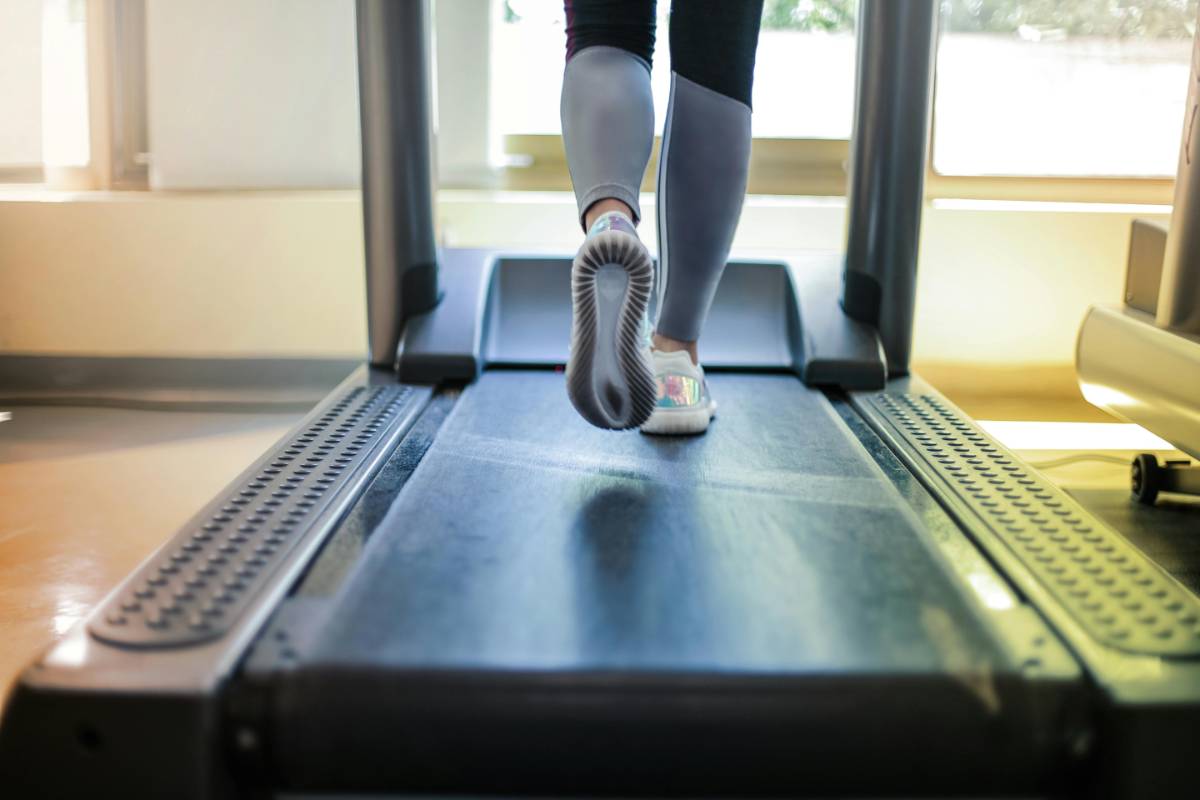
Treadmills: Versatile and widely used, treadmills allow you to walk, jog, or run at varying speeds and inclines. They are perfect for those looking to improve cardiovascular health and burn calories.
Stationary Bikes: These provide a low-impact cardio workout, making them suitable for individuals with joint issues. They help in building leg strength while improving cardiovascular endurance.

Elliptical Machines: Offering a full-body workout, ellipticals are great for those looking to engage multiple muscle groups while minimizing joint stress. They combine the benefits of running and stair climbing without the high impact.
Rowing Machines: Rowers provide a total-body workout, engaging the upper body, core, and lower body simultaneously. They are excellent for improving cardiovascular fitness while also building strength.
Strength Training Equipment: To build muscle and improve strength, consider incorporating the following equipment into your routine:

Dumbbells: Versatile and easy to use, dumbbells allow for a wide range of exercises targeting different muscle groups. They are ideal for both beginners and advanced lifters.
Barbells and Weight Plates: Barbells are essential for compound movements like squats, deadlifts, and bench presses. They help in building overall strength and muscle mass.
Resistance Bands: These are great for strength training, especially for those who prefer a portable and versatile option. Resistance bands come in various levels of resistance, making them suitable for different fitness levels.
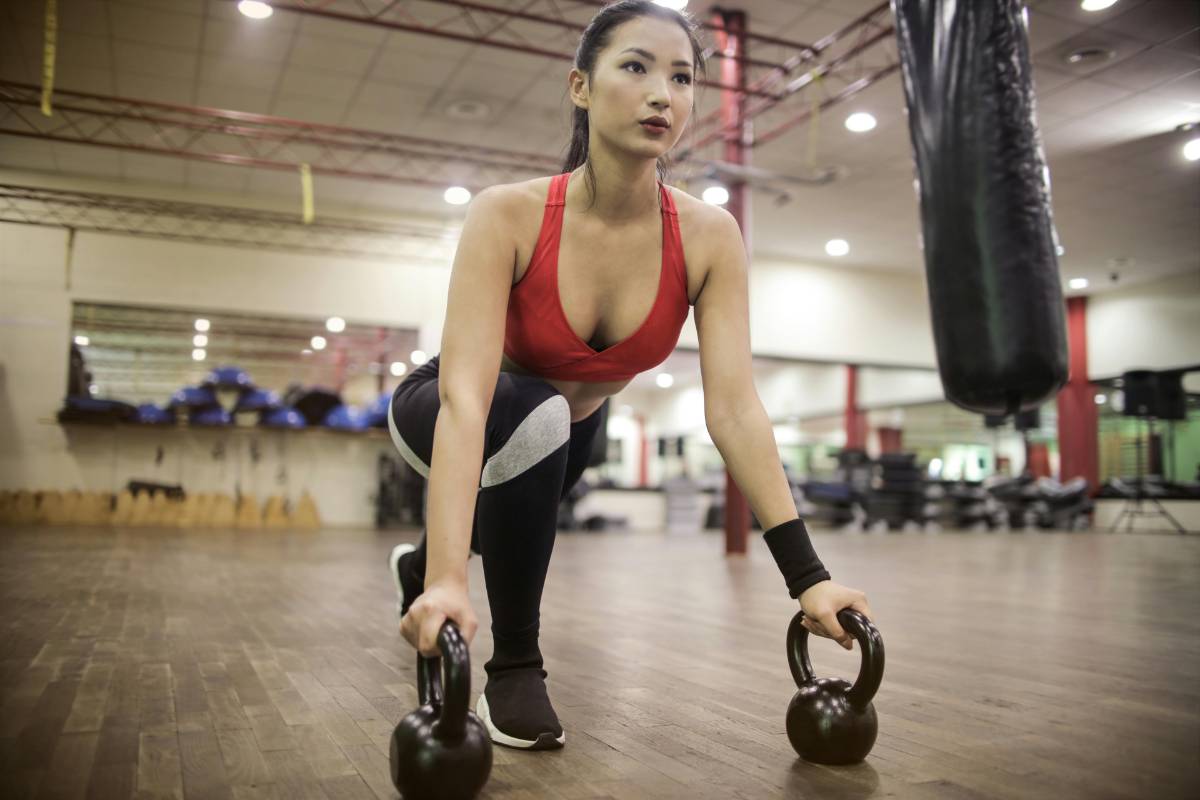
Kettlebells: Kettlebells are excellent for dynamic exercises that improve strength, endurance, and flexibility. They are particularly effective for functional training and full-body workouts.
Flexibility and Balance Equipment: For those focused on improving flexibility, balance, and core strength, consider adding the following to your exercise routine:

Yoga Mats: Essential for any stretching or yoga routine, a good-quality mat provides the necessary support and cushioning for various exercises.
Stability Balls: These are great for enhancing core strength and improving balance. They can be used for a variety of exercises, including ab workouts and stability training.

Foam Rollers: Foam rollers are used for self-myofascial release, helping to alleviate muscle tightness and improve flexibility. They are particularly useful for recovery and injury prevention.
Balance Boards: These are excellent for improving core stability and balance. Balance boards challenge your coordination and can be integrated into strength and cardio workouts.
Choosing the Right Equipment for Your Space: When selecting exercise equipment, it’s important to consider the space you have available. For those with limited space, compact equipment like resistance bands, dumbbells, or a foldable treadmill might be the best choice. If you have a dedicated home gym, larger machines like a power rack or a multi-gym system could be more suitable.
Budget Considerations: Your budget will also play a significant role in determining the type of equipment you can purchase. There are quality options available at every price point, from basic resistance bands and dumbbells to more advanced machines like treadmills and ellipticals. It’s essential to invest in equipment that is durable and suits your needs, rather than opting for the cheapest option available.
Combining Different Types of Equipment: For a well-rounded fitness routine, it’s beneficial to combine different types of equipment that address various aspects of fitness. For example, you might use a treadmill for cardio, dumbbells for strength training, and a yoga mat for flexibility exercises. This approach ensures that you are working on all areas of fitness, leading to better overall health and performance.

Final Thoughts: Choosing the right exercise equipment requires careful consideration of your fitness goals, available space, and budget. By selecting equipment that aligns with your objectives, you can create an effective and enjoyable workout routine that helps you achieve your fitness goals. Whether you’re building a home gym or adding to your existing setup, the right equipment can make all the difference in your fitness journey.
Trending Around the Web
About the Author
Oliver Davis
Oliver Davis is a passionate health and wellness advocate, with a deep understanding of the challenges modern parents face. With a focus on holistic well-being, Oliver Davis aims to empower mothers and families with practical tips, science-backed advice, and inspiring stories to promote a healthy lifestyle. Whether it's nutrition, fitness, mental health, or parenting, Oliver Davis is committed to making health and wellness approachable and accessible for every SuperMoomy reader.
MORE ARTICLES
4 min read | 05 Apr 2025
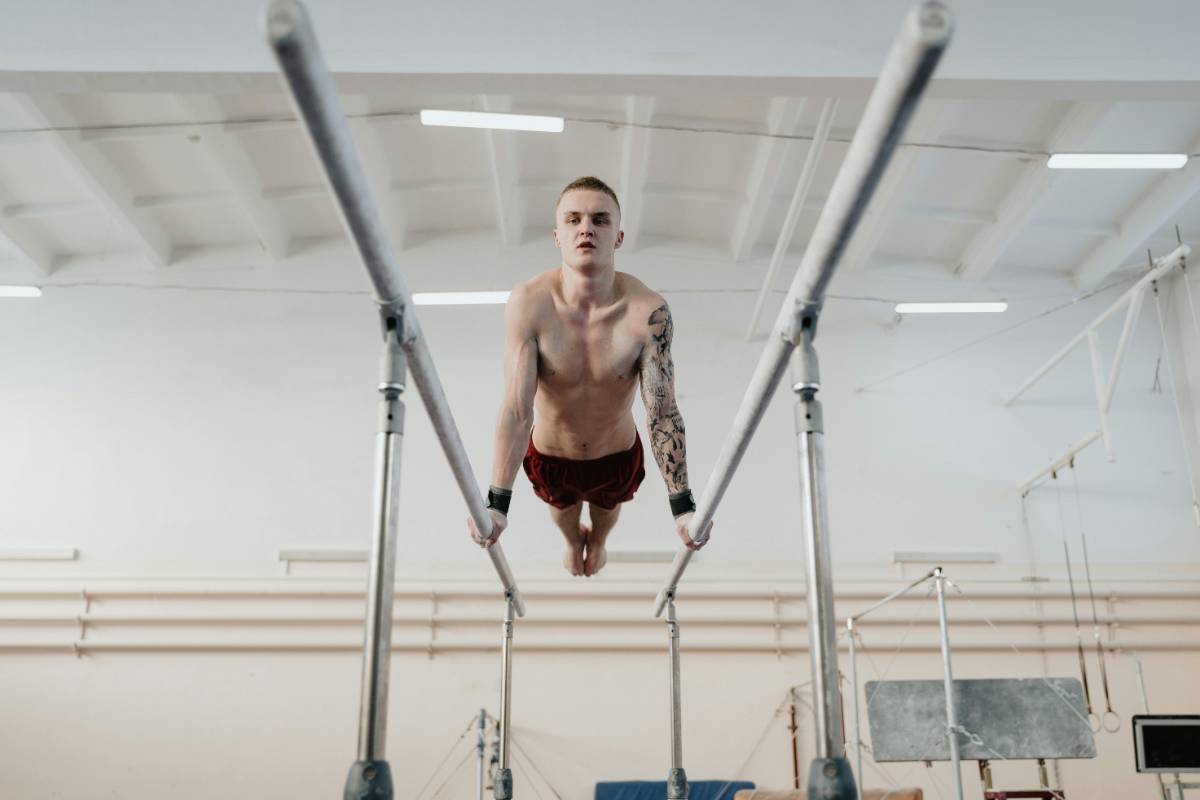
Combining Endurance Training with Strength Workouts for Balanced Fitness
Integrating endurance training with strength workouts can lead to a well-rounded fitness routine that enhances overall health, performance, and physical capability. This approach offers the benefits of both cardiovascular and muscular fitness, providing a balanced regimen that supports improved endurance, strength, and functional fitness. This article explores how to effectively combine endurance training with strength workouts, including tips, sample routines, and the benefits of a balanced fitness approach.
5 min read | 04 Apr 2025
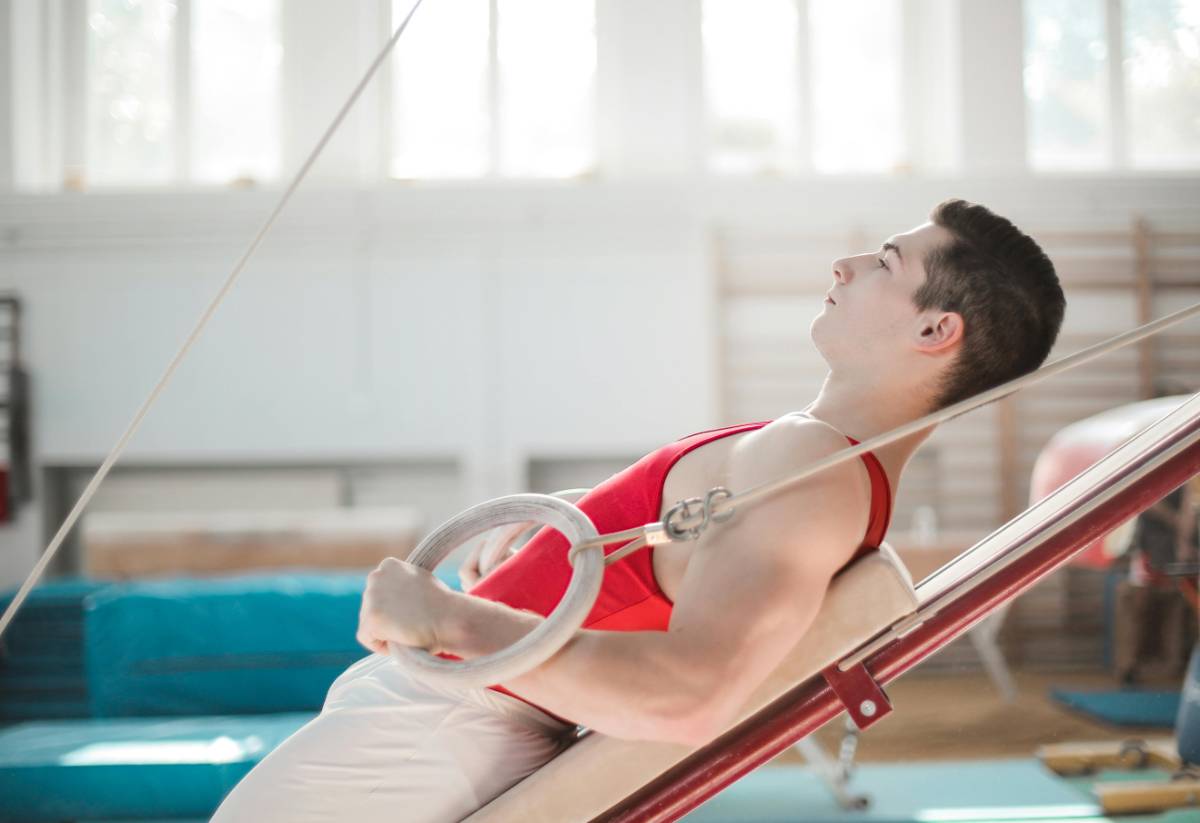
The Role of Nutrition in Endurance Training
Nutrition plays a crucial role in endurance training, significantly affecting performance, recovery, and overall health. Proper nutrition ensures that your body has the energy and nutrients needed to sustain long workouts and recover effectively. This article explores the essential nutritional strategies for endurance training, including macronutrient balance, hydration, and timing.
5 min read | 03 Apr 2025
Endurance Workouts for Beginners
Starting an endurance workout routine can be a rewarding experience, offering improvements in cardiovascular health, stamina, and overall fitness. For beginners, it's important to ease into endurance training with workouts that are manageable and effective. This article provides a guide to endurance workouts for beginners, including tips for getting started, sample workouts, and advice for building endurance gradually.
3 min read | 02 Apr 2025
How to Prevent Overtraining in Endurance Routines
Overtraining can occur when athletes push their bodies beyond their limits without allowing adequate time for recovery. It can lead to decreased performance, increased risk of injury, and overall fatigue. Preventing overtraining is crucial for maintaining long-term endurance and achieving your fitness goals. This article explores strategies to prevent overtraining in endurance routines and helps ensure a balanced and effective training approach.

3 min read | 01 Apr 2025
Tracking Progress in Endurance Training
Tracking progress is a crucial aspect of endurance training. It helps athletes monitor improvements, set goals, and stay motivated. By systematically recording and analyzing your performance, you can make informed adjustments to your training plan and achieve better results. This article explores effective methods for tracking progress in endurance training and provides practical tips for optimizing your training outcomes.
5 min read | 31 Mar 2025
The Benefits of Cross-Training for Endurance Athletes
Cross-training involves incorporating a variety of exercise disciplines into your training routine. For endurance athletes, cross-training offers numerous benefits that enhance overall performance and reduce the risk of injury. This article explores the key advantages of cross-training for endurance athletes and provides practical tips for integrating it into your training regimen.
RECENT POSTS
1
Tips for Fresh Breath Throughout the Day
4 min read | 13 Feb 20252
How to Prevent Gum Disease
5 min read | 12 Feb 20253
The Impact of Diet on Oral Health
5 min read | 11 Feb 20254
Natural Remedies for Teeth Whitening
5 min read | 10 Feb 20255
How to Choose the Right Toothpaste for Your Needs
4 min read | 09 Feb 20256
The Importance of Flossing Daily
4 min read | 08 Feb 2025MORE POSTS

How to Stay Motivated on Your Weight Loss Journey
2 min read | 19 Mar 2025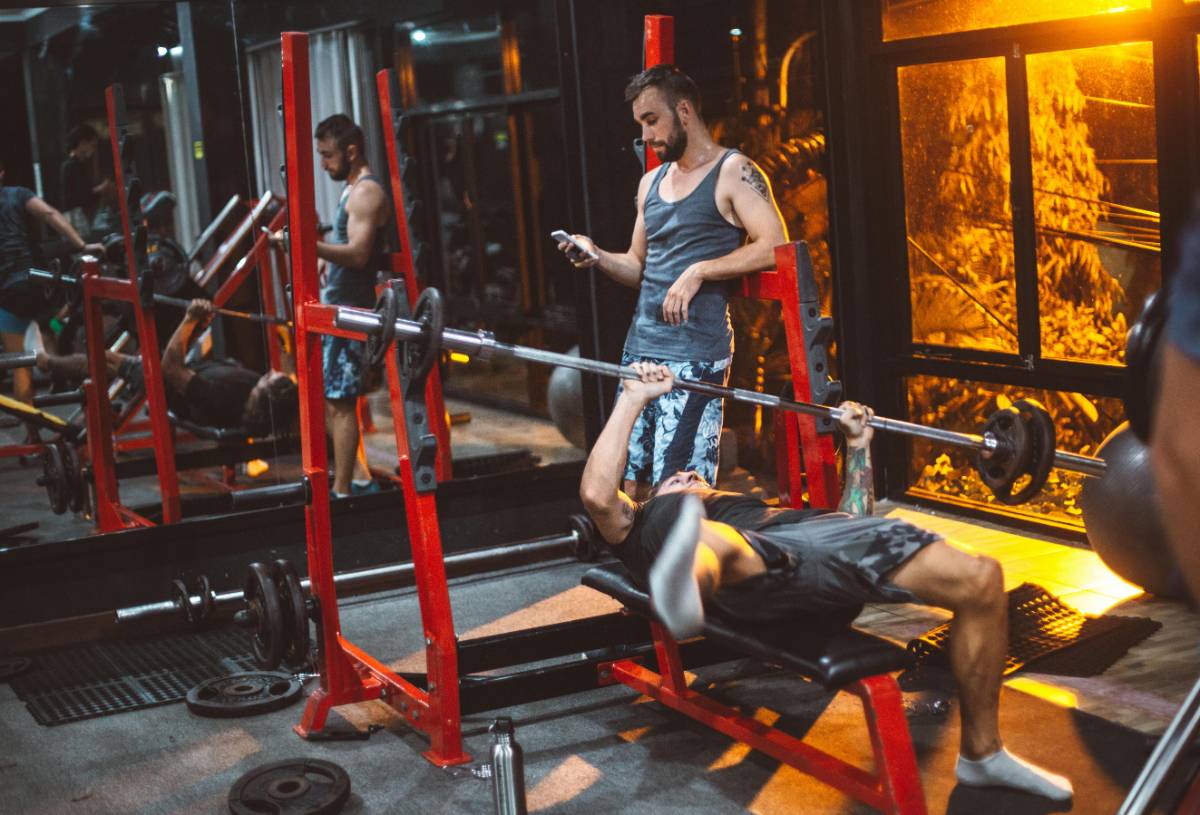
The Role of Exercise in Weight Loss: What You Need to Know
2 min read | 18 Mar 2025
Top 10 Simple Tips for Sustainable Weight Loss
4 min read | 17 Mar 2025
Understanding Portion Control: Tips for Eating in Moderation
4 min read | 16 Mar 2025
How to Incorporate More Fruits and Vegetables into Your Meals
4 min read | 15 Mar 2025