Understanding Portion Control: Tips for Eating in Moderation
 By Sayan Gosh |
 4 min read
|16 Mar 2025Portion control is a key aspect of maintaining a balanced diet and achieving your nutritional goals. By managing portion sizes, you can enjoy a variety of foods while avoiding overeating. Here are some practical tips for understanding and implementing portion control to help you eat in moderation.

Use Smaller Plates and Bowls
One simple strategy for portion control is to use smaller dishes. A smaller plate or bowl can make your portion sizes appear larger, which can help you feel satisfied with less food. This visual trick can assist in reducing overall calorie intake without feeling deprived.
Learn Serving Sizes
Familiarize yourself with standard serving sizes for different food groups. Knowing what constitutes a serving can help you make better choices and avoid overeating. For example, a serving of meat is typically 3 ounces, about the size of a deck of cards, while a serving of vegetables is generally 1 cup raw or 1/2 cup cooked.

Practice Mindful Eating
Mindful eating involves paying full attention to the experience of eating, including the taste, texture, and satisfaction of your food. Eat slowly, savor each bite, and listen to your body's hunger and fullness cues. This approach can help you recognize when you're satisfied and prevent overeating.
Measure Your Food

Measuring your food can provide a clear understanding of portion sizes and help you stay within recommended guidelines. Use measuring cups, spoons, or a kitchen scale to portion out your meals and snacks. Over time, you may develop a better sense of portion sizes without the need for constant measuring.
Read Nutrition Labels

Nutrition labels provide valuable information about portion sizes and the number of servings per package. Check the serving size on the label to ensure you're not consuming more than you intend. Be mindful of calorie content, as well as other nutrients like sodium and sugar, to make healthier choices.
Avoid Eating from the Package
Eating directly from the package can lead to mindless snacking and larger portions. Instead, portion out a serving of snacks into a separate bowl or plate. This can help you keep track of how much you're consuming and prevent overeating.

Balance Your Plate
Aim to balance your plate with a variety of food groups. Fill half of your plate with vegetables, one-quarter with lean proteins, and one-quarter with whole grains. This balanced approach ensures you get a range of nutrients while keeping portion sizes in check.
Be Aware of Restaurant Portions
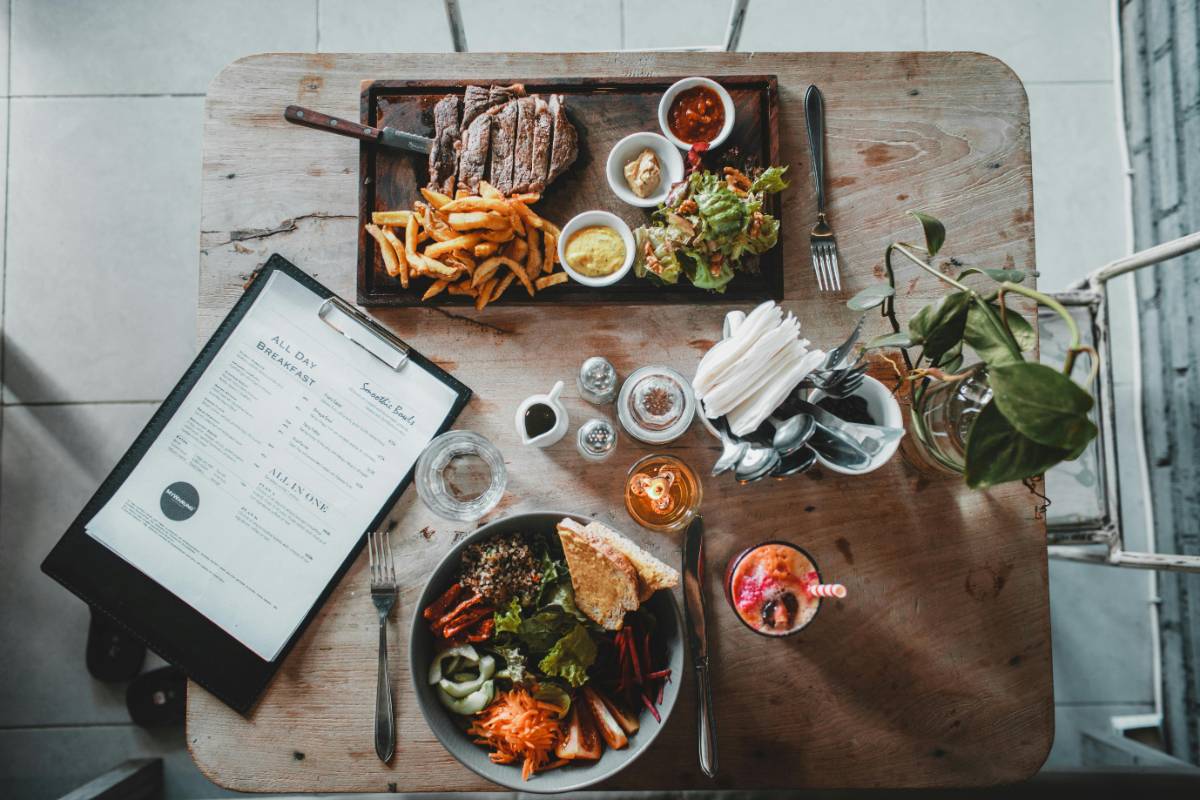
Restaurant portions are often larger than standard serving sizes. Consider sharing a dish with someone, ordering a smaller portion, or requesting a to-go box to save part of your meal for later. Many restaurants also offer healthier menu options that can help with portion control.
Stay Hydrated
Sometimes thirst can be mistaken for hunger. Ensure you're drinking enough water throughout the day to stay hydrated and help manage your appetite. Drinking a glass of water before a meal can also help you feel fuller and reduce the likelihood of overeating.
Conclusion

Understanding and practicing portion control is essential for eating in moderation and maintaining a healthy diet. By using smaller plates, learning serving sizes, and practicing mindful eating, you can enjoy your meals while managing portion sizes effectively. Incorporate these tips into your daily routine to support your nutritional goals and promote overall well-being.
Trending Around the Web
About the Author
Sayan Gosh
Sayan Gosh is a passionate health and wellness advocate, with a deep understanding of the challenges modern parents face. With a focus on holistic well-being, Sayan Gosh aims to empower mothers and families with practical tips, science-backed advice, and inspiring stories to promote a healthy lifestyle. Whether it's nutrition, fitness, mental health, or parenting, Sayan Gosh is committed to making health and wellness approachable and accessible for every SuperMoomy reader.
MORE ARTICLES

3 min read | 09 Apr 2025
How to Adjust Your Workout Routine for Different Fitness Levels
Adjusting your workout routine to match your fitness level is crucial for achieving optimal results and preventing injury. Whether you are a beginner, intermediate, or advanced exerciser, tailoring your routine to your specific needs can help you progress safely and effectively. Here’s how to adjust your workout routine for different fitness levels.

4 min read | 08 Apr 2025
Sample Weekly Workout Routines for Different Fitness Goals
Creating a workout routine tailored to your fitness goals is essential for achieving success. Whether your aim is to build muscle, lose weight, or improve overall fitness, having a structured plan can help you stay focused and motivated. Here are sample weekly workout routines for various fitness goals to guide you in designing your personalized plan.

2 min read | 07 Apr 2025
The Importance of Rest and Recovery in Your Workout Routine
Rest and recovery are essential components of any effective workout routine. They play a crucial role in helping your body repair, rebuild, and strengthen itself after exercise. Understanding the importance of rest and incorporating it into your routine can enhance your overall performance and prevent injury. Here’s why rest and recovery are vital and how to integrate them into your workout plan.
5 min read | 15 Apr 2025
Creating a Workout Routine for Weight Loss and Toning
Designing a workout routine for weight loss and toning involves a strategic approach that combines cardiovascular exercise, strength training, and flexibility work. The goal is to create a balanced program that not only helps you shed pounds but also sculpts and tones your body. Here’s how to build an effective workout routine to achieve these objectives.

5 min read | 14 Apr 2025
Strength Training vs. Cardio: Finding the Right Balance
When it comes to fitness, the debate between strength training and cardio is a common one. Both types of exercise offer unique benefits, and finding the right balance between them can help you achieve optimal health and fitness results. Here’s a comprehensive guide to understanding the differences and how to incorporate both into your routine.

3 min read | 13 Apr 2025
How to Incorporate Stretching into Your Workout Routine
Stretching is a crucial component of any workout routine that enhances flexibility, improves range of motion, and reduces the risk of injury. Incorporating stretching into your exercise regimen can help you achieve better performance and quicker recovery. Here’s how you can effectively include stretching in your workout routine.
RECENT POSTS
1
How to Measure Progress in Balance Training
4 min read | 25 Mar 20252
Top Exercises to Improve Core and Balance
4 min read | 24 Mar 20253
Incorporating Balance Exercises into Strength Workouts
3 min read | 23 Mar 20254
Balance Training for Older Adults
4 min read | 22 Mar 20255
Creating a Stability Routine for Enhanced Performance
2 min read | 21 Mar 20256
The Role of Balance Training in Injury Prevention
5 min read | 20 Mar 2025MORE POSTS
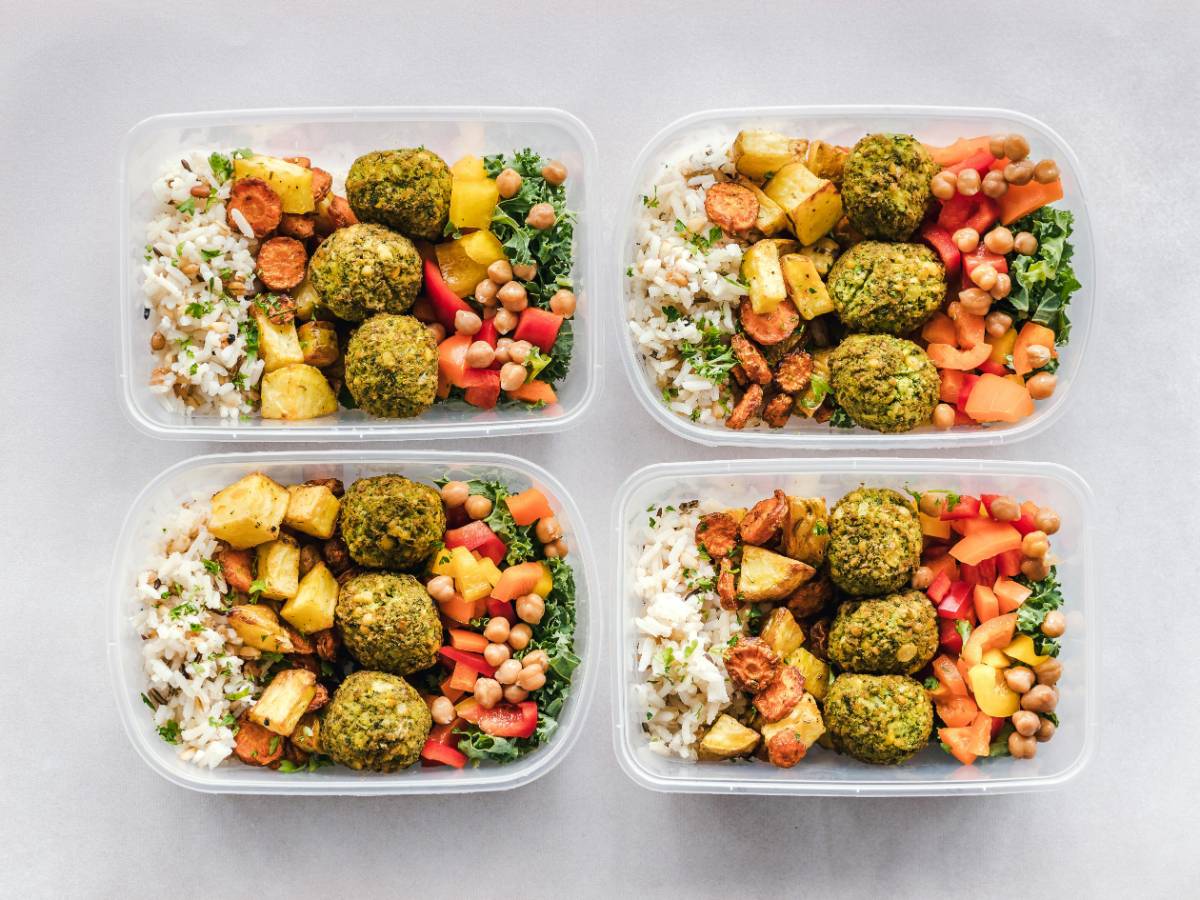
How to Incorporate Healthy Foods into Your Pre- and Post-Workout Meals
5 min read | 13 Apr 2025
The Best Skincare Practices for Active Individuals
3 min read | 12 Apr 2025
Top 10 Healthy Eating Habits for Weight Loss and Fitness
3 min read | 11 Apr 2025
How to Develop a Balanced Diet to Complement Your Exercise Routine
4 min read | 10 Apr 2025
Daily Personal Care Habits That Boost Your Workout Performance
3 min read | 09 Apr 2025