Dynamic vs. Static Stretching: What You Need to Know

 By Christin Hume |
 5 min read
|07 Feb 2025Stretching is a crucial component of any fitness routine, but choosing the right type of stretching can make a significant difference in your performance and recovery. Two common types of stretching are dynamic and static stretching. Understanding the differences between these two methods and their respective benefits can help you incorporate them effectively into your exercise routine. In this article, we’ll explore dynamic and static stretching, their benefits, and when to use each type.

Dynamic Stretching
Dynamic stretching involves moving parts of your body through their full range of motion in a controlled and deliberate manner. This type of stretching is typically used as part of a warm-up routine before engaging in physical activity. Here’s what you need to know about dynamic stretching:
Purpose:
The primary purpose of dynamic stretching is to prepare your muscles and joints for exercise. It helps increase blood flow, improve flexibility, and activate the muscles you'll be using during your workout.

Examples:
Dynamic stretches include movements like leg swings, arm circles, high knees, and walking lunges. These stretches mimic the motions of your workout, gradually increasing your heart rate and warming up your muscles.
Benefits:

Dynamic stretching can enhance performance by increasing range of motion and muscle activation. It also helps improve coordination and reduces the risk of injury by preparing your body for the demands of physical activity.
Static Stretching
Static stretching involves holding a stretch in a fixed position for a period of time, typically between 15 to 60 seconds. This type of stretching is usually performed after exercise as part of a cool-down routine. Here’s what you need to know about static stretching:
Purpose:
The main goal of static stretching is to improve flexibility and promote muscle relaxation. It helps lengthen muscles and tendons, which can improve overall flexibility and reduce muscle tension.
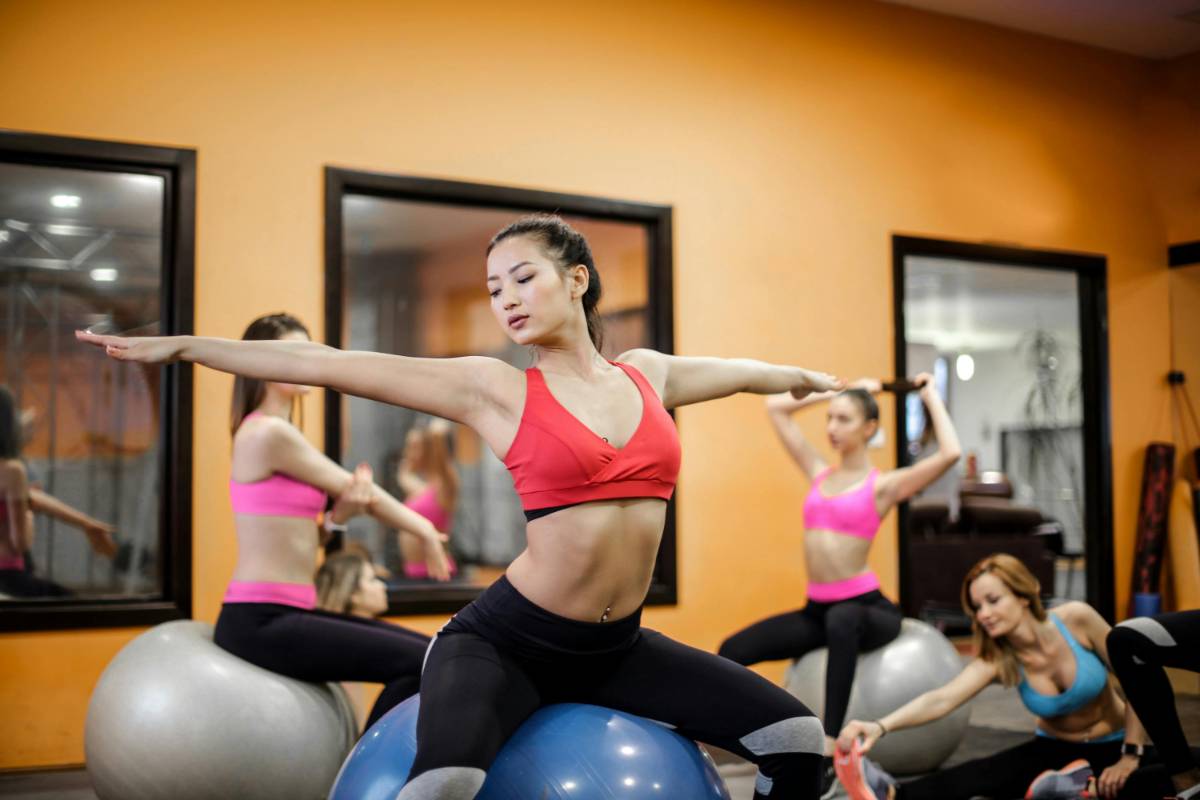
Examples:
Static stretches include movements such as touching your toes, holding a quadriceps stretch, and seated hamstring stretches. These stretches are held in a stationary position, allowing the muscles to lengthen and relax.

Benefits:
Static stretching helps increase flexibility, improve posture, and reduce muscle soreness. It’s beneficial for cooling down after exercise and can aid in muscle recovery by promoting blood flow and reducing stiffness.
When to Use Each Type
Understanding when to use dynamic and static stretching can help you maximize their benefits:
Dynamic Stretching:

Incorporate dynamic stretching into your warm-up routine before engaging in physical activity. This will help prepare your muscles and joints for the upcoming exercise, enhance performance, and reduce the risk of injury.
Static Stretching:
Perform static stretching as part of your cool-down routine after exercise. This will help improve flexibility, promote muscle relaxation, and reduce post-workout soreness. Static stretching is best done when your muscles are warm and more pliable.
Combining Both Types
For a well-rounded stretching routine, consider incorporating both dynamic and static stretching. Use dynamic stretching to prepare your body for exercise and static stretching to improve flexibility and aid in recovery. Combining both types can enhance overall performance and help maintain flexibility over time.
Tips for Effective Stretching
To get the most out of your stretching routine, follow these tips:
Warm Up First:
Always start with a general warm-up before performing dynamic stretches. This can include light cardio or easy movements to get your blood flowing.
Focus on Form:
Ensure proper form during both dynamic and static stretches. Avoid bouncing or overstretching, which can lead to injury. Move through stretches slowly and deliberately.
Listen to Your Body:
Pay attention to how your body responds to stretching. Stretch to the point of mild discomfort but not pain. If you experience sharp pain or discomfort, stop and adjust your stretch.
Be Consistent:
Incorporate stretching into your regular fitness routine. Consistent stretching can help maintain and improve flexibility over time, contributing to overall fitness and well-being.
Final Thoughts
Both dynamic and static stretching play important roles in a balanced fitness routine. Dynamic stretching prepares your body for exercise, while static stretching aids in recovery and flexibility. By understanding the benefits of each type and using them appropriately, you can enhance your performance, reduce the risk of injury, and improve overall flexibility. Incorporate both types of stretching into your routine to achieve optimal results and support your fitness goals.
Trending Around the Web
About the Author
Christin Hume
Christin Hume is a passionate health and wellness advocate, with a deep understanding of the challenges modern parents face. With a focus on holistic well-being, Christin Hume aims to empower mothers and families with practical tips, science-backed advice, and inspiring stories to promote a healthy lifestyle. Whether it's nutrition, fitness, mental health, or parenting, Christin Hume is committed to making health and wellness approachable and accessible for every SuperMoomy reader.
MORE ARTICLES

3 min read | 06 Feb 2025
How Stress Impacts Your Weight and What You Can Do About It
Stress is a common part of life, but it can have a significant impact on your weight and overall health. Whether it’s due to work, personal relationships, or other factors, chronic stress can lead to weight gain or make it more challenging to lose weight. Understanding how stress affects your body and finding effective ways to manage it can help you maintain a healthy weight and improve your well-being.

3 min read | 05 Feb 2025
The Link Between Sleep and Weight Loss
The connection between sleep and weight loss is often overlooked, but it plays a crucial role in achieving and maintaining a healthy weight. Adequate sleep not only helps regulate your metabolism but also influences your appetite, energy levels, and overall well-being. Understanding the link between sleep and weight loss can help you make informed decisions about your health and fitness routine.
3 min read | 04 Feb 2025
Outdoor vs. Indoor Workouts: Which is Better?
When it comes to choosing between outdoor and indoor workouts, both options offer unique benefits and challenges. The decision often depends on personal preferences, fitness goals, and environmental factors. Whether you prefer the fresh air of outdoor workouts or the controlled environment of indoor fitness, understanding the pros and cons of each can help you make an informed choice.

3 min read | 03 Feb 2025
How to Incorporate Walking into Your Daily Routine
Incorporating walking into your daily routine is a simple yet effective way to improve your overall health and well-being. Walking is a low-impact exercise that offers numerous physical and mental benefits, making it an ideal activity for people of all ages and fitness levels. Whether you're looking to boost your energy, lose weight, or simply get more active, walking can be a key component of a healthier lifestyle.
5 min read | 02 Feb 2025
The Role of Rest and Recovery in Fitness
When it comes to fitness, rest and recovery are just as important as the workouts themselves. Many people focus on pushing their bodies to the limit, but without proper rest, they risk injury, burnout, and diminishing returns. Understanding the role of rest and recovery in your fitness routine is crucial for achieving long-term success and overall well-being.
4 min read | 01 Feb 2025
How to Stay Motivated to Exercise Regularly
Maintaining a regular exercise routine is essential for overall health and well-being, but staying motivated can be challenging. Whether you're just starting out or you've been exercising for years, it's natural to experience dips in motivation. However, with the right strategies, you can overcome these challenges and keep your fitness journey on track.
RECENT POSTS
1
Benefits of Using Mouthwash Regularly
3 min read | 07 Feb 20252
How to Maintain Oral Hygiene with Braces
5 min read | 06 Feb 20253
The Dos and Don'ts of Hair Styling
3 min read | 05 Feb 20254
Natural Oils That Promote Hair Growth
3 min read | 04 Feb 20255
How to Achieve Salon-Quality Hair at Home
5 min read | 03 Feb 20256
Why You Should Consider Sulfate-Free Shampoos
4 min read | 02 Feb 2025MORE POSTS

Tips for Healthy Meal Prep and Batch Cooking
2 min read | 23 Mar 2025
How to Create a Weekly Meal Plan
2 min read | 22 Mar 2025
The Benefits of Planning Your Meals Ahead
5 min read | 21 Mar 2025
Benefits of a Low-Sodium Diet
5 min read | 20 Mar 2025
How to Balance Salt and Flavor in Your Meals
5 min read | 19 Mar 2025