How to Balance Salt and Flavor in Your Meals
 By Christin Hume |
 5 min read
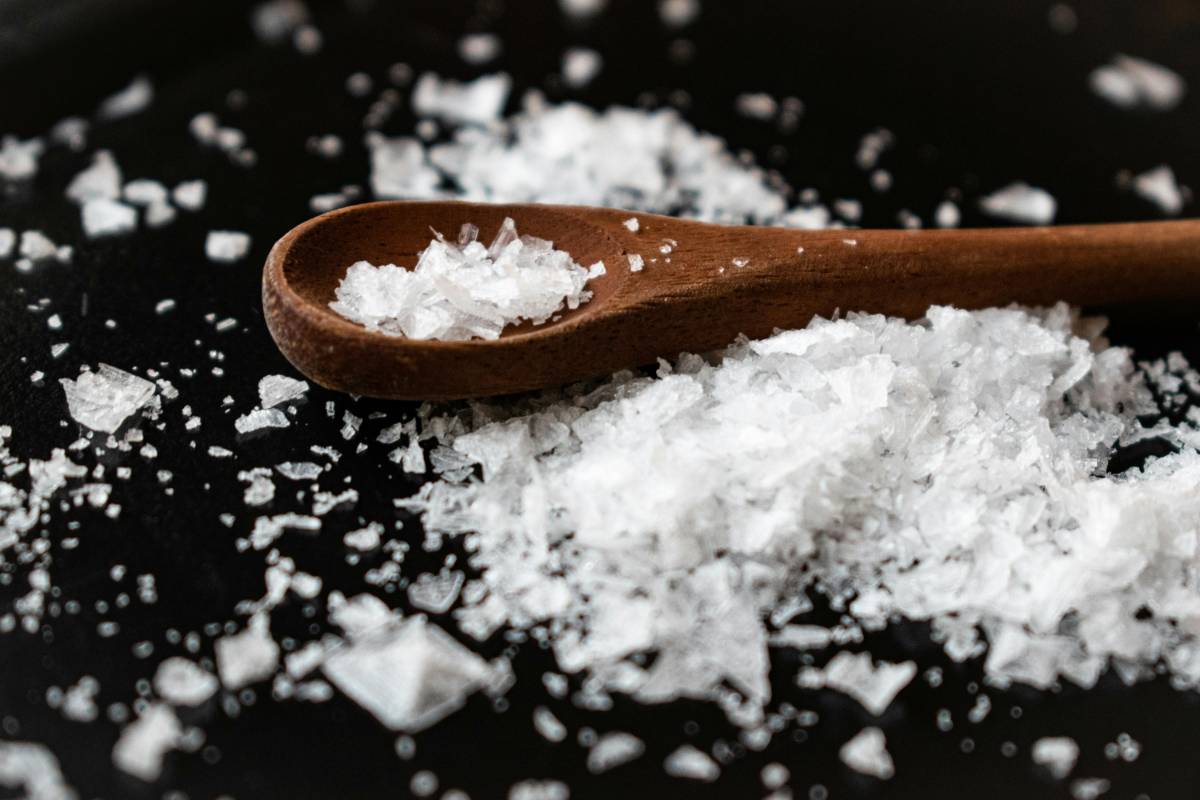
|19 Mar 2025Finding the right balance between salt and flavor in your meals is essential for maintaining a healthy diet without sacrificing taste. While salt enhances flavor, excessive consumption can lead to health issues such as high blood pressure. Fortunately, there are many ways to season your food creatively and healthily. This article provides practical tips for achieving a delicious balance between salt and flavor in your meals.

Using Herbs and Spices
Herbs and spices are excellent alternatives to salt for adding flavor to your dishes. Fresh or dried herbs like basil, rosemary, thyme, and cilantro can infuse your meals with vibrant flavors. Spices such as paprika, cumin, turmeric, and chili powder can also add depth and complexity to your dishes without increasing sodium content.
Experimenting with Citrus and Vinegars
Citrus juices (like lemon, lime, or orange) and vinegars (such as balsamic, apple cider, or red wine vinegar) can enhance the flavor of your dishes and add a zesty or tangy element. These ingredients can help to brighten and balance flavors, reducing the need for added salt.

Incorporating Garlic and Onions
Garlic and onions are flavorful additions that can reduce your reliance on salt. Whether used fresh, roasted, or sautéed, they add a rich, savory taste to your meals. Experiment with different varieties, such as shallots, green onions, or garlic powder, to find what works best for your recipes.
Utilizing Low-Sodium Alternatives

Opt for low-sodium or sodium-free alternatives to common salty ingredients. For example, use low-sodium soy sauce, broth, or tamari in place of regular versions. These alternatives can provide the salty taste you crave with less sodium.
Choosing Flavorful Ingredients

Selecting high-quality, flavorful ingredients can help reduce the need for added salt. Fresh vegetables, fruits, and proteins can contribute natural flavors that enhance your meals. Ingredients like tomatoes, mushrooms, and aged cheeses can add richness and depth to your dishes.
Balancing Flavors with Sweetness
Adding a touch of sweetness can help balance salty flavors. Consider incorporating natural sweeteners like honey, maple syrup, or fruit in moderation to offset the saltiness and create a more harmonious flavor profile.

Creating Flavorful Sauces and Dressings
Homemade sauces and dressings offer more control over sodium content. Use a combination of herbs, spices, citrus, and low-sodium ingredients to create flavorful sauces and dressings that enhance your meals without relying heavily on salt.

Using Umami for Depth
Umami, the fifth taste, adds a savory depth to dishes. Ingredients rich in umami, such as mushrooms, tomatoes, soy sauce, and nutritional yeast, can boost flavor without excessive salt. Incorporate these ingredients to create well-rounded and satisfying meals.
Adjusting Your Salt Usage
When you do use salt, be mindful of the quantity. Try reducing the amount of salt in your recipes gradually to allow your taste buds to adjust. You might find that you need less salt to achieve the same level of satisfaction as you get used to using other flavoring methods.
Balancing salt and flavor in your meals doesn’t mean you have to sacrifice taste. By incorporating herbs, spices, citrus, and other flavorful ingredients, you can create delicious and satisfying dishes while keeping your sodium intake in check. Experiment with different techniques and ingredients to find the right balance that suits your taste preferences and health goals. With these tips, you can enjoy flavorful meals without compromising your well-being.
Trending Around the Web
About the Author
Christin Hume
Christin Hume is a passionate health and wellness advocate, with a deep understanding of the challenges modern parents face. With a focus on holistic well-being, Christin Hume aims to empower mothers and families with practical tips, science-backed advice, and inspiring stories to promote a healthy lifestyle. Whether it's nutrition, fitness, mental health, or parenting, Christin Hume is committed to making health and wellness approachable and accessible for every SuperMoomy reader.
MORE ARTICLES
3 min read | 06 Apr 2025
How to Combine Healthy Eating and Effective Workouts for Optimal Results
Achieving optimal results from your fitness routine involves more than just hitting the gym or following a structured workout plan. Combining healthy eating with effective workouts is essential for maximizing performance, enhancing recovery, and achieving your fitness goals. Here’s how to integrate these two crucial components to get the best results from your efforts.

4 min read | 05 Apr 2025
How to Track Your Fitness Progress
Tracking your fitness progress is essential to understanding your improvements, staying motivated, and adjusting your workout routine as needed. Whether you’re aiming to build strength, lose weight, or improve overall fitness, knowing how to monitor your progress can help you reach your goals more effectively. Here’s how you can track your fitness progress:

2 min read | 04 Apr 2025
Full-Body Workout Routines You Can Do at Home
Full-body workouts are an effective way to engage multiple muscle groups and achieve a balanced fitness routine without needing a gym. Whether you’re short on time or prefer exercising at home, a well-structured full-body workout can help you build strength, increase endurance, and improve overall fitness. Here’s how to create effective full-body workout routines you can do at home.

2 min read | 03 Apr 2025
Stretching Routines for Flexibility and Injury Prevention
Incorporating stretching routines into your fitness regimen can greatly enhance flexibility, prevent injuries, and improve overall performance. Whether you’re an athlete or just looking to improve your daily movement, developing a consistent stretching routine is key to maintaining muscle health and mobility. Here’s how to create effective stretching routines for flexibility and injury prevention.

4 min read | 02 Apr 2025
HIIT Workouts for Maximum Fat Burn
High-Intensity Interval Training (HIIT) is an effective workout method for burning fat and improving overall fitness. By combining short bursts of intense exercise with periods of rest or lower-intensity activity, HIIT can help you achieve maximum fat burn in a relatively short amount of time. Here’s how to make the most of HIIT workouts for fat loss.

3 min read | 01 Apr 2025
How to Incorporate Yoga into Your Fitness Routine
Yoga is a versatile practice that can complement various fitness routines by enhancing flexibility, balance, and overall well-being. Incorporating yoga into your fitness routine can help improve your performance in other exercises, reduce the risk of injury, and promote relaxation. Here’s how to seamlessly blend yoga with your existing workouts.
RECENT POSTS
1
Recipes for Low-Sugar Desserts and Snacks
5 min read | 12 Mar 20252
Understanding Hidden Sugars in Processed Foods
2 min read | 11 Mar 20253
How Reducing Sugar Can Improve Your Energy Levels
4 min read | 10 Mar 20254
The Role of Natural Sweeteners in a Healthy Diet
2 min read | 09 Mar 20255
Tips for Reducing Sugar in Your Diet
3 min read | 08 Mar 20256
Sugar Substitutes: What’s Safe and What’s Not?
4 min read | 07 Mar 2025MORE POSTS
Low-Carb vs. Low-Fat Diets: What Works Best?
5 min read | 18 Jan 2025
The Role of Fiber in Weight Management
4 min read | 17 Jan 2025
Understanding Macronutrients and Micronutrients for Weight Loss
4 min read | 16 Jan 2025
The Role of Nutrition in Supporting Your Workout Routine
4 min read | 16 Apr 2025
Seasonal Workout Routines to Keep Your Fitness Fresh
4 min read | 15 Apr 2025