How to Exfoliate Your Skin Safely
 By Wilson Baker |
 2 min read
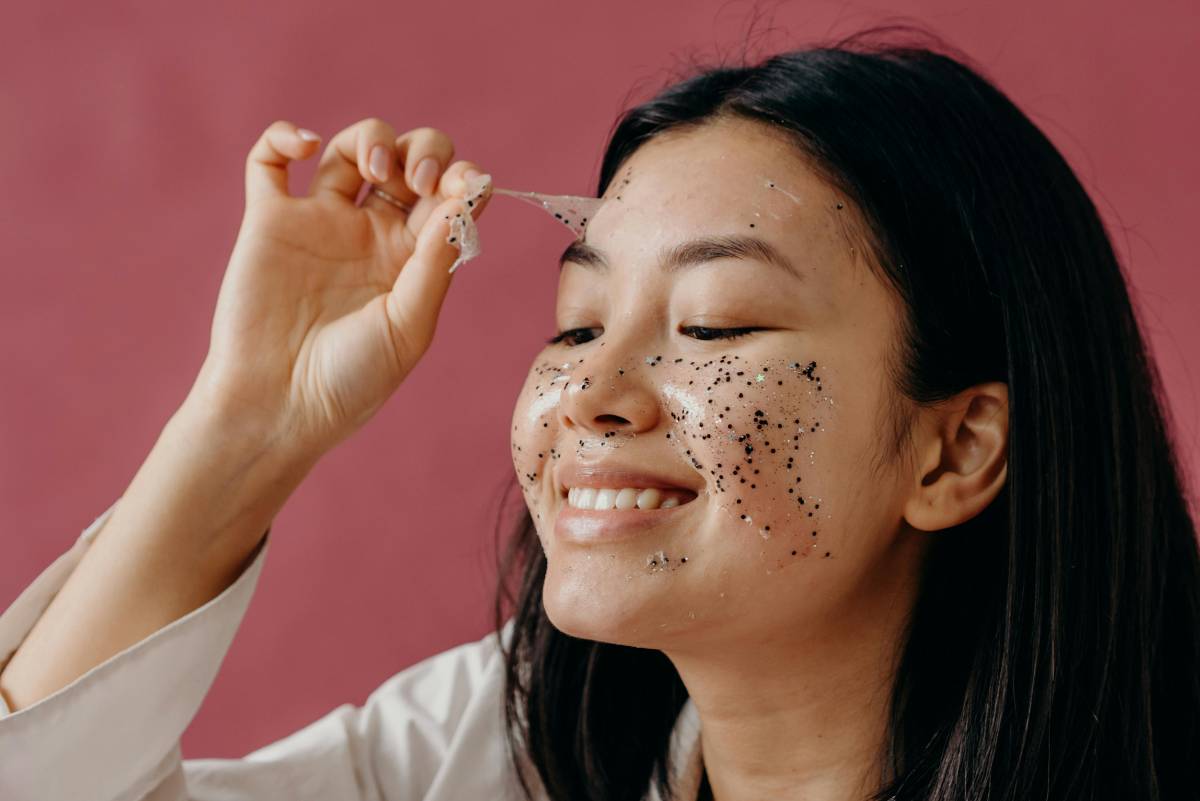
|25 Jan 2025Exfoliation is an essential part of a skincare routine that helps remove dead skin cells, improve skin texture, and promote a radiant complexion. However, exfoliating improperly can lead to irritation, redness, and damage. To achieve the best results while minimizing the risk of adverse effects, it’s crucial to exfoliate your skin safely. In this article, we’ll discuss effective exfoliation techniques, the types of exfoliants available, and tips for safe exfoliation.

Understanding Exfoliation
Exfoliation involves the removal of dead skin cells from the surface of the skin to reveal a fresher, smoother layer underneath. There are two main types of exfoliation: physical and chemical. Physical exfoliation uses abrasive tools or products to manually scrub away dead skin cells, while chemical exfoliation employs acids or enzymes to dissolve them. Both methods can be effective, but they require different approaches to ensure safety.
Physical Exfoliation
Physical exfoliants include scrubs, brushes, and sponges that physically slough off dead skin cells. When using physical exfoliants, keep these tips in mind:

Choose Gentle Products: Opt for exfoliants with fine, smooth particles to avoid scratching or irritating your skin. Avoid products with large, sharp granules that can cause micro-tears.
Use Light Pressure: Apply physical exfoliants with a gentle touch, using circular motions. Avoid pressing too hard, as this can lead to redness and inflammation.
Limit Frequency: Exfoliate your skin 1-2 times a week to prevent over-exfoliation. Over-exfoliating can strip the skin of its natural oils and disrupt the barrier function.

Chemical Exfoliation
Chemical exfoliants use acids or enzymes to dissolve dead skin cells. Common types include alpha-hydroxy acids (AHAs) and beta-hydroxy acids (BHAs). Here’s how to use them safely:

Start Slowly: Begin with a lower concentration of exfoliating acids and gradually increase as your skin builds tolerance. This helps reduce the risk of irritation.
Patch Test: Perform a patch test before applying chemical exfoliants to your entire face. Apply a small amount to a discreet area and monitor for any adverse reactions.
Follow Instructions: Adhere to the product’s instructions regarding application time and frequency. Avoid using multiple exfoliating products simultaneously, as this can cause excessive peeling.
Moisturize and Protect
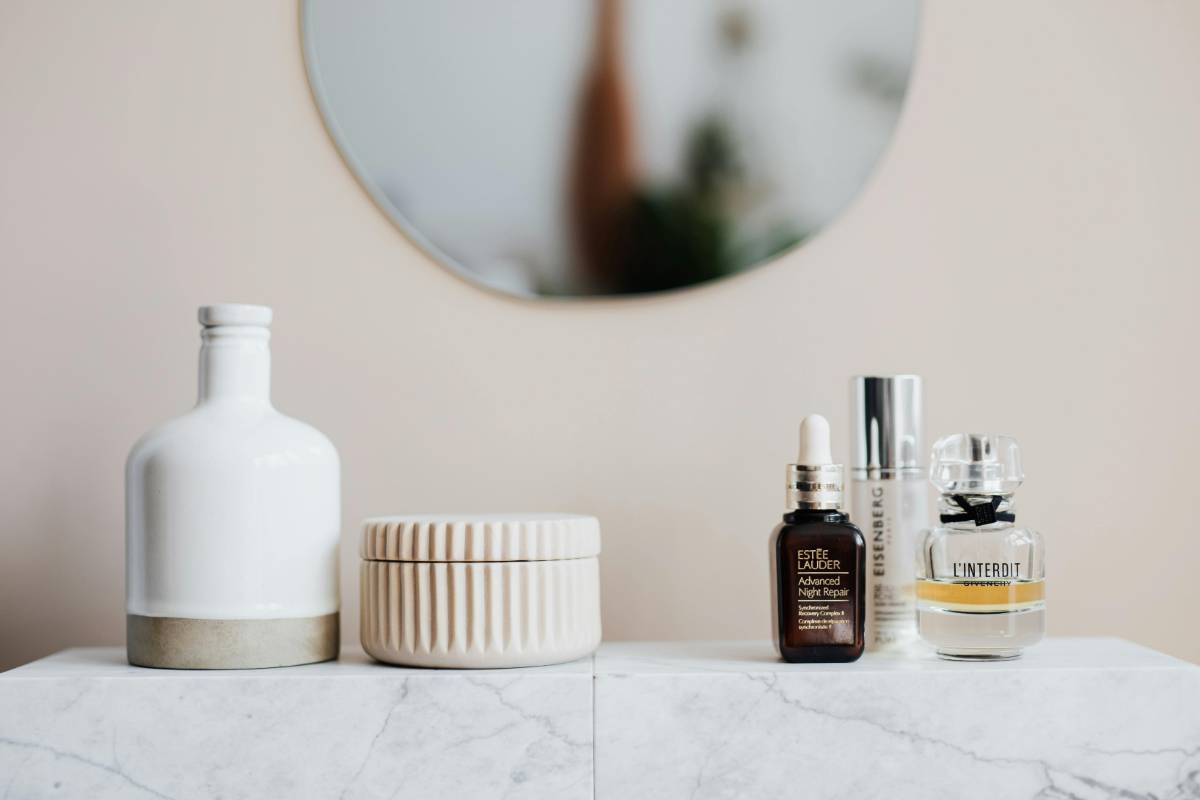
After exfoliation, your skin may be more sensitive and prone to dryness. To protect and nourish your skin:

Apply Moisturizer: Use a hydrating moisturizer to replenish moisture and soothe the skin after exfoliation. Look for products with ingredients like hyaluronic acid, ceramides, or squalane.
Use Sunscreen: Exfoliated skin is more susceptible to sun damage. Apply a broad-spectrum sunscreen with at least SPF 30 daily to protect your skin from UV rays and prevent hyperpigmentation.
Avoid Irritating Ingredients: Avoid using products with strong fragrances, alcohol, or other potential irritants immediately after exfoliation. Stick to gentle, soothing formulations.
Consider Your Skin Type
Different skin types may require different exfoliation approaches:

Sensitive Skin: Opt for gentle, non-abrasive exfoliants and avoid frequent exfoliation. Look for products with calming ingredients like aloe vera or chamomile.
Oily/Acne-Prone Skin: Chemical exfoliants containing salicylic acid can help manage oil production and prevent breakouts. However, avoid using physical exfoliants that can irritate or worsen acne.
Dry Skin: Choose hydrating exfoliants with moisturizing ingredients and limit exfoliation frequency to prevent over-drying. Incorporate a rich moisturizer after exfoliation.
Incorporating exfoliation into your skincare routine can enhance your skin’s texture and radiance, but it’s essential to do so safely. By choosing the right exfoliants, using them properly, and following up with appropriate skincare, you can achieve a smooth, glowing complexion while minimizing the risk of irritation and damage.
Trending Around the Web
About the Author
Wilson Baker
Wilson Baker is a passionate health and wellness advocate, with a deep understanding of the challenges modern parents face. With a focus on holistic well-being, Wilson Baker aims to empower mothers and families with practical tips, science-backed advice, and inspiring stories to promote a healthy lifestyle. Whether it's nutrition, fitness, mental health, or parenting, Wilson Baker is committed to making health and wellness approachable and accessible for every SuperMoomy reader.
MORE ARTICLES

5 min read | 03 Feb 2025
How to Achieve Salon-Quality Hair at Home
Achieving salon-quality hair at home is possible with the right techniques, products, and tools. While professional salon treatments are beneficial, you can also create beautiful, healthy hair by adopting effective at-home hair care practices. In this article, we’ll explore how to achieve salon-quality hair at home with practical tips and recommendations.

4 min read | 02 Feb 2025
Why You Should Consider Sulfate-Free Shampoos
Sulfate-free shampoos have gained popularity in recent years as consumers become more aware of the potential effects of sulfates on hair and scalp health. Sulfates are surfactants commonly found in shampoos and other cleaning products, known for their ability to create a rich lather. However, there are compelling reasons to consider switching to sulfate-free shampoos. In this article, we’ll explore the benefits of sulfate-free shampoos and why they might be the right choice for your hair care routine.
3 min read | 01 Feb 2025
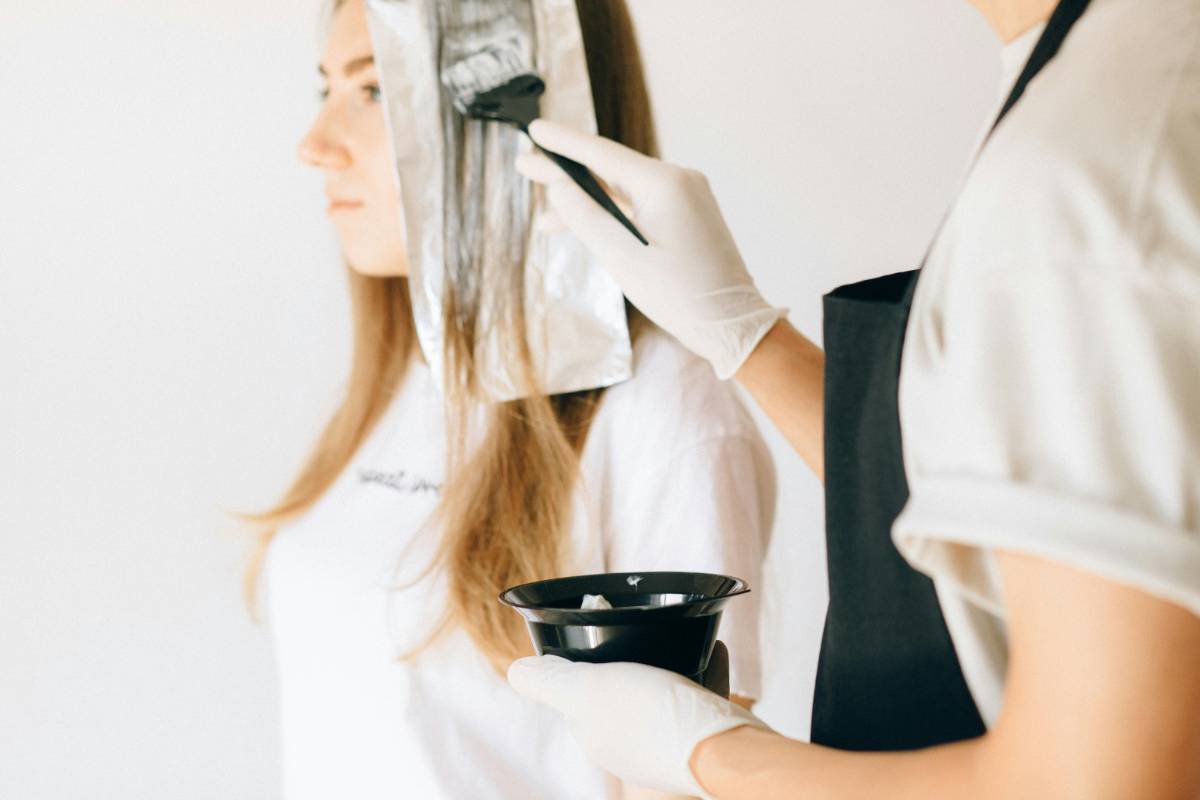
Best Practices for Coloring Your Hair at Home
Coloring your hair at home can be a convenient and cost-effective way to refresh your look. However, achieving salon-quality results requires careful preparation and technique. By following best practices, you can ensure that your hair color turns out vibrant and even while minimizing potential damage. In this article, we’ll cover essential tips and best practices for coloring your hair at home.

5 min read | 31 Jan 2025
How to Treat Dandruff Effectively
Dandruff is a common scalp condition characterized by the shedding of dead skin cells, often accompanied by itching and flakiness. While it is not usually a serious health concern, dandruff can be bothersome and affect your confidence. Fortunately, there are several effective strategies and treatments available to manage and reduce dandruff. In this article, we’ll explore how to treat dandruff effectively and keep your scalp healthy.

4 min read | 30 Jan 2025
The Importance of Using Heat Protectant on Your Hair
Heat styling tools such as blow dryers, flat irons, and curling irons can help you achieve your desired hairstyle, but they can also cause significant damage to your hair if not used properly. One crucial step in protecting your hair from heat damage is using a heat protectant. In this article, we’ll discuss the importance of using heat protectant on your hair and how it can help maintain its health and appearance.

3 min read | 29 Jan 2025
Tips for Preventing Hair Loss Naturally
Hair loss can be a distressing issue, impacting self-esteem and confidence. While there are medical treatments available, many people prefer to explore natural methods for preventing hair loss and promoting healthy hair growth. By adopting a holistic approach and incorporating specific lifestyle and dietary changes, you can support your hair’s health and reduce the risk of hair loss. In this article, we’ll share practical tips for preventing hair loss naturally.
RECENT POSTS
1
Creating a Supportive Environment for Weight Loss
5 min read | 22 Feb 20252
Positive Affirmations for Weight Loss Success
4 min read | 21 Feb 20253
Understanding and Managing Emotional Triggers
4 min read | 20 Feb 20254
The Benefits of Keeping a Food Diary
4 min read | 19 Feb 20255
How to Deal with Temptations and Avoid Binge Eating
3 min read | 18 Feb 20256
The Role of Self-Monitoring in Weight Loss
3 min read | 17 Feb 2025MORE POSTS

How to Maintain a Clean Shave on the Go
2 min read | 15 Mar 2025
Best Practices for Grooming Sensitive Areas
3 min read | 14 Mar 2025
How to Care for Your Beard
3 min read | 13 Mar 2025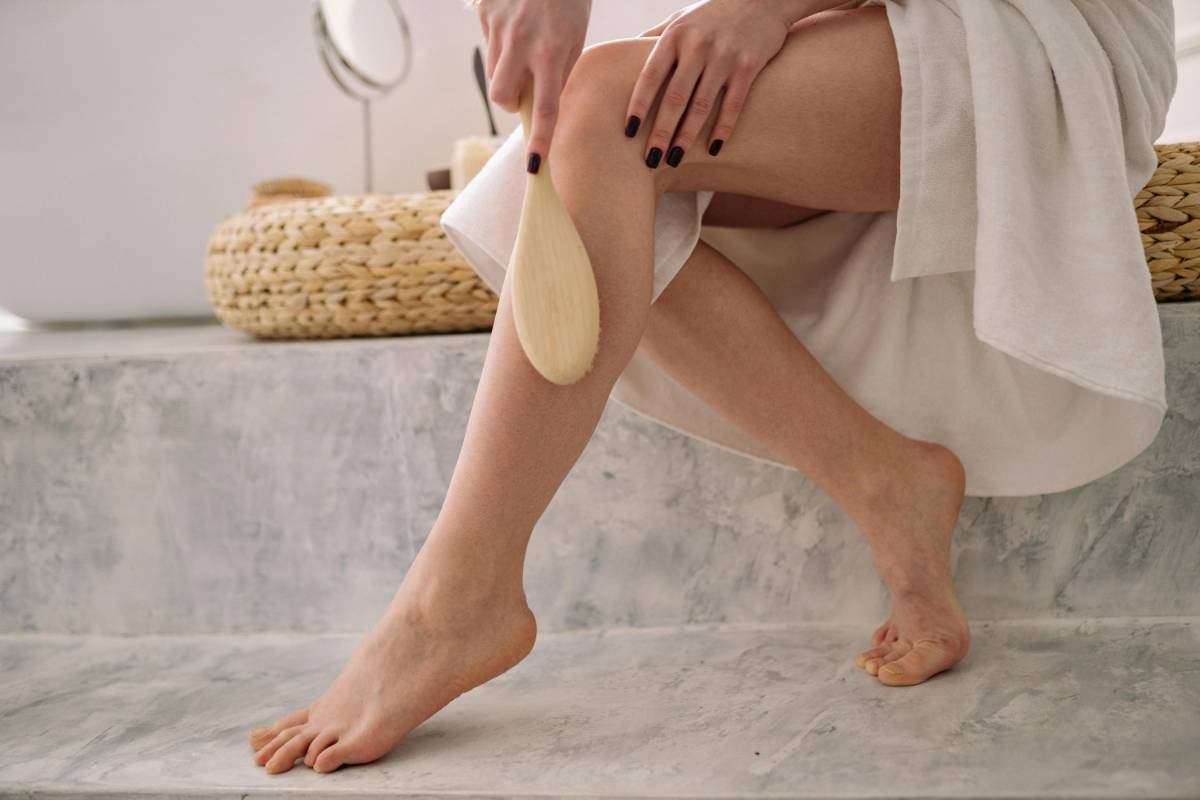
Benefits of Using a Shaving Brush
5 min read | 12 Mar 2025
How to Choose the Right Razor for Your Skin
2 min read | 11 Mar 2025