Tips for Preventing Razor Burn

 By Neha Jain |
 2 min read
|10 Mar 2025Razor burn is a common issue that many people face after shaving. It can cause discomfort, redness, and irritation, making the post-shave experience less pleasant. Fortunately, there are several effective strategies to prevent razor burn and achieve a smooth, irritation-free shave. This guide provides practical tips to help you prevent razor burn and enjoy a more comfortable shaving routine.

Prepare Your Skin Properly
Effective preparation is essential for reducing the risk of razor burn:
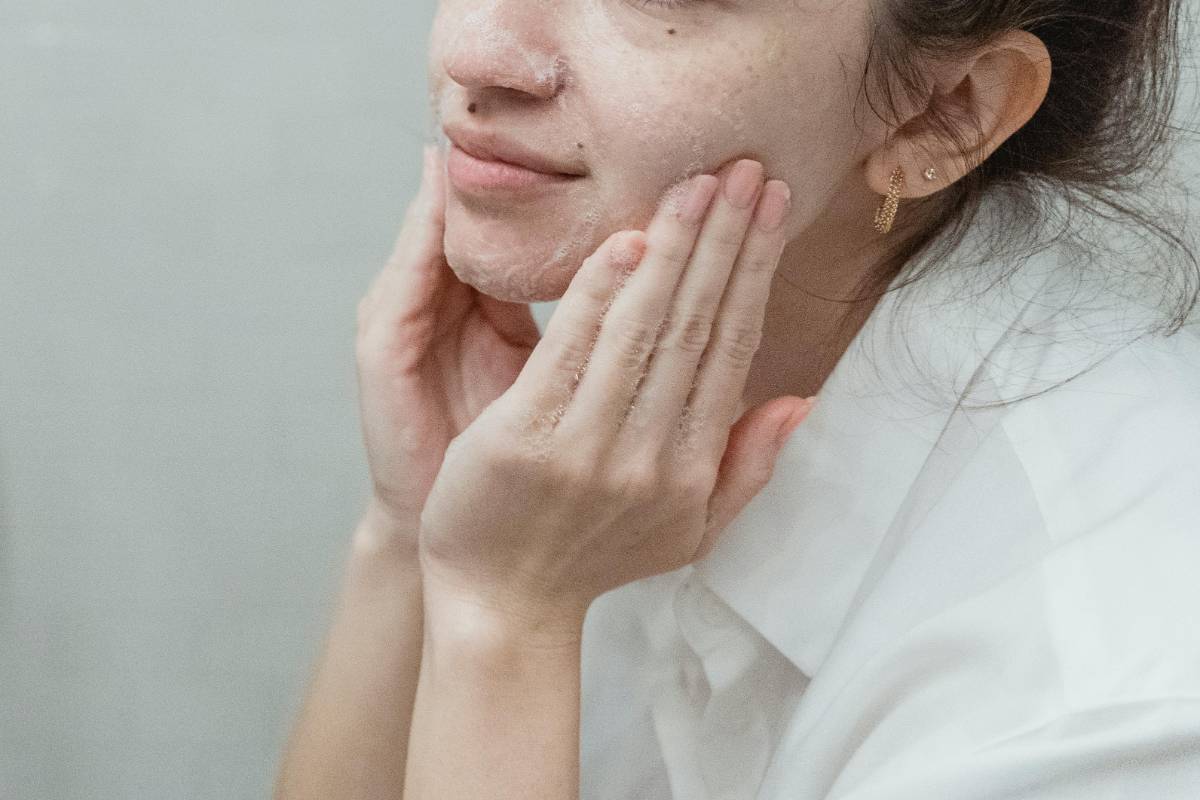
Cleanse Your Skin: Begin by washing your face with warm water and a gentle cleanser. This removes dirt, oil, and impurities, which helps to soften the hair and prepare the skin for shaving.
Exfoliate: Regular exfoliation helps to remove dead skin cells and prevent clogged pores, which can lead to razor burn. Use a facial scrub or an exfoliating brush to gently exfoliate your skin before shaving.

Soften Hair with Warm Water: Use warm water to soften the hair and open the pores. This makes the hair easier to cut and reduces the chances of irritation. Avoid using hot water, as it can strip the skin of natural oils.
Choose the Right Shaving Cream or Gel
The shaving product you use can impact the likelihood of razor burn:

Opt for a Moisturizing Formula: Choose a shaving cream or gel that provides a rich, moisturizing lather. This creates a protective barrier between the razor and your skin, reducing friction and irritation.
Avoid Products with Alcohol: Avoid shaving products that contain alcohol, as they can dry out the skin and exacerbate irritation. Look for alcohol-free and sensitive-skin formulas to minimize the risk of razor burn.

Use a Sharp, Clean Razor
A sharp and clean razor is crucial for a smooth shave:
Change Blades Regularly: Replace your razor blades every 5-7 shaves or when they start to feel dull. Dull blades can tug at the hair, causing irritation and razor burn.
Keep Your Razor Clean: Rinse your razor frequently during use to remove hair and shaving cream buildup. A clean razor ensures a smoother shave and reduces the risk of infection and irritation.
Shave with the Grain

Shaving in the correct direction can help prevent razor burn:
Shave in the Direction of Hair Growth: Always shave in the direction of hair growth to minimize irritation. Shaving against the grain can cause friction and lead to razor burn and ingrown hairs.
Use Gentle Strokes: Apply light pressure and use gentle strokes when shaving. Avoid pressing too hard, as this can increase the risk of irritation and razor burn.
Rinse and Moisturize After Shaving
Proper post-shave care is essential for soothing the skin:

Rinse with Cool Water: After shaving, rinse your face with cool water to close the pores and reduce redness. This helps to calm the skin and prevent further irritation.
Apply Aftershave or Moisturizer: Use an alcohol-free aftershave or a soothing moisturizer to hydrate and calm the skin. Look for products with calming ingredients like aloe vera, witch hazel, or chamomile to reduce irritation.
Avoid Irritating Products
Certain products can exacerbate razor burn and should be avoided:
Skip Fragranced Products: Avoid using heavily scented lotions or aftershaves immediately after shaving, as fragrances can irritate sensitive skin. Opt for fragrance-free products that are specifically designed for post-shave care.
Avoid Exfoliating Immediately After Shaving: Give your skin time to recover before using exfoliating products. Exfoliating too soon after shaving can irritate the skin and lead to razor burn.
Consider Alternative Shaving Methods
If traditional shaving methods are causing persistent razor burn, consider alternatives:
Try Electric Razors: Electric razors can be less irritating than traditional blades, especially for individuals with sensitive skin. They often require less pressure and can reduce the risk of razor burn.
Explore Hair Removal Creams: Hair removal creams are another option to consider. They work by dissolving the hair rather than cutting it, which can reduce irritation and razor burn.
Maintain a Consistent Routine
Consistency in your shaving routine can help prevent razor burn:
Shave Regularly: Avoid letting your hair grow too long between shaves, as longer hair can be more difficult to cut and may cause more irritation. Shave regularly to keep the hair short and reduce the risk of razor burn.
Use a Dedicated Shaving Kit: Consider using a dedicated shaving kit with all the necessary tools and products. This can help you maintain a consistent routine and ensure that you’re using the right products for your skin type.
Preventing razor burn requires a combination of proper preparation, the right products, and careful shaving techniques. By following these tips, you can minimize the risk of irritation and achieve a smooth, comfortable shave every time. Remember that every individual’s skin is different, so it may take some experimentation to find the perfect routine that works for you. With the right approach, you can enjoy a refreshing shave without the discomfort of razor burn.
Trending Around the Web
About the Author
Neha Jain
Neha Jain is a passionate health and wellness advocate, with a deep understanding of the challenges modern parents face. With a focus on holistic well-being, Neha Jain aims to empower mothers and families with practical tips, science-backed advice, and inspiring stories to promote a healthy lifestyle. Whether it's nutrition, fitness, mental health, or parenting, Neha Jain is committed to making health and wellness approachable and accessible for every SuperMoomy reader.
MORE ARTICLES

4 min read | 02 Mar 2025
Incorporating Balance Exercises into Functional Training
Balance exercises are a crucial component of functional training, as they enhance stability, coordination, and overall athletic performance. By incorporating balance exercises into your functional training routine, you can improve your ability to perform everyday activities and sports movements with greater ease and efficiency. In this article, we’ll explore how to integrate balance exercises into your functional training regimen and highlight some effective exercises.

2 min read | 01 Mar 2025
Using Medicine Balls in Functional Training
Medicine balls are versatile and effective tools for functional training. They can be used to enhance strength, power, coordination, and overall athletic performance. By incorporating medicine balls into your workout routine, you can add variety and challenge to your exercises, leading to improved functional fitness. In this article, we’ll explore how to use medicine balls in functional training and highlight some effective exercises.

5 min read | 28 Feb 2025
How Functional Training Enhances Athletic Performance
Functional training has gained popularity not only among fitness enthusiasts but also among athletes looking to enhance their performance. By focusing on exercises that mimic real-life movements and improve overall strength and stability, functional training offers numerous benefits for athletic performance. In this article, we’ll explore how functional training can boost your athletic abilities and help you achieve your performance goals.

5 min read | 27 Feb 2025
Creating a Functional Training Routine for Beginners
Functional training focuses on exercises that improve your ability to perform everyday activities with greater ease and efficiency. For beginners, creating a functional training routine can seem daunting, but it’s a valuable approach to building overall strength and stability. In this article, we’ll guide you through creating a beginner-friendly functional training routine.

5 min read | 26 Feb 2025
Top Functional Exercises for Everyday Strength
Functional exercises are designed to improve your ability to perform everyday tasks with ease and efficiency. By focusing on movements that mimic daily activities, these exercises enhance overall strength, stability, and coordination. In this article, we’ll highlight some of the top functional exercises to help build everyday strength.

3 min read | 25 Feb 2025
What is Functional Training and Why is it Important?
Functional training has become a popular approach to exercise, focusing on movements that improve daily life activities and overall fitness. This type of training emphasizes exercises that mimic real-life activities and enhance the body's ability to perform everyday tasks. In this article, we’ll explore what functional training is, its key benefits, and why it’s important.
RECENT POSTS
1
Understanding Macronutrients: Carbs, Proteins, and Fats
3 min read | 17 Jan 20252
The Importance of a Balanced Diet
3 min read | 16 Jan 20253
How to Develop a Personal Care Routine for Sensitive Skin
2 min read | 16 Apr 20254
Skincare Mistakes You Should Avoid
5 min read | 15 Apr 20255
The Power of Aromatherapy in Your Personal Care Routine
2 min read | 14 Apr 20256
Natural Ingredients to Look for in Personal Care Products
2 min read | 13 Apr 2025MORE POSTS

Weight Loss Strategies for Individuals with Arthritis
6 min read | 21 Mar 2025
Understanding the Relationship Between PCOS and Weight Gain
5 min read | 20 Mar 2025
How Hormonal Imbalances Affect Weight and How to Address Them
6 min read | 19 Mar 2025
Tips for Weight Loss with Diabetes
4 min read | 18 Mar 2025
Managing Weight with Thyroid Disorders
5 min read | 17 Mar 2025