How to Get Started with Cardio Exercises

 By Aditi Sharma |
 5 min read
|28 Jan 2025Cardiovascular exercises, or cardio, are a fundamental part of a balanced fitness routine and offer numerous benefits for overall health and well-being. If you’re new to cardio or looking to enhance your current routine, getting started can be straightforward with the right approach. Here’s a guide to help you begin your journey with cardio exercises and make the most of your workouts.

Set Clear Goals: Before diving into cardio exercises, it’s important to set clear and achievable goals. Are you looking to improve your cardiovascular fitness, lose weight, or simply stay active? Defining your goals will help you choose the right types of cardio activities and measure your progress effectively. Start with specific, realistic goals and adjust them as you progress.
Choose the Right Cardio Activities: Cardio exercises come in various forms, so it’s essential to find activities that you enjoy and can stick with. Common options include walking, running, cycling, swimming, and using cardio machines like treadmills or ellipticals. Experiment with different activities to see what you enjoy most and what fits best with your fitness level and preferences.
Start Slow and Progress Gradually: If you’re new to cardio exercises, it’s important to start slowly to avoid injury and allow your body to adapt. Begin with shorter sessions and lower intensity, gradually increasing the duration and intensity as you build endurance. For example, start with 10-15 minute sessions of moderate-intensity cardio and gradually work up to 30-60 minutes as your fitness improves.
Incorporate Variety: To keep your cardio routine interesting and prevent boredom, incorporate a variety of exercises and activities. Mixing different types of cardio, such as alternating between running and cycling or incorporating interval training, can help you stay motivated and challenge different muscle groups. Variety also reduces the risk of overuse injuries and improves overall fitness.

Monitor Your Intensity: Understanding and monitoring the intensity of your cardio workouts is crucial for achieving your fitness goals. You can use tools like a heart rate monitor or the Rate of Perceived Exertion (RPE) scale to gauge how hard you’re working. Aim for moderate to vigorous intensity, where you’re breathing harder but still able to carry on a conversation. Adjust the intensity based on your fitness level and goals.
Warm Up and Cool Down: Warming up before your cardio workout and cooling down afterward are essential steps to prevent injury and promote recovery. Start each session with a 5-10 minute warm-up to gradually increase your heart rate and prepare your muscles for exercise. After your workout, spend another 5-10 minutes cooling down with lower intensity movements and stretching to help your body return to its resting state.
Stay Consistent: Consistency is key to seeing results from cardio exercises. Aim to include cardio workouts in your routine at least 3-5 times a week. Find a schedule that works for you and stick to it. Whether you prefer morning workouts, lunchtime sessions, or evening exercise, consistency will help you build endurance and achieve your fitness goals.

Listen to Your Body: As you get started with cardio exercises, it’s important to listen to your body and adjust your routine as needed. If you experience pain, discomfort, or unusual fatigue, take a break and assess your training. It’s normal to feel some soreness, but persistent pain or discomfort may indicate that you need to modify your routine or seek advice from a fitness professional.
Stay Hydrated and Fuel Your Body: Proper hydration and nutrition are essential for optimal performance during cardio workouts. Drink plenty of water before, during, and after your exercise sessions to stay hydrated. Additionally, fuel your body with a balanced diet that includes carbohydrates, proteins, and healthy fats to support energy levels and recovery.

Track Your Progress: Keeping track of your progress can help you stay motivated and see the benefits of your cardio workouts. Use a fitness tracker, journal, or app to record your workouts, monitor your progress, and celebrate your achievements. Tracking your progress can provide valuable insights and help you stay focused on your fitness goals.
Getting started with cardio exercises is a great way to improve your overall health, boost energy levels, and achieve your fitness goals. By setting clear goals, choosing enjoyable activities, progressing gradually, and staying consistent, you can build a strong foundation for your cardio routine. Remember to listen to your body, stay hydrated, and track your progress to make the most of your cardio workouts and enjoy the numerous benefits they offer.
Trending Around the Web
About the Author
Aditi Sharma
Aditi Sharma is a passionate health and wellness advocate, with a deep understanding of the challenges modern parents face. With a focus on holistic well-being, Aditi Sharma aims to empower mothers and families with practical tips, science-backed advice, and inspiring stories to promote a healthy lifestyle. Whether it's nutrition, fitness, mental health, or parenting, Aditi Sharma is committed to making health and wellness approachable and accessible for every SuperMoomy reader.
MORE ARTICLES

4 min read | 13 Apr 2025
Effective Core Workouts for Strength and Stability
A strong and stable core is essential for overall fitness and injury prevention. Effective core workouts target not only the abdominal muscles but also the lower back, hips, and pelvis. Incorporating a variety of core exercises into your routine can enhance your strength, stability, and overall athletic performance. Here’s a guide to some of the most effective core workouts to include in your fitness regimen.
3 min read | 12 Apr 2025
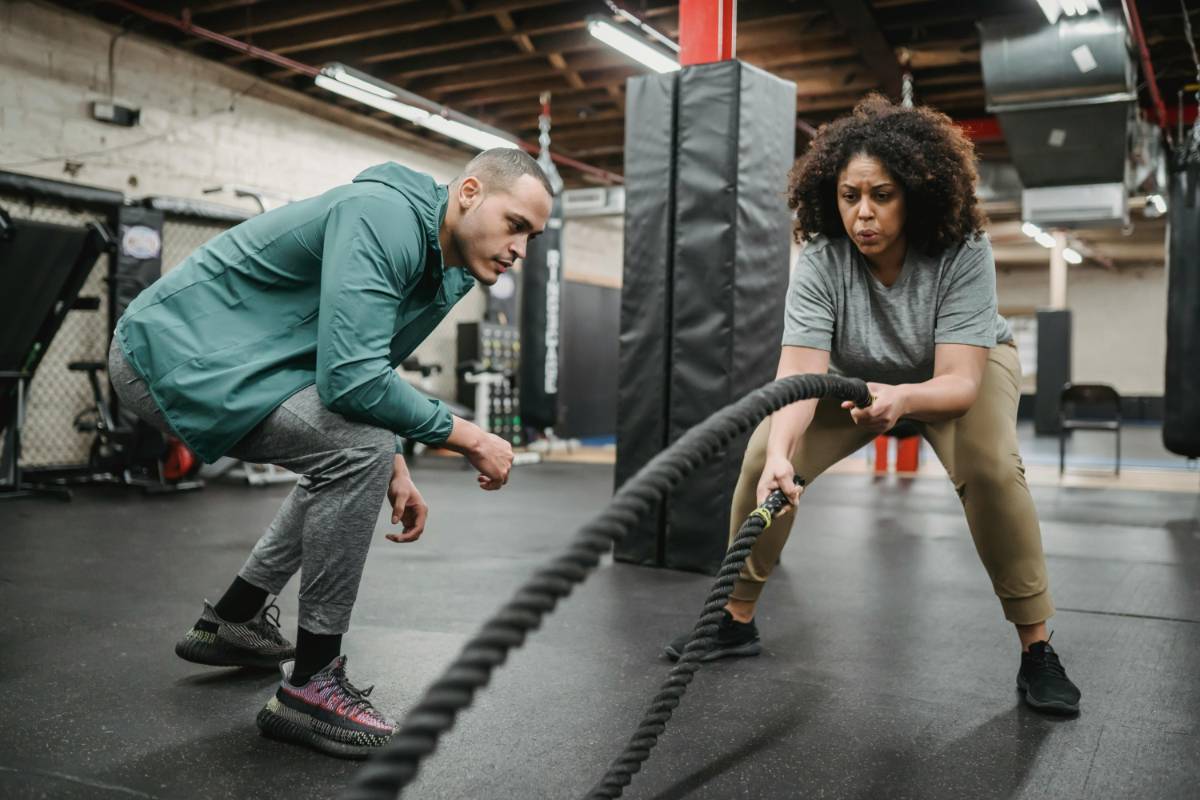
How to Include Functional Training in Your Fitness Regimen
Functional training focuses on exercises that mimic everyday movements, helping you build strength, stability, and coordination for real-life activities. Integrating functional training into your fitness regimen can enhance your overall performance and improve your ability to perform daily tasks. Here’s how you can effectively include functional training in your workout routine.
2 min read | 11 Apr 2025
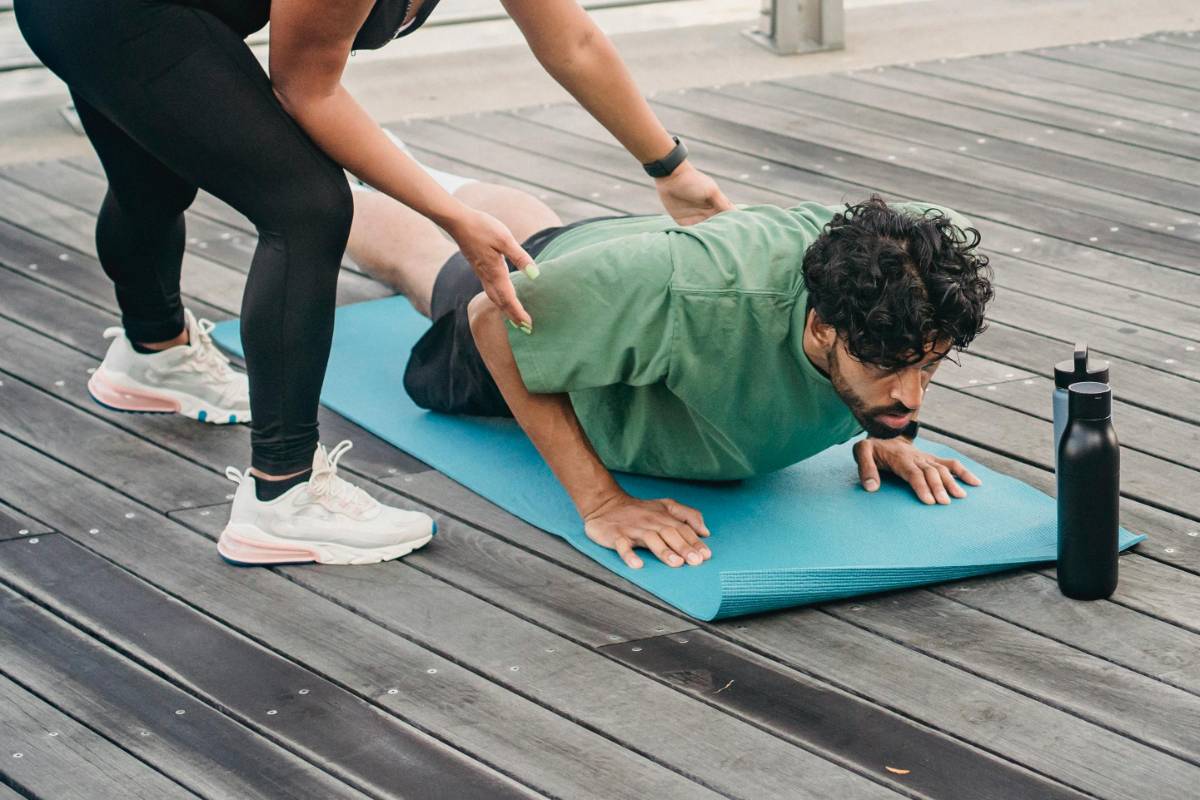
The Benefits of Compound Exercises in Your Workout Routine
Incorporating compound exercises into your workout routine can significantly enhance your fitness results. These exercises target multiple muscle groups simultaneously, offering numerous benefits over isolation exercises that focus on a single muscle group. Here’s a closer look at the advantages of compound exercises and how they can improve your overall fitness.

5 min read | 10 Apr 2025
Tips for Staying Motivated with Your Workout Routine
Staying motivated with your workout routine can be challenging, especially when progress seems slow or life gets busy. However, maintaining motivation is crucial for achieving your fitness goals and making exercise a consistent part of your lifestyle. Here are some effective tips to help you stay motivated and committed to your workout routine.
3 min read | 09 Apr 2025
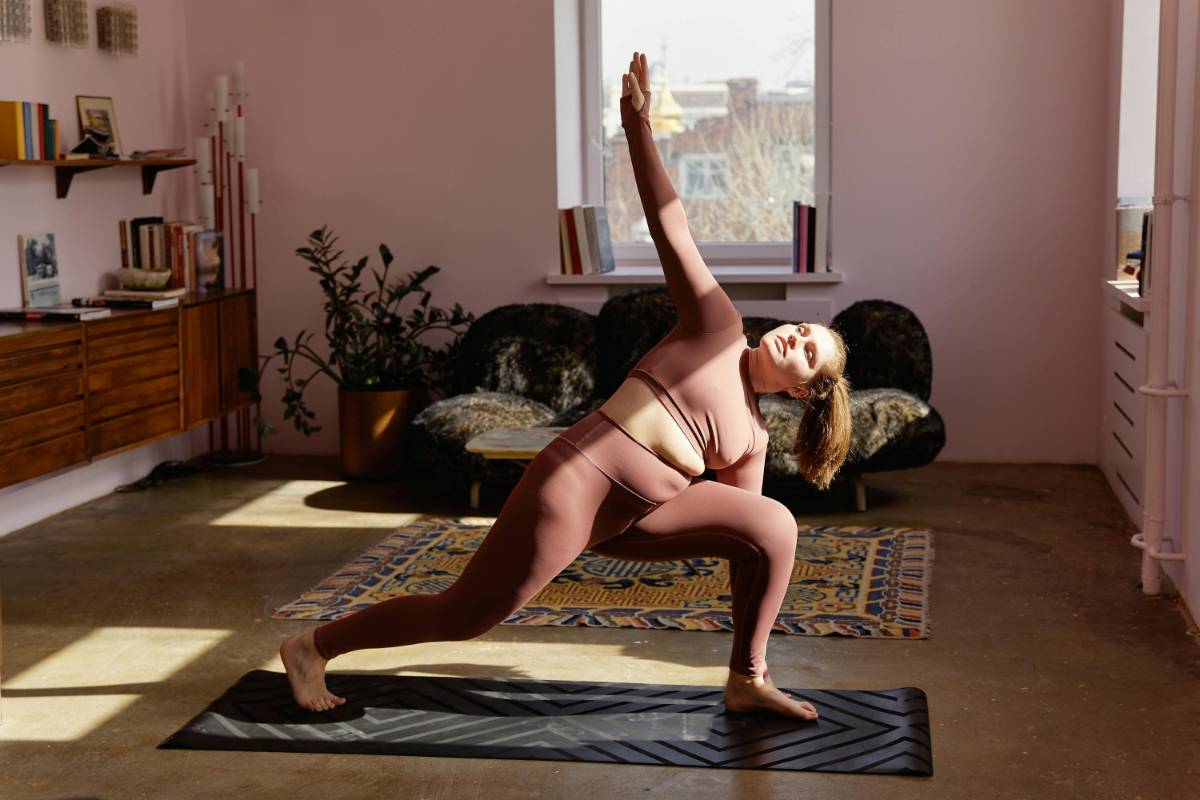
How to Adjust Your Workout Routine for Different Fitness Levels
Adjusting your workout routine to match your fitness level is crucial for achieving optimal results and preventing injury. Whether you are a beginner, intermediate, or advanced exerciser, tailoring your routine to your specific needs can help you progress safely and effectively. Here’s how to adjust your workout routine for different fitness levels.

4 min read | 08 Apr 2025
Sample Weekly Workout Routines for Different Fitness Goals
Creating a workout routine tailored to your fitness goals is essential for achieving success. Whether your aim is to build muscle, lose weight, or improve overall fitness, having a structured plan can help you stay focused and motivated. Here are sample weekly workout routines for various fitness goals to guide you in designing your personalized plan.
RECENT POSTS
1
The Importance of Using Heat Protectant on Your Hair
4 min read | 30 Jan 20252
Tips for Preventing Hair Loss Naturally
3 min read | 29 Jan 20253
The Benefits of Using a Hair Mask Weekly
2 min read | 28 Jan 20254
How to Choose the Right Shampoo for Your Hair Type
5 min read | 27 Jan 20255
The Role of Serums in Skincare
2 min read | 26 Jan 20256
How to Exfoliate Your Skin Safely
2 min read | 25 Jan 2025MORE POSTS

The Benefits and Risks of Herbal Weight Loss Products
3 min read | 14 Mar 2025
Natural Supplements to Support Metabolism
5 min read | 13 Mar 2025
Potential Side Effects of Common Weight Loss Supplements
3 min read | 12 Mar 2025
Are Meal Replacement Shakes Effective for Weight Loss?
4 min read | 11 Mar 2025
The Science Behind Fat-Burning Supplements
4 min read | 10 Mar 2025