How to Adjust Your Workout Routine for Different Fitness Levels

 By Aditi Sharma |
 3 min read
|09 Apr 2025Adjusting your workout routine to match your fitness level is crucial for achieving optimal results and preventing injury. Whether you are a beginner, intermediate, or advanced exerciser, tailoring your routine to your specific needs can help you progress safely and effectively. Here’s how to adjust your workout routine for different fitness levels.

1. Beginner Level
If you are new to exercise or just starting to get back into a routine, it's important to focus on building a solid foundation. Here’s how to adjust your workout for a beginner:
Start with Low-Intensity Exercises:
Begin with low-intensity exercises such as walking, light jogging, or cycling to build cardiovascular endurance. Aim for 20-30 minutes of cardio 2-3 times a week.

Focus on Basic Strength Training:
Incorporate basic strength training exercises using body weight or light weights. Focus on major muscle groups with exercises like squats, push-ups, and lunges. Perform 2-3 sets of 10-12 reps for each exercise.
Include Flexibility and Mobility Work:

Add stretching or yoga to improve flexibility and prevent injuries. Spend 10-15 minutes stretching after workouts or on rest days.
Allow for Adequate Recovery:
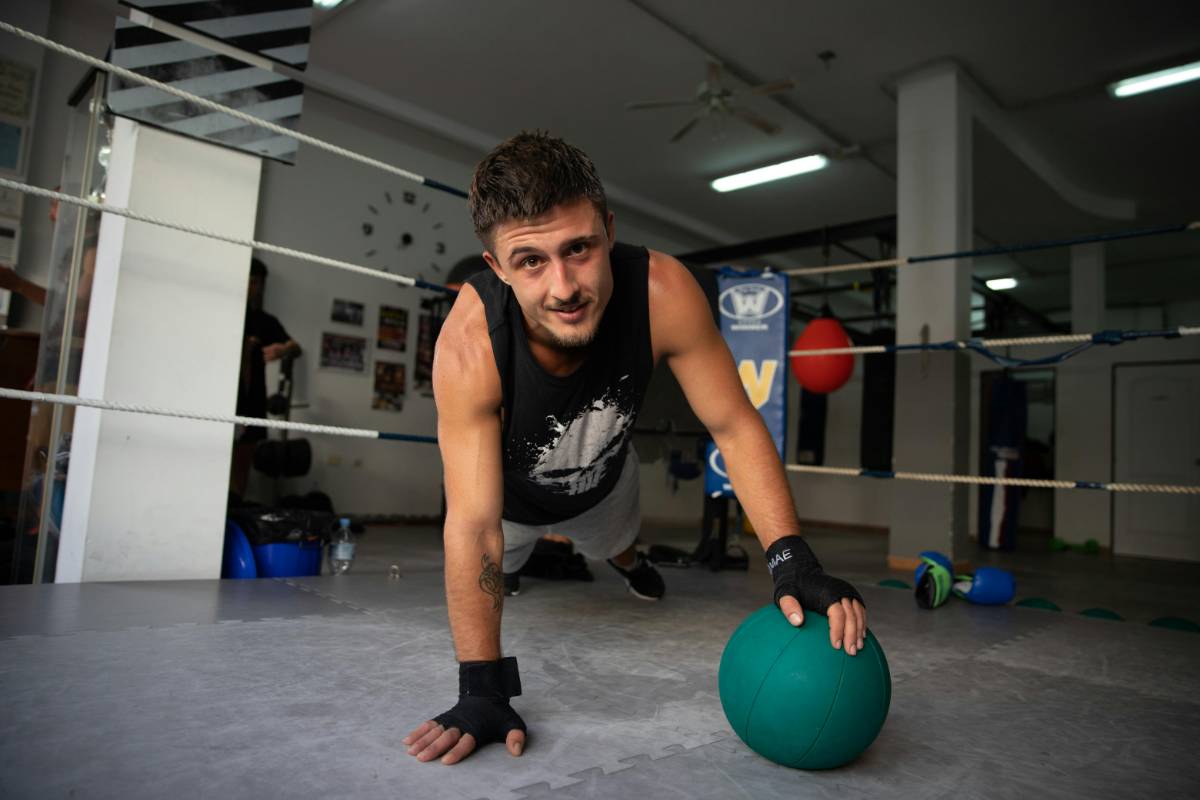
Rest is crucial for beginners. Ensure you have at least one or two rest days per week to allow your body to recover and adapt.
2. Intermediate Level
For those who have been consistently working out and want to take their fitness to the next level, adjusting your routine to include more variety and intensity can help continue progress:
Increase Exercise Intensity:
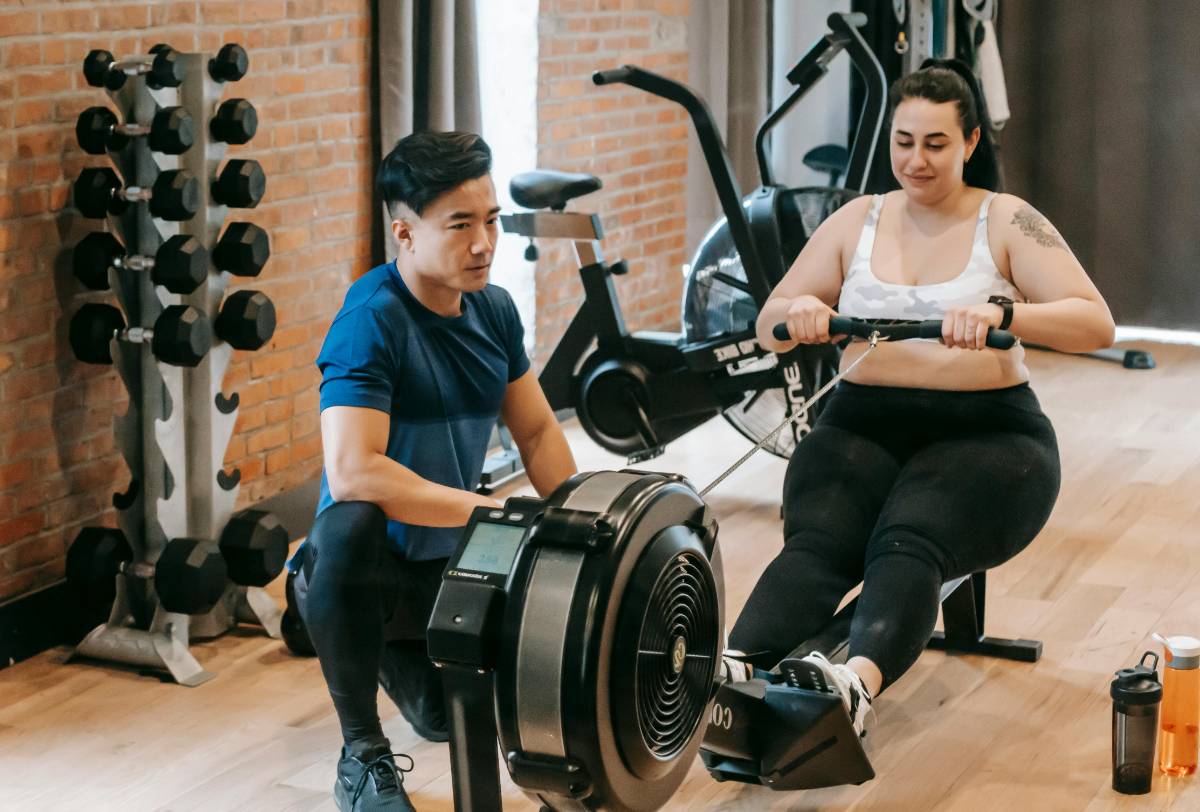
Incorporate moderate-intensity cardio such as running or cycling. Aim for 30-45 minutes, 3-4 times a week. Gradually increase the intensity and duration of your workouts.

Add Resistance Training:
Introduce more complex strength training exercises with moderate to heavy weights. Include compound movements like deadlifts, bench presses, and rows. Perform 3-4 sets of 8-12 reps for each exercise.
Incorporate Interval Training:
Add high-intensity interval training (HIIT) sessions to improve cardiovascular fitness and burn more calories. Alternate between periods of high-intensity exercise and recovery.
Focus on Balance and Coordination:

Incorporate exercises that improve balance and coordination, such as stability ball exercises or agility drills. This helps enhance overall functional fitness.
3. Advanced Level
For advanced exercisers, the focus shifts to optimizing performance, increasing strength, and achieving specific fitness goals. Here’s how to adjust your routine:
Implement Advanced Training Techniques:
Incorporate advanced techniques like supersets, drop sets, and pyramid training to challenge your muscles and avoid plateaus. This will enhance strength and muscle growth.
Focus on Sport-Specific Training:
If you have specific performance goals, such as training for a sport or competition, incorporate sport-specific drills and exercises into your routine. This can include agility training, plyometrics, or skill-based workouts.
Vary Your Routine:
Continuously vary your workouts to prevent boredom and keep your body challenged. This can include changing exercise modalities, adjusting workout splits, or incorporating new equipment.
Prioritize Recovery and Injury Prevention:
As an advanced exerciser, you are at higher risk for overuse injuries. Focus on proper recovery strategies such as foam rolling, massage, and adequate sleep. Incorporate injury prevention exercises and listen to your body to prevent burnout.
4. General Tips for All Fitness Levels
Regardless of your fitness level, here are some general tips to help you adjust your workout routine effectively:
Listen to Your Body:
Pay attention to how your body responds to workouts. Adjust the intensity, volume, and type of exercise based on your energy levels, soreness, and overall well-being.
Set Realistic Goals:
Set achievable short-term and long-term goals to stay motivated and track your progress. This will help you stay focused and make adjustments as needed.
Stay Consistent:
Consistency is key to achieving fitness goals. Stick to your routine and make adjustments gradually to continue progressing without risking injury.
Seek Professional Guidance:
Consider consulting with a fitness professional or personal trainer to tailor a routine specifically for your needs and goals. They can provide valuable insights and ensure you’re performing exercises correctly.
By adjusting your workout routine according to your fitness level, you can maximize your results, avoid injury, and continue making progress towards your goals. Customize these guidelines to fit your needs and stay committed to your fitness journey.
Trending Around the Web
About the Author
Aditi Sharma
Aditi Sharma is a passionate health and wellness advocate, with a deep understanding of the challenges modern parents face. With a focus on holistic well-being, Aditi Sharma aims to empower mothers and families with practical tips, science-backed advice, and inspiring stories to promote a healthy lifestyle. Whether it's nutrition, fitness, mental health, or parenting, Aditi Sharma is committed to making health and wellness approachable and accessible for every SuperMoomy reader.
MORE ARTICLES

3 min read | 16 Mar 2025
Consulting with a Healthcare Provider About Supplements
Consulting with a healthcare provider before starting any new supplement is a crucial step in ensuring that you use supplements safely and effectively. Here’s why this consultation is important and how to make the most of it:

5 min read | 15 Mar 2025
How to Use Supplements Safely and Effectively
Supplements can play a valuable role in supporting overall health and addressing specific nutritional needs. However, using them safely and effectively requires careful consideration and informed decision-making. Here’s how to ensure you use supplements in a way that maximizes their benefits while minimizing potential risks.

3 min read | 14 Mar 2025
The Benefits and Risks of Herbal Weight Loss Products
Herbal weight loss products are popular among those seeking natural alternatives to support their weight management goals. While these products may offer benefits, it's important to be aware of the potential risks associated with their use. Here’s a comprehensive look at the benefits and risks of herbal weight loss products.

5 min read | 13 Mar 2025
Natural Supplements to Support Metabolism
Supporting a healthy metabolism is key for managing weight, energy levels, and overall well-being. While a balanced diet and regular exercise are fundamental, natural supplements can also play a role in boosting metabolic function. Here are some natural supplements known for their potential to support metabolism.

3 min read | 12 Mar 2025
Potential Side Effects of Common Weight Loss Supplements
Weight loss supplements are often marketed as quick fixes to shed pounds and achieve your fitness goals. While some may offer benefits, they can also come with potential side effects. Understanding these side effects is crucial for making informed choices about your weight loss strategy.

4 min read | 11 Mar 2025
Are Meal Replacement Shakes Effective for Weight Loss?
Meal replacement shakes have become a popular choice for those looking to lose weight or manage their nutrition conveniently. But how effective are they for weight loss? Let’s explore the benefits and potential drawbacks of incorporating these shakes into your diet.
RECENT POSTS
1
The Impact of Caffeinated and Sugary Drinks on Hydration
6 min read | 04 Mar 20252
How to Use Infused Water for Better Hydration
6 min read | 03 Mar 20253
The Role of Electrolytes in Hydration
5 min read | 02 Mar 20254
Hydrating Foods to Include in Your Diet
4 min read | 01 Mar 20255
How to Identify and Combat Dehydration
5 min read | 28 Feb 20256
Benefits of Drinking Water Before Meals
5 min read | 27 Feb 2025MORE POSTS

Best Cardio Exercises for Weight Loss
3 min read | 30 Mar 2025
10-Minute Workouts for Busy Schedules
3 min read | 29 Mar 2025
How to Create a Balanced Workout Routine
4 min read | 28 Mar 2025
Beginner’s Guide to Strength Training
5 min read | 27 Mar 2025
Mindful Eating: How It Can Help You Lose Weight
3 min read | 26 Mar 2025