How to Incorporate Healthy Foods into Your Pre- and Post-Workout Meals
 By Sayan Gosh |
 5 min read
|13 Apr 2025Incorporating healthy foods into your pre- and post-workout meals is crucial for optimizing performance, enhancing recovery, and supporting overall fitness goals. The right nutrients can provide energy, improve endurance, and aid in muscle repair. Here’s a guide on how to effectively include healthy foods in your workout meals to maximize their benefits.

Pre-Workout Nutrition
Eating the right foods before your workout can provide the necessary energy and fuel to enhance your performance. Focus on a balance of carbohydrates, proteins, and healthy fats to sustain energy levels and support muscle function.
1. Carbohydrates for Energy
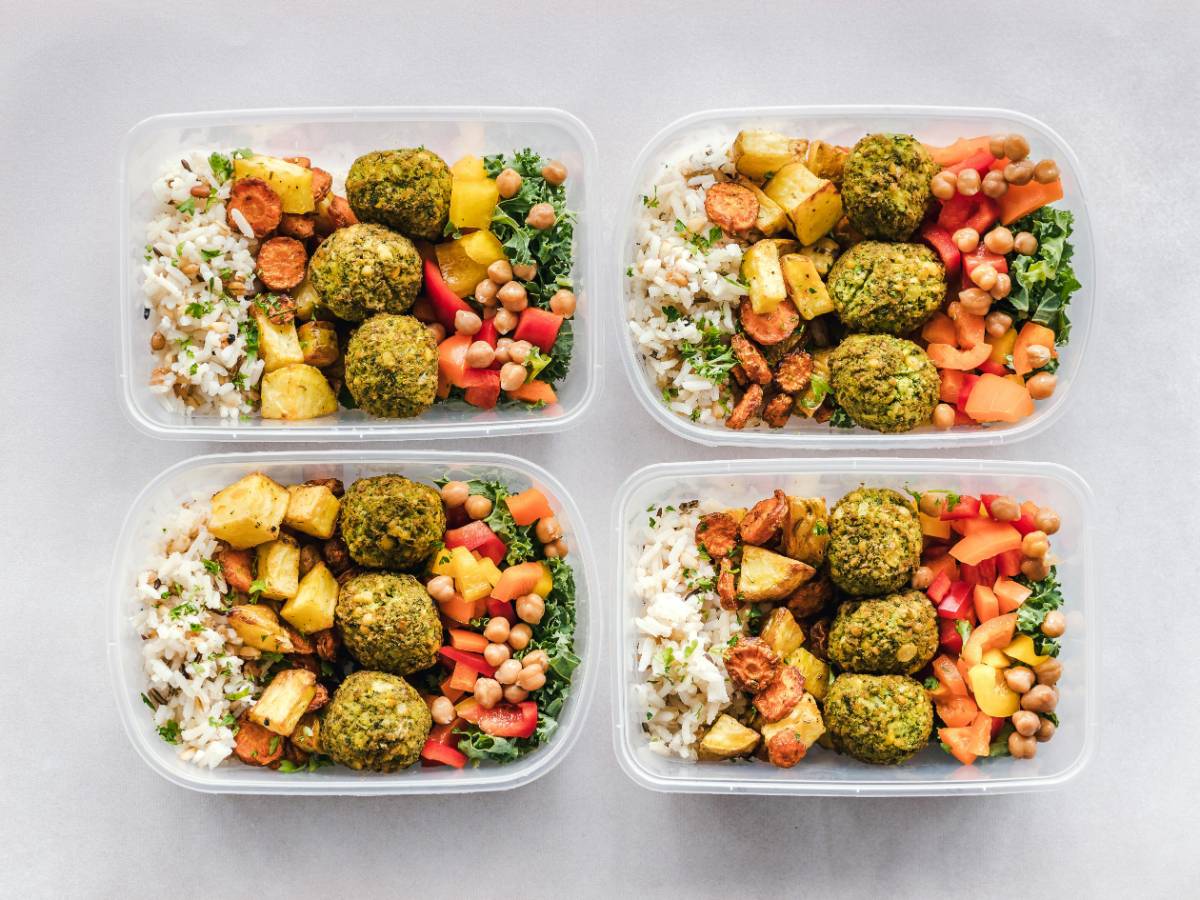
Carbohydrates are the primary source of energy for your workouts. Opt for complex carbohydrates that provide sustained energy, such as whole grains, oats, sweet potatoes, and fruits. These foods release glucose slowly into the bloodstream, helping maintain stable energy levels throughout your exercise session.

2. Protein for Muscle Support
Including a moderate amount of protein in your pre-workout meal helps prepare your muscles for exercise and supports muscle repair. Good sources of pre-workout protein include lean meats, Greek yogurt, eggs, and plant-based proteins like beans and lentils. Aim for protein-rich foods that are easily digestible and won’t cause discomfort during your workout.
3. Healthy Fats for Sustained Energy
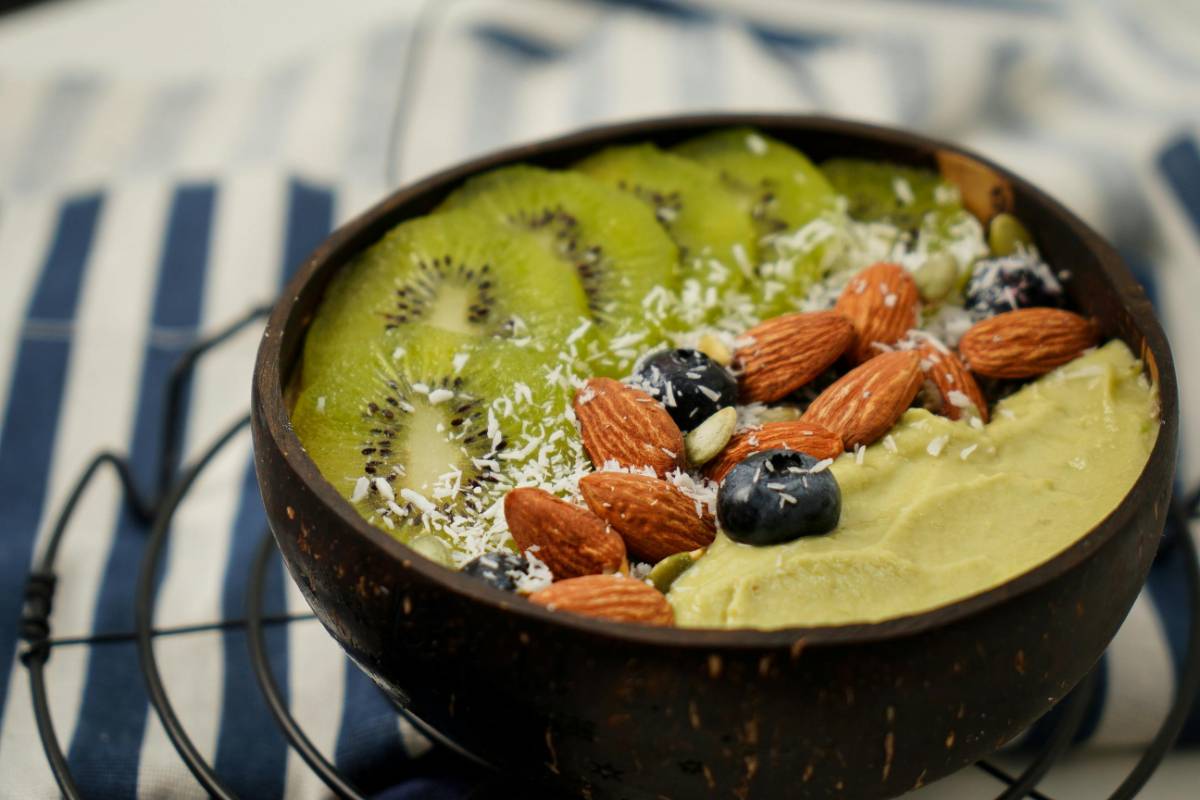
Healthy fats can provide a longer-lasting source of energy. Incorporate sources such as avocados, nuts, seeds, and olive oil into your pre-workout meal. These fats are absorbed slowly, which can help maintain energy levels during extended workout sessions.
4. Timing Your Pre-Workout Meal

Consume your pre-workout meal about 1 to 2 hours before exercise to allow your body enough time to digest and convert the food into usable energy. If you’re short on time, a smaller snack 30 minutes before your workout can also provide a quick energy boost. Consider options like a banana with a spoonful of almond butter or a small smoothie with fruit and yogurt.
Post-Workout Nutrition
After your workout, your body needs nutrients to repair muscles, replenish glycogen stores, and recover from physical exertion. A balanced post-workout meal with carbohydrates and protein is essential for optimal recovery.

1. Carbohydrates for Glycogen Replenishment
Replenishing glycogen stores is crucial after exercise, especially if you’ve had a high-intensity or long-duration workout. Focus on carbohydrate-rich foods such as brown rice, quinoa, whole-grain bread, and fruits. These foods help restore glycogen levels and support recovery.
2. Protein for Muscle Repair
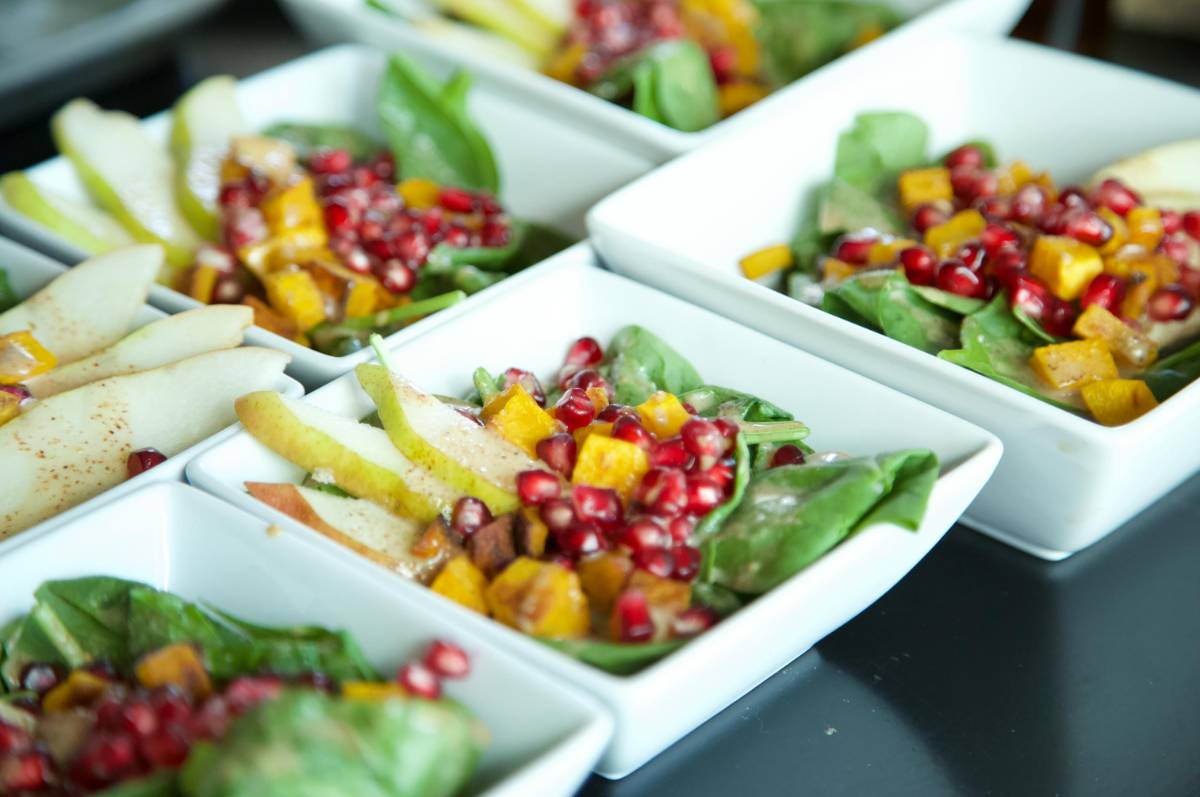
Post-workout protein is vital for muscle repair and growth. Aim to include a high-quality protein source in your meal, such as lean chicken, fish, tofu, or a protein shake. Consuming protein after exercise helps rebuild muscle tissue and enhances recovery.
3. Hydration for Replenishment
Rehydration is a critical aspect of post-workout recovery. Drink plenty of water to replace fluids lost through sweat. For longer or more intense workouts, consider adding an electrolyte-rich drink or coconut water to help restore essential minerals and prevent dehydration.
4. Timing Your Post-Workout Meal

Ideally, eat your post-workout meal within 30 to 60 minutes after exercising to maximize recovery. This time frame helps your body efficiently absorb nutrients and start the repair process. If you’re unable to have a full meal, a protein shake or smoothie with fruit and protein powder can be a convenient alternative.
Incorporating these healthy foods into your pre- and post-workout meals can enhance your exercise performance and recovery. By focusing on balanced nutrition, you can support your fitness goals, improve endurance, and achieve better results from your workouts. Tailor your meal choices to fit your individual needs and preferences, and remember to stay hydrated for optimal overall health.
Trending Around the Web
About the Author
Sayan Gosh
Sayan Gosh is a passionate health and wellness advocate, with a deep understanding of the challenges modern parents face. With a focus on holistic well-being, Sayan Gosh aims to empower mothers and families with practical tips, science-backed advice, and inspiring stories to promote a healthy lifestyle. Whether it's nutrition, fitness, mental health, or parenting, Sayan Gosh is committed to making health and wellness approachable and accessible for every SuperMoomy reader.
MORE ARTICLES

2 min read | 23 Mar 2025
Tips for Healthy Meal Prep and Batch Cooking
Meal prep and batch cooking are excellent strategies for maintaining a healthy diet, saving time, and reducing stress. By preparing meals in advance and cooking in batches, you can ensure that you always have nutritious options on hand. Here are some tips to help you make the most of your meal prep and batch cooking efforts.

2 min read | 22 Mar 2025
How to Create a Weekly Meal Plan
Creating a weekly meal plan can simplify your life, improve your nutrition, and help you stay organized. By planning your meals ahead of time, you can save time, reduce stress, and make healthier food choices. This guide will walk you through the steps to create an effective weekly meal plan that suits your dietary needs and lifestyle.

5 min read | 21 Mar 2025
The Benefits of Planning Your Meals Ahead
Planning your meals ahead can bring a host of benefits, making it easier to maintain a healthy diet, save time, and reduce stress. By taking the time to organize your meals in advance, you can enjoy better nutritional balance, increased convenience, and improved overall well-being. This article explores the various advantages of meal planning and how it can positively impact your lifestyle.
5 min read | 20 Mar 2025
Benefits of a Low-Sodium Diet
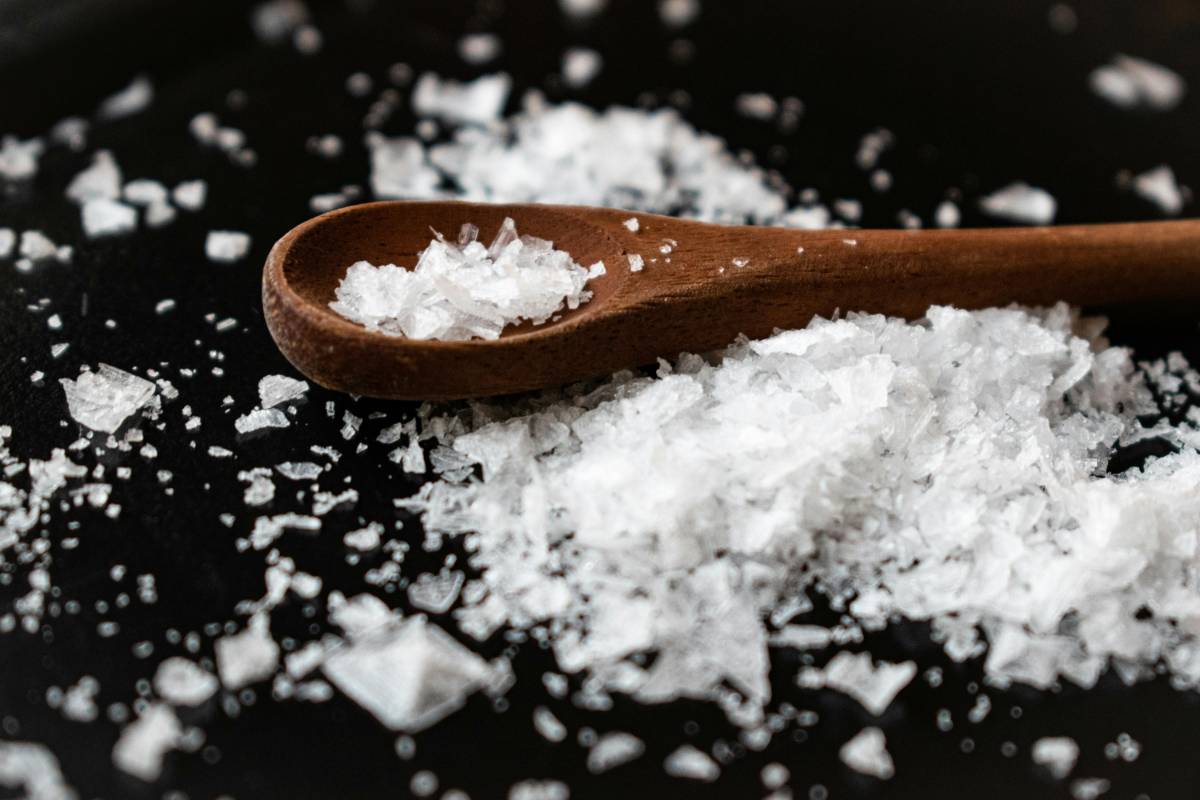
A low-sodium diet can significantly impact your overall health by reducing the risk of various health conditions and improving your quality of life. Sodium, commonly found in table salt and processed foods, can have adverse effects on the body when consumed in excess. By adopting a low-sodium diet, you can enjoy numerous benefits and enhance your well-being. This article explores the advantages of reducing sodium intake and how it can positively affect your health.
5 min read | 19 Mar 2025
How to Balance Salt and Flavor in Your Meals
Finding the right balance between salt and flavor in your meals is essential for maintaining a healthy diet without sacrificing taste. While salt enhances flavor, excessive consumption can lead to health issues such as high blood pressure. Fortunately, there are many ways to season your food creatively and healthily. This article provides practical tips for achieving a delicious balance between salt and flavor in your meals.

4 min read | 18 Mar 2025
The Impact of Salt on Blood Pressure
Salt, primarily composed of sodium chloride, is a common ingredient in many foods. While it enhances flavor and acts as a preservative, excessive salt intake can have a significant impact on blood pressure, contributing to a range of health issues. Understanding the relationship between salt and blood pressure is crucial for maintaining cardiovascular health. This article explores how salt affects blood pressure and provides tips for managing your sodium intake.
RECENT POSTS
1
The Basics of a Balanced Diet: What You Need to Know
3 min read | 07 Mar 20252
How to Create a Nighttime Routine for Better Sleep and Skin Health
3 min read | 06 Mar 20253
Understanding the Basics of Oral Hygiene
3 min read | 05 Mar 20254
The Role of Hydration in Personal Care
5 min read | 04 Mar 20255
How to Maintain Healthy Nails: Tips and Tricks
2 min read | 03 Mar 20256
Choosing the Right Sunscreen for Your Skin Type
2 min read | 02 Mar 2025MORE POSTS

The Benefits of Using Beard Oil
4 min read | 28 Mar 2025
How to Maintain a Healthy Beard
2 min read | 27 Mar 2025
The Importance of Foot Exfoliation
5 min read | 26 Mar 2025
The Role of Moisturizers in Hand and Foot Care
2 min read | 25 Mar 2025
Best Practices for Nail Care at Home
5 min read | 24 Mar 2025