How to Incorporate Resistance Bands into Your Strength Training
 By Prince Matthews |
 4 min read
|24 Jan 2025Resistance bands are a versatile and effective tool for enhancing your strength training routine. They offer a unique way to add resistance and challenge your muscles without the need for heavy weights or specialized equipment. In this article, we’ll explore how to incorporate resistance bands into your strength training regimen, including the benefits, exercises, and tips for maximizing your results.

Understanding Resistance Bands
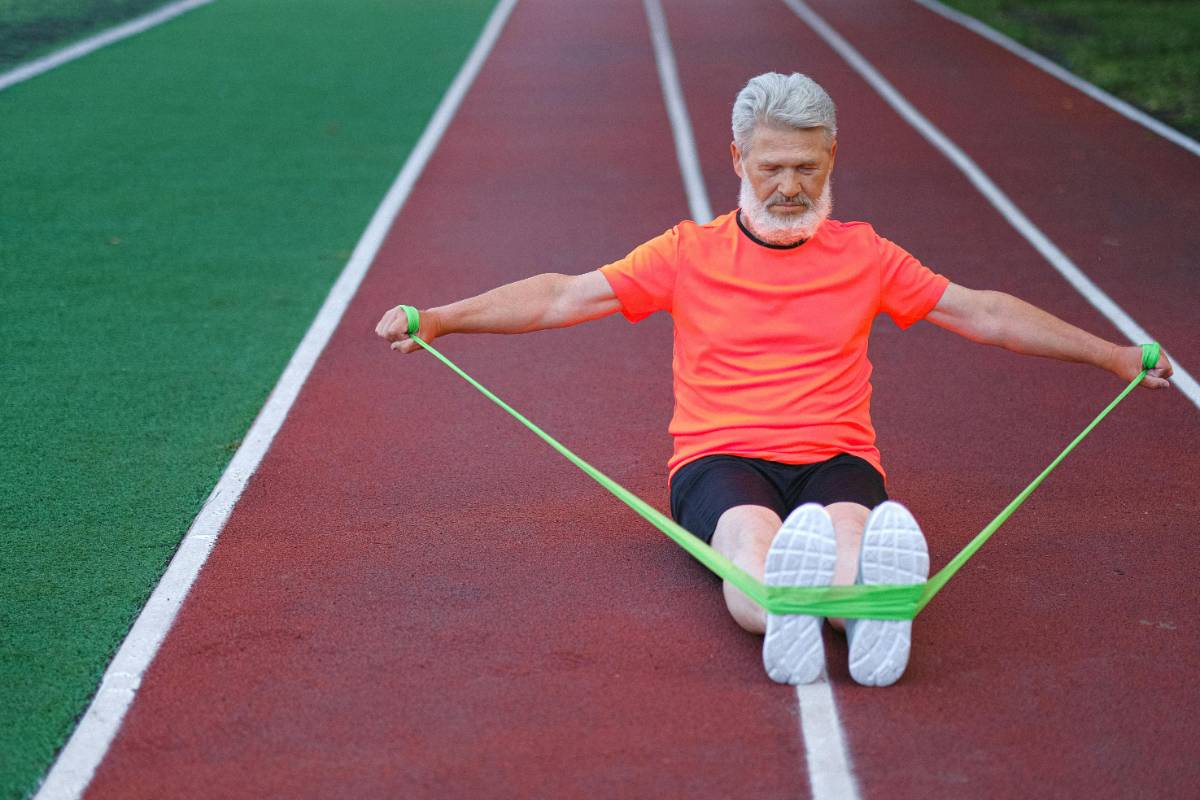
Resistance bands come in various sizes, lengths, and resistance levels, making them suitable for a wide range of exercises and fitness levels. They typically consist of elastic material that provides resistance during exercises, helping to build strength and improve flexibility. Some common types of resistance bands include:
Loop Bands: These bands are circular and can be used for a variety of exercises, including lower body and full-body workouts. They come in different resistance levels and sizes.
Theraband Bands: These are flat bands that can be used individually or with handles. They are often used for upper body and rehabilitation exercises.

Tube Bands: Tube bands have handles at the ends and provide a more focused resistance, making them suitable for upper body exercises and functional movements.
Benefits of Using Resistance Bands
Incorporating resistance bands into your strength training offers several benefits:

Versatility: Resistance bands can be used to target various muscle groups and perform a wide range of exercises, from basic movements to advanced routines.
Portability: Resistance bands are lightweight and easy to carry, making them an ideal option for home workouts or travel.

Variable Resistance: Unlike free weights, resistance bands provide variable resistance, which means the tension increases as the band stretches. This can enhance muscle activation and improve strength gains.
Reduced Impact: Resistance bands offer a low-impact alternative to traditional weightlifting, reducing the risk of joint strain and injury while still providing an effective workout.
Cost-Effective: Resistance bands are generally affordable compared to other fitness equipment, making them an accessible option for many people.

Effective Resistance Band Exercises
Here are some effective resistance band exercises to incorporate into your strength training routine:

Squats: Resistance bands can add extra resistance to your squats, helping to target the glutes, quads, and hamstrings. To perform a resistance band squat:
Stand with your feet shoulder-width apart and place a loop band around your thighs, just above your knees.
Perform a squat by bending your knees and lowering your hips, keeping your chest up and knees tracking over your toes. Push through your heels to return to the starting position.
Deadlifts: Resistance band deadlifts target the hamstrings, glutes, and lower back. To perform a resistance band deadlift:
Place a loop band under your feet and hold the ends of the band in your hands. Stand with your feet shoulder-width apart and hinge at your hips.

Lower your torso while keeping your back straight and knees slightly bent. Return to the starting position by extending your hips and squeezing your glutes.
Chest Press: Resistance bands can mimic the effects of a bench press, targeting the chest, shoulders, and triceps. To perform a resistance band chest press:
Anchor a tube band behind you at shoulder height or use a door anchor. Hold the handles in each hand and step forward to create tension in the band.
Press the handles forward until your arms are fully extended, then slowly return to the starting position while maintaining tension in the band.
Rows: Resistance band rows target the upper back, biceps, and forearms. To perform a resistance band row:
Anchor the band at a low point in front of you or use a door anchor. Hold the handles with your palms facing each other and step back to create tension.
Pull the handles towards your torso, keeping your elbows close to your sides and squeezing your shoulder blades together. Slowly return to the starting position.
Glute Bridges: Resistance bands can enhance glute activation during bridges, targeting the glutes and hamstrings. To perform a resistance band glute bridge:
Lie on your back with your knees bent and feet flat on the floor. Place a loop band around your thighs, just above your knees.
Lift your hips towards the ceiling, squeezing your glutes at the top of the movement. Lower your hips back down while maintaining tension in the band.
Shoulder Press: Resistance band shoulder presses work the shoulders, triceps, and upper chest. To perform a resistance band shoulder press:
Stand with your feet shoulder-width apart and hold the band handles at shoulder height. Press the handles overhead until your arms are fully extended, then lower them back to shoulder height.
Incorporating Resistance Bands into Your Routine
To effectively incorporate resistance bands into your strength training routine, consider the following tips:
Warm-Up: Begin your workout with a dynamic warm-up to prepare your muscles and joints for resistance band exercises.
Progressive Resistance: Gradually increase the resistance level of the bands or add more exercises to challenge your muscles and promote growth.
Combine with Free Weights: Use resistance bands in conjunction with free weights or bodyweight exercises to add variety and enhance your workouts.
Focus on Form: Maintain proper form and technique during exercises to maximize effectiveness and reduce the risk of injury.
Consistency: Incorporate resistance band exercises into your routine 2-3 times per week for balanced strength training and optimal results.
Common Mistakes to Avoid
When using resistance bands, avoid these common mistakes:
Overstretching: Avoid overstretching the bands, as this can cause them to snap or lose their effectiveness. Use bands within their intended range of motion.
Incorrect Anchor Points: Ensure that the bands are securely anchored or held to avoid accidents or ineffective exercises.
Neglecting Form: Maintain proper form and technique during exercises to prevent injury and ensure that you are targeting the intended muscle groups.
Final Thoughts
Resistance bands are a valuable addition to any strength training routine, offering versatility, portability, and effective resistance. By incorporating a variety of resistance band exercises, you can enhance your workouts, build strength, and achieve your fitness goals. Remember to focus on proper form, gradual progression, and consistency to make the most of your resistance band training.
Trending Around the Web
About the Author
Prince Matthews
Prince Matthews is a passionate health and wellness advocate, with a deep understanding of the challenges modern parents face. With a focus on holistic well-being, Prince Matthews aims to empower mothers and families with practical tips, science-backed advice, and inspiring stories to promote a healthy lifestyle. Whether it's nutrition, fitness, mental health, or parenting, Prince Matthews is committed to making health and wellness approachable and accessible for every SuperMoomy reader.
MORE ARTICLES

2 min read | 10 Feb 2025
How to Create a Balanced Daily Routine
Creating a balanced daily routine is essential for maintaining both physical and mental well-being. A well-structured routine can help you manage your time effectively, reduce stress, and ensure that you’re dedicating time to the activities that matter most. Whether you're juggling work, family, personal goals, or self-care, establishing a daily routine that balances these areas can lead to a more fulfilling and productive life.

4 min read | 09 Feb 2025
Managing Emotional Eating: Strategies and Tips
Emotional eating is a common response to stress, anxiety, boredom, and other emotions. It involves using food as a way to cope with feelings rather than to satisfy hunger. While it may provide temporary comfort, emotional eating can lead to unhealthy eating patterns, weight gain, and a negative impact on overall well-being. Understanding the triggers and learning how to manage emotional eating is crucial for maintaining a healthy relationship with food.

2 min read | 08 Feb 2025
The Importance of Regular Health Check-Ups
Regular health check-ups are a crucial aspect of maintaining overall well-being and preventing potential health issues. While many people may only visit the doctor when they feel unwell, routine check-ups play a vital role in early detection and management of various health conditions. By prioritizing these appointments, you can take proactive steps to safeguard your health and improve your quality of life.

3 min read | 07 Feb 2025
Building Healthy Habits for Long-Term Weight Management
Achieving and maintaining a healthy weight is a long-term commitment that involves building sustainable habits rather than relying on quick fixes. While fad diets and intense workout routines may offer temporary results, they often fail to provide lasting success. By focusing on creating healthy habits that you can maintain over time, you’ll be better equipped to manage your weight and improve your overall health.

3 min read | 06 Feb 2025
How Stress Impacts Your Weight and What You Can Do About It
Stress is a common part of life, but it can have a significant impact on your weight and overall health. Whether it’s due to work, personal relationships, or other factors, chronic stress can lead to weight gain or make it more challenging to lose weight. Understanding how stress affects your body and finding effective ways to manage it can help you maintain a healthy weight and improve your well-being.

3 min read | 05 Feb 2025
The Link Between Sleep and Weight Loss
The connection between sleep and weight loss is often overlooked, but it plays a crucial role in achieving and maintaining a healthy weight. Adequate sleep not only helps regulate your metabolism but also influences your appetite, energy levels, and overall well-being. Understanding the link between sleep and weight loss can help you make informed decisions about your health and fitness routine.
RECENT POSTS
1
The Science Behind HIIT and Its Benefits
3 min read | 19 Feb 20252
How to Incorporate HIIT into Your Existing Workout Routine
2 min read | 18 Feb 20253
HIIT Workouts for Burning Fat Quickly
5 min read | 17 Feb 20254
Creating a Beginner-Friendly HIIT Routine
4 min read | 16 Feb 20255
What is HIIT and Why is it Effective?
5 min read | 15 Feb 20256
How Flexibility Training Can Enhance Strength Workouts
4 min read | 14 Feb 2025MORE POSTS

How to Care for Dry, Cracked Hands
3 min read | 17 Mar 2025
Natural Alternatives to Shaving Cream
4 min read | 16 Mar 2025
How to Maintain a Clean Shave on the Go
2 min read | 15 Mar 2025
Best Practices for Grooming Sensitive Areas
3 min read | 14 Mar 2025
How to Care for Your Beard
3 min read | 13 Mar 2025