What is HIIT and Why is it Effective?

 By Christin Hume |
 5 min read
|15 Feb 2025High-Intensity Interval Training (HIIT) has gained popularity in recent years as a highly effective workout method that offers numerous benefits in a relatively short amount of time. HIIT involves alternating between intense bursts of exercise and periods of lower-intensity recovery or rest. This approach not only helps improve cardiovascular fitness but also enhances overall strength and endurance. In this article, we will explore what HIIT is, how it works, and why it is so effective for achieving fitness goals.

Understanding HIIT
HIIT is a form of exercise that alternates between high-intensity intervals and low-intensity recovery periods. During the high-intensity phases, you perform exercises at maximum effort, which can include activities such as sprinting, jumping, or intense bodyweight exercises. During the recovery phases, you engage in lower-intensity activities or complete rest to allow your body to partially recover before the next high-intensity interval.
Key Components of HIIT
Intensity

The primary feature of HIIT is the intensity of the exercise. During the high-intensity intervals, the goal is to push yourself to near-maximal effort, which leads to increased heart rate and calorie burn.
Intervals
HIIT workouts are structured around alternating intervals of high-intensity exercise and lower-intensity recovery. The duration and ratio of these intervals can vary depending on the specific workout or fitness goals.

Recovery
Recovery periods are crucial in HIIT as they allow your body to catch its breath and prepare for the next intense interval. Recovery can be active (such as walking or light jogging) or complete rest.

Why HIIT is Effective
HIIT is effective for several reasons, including
Efficient Workouts

HIIT workouts are designed to be completed in a shorter amount of time compared to traditional exercise methods. This efficiency makes HIIT an appealing option for individuals with busy schedules who want to maximize their workout benefits in less time.
Increased Calorie Burn

The intense nature of HIIT leads to a higher calorie burn during and after the workout. This phenomenon, known as excess post-exercise oxygen consumption (EPOC), results in continued calorie burning even after the workout is finished.
Improved Cardiovascular Fitness
HIIT has been shown to significantly improve cardiovascular fitness by challenging the heart and lungs with high-intensity intervals. This can lead to enhanced aerobic capacity and overall cardiovascular health.
Enhanced Metabolic Rate
HIIT can boost your metabolic rate, which helps in burning more calories at rest. This increased metabolic rate can contribute to weight loss and improved body composition over time.

Versatility
HIIT workouts can be adapted to various fitness levels and preferences. They can include bodyweight exercises, resistance training, or cardio-based activities, making them a versatile option for different fitness goals.
Time Efficiency
One of the most significant advantages of HIIT is its time efficiency. HIIT workouts can be completed in as little as 15-30 minutes, making it a convenient choice for those who want to achieve significant results in a shorter workout duration.
How to Get Started with HIIT
If you’re new to HIIT, here are some tips to help you get started
Choose the Right Exercises
Select exercises that you enjoy and that challenge your fitness level. Common HIIT exercises include burpees, jumping jacks, high knees, and squat jumps.
Start Slow
If you’re new to HIIT, begin with shorter intervals and gradually increase the intensity and duration as your fitness improves.
Incorporate Rest Days
Allow time for recovery between HIIT workouts to prevent overtraining and reduce the risk of injury. Aim for at least one or two rest days per week.
Focus on Form
Proper form is crucial in HIIT to prevent injuries and ensure that you are getting the most benefit from each exercise. Pay attention to technique and make adjustments as needed.
Consult a Professional
If you’re unsure about how to start with HIIT or have specific fitness goals, consider consulting a fitness professional who can help design a personalized workout plan.
Final Thoughts
High-Intensity Interval Training (HIIT) offers a powerful and efficient way to improve cardiovascular fitness, burn calories, and achieve overall fitness goals. Its effectiveness lies in the combination of intense exercise intervals and strategic recovery periods, making it a versatile and time-efficient workout option. By understanding the principles of HIIT and incorporating it into your fitness routine, you can enjoy the benefits of a challenging and rewarding workout that fits into your busy lifestyle.
Trending Around the Web
About the Author
Christin Hume
Christin Hume is a passionate health and wellness advocate, with a deep understanding of the challenges modern parents face. With a focus on holistic well-being, Christin Hume aims to empower mothers and families with practical tips, science-backed advice, and inspiring stories to promote a healthy lifestyle. Whether it's nutrition, fitness, mental health, or parenting, Christin Hume is committed to making health and wellness approachable and accessible for every SuperMoomy reader.
MORE ARTICLES

3 min read | 30 Mar 2025
Best Cardio Exercises for Weight Loss
Cardiovascular exercise is a key component of any effective weight loss plan. By increasing your heart rate and burning calories, cardio helps create a calorie deficit, which is essential for losing weight. Here are some of the best cardio exercises to help you shed those extra pounds and achieve your fitness goals.

3 min read | 29 Mar 2025
10-Minute Workouts for Busy Schedules
Finding time for exercise can be challenging, especially with a busy schedule. However, short and effective workouts can help you stay fit even when time is limited. Here’s a guide to 10-minute workouts that can fit into any busy schedule and help you achieve your fitness goals.
4 min read | 28 Mar 2025
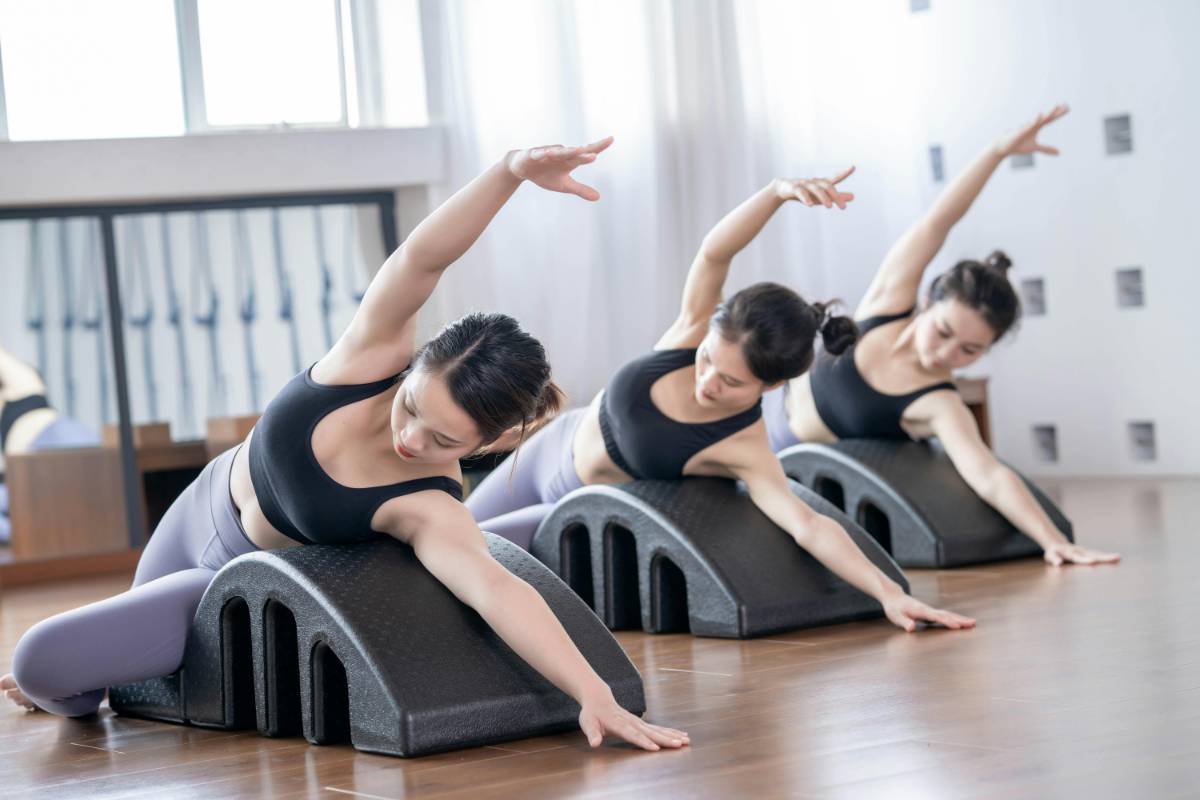
How to Create a Balanced Workout Routine
Creating a balanced workout routine is essential for achieving overall fitness and health. A well-rounded routine incorporates various types of exercise to ensure you develop strength, endurance, flexibility, and balance. Here’s a guide to help you create a balanced workout routine that aligns with your fitness goals.

5 min read | 27 Mar 2025
Beginner’s Guide to Strength Training
Strength training, also known as resistance training, is a key component of a balanced fitness routine. It involves using resistance to build muscle strength, endurance, and overall fitness. For beginners, starting a strength training program can be both exciting and overwhelming. This guide will help you understand the basics of strength training and provide tips on how to get started.

3 min read | 26 Mar 2025
Mindful Eating: How It Can Help You Lose Weight
Mindful eating is a practice that focuses on being fully present and attentive during meals. It encourages individuals to slow down, savor their food, and listen to their body's hunger and fullness cues. This approach can be particularly effective for weight loss, as it helps people develop a healthier relationship with food and reduce overeating. In this article, we'll explore the principles of mindful eating and how incorporating it into your routine can support your weight loss goals.
2 min read | 25 Mar 2025
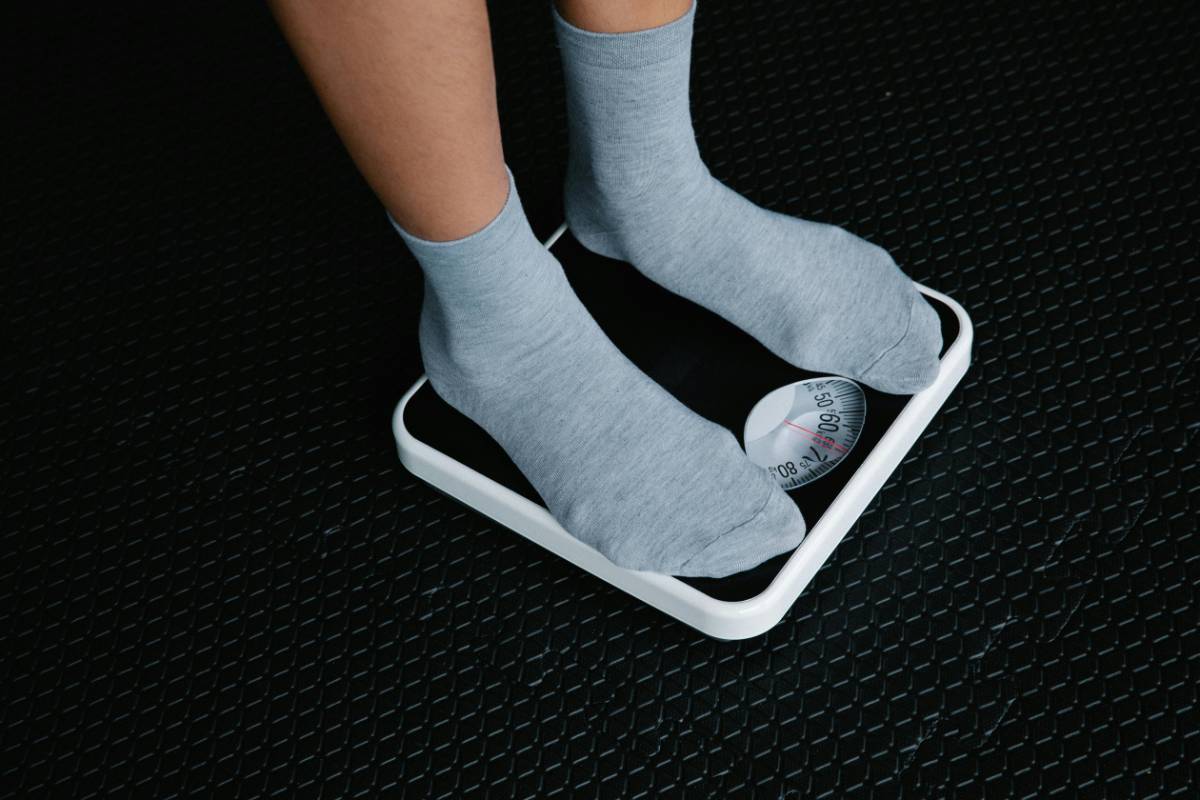
How to Overcome Weight Loss Plateaus
Experiencing a weight loss plateau can be frustrating, especially when you feel like you're putting in the effort but not seeing the results you want. Weight loss plateaus are common and can occur for various reasons, but the good news is that there are strategies you can use to overcome them and continue making progress toward your goals. In this article, we'll explore the reasons behind weight loss plateaus and offer practical tips to help you break through and keep moving forward.
RECENT POSTS
1
The Psychology of Portion Sizes
4 min read | 28 Jan 20252
Using Portion Control Plates and Tools
2 min read | 27 Jan 20253
Portion Control for Weight Management
4 min read | 26 Jan 20254
How to Measure Portion Sizes at Home
4 min read | 25 Jan 20255
The Science Behind Portion Control
3 min read | 24 Jan 20256
Tips for Eating Balanced on a Budget
4 min read | 23 Jan 2025MORE POSTS

How to Get Started with Cardio Exercises
5 min read | 28 Jan 2025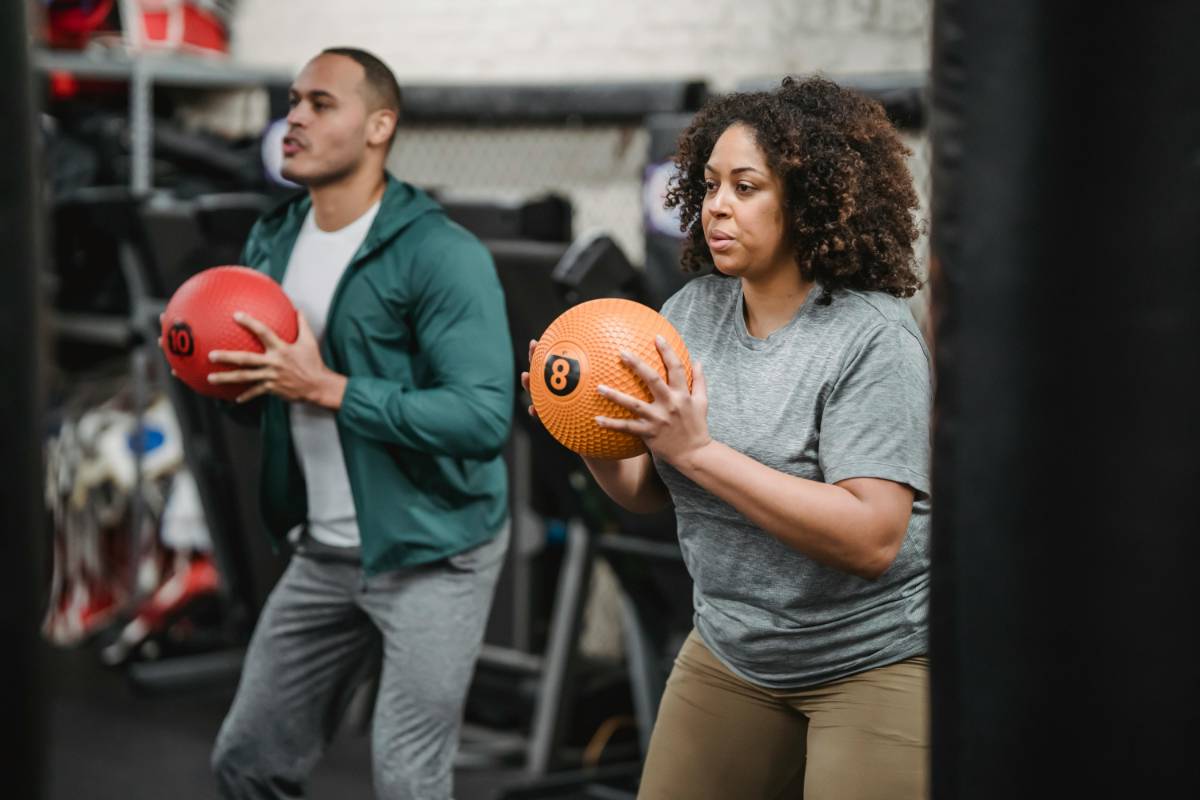
The Benefits of Strength Training for Weight Loss
4 min read | 27 Jan 2025
Creating an Effective Home Workout Routine
2 min read | 26 Jan 2025
How to Incorporate More Fruits and Vegetables into Your Diet
5 min read | 25 Jan 2025
The Pros and Cons of Intermittent Fasting
2 min read | 24 Jan 2025