How to Recover After an Intense HIIT Session

 By Neha Jain |
 4 min read
|22 Feb 2025High-Intensity Interval Training (HIIT) can be demanding on your body, pushing your limits and delivering significant fitness benefits. However, proper recovery is crucial to maximize these benefits and prevent injury or burnout. In this article, we'll explore effective strategies for recovering after an intense HIIT session.

Cool Down
Cooling down is essential after any high-intensity workout. It helps to gradually lower your heart rate and prevent dizziness or fainting. Spend a few minutes performing light aerobic exercises, such as walking or slow jogging, followed by gentle stretching. Focus on the major muscle groups worked during your HIIT session.
Hydration
Replenishing lost fluids is critical for recovery. HIIT workouts often lead to significant sweating, which can cause dehydration. Drink plenty of water after your workout to help rehydrate your body. In cases of particularly intense sessions or hot weather, consider adding an electrolyte drink to replace lost salts and minerals.

Nutrition
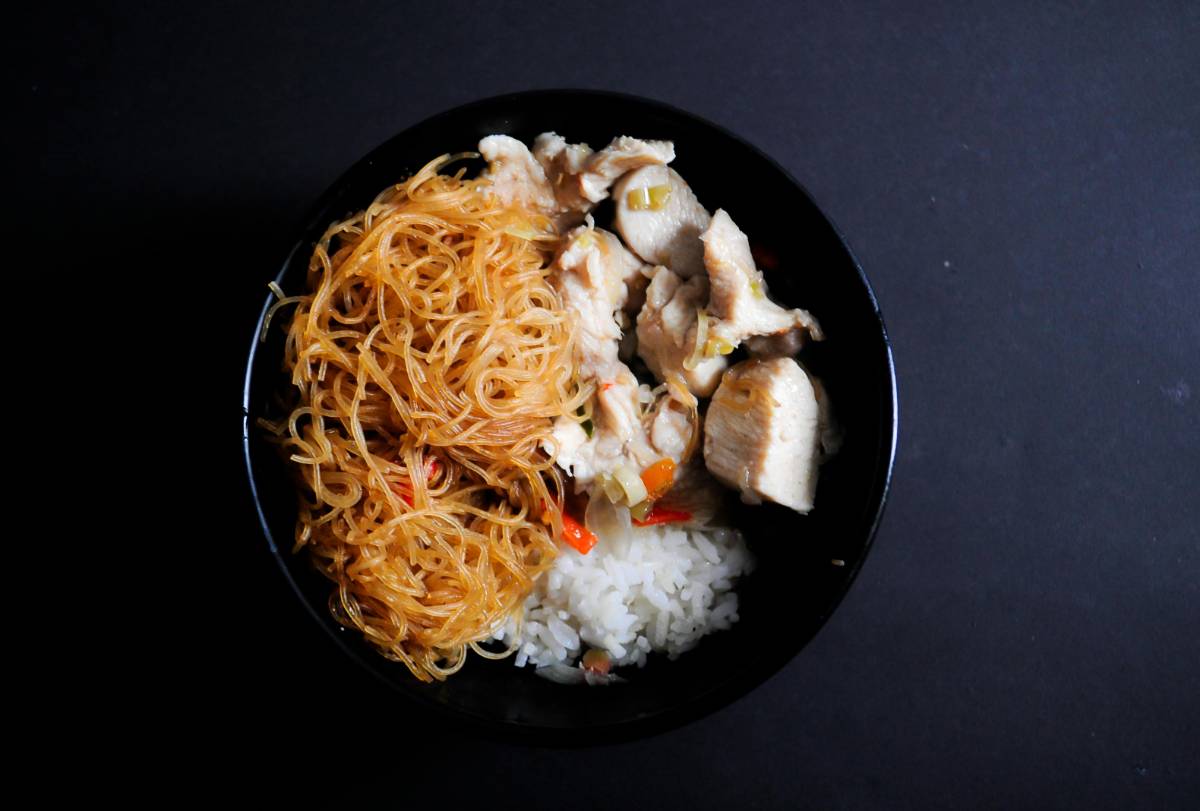
Proper nutrition plays a vital role in recovery. After an intense HIIT session, aim to consume a balanced meal or snack that includes protein, carbohydrates, and healthy fats. Protein helps repair and build muscle tissue, while carbohydrates restore glycogen levels. Include foods like lean meats, whole grains, fruits, and vegetables in your post-workout meal.
Rest and Sleep

Adequate rest is essential for muscle recovery and overall well-being. Ensure you get enough quality sleep each night, as this is when your body performs most of its repair and recovery processes. If you’re feeling particularly sore or fatigued, consider taking an additional rest day or engaging in light activities such as walking or gentle yoga.
Foam Rolling

Foam rolling, or self-myofascial release, can help alleviate muscle soreness and improve flexibility. Use a foam roller to gently massage your muscles, focusing on areas that feel tight or sore. This technique can increase blood flow to the muscles and aid in the recovery process.
Active Recovery
Incorporating active recovery days into your routine can help maintain fitness while allowing your body to recover. Activities like light jogging, swimming, or cycling at a low intensity can keep your muscles engaged without placing additional strain on them. Active recovery promotes circulation and helps remove metabolic waste products from the muscles.
Stretching
Stretching after your HIIT workout can help improve flexibility and reduce muscle stiffness. Focus on dynamic stretches during your warm-up and static stretches during your cool-down. Target the muscles that were most engaged during your workout, holding each stretch for 15-30 seconds.

Listen to Your Body
One of the most important aspects of recovery is listening to your body. Pay attention to signs of overtraining or excessive fatigue, and adjust your workout intensity or rest periods accordingly. If you experience persistent pain or discomfort, consider consulting a healthcare professional for advice.
Conclusion
Effective recovery after an intense HIIT session is essential for optimizing performance and preventing injury. By incorporating cool-downs, proper hydration, balanced nutrition, adequate rest, foam rolling, active recovery, and stretching into your routine, you can enhance your recovery and maintain overall fitness. Remember to listen to your body and make adjustments as needed to ensure you are ready for your next workout.
Trending Around the Web
About the Author
Neha Jain
Neha Jain is a passionate health and wellness advocate, with a deep understanding of the challenges modern parents face. With a focus on holistic well-being, Neha Jain aims to empower mothers and families with practical tips, science-backed advice, and inspiring stories to promote a healthy lifestyle. Whether it's nutrition, fitness, mental health, or parenting, Neha Jain is committed to making health and wellness approachable and accessible for every SuperMoomy reader.
MORE ARTICLES

2 min read | 22 Mar 2025
How to Create a Weekly Meal Plan
Creating a weekly meal plan can simplify your life, improve your nutrition, and help you stay organized. By planning your meals ahead of time, you can save time, reduce stress, and make healthier food choices. This guide will walk you through the steps to create an effective weekly meal plan that suits your dietary needs and lifestyle.

5 min read | 21 Mar 2025
The Benefits of Planning Your Meals Ahead
Planning your meals ahead can bring a host of benefits, making it easier to maintain a healthy diet, save time, and reduce stress. By taking the time to organize your meals in advance, you can enjoy better nutritional balance, increased convenience, and improved overall well-being. This article explores the various advantages of meal planning and how it can positively impact your lifestyle.
5 min read | 20 Mar 2025
Benefits of a Low-Sodium Diet
A low-sodium diet can significantly impact your overall health by reducing the risk of various health conditions and improving your quality of life. Sodium, commonly found in table salt and processed foods, can have adverse effects on the body when consumed in excess. By adopting a low-sodium diet, you can enjoy numerous benefits and enhance your well-being. This article explores the advantages of reducing sodium intake and how it can positively affect your health.
5 min read | 19 Mar 2025
How to Balance Salt and Flavor in Your Meals
Finding the right balance between salt and flavor in your meals is essential for maintaining a healthy diet without sacrificing taste. While salt enhances flavor, excessive consumption can lead to health issues such as high blood pressure. Fortunately, there are many ways to season your food creatively and healthily. This article provides practical tips for achieving a delicious balance between salt and flavor in your meals.

4 min read | 18 Mar 2025
The Impact of Salt on Blood Pressure
Salt, primarily composed of sodium chloride, is a common ingredient in many foods. While it enhances flavor and acts as a preservative, excessive salt intake can have a significant impact on blood pressure, contributing to a range of health issues. Understanding the relationship between salt and blood pressure is crucial for maintaining cardiovascular health. This article explores how salt affects blood pressure and provides tips for managing your sodium intake.

3 min read | 17 Mar 2025
Tips for Eating Out While Watching Your Sodium Intake
Eating out can be a challenge when you’re trying to manage your sodium intake, but with some careful planning and smart choices, you can still enjoy dining out while keeping your sodium levels in check. This article offers practical tips for making healthier choices at restaurants and fast food establishments to help you stay on track with your dietary goals.
RECENT POSTS
1
Tips for Healthy Meal Prep and Batch Cooking
2 min read | 23 Mar 20252
How to Create a Weekly Meal Plan
2 min read | 22 Mar 20253
The Benefits of Planning Your Meals Ahead
5 min read | 21 Mar 20254
Benefits of a Low-Sodium Diet
5 min read | 20 Mar 20255
How to Balance Salt and Flavor in Your Meals
5 min read | 19 Mar 20256
The Impact of Salt on Blood Pressure
4 min read | 18 Mar 2025MORE POSTS

How to Create a Relaxing Bath Routine
3 min read | 22 Feb 2025
The Role of Essential Oils in Body Care
4 min read | 21 Feb 2025
Best Ingredients for Soothing Dry Skin
4 min read | 20 Feb 2025
How to Prevent and Treat Body Acne
3 min read | 19 Feb 2025
Importance of Using SPF on Your Body
3 min read | 18 Feb 2025