How to Prevent and Treat Body Acne

 By Lewis Adam |
 3 min read
|19 Feb 2025Body acne, or acne on areas like the back, shoulders, and chest, can be just as frustrating as facial acne. It occurs when hair follicles become clogged with excess oil, dead skin cells, and bacteria. Preventing and treating body acne involves a combination of good skincare practices, lifestyle changes, and targeted treatments. This article provides practical advice on how to prevent and manage body acne effectively.

Preventing Body Acne
Preventive measures can help reduce the likelihood of developing body acne:
Maintain Good Hygiene: Regularly cleanse your body with a gentle exfoliating body wash to remove sweat, oil, and dead skin cells. Look for products containing salicylic acid or benzoyl peroxide, which help keep pores clear.
Wear Breathable Clothing: Choose clothing made from natural, breathable fabrics like cotton. Avoid tight-fitting clothes that trap sweat and oil against your skin, which can contribute to acne breakouts.

Shower After Sweating: After exercise or sweating, shower as soon as possible to remove sweat and prevent it from clogging pores. Ensure you use a body wash that targets acne or contains acne-fighting ingredients.
Avoid Touching Your Skin: Refrain from touching your body, especially areas prone to acne, with dirty hands. Touching can transfer bacteria and oil to your skin, exacerbating breakouts.
Treating Body Acne

If you already have body acne, the following treatments can help alleviate symptoms:
Use Topical Treatments: Apply topical treatments containing ingredients like benzoyl peroxide, salicylic acid, or alpha hydroxy acids (AHAs) to affected areas. These ingredients help reduce inflammation, unclog pores, and kill acne-causing bacteria.

Exfoliate Regularly: Regular exfoliation can help remove dead skin cells and prevent clogged pores. Use a gentle exfoliating scrub or a chemical exfoliant that contains salicylic acid or glycolic acid.
Moisturize Daily: Even if you have acne, moisturizing is essential. Use an oil-free, non-comedogenic moisturizer to keep your skin hydrated without clogging pores.
Consider Over-the-Counter Products: Over-the-counter acne treatments like gels, creams, and body washes can help manage body acne. Look for products specifically formulated for body acne and follow the instructions for use.

Consult a Dermatologist: If over-the-counter treatments aren’t effective or if your acne is severe, consult a dermatologist. They can prescribe stronger medications, such as topical antibiotics, retinoids, or oral medications, based on your specific needs.
Lifestyle Changes to Support Acne Treatment

In addition to topical treatments, certain lifestyle changes can support acne management:
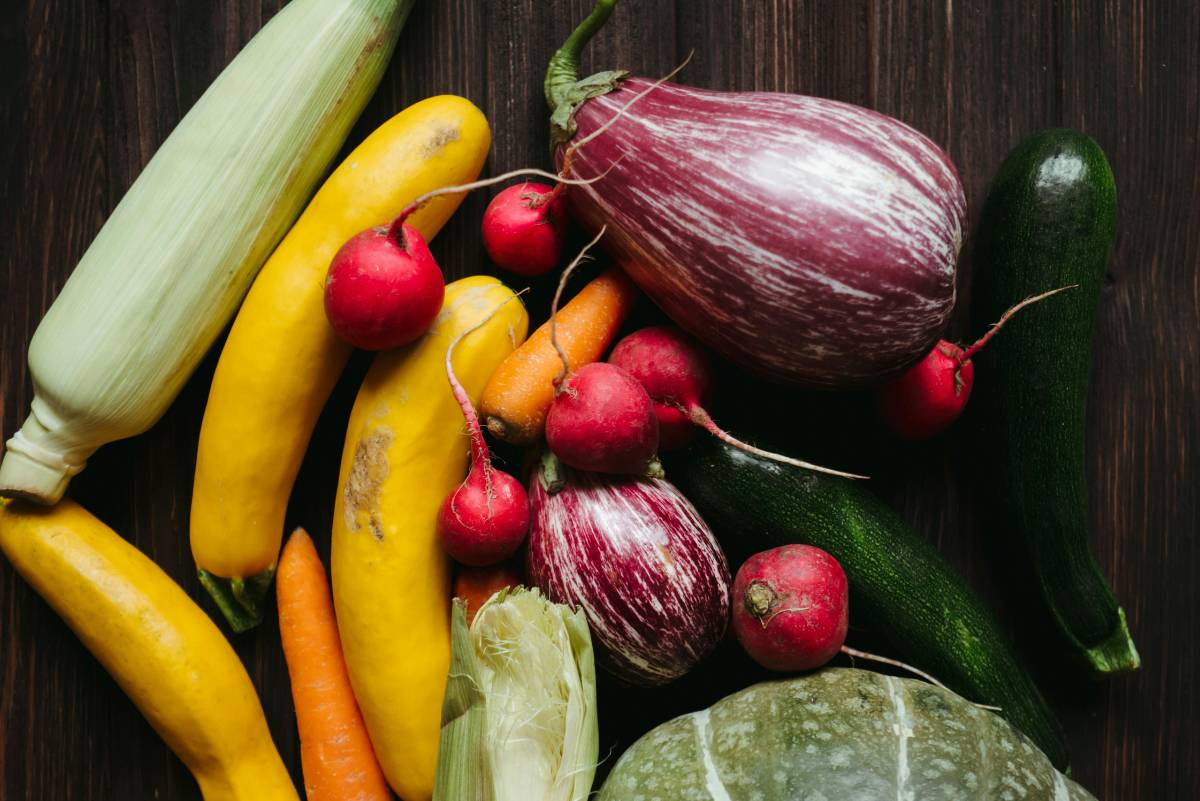
Maintain a Healthy Diet: Eating a balanced diet rich in fruits, vegetables, and whole grains can support overall skin health. Some studies suggest that high-glycemic foods and dairy products may exacerbate acne, so consider reducing their intake if you notice a correlation.
Stay Hydrated: Drinking plenty of water helps maintain skin hydration and can support the body's natural detoxification processes.
Avoid Excessive Sun Exposure: While some sun exposure can help with acne, excessive sun exposure can worsen acne and damage your skin. Use non-comedogenic sunscreen to protect your skin while preventing additional breakouts.
Preventing and treating body acne requires a comprehensive approach, including proper skincare, lifestyle adjustments, and, if necessary, professional treatments. By following these guidelines and maintaining good hygiene, you can reduce the risk of body acne and manage existing breakouts more effectively. If acne persists or worsens, seek advice from a dermatologist to explore advanced treatment options and achieve clearer, healthier skin.

Trending Around the Web
About the Author
Lewis Adam
Lewis Adam is a passionate health and wellness advocate, with a deep understanding of the challenges modern parents face. With a focus on holistic well-being, Lewis Adam aims to empower mothers and families with practical tips, science-backed advice, and inspiring stories to promote a healthy lifestyle. Whether it's nutrition, fitness, mental health, or parenting, Lewis Adam is committed to making health and wellness approachable and accessible for every SuperMoomy reader.
MORE ARTICLES

2 min read | 29 Jan 2025
Understanding Serving Sizes vs. Portion Sizes
Understanding the difference between serving sizes and portion sizes is crucial for effective portion control and maintaining a balanced diet. While these terms are often used interchangeably, they have distinct meanings and implications for managing food intake. This article will clarify the differences between serving sizes and portion sizes, their importance in nutrition, and how to use this knowledge to make healthier food choices.

4 min read | 28 Jan 2025
The Psychology of Portion Sizes
Portion sizes play a significant role in shaping our eating behaviors and influencing our overall health. The psychology behind portion sizes reveals how our perceptions and habits can impact how much we eat, even when we're not hungry. Understanding these psychological factors can help us make more informed choices about portion sizes and develop healthier eating habits. This article explores the psychology of portion sizes, how they affect our eating behaviors, and strategies for managing portion sizes effectively.

2 min read | 27 Jan 2025
Using Portion Control Plates and Tools
Portion control is a crucial aspect of maintaining a balanced diet and managing weight effectively. Utilizing portion control plates and tools can simplify the process of measuring and managing food portions, making it easier to adhere to nutritional goals and prevent overeating. This article explores the benefits of using portion control plates and tools, provides practical tips on how to use them effectively, and highlights some common options available to support your portion control efforts.
4 min read | 26 Jan 2025
Portion Control for Weight Management
Portion control is a critical component of effective weight management. It involves regulating the amount of food consumed during each meal to help maintain a healthy weight and support overall health. Understanding and implementing portion control can prevent overeating, ensure balanced nutrition, and assist in achieving weight-related goals. This article explores the importance of portion control for weight management, practical strategies to implement it, and common pitfalls to avoid.

4 min read | 25 Jan 2025
How to Measure Portion Sizes at Home
Measuring portion sizes accurately is a crucial step in maintaining a balanced diet and managing calorie intake. Proper portion control helps you enjoy a variety of foods while ensuring you meet your nutritional goals. By measuring portion sizes at home, you can better manage your food intake, avoid overeating, and maintain a healthy lifestyle. This article provides practical tips and techniques for measuring portion sizes effectively at home.
3 min read | 24 Jan 2025
The Science Behind Portion Control
Portion control is a fundamental aspect of maintaining a balanced diet and achieving overall health. It involves managing the amount of food consumed to ensure nutritional needs are met without overeating. The science behind portion control reveals how our body processes food, the factors influencing hunger and satiety, and practical strategies for effective portion management. This article delves into the scientific principles of portion control and how it can support a healthier lifestyle.
RECENT POSTS
1
Core Training Routines for Better Athletic Performance
3 min read | 16 Mar 20252
The Relationship Between Core Strength and Lower Back Health
2 min read | 15 Mar 20253
Advanced Core Exercises for Experienced Lifters
4 min read | 14 Mar 20254
How to Incorporate Core Training into Your Cardio Routine
5 min read | 13 Mar 20255
Top 5 Mistakes to Avoid in Core Training
3 min read | 12 Mar 20256
Using Stability Balls for Core Training
4 min read | 11 Mar 2025MORE POSTS
How Much Water Should You Drink Daily?
4 min read | 10 Feb 2025
The Role of Hydration in Overall Health
5 min read | 09 Feb 2025
How to Identify and Avoid Processed Foods
4 min read | 08 Feb 2025
The Environmental Benefits of Choosing Whole Foods
3 min read | 07 Feb 2025
Cooking with Whole Foods: Easy Recipes to Get Started
5 min read | 06 Feb 2025