Portion Control Tips to Avoid Overeating
 By Wilson Baker |
 3 min read
|12 Apr 2025Overeating can often lead to weight gain and discomfort, but practicing portion control can help you manage your food intake and support your health goals. Here are some effective tips to help you control portions and avoid overeating.

Use Smaller Plates and Bowls
One simple trick to control portion sizes is to use smaller plates and bowls. This can make your portions appear larger and help you eat less without feeling deprived. The visual effect of a full plate can signal to your brain that you’ve eaten enough.
Measure Your Food
Measuring your food can give you a better understanding of what a standard portion size looks like. Use measuring cups or a food scale to portion out your meals and snacks. This can help you develop a more accurate sense of portion sizes over time.

Read Food Labels
Food labels provide valuable information about portion sizes and nutritional content. Pay attention to serving sizes listed on packages and use this information to guide your portions. Be mindful of calories and nutrients to make healthier choices.
Eat Mindfully
Mindful eating involves paying full attention to the eating experience and recognizing hunger and fullness cues. Try to:
Chew Slowly: Take time to chew your food thoroughly and savor each bite. Eating slowly can help you recognize when you’re full and prevent overeating.

Avoid Distractions: Eat without distractions like television or smartphones. Focus on your meal to better gauge hunger and satisfaction.
Portion Out Snacks
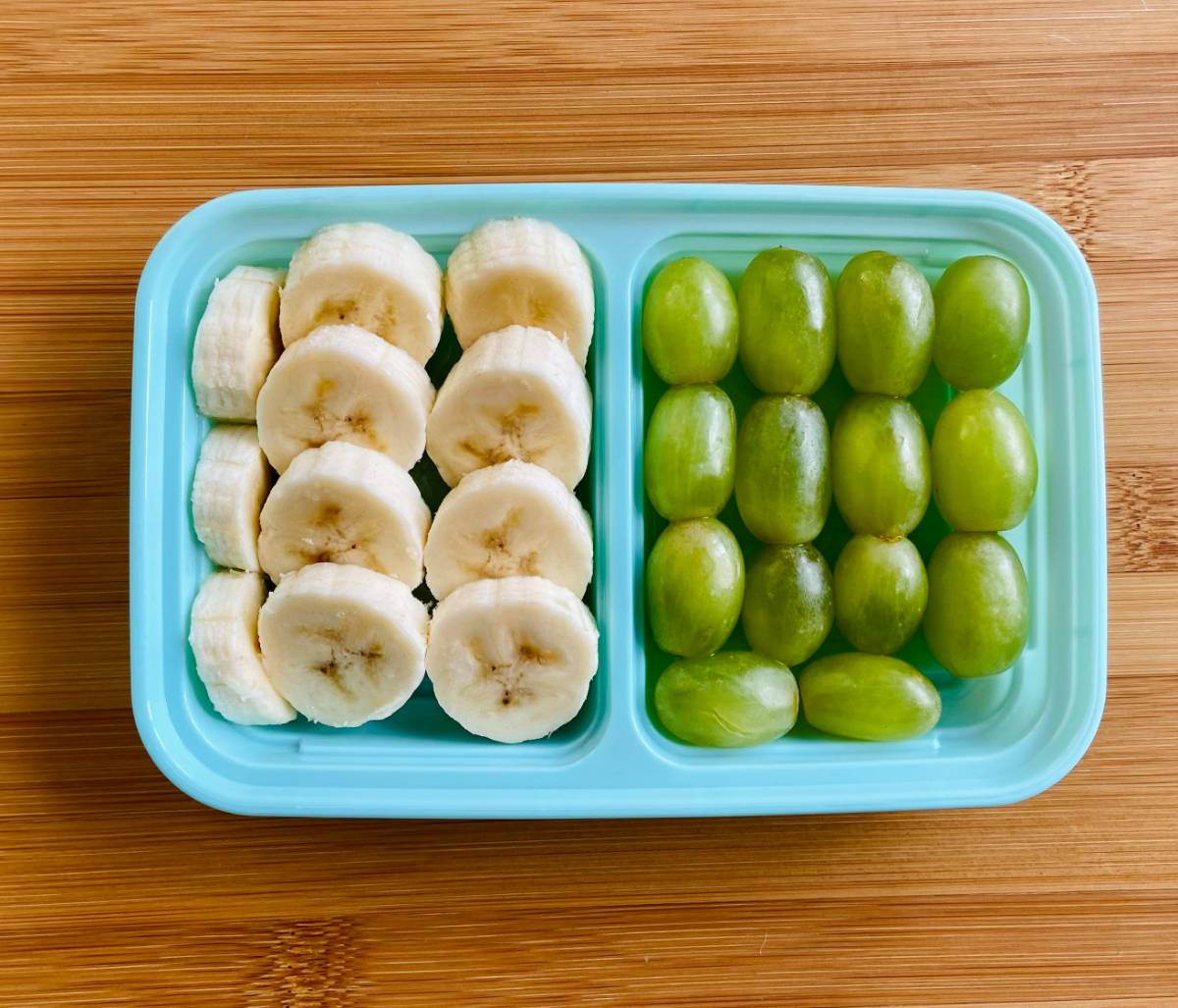
When it comes to snacks, portion them out instead of eating directly from the package. Use small containers or bags to manage your portions and avoid mindless snacking. Pre-portioning snacks can help you keep track of your intake and prevent overconsumption.

Listen to Your Body
Learning to listen to your body’s hunger and fullness signals is key to portion control. Pay attention to:
Hunger Cues: Eat when you’re genuinely hungry rather than out of boredom or stress. Recognizing true hunger can help you avoid unnecessary snacking.
Fullness Cues: Stop eating when you’re comfortably full, not when you’re stuffed. Eating to the point of fullness can help prevent overeating and promote better digestion.
Plan Your Meals
Planning your meals in advance can help you control portions and make healthier choices. Consider:
Meal Prepping: Prepare meals and snacks ahead of time to ensure you have balanced options readily available. Portion out meals into containers to control serving sizes.

Creating Balanced Meals: Plan meals that include a variety of food groups, such as vegetables, lean proteins, and whole grains. Balance your plate to ensure you’re getting the right nutrients without overloading on any one component.
Stay Hydrated
Sometimes thirst can be mistaken for hunger. Drinking water throughout the day can help you stay hydrated and may prevent unnecessary snacking. Consider:
Drinking a Glass of Water Before Meals: This can help you feel fuller and may reduce the amount you eat during meals.
Choosing Water-Rich Foods: Foods like fruits and vegetables with high water content can also help with hydration and satiety.
Practice Portion Control at Restaurants
Eating out can present portion control challenges. To manage portions at restaurants:
Share Dishes: Consider sharing entrees or appetizers with others to reduce portion sizes and calorie intake.
Ask for a To-Go Box: When your meal arrives, immediately portion out a serving to take home. This can help you avoid overeating and enjoy leftovers later.
By implementing these portion control tips, you can manage your food intake more effectively and support your overall health. Using smaller plates, measuring food, eating mindfully, and planning meals are all strategies that can help you maintain a balanced diet and prevent overeating.
Trending Around the Web
About the Author
Wilson Baker
Wilson Baker is a passionate health and wellness advocate, with a deep understanding of the challenges modern parents face. With a focus on holistic well-being, Wilson Baker aims to empower mothers and families with practical tips, science-backed advice, and inspiring stories to promote a healthy lifestyle. Whether it's nutrition, fitness, mental health, or parenting, Wilson Baker is committed to making health and wellness approachable and accessible for every SuperMoomy reader.
MORE ARTICLES
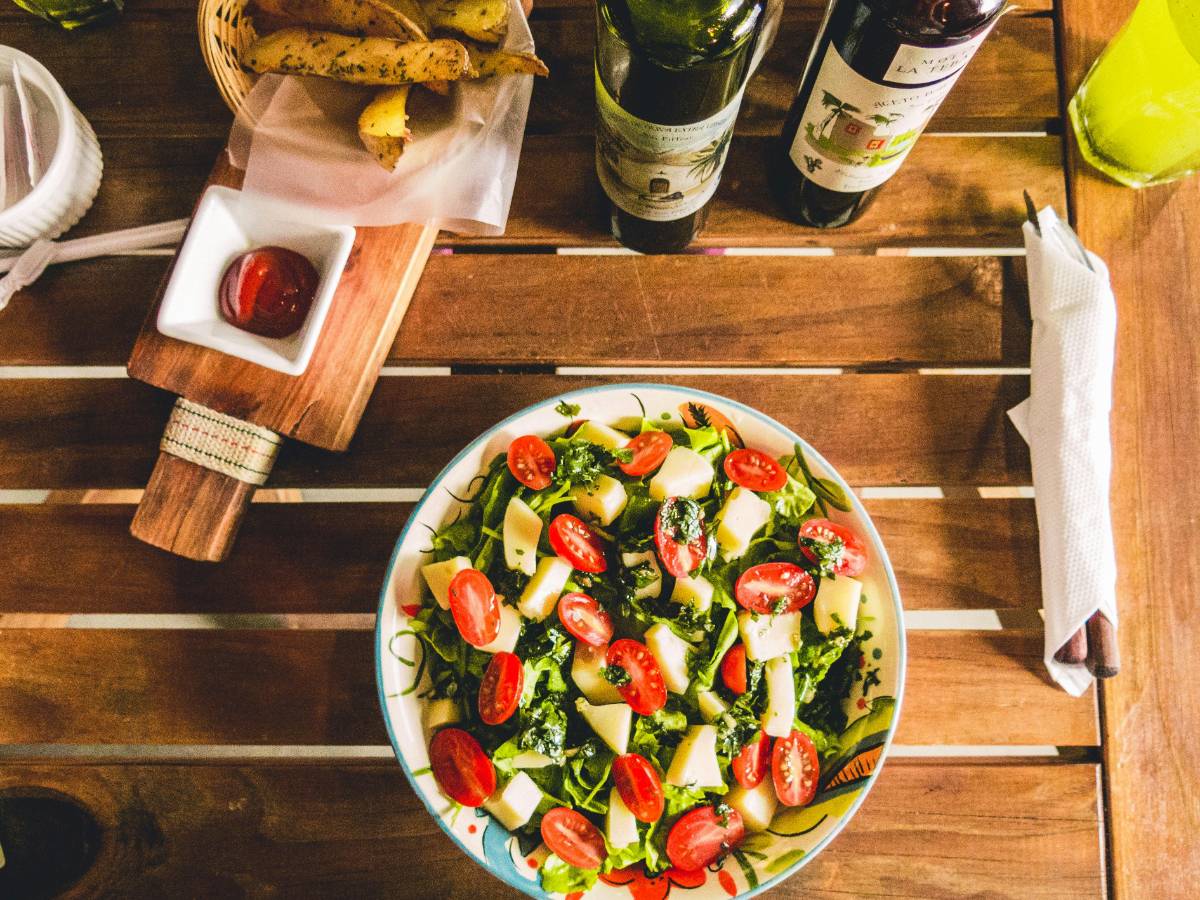
4 min read | 11 Apr 2025
The Importance of Portion Control in Weight Loss
Portion control is a crucial aspect of weight loss and overall healthy eating. It involves managing the quantity of food you consume to avoid overeating and maintain a balanced diet. Proper portion control helps regulate calorie intake, supports weight management, and promotes long-term health. Here’s why portion control is important for weight loss and how you can effectively implement it.

4 min read | 10 Apr 2025
How to Reduce Emotional Eating for Better Weight Management
Emotional eating, or eating in response to emotions rather than hunger, can hinder weight management and overall health. Recognizing the triggers and finding effective strategies to manage emotional eating are essential for achieving better weight control. Here’s a guide on how to reduce emotional eating and maintain a healthier relationship with food.

3 min read | 09 Apr 2025
The Best Home Workouts for Weight Loss
Home workouts offer a convenient and effective way to achieve your weight loss goals without needing a gym membership or specialized equipment. By incorporating a variety of exercises into your routine, you can target different muscle groups, boost your metabolism, and burn calories. Here’s a guide to some of the best home workouts for weight loss.

2 min read | 08 Apr 2025
How to Set Realistic Weight Loss Goals and Achieve Them
Setting realistic weight loss goals is crucial for achieving long-term success and maintaining motivation throughout your journey. By establishing attainable objectives and creating a clear plan, you can stay focused and make steady progress toward your desired weight. Here’s a guide on how to set realistic weight loss goals and effectively work toward achieving them.
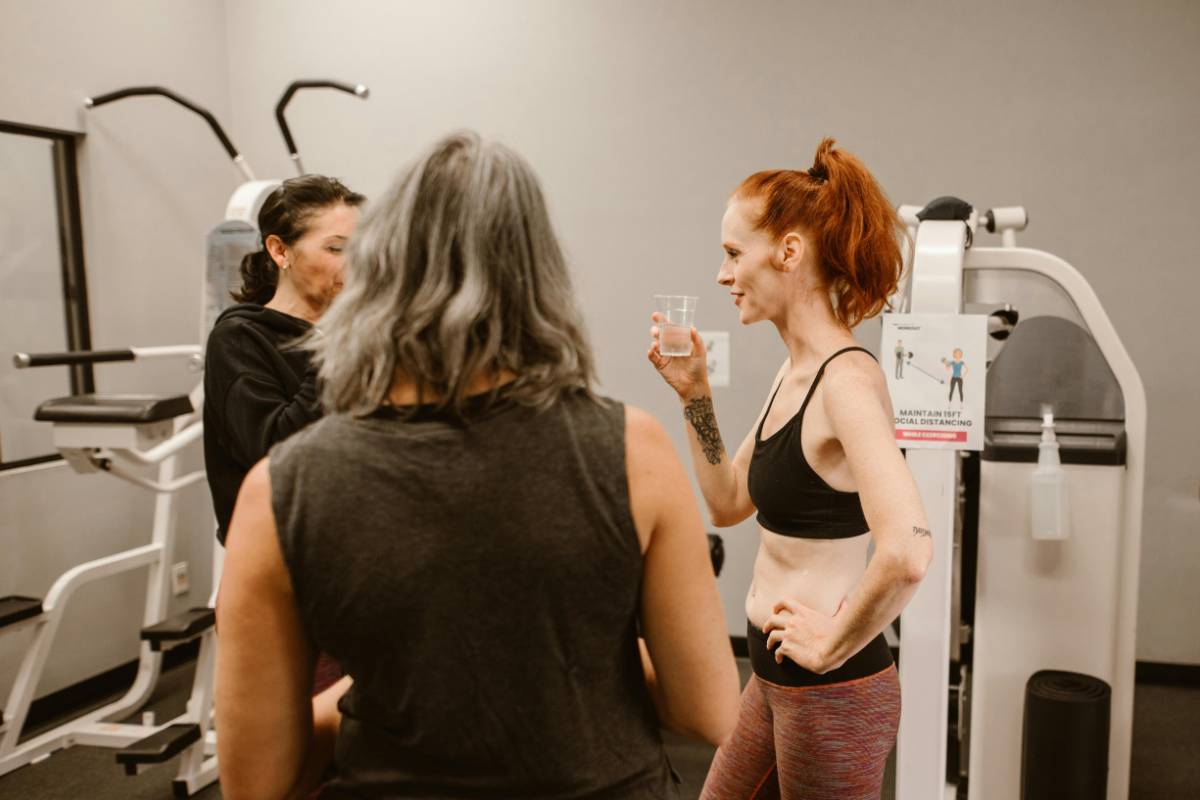
3 min read | 07 Apr 2025
The Role of Hydration in Weight Loss
Hydration is a crucial component of a successful weight loss strategy. Proper hydration supports various physiological processes that impact metabolism, appetite, and overall health. Understanding the role of hydration in weight loss can help you optimize your water intake and enhance your weight management efforts.
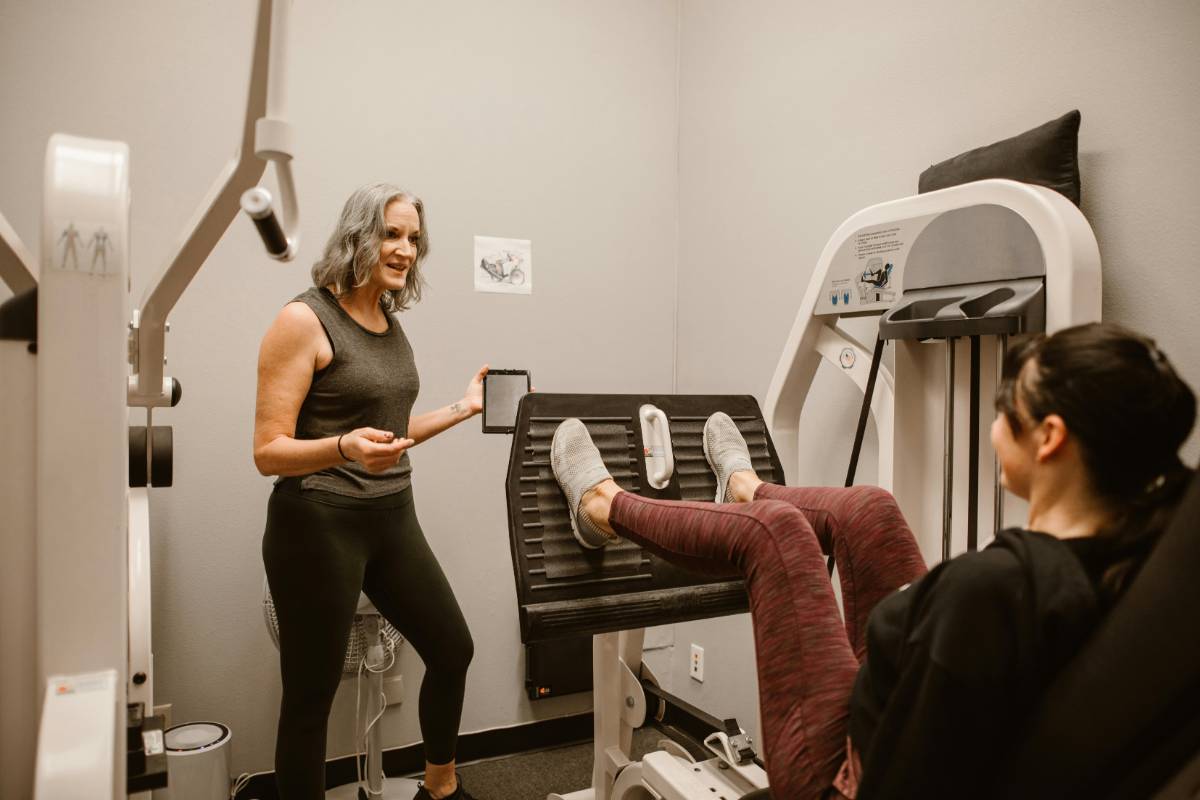
2 min read | 15 Apr 2025
How to Stay Motivated During Your Weight Loss Journey
Staying motivated throughout your weight loss journey can be challenging, but it's essential for achieving long-term success. Maintaining motivation helps you stay on track with your goals and make healthy choices consistently. Here are some effective strategies to help you stay motivated and committed to your weight loss journey.
RECENT POSTS
1
Best Practices for Coloring Your Hair at Home
3 min read | 01 Feb 20252
How to Treat Dandruff Effectively
5 min read | 31 Jan 20253
The Importance of Using Heat Protectant on Your Hair
4 min read | 30 Jan 20254
Tips for Preventing Hair Loss Naturally
3 min read | 29 Jan 20255
The Benefits of Using a Hair Mask Weekly
2 min read | 28 Jan 20256
How to Choose the Right Shampoo for Your Hair Type
5 min read | 27 Jan 2025MORE POSTS

The Benefits of Regular Facials and How to Do Them at Home
3 min read | 01 Mar 2025
Essential Grooming Tips for Men
4 min read | 28 Feb 2025
How to Create a Relaxing Self-Care Routine at Home
5 min read | 27 Feb 2025
The Importance of a Consistent Hair Care Regimen
4 min read | 26 Feb 2025
Daily Skincare Routine for Glowing Skin
4 min read | 25 Feb 2025