Mindful Eating: How to Develop a Healthy Relationship with Food

 By Sayan Gosh |
 2 min read
|16 Apr 2025In today’s fast-paced world, it’s easy to eat on the go or while distracted, often leading to overeating or unhealthy food choices. Mindful eating is the practice of paying full attention to the experience of eating and developing a healthier relationship with food. By becoming more aware of your food choices and eating habits, you can improve both your physical and mental well-being. Here’s how to cultivate the practice of mindful eating and create a positive connection with your meals.

Understand the Basics of Mindful Eating
Mindful eating is about slowing down and truly experiencing the act of eating. This means being aware of the taste, texture, and aroma of your food, as well as your hunger and fullness cues. Instead of eating on autopilot, mindful eating encourages you to be present in the moment and to make conscious choices that support your health.
Focus on the Present Moment
One of the key principles of mindful eating is focusing on the present moment. This means putting away distractions like phones, laptops, and televisions while eating. By eliminating distractions, you can fully concentrate on your meal, allowing you to appreciate each bite and recognize when you’re satisfied.

Listen to Your Body’s Hunger and Fullness Signals
Tuning into your body’s natural hunger and fullness signals is essential for mindful eating. Instead of eating out of boredom, stress, or habit, pay attention to your body’s cues. Eat when you’re hungry, and stop when you’re comfortably full. This approach can help prevent overeating and support a more balanced, intuitive way of eating.
Eat Slowly and Savor Each Bite
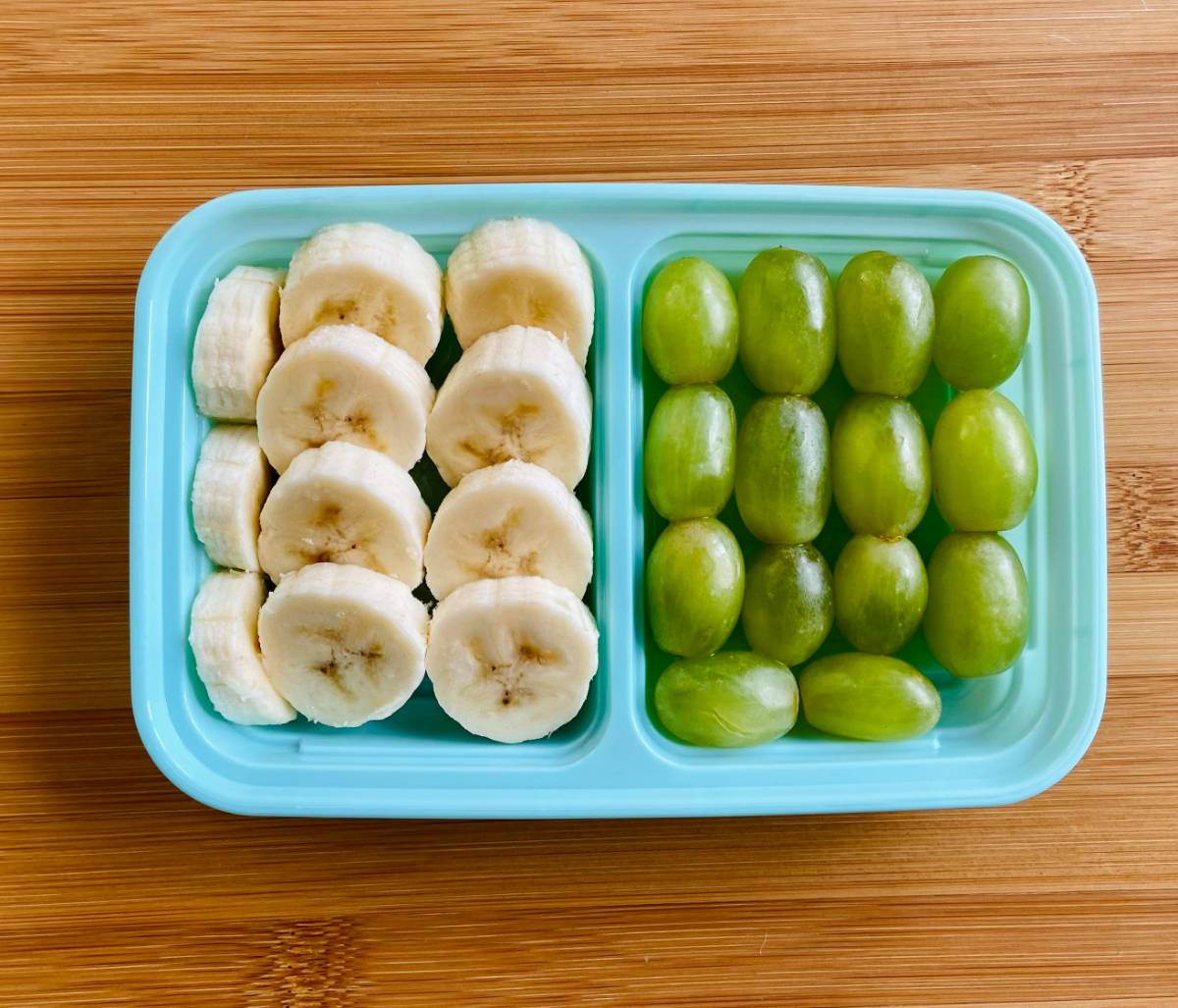
Eating slowly gives your body time to register fullness and helps you enjoy your meal more. Take smaller bites, chew thoroughly, and savor the flavors and textures of your food. By slowing down, you’ll not only improve digestion but also enhance your overall eating experience.
Appreciate Your Food

Mindful eating involves developing a sense of gratitude for the food you eat. Take a moment before your meal to reflect on where your food came from and the effort that went into preparing it. This practice can help you cultivate a deeper appreciation for your meals and encourage healthier, more intentional food choices.
Recognize Emotional Eating Triggers
Many people turn to food for comfort during times of stress, sadness, or anxiety. Mindful eating encourages you to recognize when emotional triggers are influencing your eating habits. By being aware of these triggers, you can respond to your emotions in healthier ways, such as practicing relaxation techniques or engaging in physical activity, rather than turning to food.

Choose Nourishing Foods
A key aspect of mindful eating is making thoughtful, nourishing food choices. Focus on incorporating a variety of whole foods into your diet, such as fruits, vegetables, whole grains, and lean proteins. By choosing foods that provide essential nutrients, you can support your body’s health while enjoying delicious, satisfying meals.

Practice Mindful Portion Control
Portion control is an important component of mindful eating. Rather than mindlessly finishing everything on your plate, pay attention to your body’s signals and eat until you’re satisfied, not overly full. You can also try using smaller plates or bowls to help manage portion sizes and prevent overeating.
Be Patient and Kind to Yourself
Developing a mindful eating practice takes time, and it’s important to be patient with yourself along the way. If you find yourself falling back into old eating habits, don’t be discouraged. Mindfulness is about being non-judgmental and compassionate toward yourself. Recognize any setbacks as learning opportunities and gently guide yourself back to mindful eating.
By adopting the practice of mindful eating, you can build a healthier relationship with food that promotes both physical and emotional well-being. Through greater awareness of your eating habits, listening to your body, and making nourishing food choices, you can enjoy your meals more fully while supporting your overall health and wellness.

Trending Around the Web
About the Author
Sayan Gosh
Sayan Gosh is a passionate health and wellness advocate, with a deep understanding of the challenges modern parents face. With a focus on holistic well-being, Sayan Gosh aims to empower mothers and families with practical tips, science-backed advice, and inspiring stories to promote a healthy lifestyle. Whether it's nutrition, fitness, mental health, or parenting, Sayan Gosh is committed to making health and wellness approachable and accessible for every SuperMoomy reader.
MORE ARTICLES

4 min read | 01 Mar 2025
Hydrating Foods to Include in Your Diet
Staying hydrated is essential for your overall health, and while drinking water is the most direct way to maintain hydration, incorporating hydrating foods into your diet can also be highly effective. These foods not only help keep you hydrated but also provide essential nutrients and vitamins. Here are some of the best hydrating foods to include in your diet:

5 min read | 28 Feb 2025
How to Identify and Combat Dehydration
Dehydration occurs when your body loses more fluids than it takes in, leading to a lack of sufficient water to perform its normal functions. Identifying and combating dehydration is crucial to maintaining your health and well-being. Here’s how you can recognize the signs of dehydration and take steps to prevent it:

5 min read | 27 Feb 2025
Benefits of Drinking Water Before Meals
Drinking water before meals is a simple habit with numerous health benefits. Incorporating this practice into your daily routine can positively impact your digestion, weight management, and overall well-being. Here are some of the key benefits of drinking water before meals:

6 min read | 26 Feb 2025
How Much Water Should You Drink Each Day?
Staying hydrated is essential for maintaining overall health, but how much water should you actually drink each day? The answer can vary based on factors such as age, weight, activity level, and climate. Here's a guide to help you understand your daily water needs and ensure you stay properly hydrated:

4 min read | 25 Feb 2025
The Importance of Staying Hydrated for Weight Loss
Staying hydrated is essential for overall health, and it plays a significant role in weight loss as well. Proper hydration supports various bodily functions, aids digestion, and can even help control hunger. Here's why staying hydrated is crucial for weight loss:

6 min read | 24 Feb 2025
Strategies for Building a Healthy Relationship with Food
Developing a healthy relationship with food is crucial for overall well-being and maintaining a balanced lifestyle. Here are some strategies to help you build a positive connection with what you eat:
RECENT POSTS
1
Consulting with a Healthcare Provider About Supplements
3 min read | 16 Mar 20252
How to Use Supplements Safely and Effectively
5 min read | 15 Mar 20253
The Benefits and Risks of Herbal Weight Loss Products
3 min read | 14 Mar 20254
Natural Supplements to Support Metabolism
5 min read | 13 Mar 20255
Potential Side Effects of Common Weight Loss Supplements
3 min read | 12 Mar 20256
Are Meal Replacement Shakes Effective for Weight Loss?
4 min read | 11 Mar 2025MORE POSTS

Best Practices for Grooming Sensitive Areas
3 min read | 14 Mar 2025
How to Care for Your Beard
3 min read | 13 Mar 2025
Benefits of Using a Shaving Brush
5 min read | 12 Mar 2025
How to Choose the Right Razor for Your Skin
2 min read | 11 Mar 2025
Tips for Preventing Razor Burn
2 min read | 10 Mar 2025