Strength Training vs. Cardio: Finding the Right Balance

 By Wilson Baker |
 5 min read
|14 Apr 2025When it comes to fitness, the debate between strength training and cardio is a common one. Both types of exercise offer unique benefits, and finding the right balance between them can help you achieve optimal health and fitness results. Here’s a comprehensive guide to understanding the differences and how to incorporate both into your routine.

Strength Training: Building Muscle and Boosting Metabolism
Strength training, also known as resistance training, involves exercises that build muscle strength and endurance. This can include lifting weights, using resistance bands, or performing bodyweight exercises. Here are some key benefits of strength training:
Muscle Growth and Definition:
Strength training stimulates muscle growth, leading to increased muscle mass and improved muscle definition. This can enhance your overall physique and strength.

Increased Metabolic Rate:
Building muscle through strength training increases your resting metabolic rate. This means you burn more calories at rest, which can help with weight management.
Improved Bone Health:
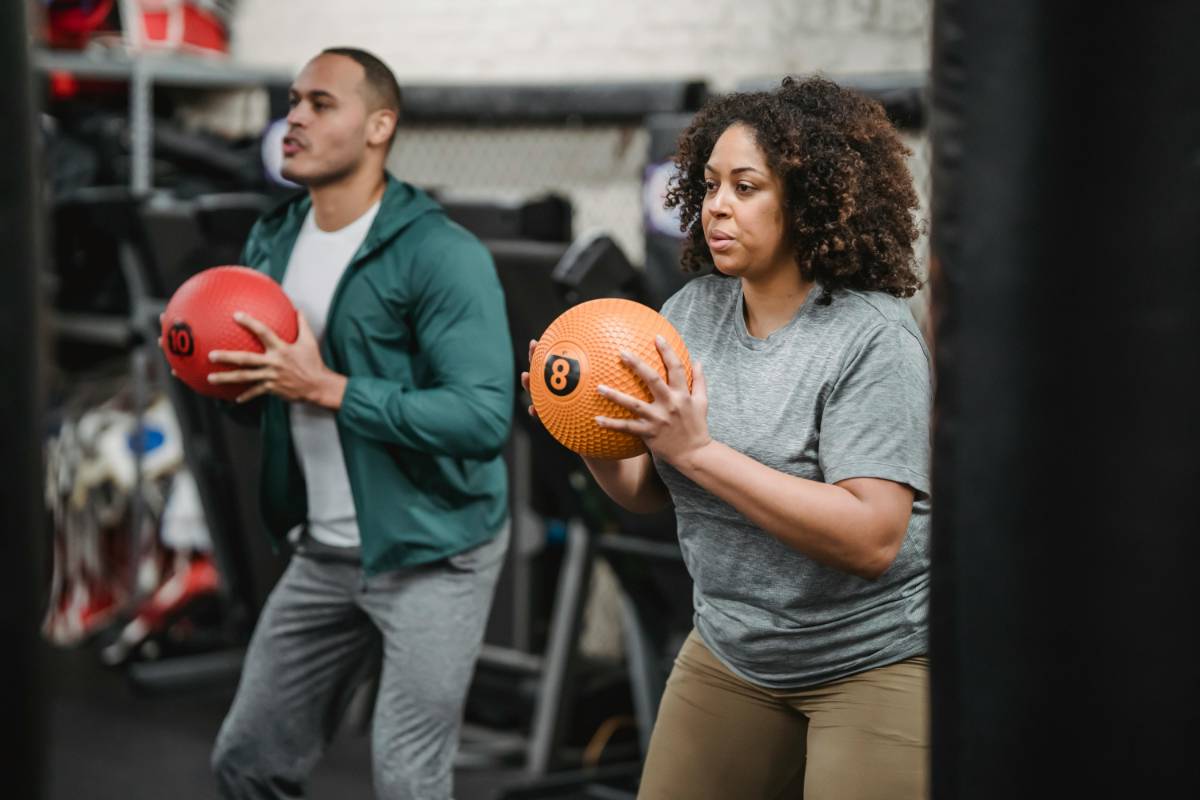
Weight-bearing exercises strengthen bones and can help prevent osteoporosis and other bone-related issues.
Enhanced Functional Fitness:

Strength training improves functional strength, making everyday activities easier and reducing the risk of injury.
Cardio: Boosting Heart Health and Burning Calories
Cardio, or aerobic exercise, involves activities that increase your heart rate and improve cardiovascular health. This can include running, cycling, swimming, or brisk walking. Here are some key benefits of cardio:

Cardiovascular Health:
Cardio exercises improve heart and lung function, reducing the risk of heart disease and other cardiovascular conditions.

Calorie Burn and Weight Loss:
Cardio workouts are effective for burning calories and can aid in weight loss or weight maintenance.
Increased Endurance:
Regular cardio exercise enhances endurance and stamina, allowing you to perform physical activities for longer periods without fatigue.
Stress Relief and Mental Health:

Cardio exercises release endorphins, which can help reduce stress, anxiety, and depression, contributing to overall mental well-being.
Finding the Right Balance
The ideal balance between strength training and cardio depends on your fitness goals, preferences, and overall health. Here are some tips for finding the right balance:
Set Clear Goals:
Determine your primary fitness goals, whether it's building muscle, improving cardiovascular health, losing weight, or enhancing overall fitness. Your goals will guide how you balance strength training and cardio.
Combine Both Types of Exercise:
Incorporate both strength training and cardio into your weekly routine. For example, you might perform strength training exercises three times a week and cardio workouts on alternate days. This approach ensures you reap the benefits of both types of exercise.
Prioritize Recovery:
Allow adequate recovery time between strength training sessions to prevent overtraining and muscle fatigue. Similarly, balance intense cardio sessions with rest or low-impact activities to avoid burnout.
Mix It Up:
Variety can keep your workouts interesting and effective. Consider combining different forms of strength training and cardio to target various fitness components and prevent plateaus.
Listen to Your Body:
Pay attention to how your body responds to different types of exercise. Adjust your routine based on factors such as energy levels, performance, and overall well-being.
Sample Weekly Routine
Here’s an example of how you might structure a balanced workout week:
Monday: Strength Training (Full Body)
Tuesday: Cardio (Running or Cycling)
Wednesday: Rest or Light Activity (Yoga or Stretching)
Thursday: Strength Training (Upper Body)
Friday: Cardio (Swimming or Brisk Walking)
Saturday: Strength Training (Lower Body)
Sunday: Rest or Light Activity (Recreational Sport or Leisure Walk)
By incorporating both strength training and cardio into your fitness routine, you can achieve a well-rounded approach to health and fitness. Finding the right balance will depend on your individual goals and preferences, but ensuring that both types of exercise are included can lead to improved overall fitness, enhanced performance, and better health outcomes.
Trending Around the Web
About the Author
Wilson Baker
Wilson Baker is a passionate health and wellness advocate, with a deep understanding of the challenges modern parents face. With a focus on holistic well-being, Wilson Baker aims to empower mothers and families with practical tips, science-backed advice, and inspiring stories to promote a healthy lifestyle. Whether it's nutrition, fitness, mental health, or parenting, Wilson Baker is committed to making health and wellness approachable and accessible for every SuperMoomy reader.
MORE ARTICLES

3 min read | 16 Mar 2025
Core Training Routines for Better Athletic Performance
Core training is essential for athletes aiming to enhance their performance. A strong core improves stability, power, and overall functional strength, which translates to better performance in various sports and activities. This article provides core training routines designed to boost athletic performance.

2 min read | 15 Mar 2025
The Relationship Between Core Strength and Lower Back Health
Core strength plays a crucial role in maintaining lower back health. A strong core supports the spine, helps distribute loads evenly, and reduces the risk of lower back injuries. This article explores how core strength influences lower back health and provides tips for strengthening your core to protect and improve your lower back.

4 min read | 14 Mar 2025
Advanced Core Exercises for Experienced Lifters
For experienced lifters, core training is an opportunity to push the boundaries of strength and stability. Advanced core exercises not only challenge your core muscles but also engage multiple muscle groups, enhancing overall functional strength. This article explores some advanced core exercises designed for seasoned lifters looking to elevate their training.

5 min read | 13 Mar 2025
How to Incorporate Core Training into Your Cardio Routine
Combining core training with your cardio routine can enhance overall fitness and improve your performance in both areas. Core exercises can help stabilize your body, reduce the risk of injury, and make your cardio workouts more effective. In this article, we'll explore how to integrate core training into your cardio routine for maximum benefits.

3 min read | 12 Mar 2025
Top 5 Mistakes to Avoid in Core Training
Core training is essential for building a strong and stable midsection, which supports overall fitness and helps prevent injury. However, many people make mistakes that can hinder their progress or even lead to injury. In this article, we’ll explore the top mistakes to avoid in core training and provide tips on how to perform your core workouts more effectively.
4 min read | 11 Mar 2025
Using Stability Balls for Core Training
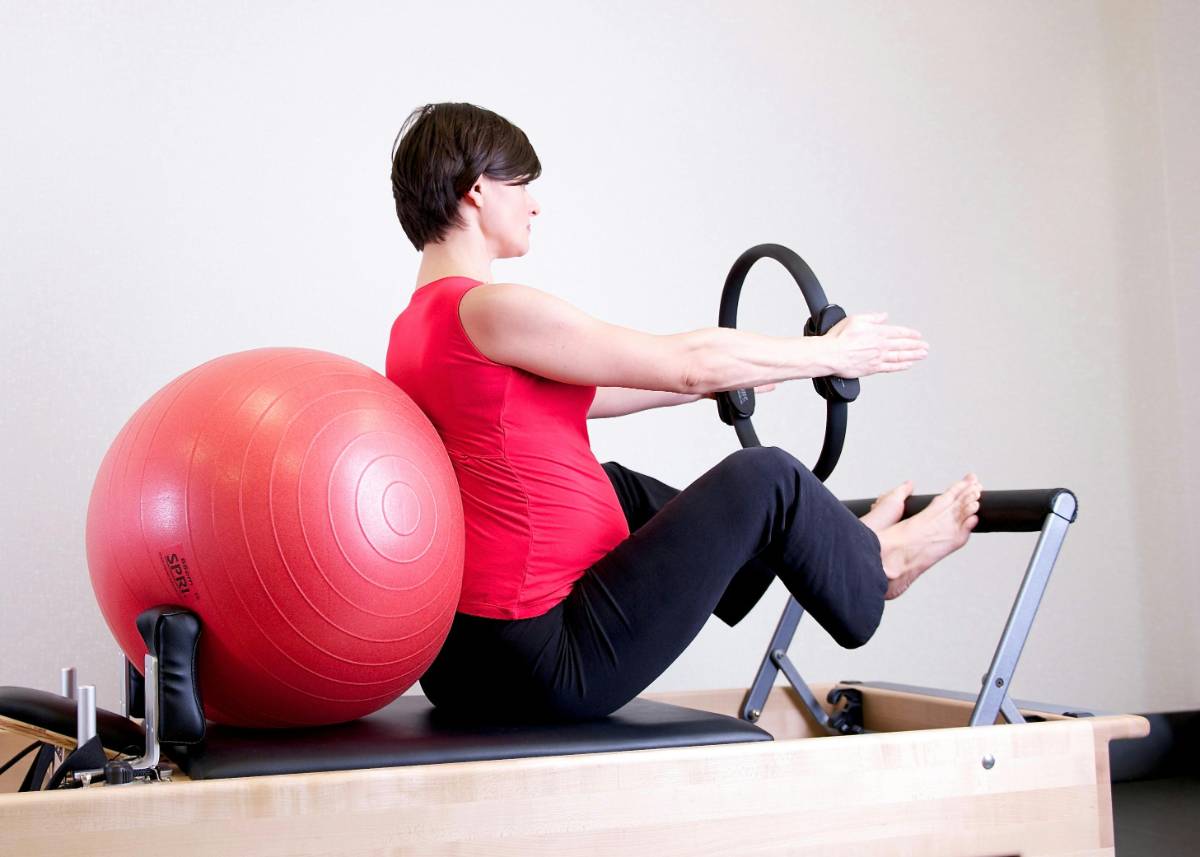
Stability balls, also known as exercise balls or Swiss balls, are versatile tools that can enhance your core training routine. These balls challenge your balance and stability, engaging your core muscles more effectively than traditional exercises. In this article, we'll explore how to use stability balls for core training, highlighting key exercises and their benefits.
RECENT POSTS
1
How to Maintain Healthy Nails: Tips and Tricks
2 min read | 03 Mar 20252
Choosing the Right Sunscreen for Your Skin Type
2 min read | 02 Mar 20253
The Benefits of Regular Facials and How to Do Them at Home
3 min read | 01 Mar 20254
Essential Grooming Tips for Men
4 min read | 28 Feb 20255
How to Create a Relaxing Self-Care Routine at Home
5 min read | 27 Feb 20256
The Importance of a Consistent Hair Care Regimen
4 min read | 26 Feb 2025MORE POSTS

Tracking Progress: Beyond the Scale
7 min read | 29 Mar 2025
How to Effectively Use a Food Diary
8 min read | 28 Mar 2025
The Benefits of Using a Fitness Tracker
8 min read | 27 Mar 2025
How to Adapt Weight Loss Strategies for Aging Bodies
7 min read | 26 Mar 2025
Guidelines for Weight Management with Heart Conditions
6 min read | 25 Mar 2025