Using Stability Balls for Core Training
 By Christin Hume |
 4 min read
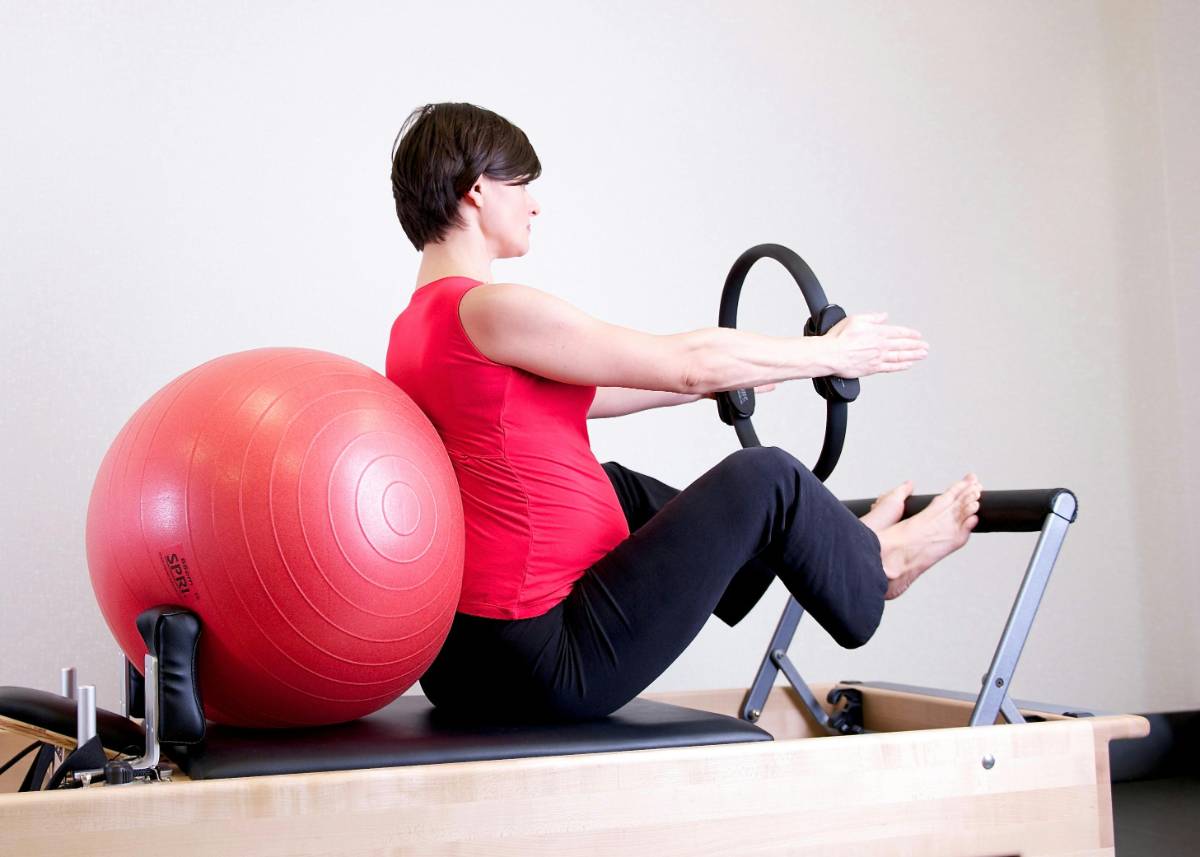
|11 Mar 2025Stability balls, also known as exercise balls or Swiss balls, are versatile tools that can enhance your core training routine. These balls challenge your balance and stability, engaging your core muscles more effectively than traditional exercises. In this article, we'll explore how to use stability balls for core training, highlighting key exercises and their benefits.

The Benefits of Stability Balls
Using stability balls in your core training routine offers several benefits:
Enhanced Core Activation: The instability of the ball forces your core muscles to work harder to maintain balance, increasing overall core activation.
Improved Balance and Stability: Regular use of stability balls improves your ability to balance and stabilize, which can benefit other exercises and daily activities.

Increased Range of Motion: Stability balls allow for a greater range of motion compared to traditional exercises, leading to more effective muscle engagement.
Reduced Impact: Exercises performed on a stability ball are often gentler on the joints, making them suitable for individuals with joint issues or those recovering from injuries.
Core Exercises with Stability Balls

Here are some effective core exercises you can perform using a stability ball:
Stability Ball Crunches

Stability ball crunches target the rectus abdominis and help improve core strength.
How to Perform:
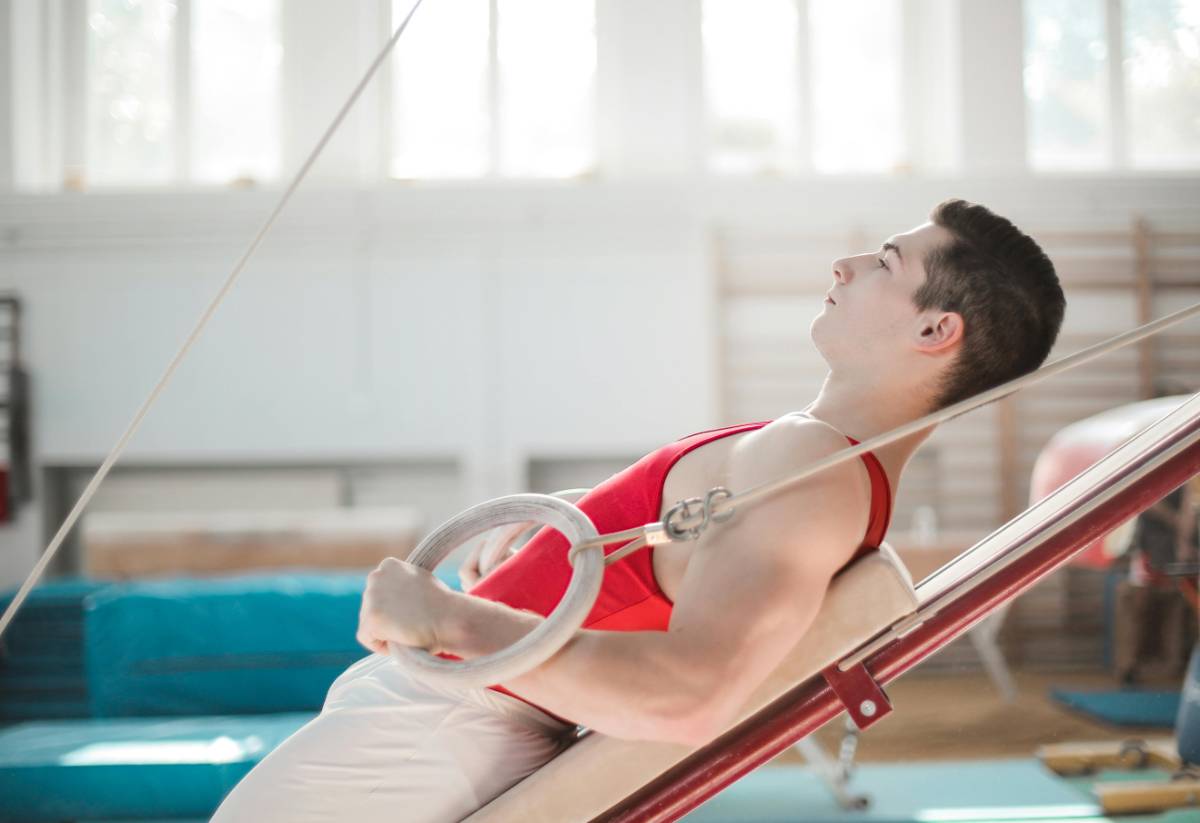
Sit on the stability ball with your feet flat on the floor and your knees bent. Walk your feet forward to roll your back onto the ball, positioning it so that your lower back is supported. Place your hands behind your head or across your chest. Engage your core and lift your shoulders off the ball, then lower back down. Repeat for a set number of reps.
Benefits:
Strengthens the upper abdominal muscles, enhances core stability, and increases range of motion.

Stability Ball Planks
Stability ball planks engage the entire core, including the obliques and lower back.
How to Perform:
Start in a forearm plank position with your forearms resting on the stability ball and your feet on the floor. Keep your body in a straight line and engage your core to maintain balance. Hold the position for 30-60 seconds, then rest and repeat for a set number of sets.
Benefits:

Builds overall core strength, improves balance and stability, and supports proper spinal alignment.
Stability Ball Passes
Stability ball passes are an advanced exercise that targets the entire core, including the lower abs.
How to Perform:
Lie on your back with your legs extended and a stability ball held between your hands. Lift your legs and the ball towards each other, passing the ball from your hands to your feet. Lower both your legs and arms back to the ground, then repeat the movement. Perform for a set number of reps.
Benefits:
Engages the entire core, strengthens the lower abs, and improves coordination.
Stability Ball Roll-Outs
Stability ball roll-outs are effective for targeting the transverse abdominis and improving core stability.
How to Perform:
Kneel on the floor with your hands resting on the stability ball. Roll the ball forward while keeping your core engaged and your back straight. Roll the ball back to the starting position. Repeat for a set number of reps.
Benefits:
Strengthens the deep core muscles, improves stability, and enhances overall core strength.
Stability Ball Pike
The stability ball pike exercise targets the upper and lower abs and helps improve overall core strength.
How to Perform:
Start in a high plank position with your feet on the stability ball and your hands on the floor. Engage your core and lift your hips towards the ceiling, rolling the ball towards your hands. Lower back to the starting position and repeat for a set number of reps.
Benefits:
Strengthens the upper and lower abs, improves core stability, and enhances balance.
Incorporating Stability Balls into Your Routine
To effectively use stability balls in your core training routine, consider these tips:
Start Slowly: If you’re new to stability balls, begin with basic exercises and gradually progress to more advanced movements.
Focus on Form: Proper form is crucial to avoid injury and maximize the benefits of each exercise.
Combine with Other Exercises: Integrate stability ball exercises with other core and full-body workouts for a balanced routine.
Adjust the Ball Size: Choose a stability ball size that suits your height for optimal comfort and effectiveness.
Conclusion
Stability balls are valuable tools for enhancing core training and improving overall balance and stability. By incorporating exercises such as stability ball crunches, planks, passes, roll-outs, and pikes, you can build a strong and stable core while benefiting from the ball's added challenge. Start incorporating stability ball exercises into your routine to experience improved core strength and better overall fitness.
Trending Around the Web
About the Author
Christin Hume
Christin Hume is a passionate health and wellness advocate, with a deep understanding of the challenges modern parents face. With a focus on holistic well-being, Christin Hume aims to empower mothers and families with practical tips, science-backed advice, and inspiring stories to promote a healthy lifestyle. Whether it's nutrition, fitness, mental health, or parenting, Christin Hume is committed to making health and wellness approachable and accessible for every SuperMoomy reader.
MORE ARTICLES

2 min read | 10 Feb 2025
How to Create a Balanced Daily Routine
Creating a balanced daily routine is essential for maintaining both physical and mental well-being. A well-structured routine can help you manage your time effectively, reduce stress, and ensure that you’re dedicating time to the activities that matter most. Whether you're juggling work, family, personal goals, or self-care, establishing a daily routine that balances these areas can lead to a more fulfilling and productive life.

4 min read | 09 Feb 2025
Managing Emotional Eating: Strategies and Tips
Emotional eating is a common response to stress, anxiety, boredom, and other emotions. It involves using food as a way to cope with feelings rather than to satisfy hunger. While it may provide temporary comfort, emotional eating can lead to unhealthy eating patterns, weight gain, and a negative impact on overall well-being. Understanding the triggers and learning how to manage emotional eating is crucial for maintaining a healthy relationship with food.

2 min read | 08 Feb 2025
The Importance of Regular Health Check-Ups
Regular health check-ups are a crucial aspect of maintaining overall well-being and preventing potential health issues. While many people may only visit the doctor when they feel unwell, routine check-ups play a vital role in early detection and management of various health conditions. By prioritizing these appointments, you can take proactive steps to safeguard your health and improve your quality of life.

3 min read | 07 Feb 2025
Building Healthy Habits for Long-Term Weight Management
Achieving and maintaining a healthy weight is a long-term commitment that involves building sustainable habits rather than relying on quick fixes. While fad diets and intense workout routines may offer temporary results, they often fail to provide lasting success. By focusing on creating healthy habits that you can maintain over time, you’ll be better equipped to manage your weight and improve your overall health.

3 min read | 06 Feb 2025
How Stress Impacts Your Weight and What You Can Do About It
Stress is a common part of life, but it can have a significant impact on your weight and overall health. Whether it’s due to work, personal relationships, or other factors, chronic stress can lead to weight gain or make it more challenging to lose weight. Understanding how stress affects your body and finding effective ways to manage it can help you maintain a healthy weight and improve your well-being.

3 min read | 05 Feb 2025
The Link Between Sleep and Weight Loss
The connection between sleep and weight loss is often overlooked, but it plays a crucial role in achieving and maintaining a healthy weight. Adequate sleep not only helps regulate your metabolism but also influences your appetite, energy levels, and overall well-being. Understanding the link between sleep and weight loss can help you make informed decisions about your health and fitness routine.
RECENT POSTS
1
Top Fiber-Rich Foods to Add to Your Diet
4 min read | 18 Feb 20252
The Benefits of Dietary Fiber for Digestive Health
2 min read | 17 Feb 20253
The Impact of Caffeine and Alcohol on Hydration
3 min read | 16 Feb 20254
How to Incorporate Hydrating Foods into Your Diet
4 min read | 15 Feb 20255
Hydration Tips for Active Lifestyles
5 min read | 14 Feb 20256
Best Hydrating Beverages Beyond Water
4 min read | 13 Feb 2025MORE POSTS

How to Measure Progress in Balance Training
4 min read | 25 Mar 2025
Top Exercises to Improve Core and Balance
4 min read | 24 Mar 2025
Incorporating Balance Exercises into Strength Workouts
3 min read | 23 Mar 2025
Balance Training for Older Adults
4 min read | 22 Mar 2025
Creating a Stability Routine for Enhanced Performance
2 min read | 21 Mar 2025