The Psychology of Portion Sizes

 By Aditi Sharma |
 4 min read
|28 Jan 2025Portion sizes play a significant role in shaping our eating behaviors and influencing our overall health. The psychology behind portion sizes reveals how our perceptions and habits can impact how much we eat, even when we're not hungry. Understanding these psychological factors can help us make more informed choices about portion sizes and develop healthier eating habits. This article explores the psychology of portion sizes, how they affect our eating behaviors, and strategies for managing portion sizes effectively.

The Psychology of Portion Sizes
Portion sizes are influenced by a variety of psychological factors, including visual cues, cultural norms, and personal habits. These factors can shape our perceptions of what constitutes an appropriate amount of food and impact our eating behaviors. Here are some key psychological aspects related to portion sizes:
Visual Cues: The size of our plates, bowls, and serving utensils can significantly influence how much we eat. Research has shown that larger plates and bowls can lead to larger portion sizes and increased calorie consumption. Conversely, using smaller plates and bowls can help control portion sizes and reduce overall food intake.
Portion Size Bias: Our perception of portion sizes can be influenced by portion size bias, which refers to the tendency to eat more when given larger portions. This bias is driven by the belief that we should finish what's on our plate, even if we don't feel hungry. Larger portion sizes can lead to overeating and contribute to weight gain.

Cultural Norms: Cultural norms and social influences can impact our perceptions of portion sizes. In some cultures, large portions are seen as a sign of generosity or abundance, while in others, smaller portions are considered more appropriate. These cultural norms can shape our expectations and behaviors around portion sizes.
Emotional Eating: Emotional factors can also play a role in how much we eat. Stress, boredom, or emotional distress can lead to overeating or consuming larger portions as a form of comfort or distraction. Understanding the emotional triggers that influence portion sizes can help address unhealthy eating patterns.
Strategies for Managing Portion Sizes
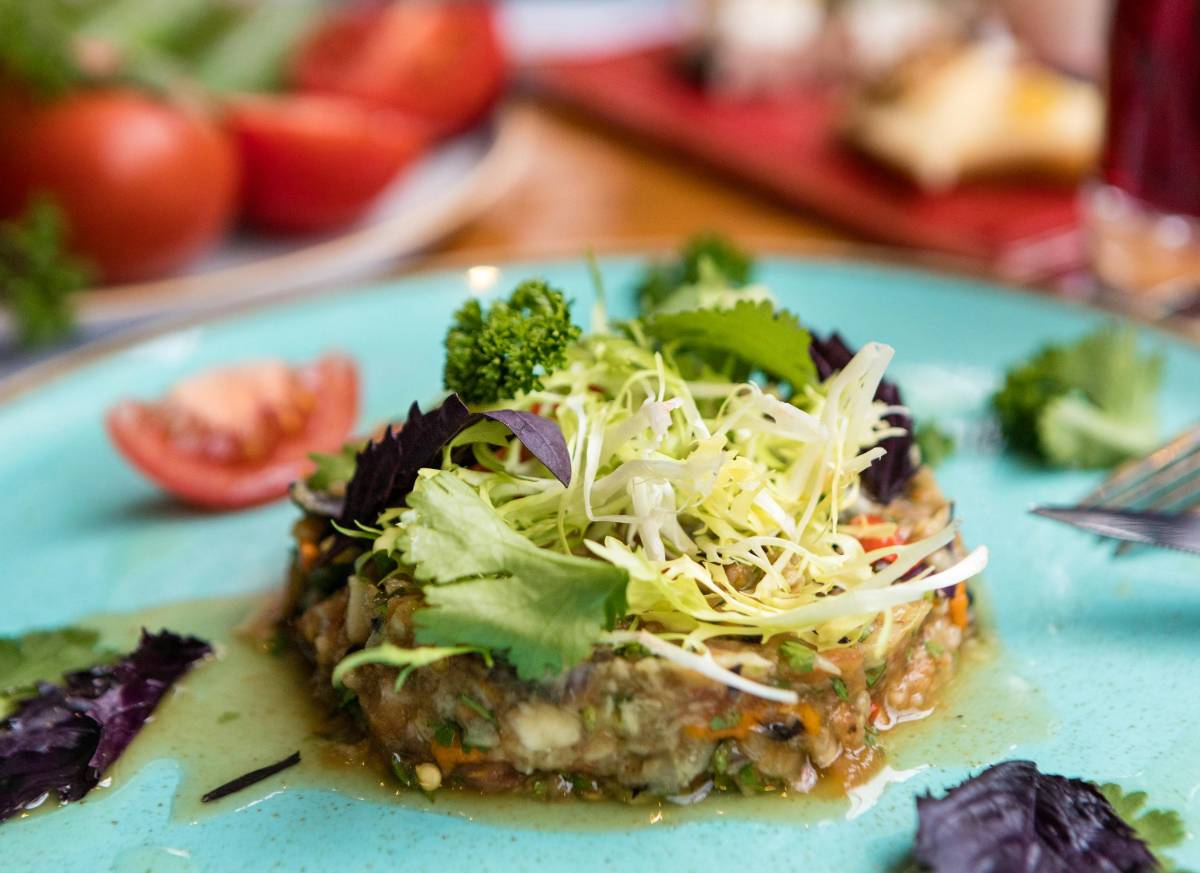
To manage portion sizes effectively and overcome the psychological factors that contribute to overeating, consider the following strategies:
Use Smaller Plates and Bowls: Opt for smaller plates and bowls to help control portion sizes and reduce the likelihood of overeating. By using smaller dishware, you can create the illusion of a full plate with less food, which can help you feel satisfied with smaller portions.

Be Mindful of Serving Sizes: Familiarize yourself with recommended serving sizes for different food groups and use this information to guide your portion choices. For example, a serving of protein should be about the size of a deck of cards, while a serving of grains is typically 1/2 cup cooked. Being aware of serving sizes can help you make more informed decisions about portion control.
Listen to Your Body: Pay attention to hunger and fullness cues while eating. Eat slowly, savor each bite, and stop when you feel comfortably full. Listening to your body's signals can help you avoid overeating and manage portion sizes more effectively.
Avoid Eating from Large Containers: Eating directly from large containers, such as family-sized packages or oversized bags, can lead to mindless eating and larger portion sizes. Serve yourself appropriate portions on smaller plates or bowls to manage intake and avoid overeating.
Practice Portion Control When Dining Out: Restaurant portions are often larger than standard serving sizes. When dining out, consider sharing dishes, asking for a to-go box, or ordering smaller portions to manage your intake effectively. Being mindful of portion sizes when eating out can help you maintain control over your food intake.
Address Emotional Eating: Identify and address emotional triggers that lead to overeating or larger portion sizes. Consider alternative coping strategies, such as engaging in physical activity, practicing relaxation techniques, or seeking support from a therapist or counselor. Addressing emotional eating can help you make healthier choices and manage portion sizes more effectively.
The Impact of Portion Sizes on Health
Understanding the psychology of portion sizes is essential for managing your weight and supporting overall health. Here’s how portion sizes can impact your health:
Weight Management: Proper portion control is crucial for maintaining a healthy weight. By managing portion sizes, you can regulate calorie intake and prevent overeating, which can contribute to weight gain and associated health issues.
Nutritional Balance: Managing portion sizes helps ensure a balanced intake of nutrients from different food groups. Consuming appropriate portions of proteins, carbohydrates, fats, vitamins, and minerals supports overall health and prevents nutritional deficiencies.
Preventing Overeating: Portion control can help prevent overeating by reducing the likelihood of consuming excessive calories. By being mindful of portion sizes and using strategies to manage portions, you can avoid consuming more food than necessary and support healthy eating habits.

Promoting Healthy Eating Habits: Developing awareness of portion sizes and addressing psychological factors that influence eating behaviors can promote healthier eating habits. By making conscious choices about portion sizes and practicing mindful eating, you can support long-term health and well-being.
Conclusion
The psychology of portion sizes plays a significant role in shaping our eating behaviors and overall health. By understanding the psychological factors that influence portion sizes, such as visual cues, portion size bias, cultural norms, and emotional eating, you can make more informed decisions about food portions and develop healthier eating habits. Implementing strategies for managing portion sizes, such as using smaller plates, being mindful of serving sizes, and addressing emotional eating, can support weight management and promote overall health. Embrace the insights from the psychology of portion sizes to enhance your approach to portion control and achieve your health and wellness goals.
Trending Around the Web
About the Author
Aditi Sharma
Aditi Sharma is a passionate health and wellness advocate, with a deep understanding of the challenges modern parents face. With a focus on holistic well-being, Aditi Sharma aims to empower mothers and families with practical tips, science-backed advice, and inspiring stories to promote a healthy lifestyle. Whether it's nutrition, fitness, mental health, or parenting, Aditi Sharma is committed to making health and wellness approachable and accessible for every SuperMoomy reader.
MORE ARTICLES
3 min read | 05 Mar 2025
The Health Risks of Excess Sugar Consumption
Excessive sugar consumption has become a significant concern in modern diets, contributing to a range of health issues. While sugar can enhance the flavor of foods and beverages, overindulging in sugary products can lead to numerous health risks. In this article, we'll explore the potential dangers associated with excessive sugar intake and offer insights into how you can make healthier choices.
4 min read | 04 Mar 2025
Recipes Featuring Healthy Fats
Incorporating healthy fats into your diet can enhance flavor and provide essential nutrients. Healthy fats, such as those found in avocados, nuts, seeds, and certain oils, offer numerous health benefits, including improved heart health and better absorption of fat-soluble vitamins. Here are some delicious recipes featuring healthy fats that can help you enjoy a balanced diet while satisfying your taste buds.
2 min read | 03 Mar 2025
Debunking Myths About Dietary Fats
Dietary fats have often been surrounded by myths and misconceptions, which can lead to confusion about their role in a healthy diet. While fats are an essential part of our nutrition, understanding the truth behind common myths can help you make better dietary choices. This article aims to debunk some of the most prevalent myths about dietary fats and provide you with accurate information on how to incorporate healthy fats into your diet.
2 min read | 02 Mar 2025
Balancing Fat Intake in Your Diet
Balancing fat intake is crucial for maintaining overall health and well-being. While fats are an essential part of a balanced diet, not all fats are created equal. Understanding how to balance different types of fats can help you make healthier food choices and achieve your nutritional goals. This article explores the importance of balancing fat intake, the different types of fats, and practical tips for incorporating them into your diet.
5 min read | 01 Mar 2025
The Impact of Healthy Fats on Heart Health
Understanding the role of fats in our diet is crucial for maintaining heart health. While fats have often been vilified, not all fats are created equal. Healthy fats, such as monounsaturated and polyunsaturated fats, play a significant role in supporting heart health, lowering cholesterol levels, and reducing the risk of cardiovascular diseases. This article delves into the impact of healthy fats on heart health and provides insights on how to incorporate them into your diet effectively.
4 min read | 28 Feb 2025
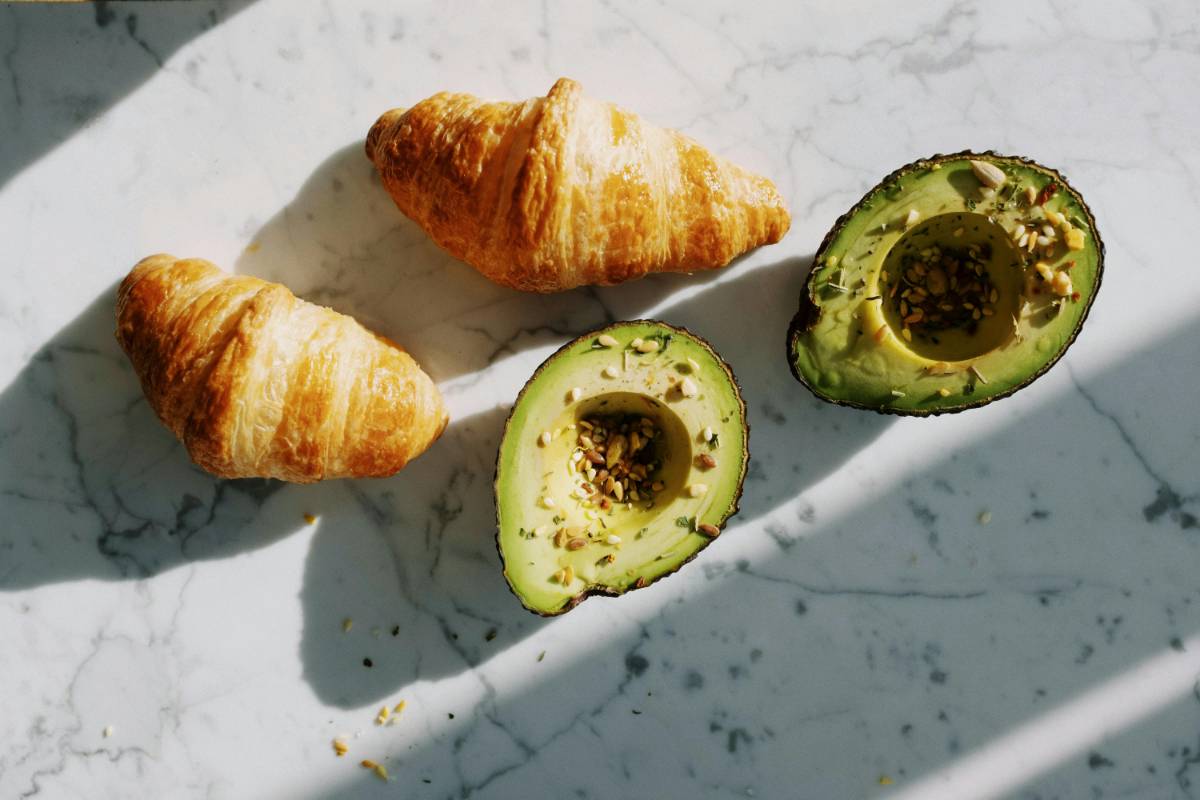
Avocados, Nuts, and Seeds: Your Sources of Healthy Fats
Incorporating healthy fats into your diet is crucial for overall well-being, and some of the best sources of these fats are avocados, nuts, and seeds. These nutrient-dense foods provide a variety of health benefits, including supporting heart health, improving brain function, and aiding in weight management. This article will explore the benefits of avocados, nuts, and seeds, and how you can include them in your daily diet for optimal health.
RECENT POSTS
1
How to Choose the Right Toothpaste for Your Needs
4 min read | 09 Feb 20252
The Importance of Flossing Daily
4 min read | 08 Feb 20253
Benefits of Using Mouthwash Regularly
3 min read | 07 Feb 20254
How to Maintain Oral Hygiene with Braces
5 min read | 06 Feb 20255
The Dos and Don'ts of Hair Styling
3 min read | 05 Feb 20256
Natural Oils That Promote Hair Growth
3 min read | 04 Feb 2025MORE POSTS
Best Ingredients for Hydrating Dry Skin
2 min read | 24 Jan 2025Best Ingredients for Hydrating Dry Skin
2 min read | 23 Jan 2025
Understanding Different Types of Toners
2 min read | 22 Jan 2025
The Importance of Cleansing Your Face Before Bed
3 min read | 21 Jan 2025
Anti-Aging Skincare Tips for a Youthful Glow
3 min read | 20 Jan 2025