Balancing Fat Intake in Your Diet

 By Neha Jain |
 2 min read
|02 Mar 2025Balancing fat intake is crucial for maintaining overall health and well-being. While fats are an essential part of a balanced diet, not all fats are created equal. Understanding how to balance different types of fats can help you make healthier food choices and achieve your nutritional goals. This article explores the importance of balancing fat intake, the different types of fats, and practical tips for incorporating them into your diet.

The Importance of Balancing Fat Intake
Fats are a vital macronutrient that provide energy, support cell growth, and aid in the absorption of fat-soluble vitamins A, D, E, and K. However, consuming too much of certain types of fats can lead to health issues such as weight gain, heart disease, and high cholesterol. Balancing fat intake ensures that you receive the necessary nutrients while avoiding the negative effects of excessive or unhealthy fats.
Types of Fats and Their Roles
To effectively balance fat intake, it's essential to understand the different types of fats and their roles in the diet:

Monounsaturated Fats: These are considered heart-healthy fats and are found in foods like olive oil, avocados, and nuts. They help reduce LDL cholesterol levels and increase HDL cholesterol, promoting cardiovascular health.
Polyunsaturated Fats: These include omega-3 and omega-6 fatty acids, which are important for brain function and reducing inflammation. Sources of omega-3 fats include fatty fish like salmon, walnuts, and flaxseeds, while omega-6 fats are found in vegetable oils and seeds.
Saturated Fats: Found in animal products such as butter, cheese, and fatty meats, saturated fats can raise LDL cholesterol levels, increasing the risk of heart disease. It's important to limit intake of saturated fats to maintain heart health.

Trans Fats: Often found in processed foods and baked goods, trans fats are harmful as they raise LDL cholesterol and lower HDL cholesterol. Avoiding trans fats is crucial for cardiovascular health.
Tips for Balancing Fat Intake

Incorporating a variety of fats into your diet while maintaining a balance is key to optimizing health. Here are some practical tips for balancing fat intake:
Prioritize Healthy Fats: Focus on consuming monounsaturated and polyunsaturated fats, which are beneficial for heart health. Use olive oil for cooking, eat avocados, and include nuts and seeds in your meals.
Limit Saturated Fats: Reduce your intake of saturated fats by choosing lean cuts of meat, opting for low-fat dairy products, and minimizing the use of butter. Consider replacing saturated fats with healthier alternatives in your cooking.

Avoid Trans Fats: Steer clear of processed foods and baked goods that contain partially hydrogenated oils. Check nutrition labels for trans fats and opt for products that do not contain them.
Balance Omega-3 and Omega-6 Fats: Maintain a proper balance between omega-3 and omega-6 fatty acids by incorporating more omega-3-rich foods into your diet. While omega-6 fats are necessary, an excess of them can lead to an imbalance. Aim for a ratio of about 1:1 or 1:2 of omega-3 to omega-6 fatty acids.

Portion Control: Be mindful of portion sizes when consuming high-fat foods. Even healthy fats are calorie-dense, so moderation is key. Include a variety of fat sources in your diet to ensure a balanced intake.
Reading Nutrition Labels: Understanding nutrition labels can help you make informed choices about fat content in packaged foods. Look for products with lower levels of saturated and trans fats and higher amounts of healthy fats.
Incorporating Healthy Fats into Your Diet
Balancing fat intake can be straightforward with a few dietary adjustments:
Cook with Healthy Oils: Use oils like olive oil, avocado oil, and canola oil for cooking and salad dressings. These oils provide monounsaturated and polyunsaturated fats that are beneficial for heart health.

Include Fatty Fish: Aim to eat fatty fish such as salmon, mackerel, or sardines at least twice a week. These fish are excellent sources of omega-3 fatty acids, which support cardiovascular health.
Snack on Nuts and Seeds: Keep a variety of nuts and seeds available for snacking. Almonds, walnuts, chia seeds, and flaxseeds are great sources of healthy fats and can be easily added to your diet.
Add Avocados: Incorporate avocados into your meals, whether in salads, sandwiches, or smoothies. Avocados provide monounsaturated fats and are a versatile addition to your diet.
Balancing fat intake is essential for overall health and well-being. By focusing on healthy fats, limiting saturated and trans fats, and maintaining a balance between different types of fats, you can support heart health, manage weight, and achieve a well-rounded diet. Remember, moderation and variety are key to a balanced approach to fat consumption.
Trending Around the Web
About the Author
Neha Jain
Neha Jain is a passionate health and wellness advocate, with a deep understanding of the challenges modern parents face. With a focus on holistic well-being, Neha Jain aims to empower mothers and families with practical tips, science-backed advice, and inspiring stories to promote a healthy lifestyle. Whether it's nutrition, fitness, mental health, or parenting, Neha Jain is committed to making health and wellness approachable and accessible for every SuperMoomy reader.
MORE ARTICLES

4 min read | 18 Mar 2025
The Impact of Salt on Blood Pressure
Salt, primarily composed of sodium chloride, is a common ingredient in many foods. While it enhances flavor and acts as a preservative, excessive salt intake can have a significant impact on blood pressure, contributing to a range of health issues. Understanding the relationship between salt and blood pressure is crucial for maintaining cardiovascular health. This article explores how salt affects blood pressure and provides tips for managing your sodium intake.

3 min read | 17 Mar 2025
Tips for Eating Out While Watching Your Sodium Intake
Eating out can be a challenge when you’re trying to manage your sodium intake, but with some careful planning and smart choices, you can still enjoy dining out while keeping your sodium levels in check. This article offers practical tips for making healthier choices at restaurants and fast food establishments to help you stay on track with your dietary goals.

2 min read | 16 Mar 2025
Low-Sodium Alternatives and Substitutes
Reducing sodium intake is important for maintaining good health, especially for individuals with high blood pressure or heart disease. Fortunately, there are numerous low-sodium alternatives and substitutes available that can help you enjoy flavorful meals without compromising your health. This article explores various low-sodium options for common high-sodium foods and provides tips on how to incorporate them into your diet.

5 min read | 15 Mar 2025
Understanding the Sodium Content in Processed Foods
Processed foods are convenient and often tasty, but they can also be high in sodium, which poses health risks. Sodium, primarily in the form of salt, is used in processed foods for flavor enhancement, preservation, and texture improvement. Understanding the sodium content in these foods is crucial for making healthier dietary choices and maintaining overall health. This article delves into the sodium content in processed foods, the reasons behind it, and strategies for managing your sodium intake.
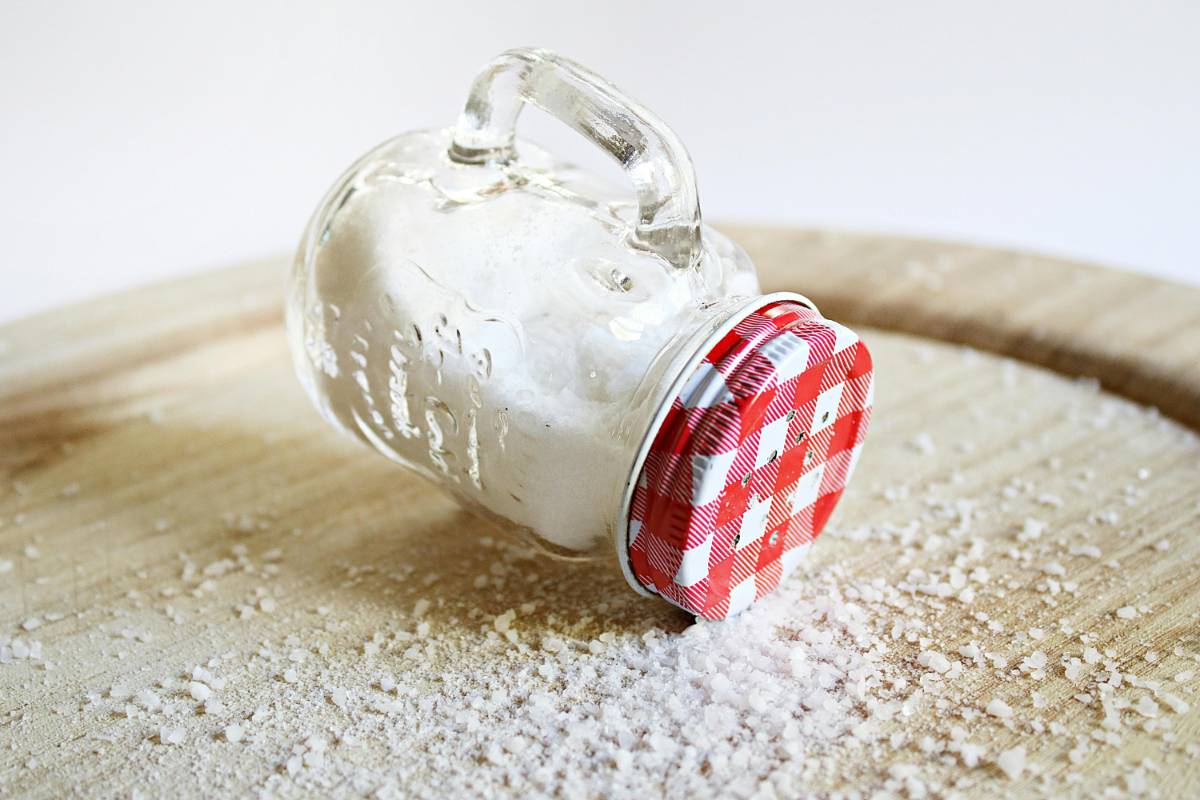
3 min read | 14 Mar 2025
How to Reduce Salt in Your Cooking
Reducing salt in your cooking can lead to significant health benefits, including lower blood pressure and a decreased risk of heart disease. However, cutting back on salt doesn't mean sacrificing flavor. By using a variety of techniques and ingredients, you can create delicious and satisfying meals with less salt. This article provides practical tips and alternatives for reducing salt in your cooking while enhancing the flavor of your dishes.

4 min read | 13 Mar 2025
The Health Risks of Excess Sodium Intake
Sodium is an essential mineral that helps regulate fluid balance, nerve function, and muscle contraction. However, excessive sodium intake can lead to significant health risks. Understanding these risks is crucial for making informed dietary choices and maintaining overall health. This article explores the health risks associated with high sodium consumption and offers tips for managing your sodium intake.
RECENT POSTS
1
How Much Water Should You Drink Daily?
4 min read | 10 Feb 20252
The Role of Hydration in Overall Health
5 min read | 09 Feb 20253
How to Identify and Avoid Processed Foods
4 min read | 08 Feb 20254
The Environmental Benefits of Choosing Whole Foods
3 min read | 07 Feb 20255
Cooking with Whole Foods: Easy Recipes to Get Started
5 min read | 06 Feb 20256
How to Transition to a Whole Foods Diet
4 min read | 05 Feb 2025MORE POSTS

The Benefits of Using Beard Oil
4 min read | 28 Mar 2025
How to Maintain a Healthy Beard
2 min read | 27 Mar 2025
The Importance of Foot Exfoliation
5 min read | 26 Mar 2025
The Role of Moisturizers in Hand and Foot Care
2 min read | 25 Mar 2025
Best Practices for Nail Care at Home
5 min read | 24 Mar 2025