The Role of Balance Training in Injury Prevention

 By Oliver Davis |
 5 min read
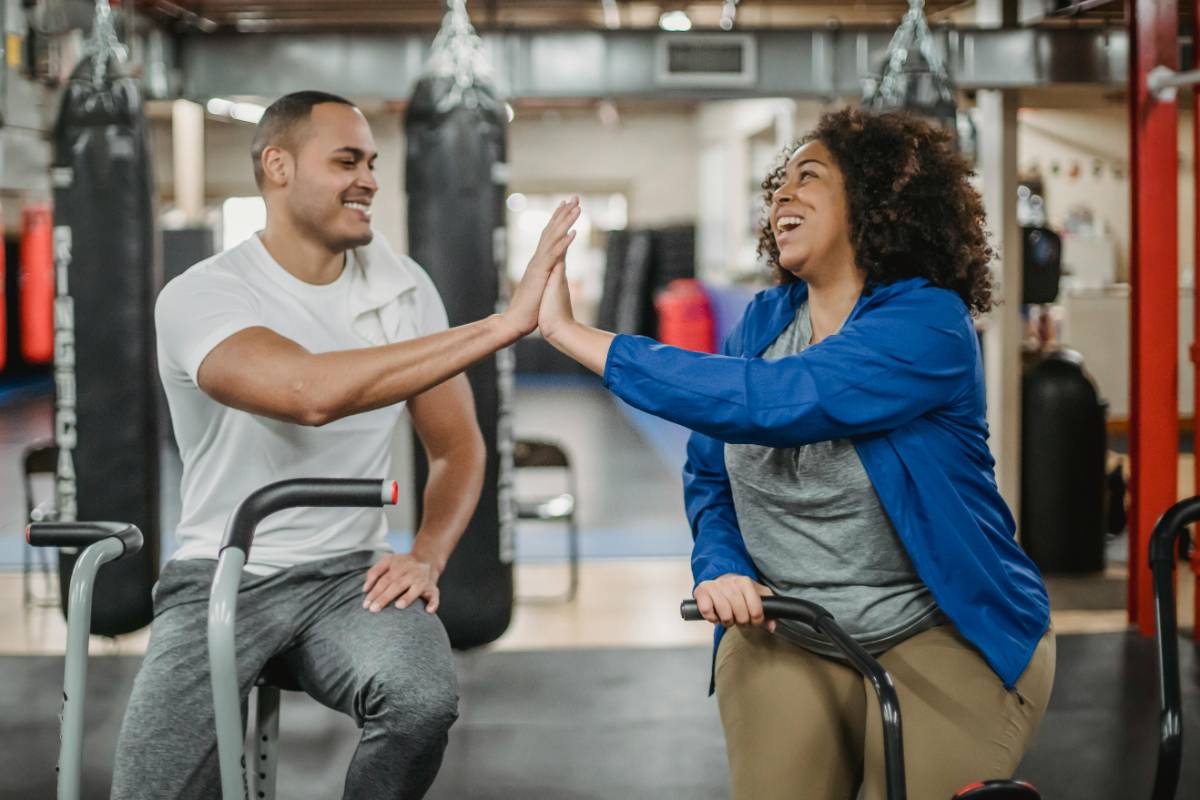
|20 Mar 2025Balance training is a critical component of a comprehensive fitness regimen, particularly when it comes to injury prevention. By enhancing stability and coordination, balance training helps reduce the risk of injuries in both everyday activities and athletic pursuits. This article explores how balance training contributes to injury prevention and offers practical tips for incorporating it into your routine.

How Balance Training Reduces Injury Risk
Balance training strengthens the muscles that support and stabilize the body, which plays a significant role in preventing injuries. Here’s how it helps:
Improved Stability: Balance exercises enhance the body's ability to maintain stability during various movements, reducing the risk of falls and accidents.
Enhanced Proprioception: Proprioception is the body’s ability to sense its position in space. Better proprioception helps you react quickly to unstable surfaces or sudden movements, preventing injuries.

Strengthened Stabilizing Muscles: Regular balance training targets stabilizing muscles around joints, such as the ankles, knees, and hips. This added strength supports joint integrity and reduces the likelihood of strains and sprains.
Better Core Strength: Core stability is crucial for overall balance. A strong core supports proper posture and alignment, which helps prevent injuries related to poor body mechanics.
Practical Balance Exercises for Injury Prevention

Incorporate the following balance exercises into your fitness routine to help prevent injuries:
Single-Leg Balances: Stand on one leg for 20-30 seconds, then switch legs. To increase difficulty, close your eyes or use an unstable surface, such as a balance pad.

BOSU Ball Exercises: Perform exercises such as squats or lunges on a BOSU ball to engage stabilizing muscles and improve balance.
Tai Chi: Practice Tai Chi to enhance coordination, flexibility, and balance through controlled, flowing movements.
Dynamic Movements: Incorporate balance exercises that involve dynamic movements, such as single-leg hops or balance drills on an unstable surface, to improve reaction time and agility.
Tips for Effective Balance Training
To make the most of your balance training, consider these tips:

Start Slowly: Begin with basic balance exercises and gradually progress to more challenging movements as your balance improves.
Focus on Form: Ensure proper technique to maximize benefits and minimize the risk of injury during exercises.
Integrate with Other Training: Combine balance training with strength, flexibility, and cardiovascular exercises for a well-rounded fitness routine.
Be Consistent: Regular practice is essential for improving balance and stability. Aim to include balance exercises in your routine several times a week.
Conclusion

Balance training is a vital aspect of injury prevention, offering numerous benefits for stability, proprioception, and core strength. By incorporating balance exercises into your fitness routine, you can enhance your ability to prevent injuries, support joint health, and improve overall functional strength. Prioritize balance training as part of your overall fitness strategy to stay safe and perform at your best.
Trending Around the Web
About the Author
Oliver Davis
Oliver Davis is a passionate health and wellness advocate, with a deep understanding of the challenges modern parents face. With a focus on holistic well-being, Oliver Davis aims to empower mothers and families with practical tips, science-backed advice, and inspiring stories to promote a healthy lifestyle. Whether it's nutrition, fitness, mental health, or parenting, Oliver Davis is committed to making health and wellness approachable and accessible for every SuperMoomy reader.
MORE ARTICLES

2 min read | 14 Mar 2025
The Role of Hydration in a Healthy Diet
Hydration is a fundamental aspect of maintaining overall health and supporting bodily functions. Water plays a critical role in various physiological processes and is essential for optimal well-being. In this article, we'll explore the importance of hydration, its benefits, and how to ensure you stay properly hydrated.

4 min read | 13 Mar 2025
Healthy Eating on a Budget: Tips and Tricks
Eating healthy doesn't have to break the bank. With a bit of planning and smart shopping, you can maintain a nutritious diet while sticking to a budget. Here are some practical tips and tricks to help you eat well without overspending.

3 min read | 12 Mar 2025
How to Transition to a Plant-Based Diet
Transitioning to a plant-based diet can be a rewarding way to improve your health and reduce your environmental impact. A plant-based diet focuses on consuming whole, plant-derived foods while minimizing or eliminating animal products. If you're considering making this change, here are some steps to help you transition smoothly and sustainably.

3 min read | 11 Mar 2025
The Importance of Fiber in Your Diet
Fiber is an essential component of a healthy diet that offers a range of benefits for overall well-being. Found in plant-based foods, fiber is crucial for maintaining digestive health, managing weight, and reducing the risk of chronic diseases. In this article, we'll explore the importance of fiber, its various types, and how to incorporate more of it into your diet.

4 min read | 10 Mar 2025
10 Healthy Snacks You Can Make in Under 10 Minutes
Snacking can be a great way to fuel your body between meals, but choosing healthy options is key to maintaining a balanced diet. Quick and nutritious snacks can keep you satisfied and energized throughout the day. Here are ten healthy snacks that you can prepare in under 10 minutes.
2 min read | 09 Mar 2025
Understanding Macronutrients: Carbs, Proteins, and Fats
Macronutrients are the nutrients that your body needs in large amounts to function properly. They include carbohydrates, proteins, and fats, each playing a unique role in your overall health and wellness. Understanding how these macronutrients work can help you make informed dietary choices and achieve your nutritional goals. This article will explore the functions of carbs, proteins, and fats, and how to balance them in your diet.
RECENT POSTS
1
The Role of Fluoride in Toothpaste
2 min read | 14 Feb 20252
Tips for Fresh Breath Throughout the Day
4 min read | 13 Feb 20253
How to Prevent Gum Disease
5 min read | 12 Feb 20254
The Impact of Diet on Oral Health
5 min read | 11 Feb 20255
Natural Remedies for Teeth Whitening
5 min read | 10 Feb 20256
How to Choose the Right Toothpaste for Your Needs
4 min read | 09 Feb 2025MORE POSTS

The Role of Protein in Weight Loss and How to Include It in Your Diet
4 min read | 13 Apr 2025
Low-Carb Diets: Do They Really Work for Weight Loss?
5 min read | 12 Apr 2025
The Importance of Portion Control in Weight Loss
4 min read | 11 Apr 2025
How to Reduce Emotional Eating for Better Weight Management
4 min read | 10 Apr 2025
The Best Home Workouts for Weight Loss
3 min read | 09 Apr 2025