Tips for Healthy, Strong Nails

 By Oliver Davis |
 3 min read
|20 Mar 2025Maintaining healthy, strong nails is not just about the aesthetics of well-groomed hands; it reflects your overall health and well-being. Strong nails are less prone to breakage, splitting, and damage, and contribute to a polished, professional appearance. Whether you’re looking to improve the strength of your nails or simply want to ensure they stay in top condition, following the right practices and tips can make a significant difference. In this article, we’ll explore essential tips for achieving and maintaining healthy, strong nails.

Balanced Diet
A nutritious diet plays a crucial role in nail health. Your nails are made of keratin, a protein that requires specific nutrients for growth and strength. Incorporate the following foods into your diet:
Biotin-Rich Foods: Biotin is a B-vitamin that supports nail strength and growth. Foods rich in biotin include eggs, nuts, seeds, and leafy green vegetables.
Protein Sources: Since nails are primarily composed of protein, ensuring adequate protein intake is vital. Include lean meats, poultry, fish, beans, and legumes in your diet.

Vitamins and Minerals: Vitamins A, C, and E, as well as minerals like zinc and iron, are essential for healthy nails. Fruits, vegetables, nuts, and whole grains can help meet these nutritional needs.
Hydration
Keeping your body well-hydrated is essential for maintaining nail health. Water helps to keep your nails and cuticles hydrated, preventing dryness and brittleness. Aim to drink at least eight glasses of water a day, and consider increasing your intake if you live in a hot or dry climate.
Proper Nail Care
Establishing a consistent nail care routine can help keep your nails in optimal condition:

Regular Trimming: Trim your nails regularly to prevent them from becoming too long and prone to breaking. Use sharp, clean nail clippers or scissors to avoid splitting.
Gentle Filing: File your nails gently to shape them and smooth rough edges. Avoid using metal files or aggressive filing techniques, as these can weaken the nails.
Moisturize Cuticles: Apply cuticle oil or a nourishing hand cream regularly to keep your cuticles and nails hydrated. This helps to prevent dryness and cracking.

Avoid Overuse of Nail Polish Remover: Frequent use of nail polish remover, especially those containing acetone, can dry out and weaken your nails. Use acetone-free removers and give your nails a break between polish applications.
Protective Measures

Protecting your nails from potential damage is crucial for maintaining their strength:
Wear Gloves: When doing household chores or handling chemicals, wear gloves to protect your nails from harsh substances that can cause damage and dryness.
Avoid Biting Your Nails: Nail-biting can lead to damage and infections. Use stress-relief techniques or consult a professional if nail-biting is a persistent habit.
Avoid Using Nails as Tools: Using your nails to open packages or perform other tasks can lead to breakage. Use proper tools for such tasks to protect your nails.
Nail Treatments

Incorporating nail treatments into your routine can further support nail health:
Strengthening Nail Polishes: Use nail polishes formulated with strengthening ingredients, such as proteins or vitamins, to reinforce and protect your nails.
Nail Hardening Treatments: If you have particularly weak or soft nails, consider using nail hardeners that contain strengthening agents like calcium or keratin.
Avoiding Harsh Chemicals: Choose nail care products that are free from harmful chemicals, such as formaldehyde and toluene. Opt for natural or non-toxic alternatives to minimize damage.
Regular Maintenance
Consistency in nail care is key to achieving long-lasting results:
Routine Check-Ups: Regularly inspect your nails for signs of damage, infection, or other issues. Address any concerns promptly to prevent further complications.
Follow a Routine: Establish a regular nail care routine that includes trimming, filing, moisturizing, and applying treatments as needed. Consistency will help you maintain strong and healthy nails over time.
Professional Help
If you experience persistent nail issues or notice significant changes in your nails, consider seeking advice from a dermatologist or nail specialist. Professional evaluations can help diagnose underlying health conditions and provide tailored treatment recommendations.
Maintaining healthy, strong nails requires a combination of proper nutrition, hydration, and consistent nail care practices. By following these tips, you can enhance the strength and appearance of your nails and enjoy the benefits of well-maintained hands. Remember to incorporate these practices into your daily routine and consult with professionals if needed to ensure the best possible care for your nails.
Trending Around the Web
About the Author
Oliver Davis
Oliver Davis is a passionate health and wellness advocate, with a deep understanding of the challenges modern parents face. With a focus on holistic well-being, Oliver Davis aims to empower mothers and families with practical tips, science-backed advice, and inspiring stories to promote a healthy lifestyle. Whether it's nutrition, fitness, mental health, or parenting, Oliver Davis is committed to making health and wellness approachable and accessible for every SuperMoomy reader.
MORE ARTICLES

3 min read | 24 Feb 2025
How to Keep Your Skin Hydrated All Day
Maintaining skin hydration throughout the day is crucial for a healthy, radiant complexion. Proper hydration helps to keep the skin plump, smooth, and resilient. To achieve long-lasting hydration, consider integrating the following strategies into your daily routine. This article provides practical tips to help you keep your skin hydrated from morning until night.

3 min read | 23 Feb 2025
Tips for Managing Eczema on the Body
Eczema, also known as atopic dermatitis, is a chronic skin condition characterized by inflammation, redness, and itching. It can occur on various parts of the body, including the arms, legs, and torso. Managing eczema effectively involves a combination of skincare practices, lifestyle adjustments, and treatments. This article provides practical tips for managing eczema on the body to help reduce flare-ups and maintain healthy skin.

3 min read | 22 Feb 2025
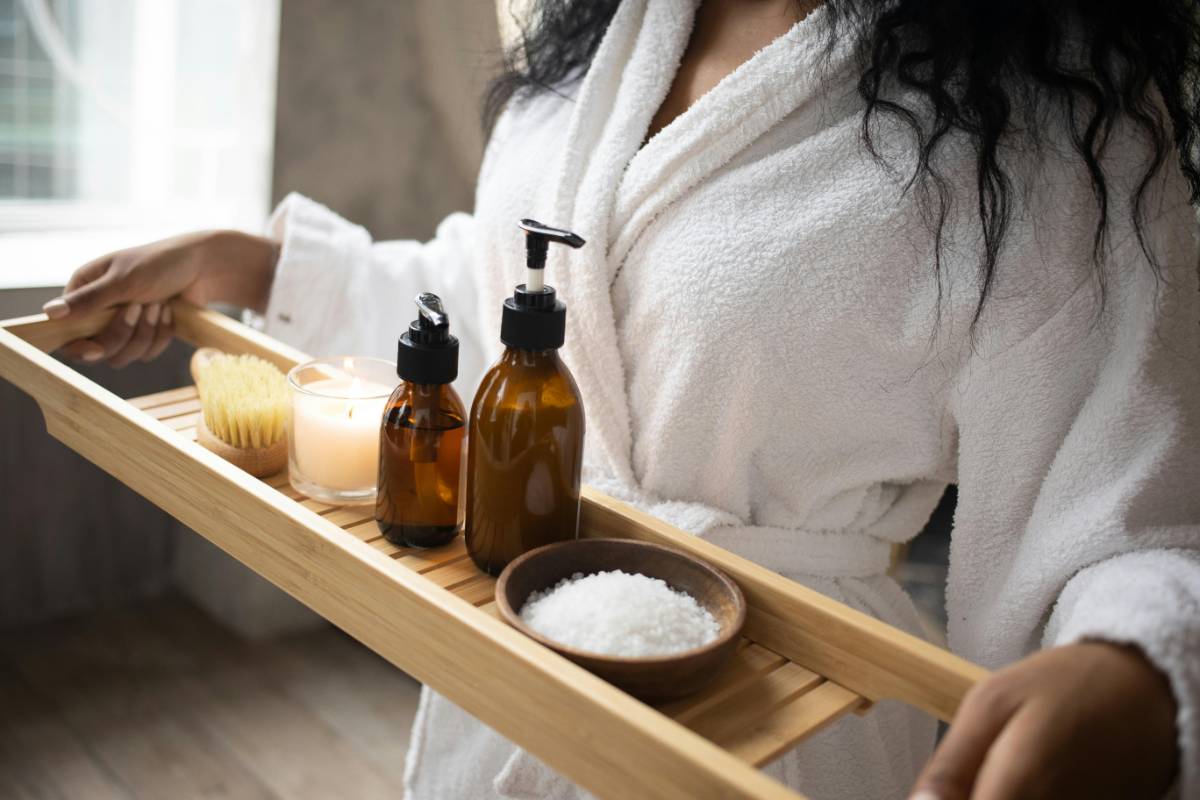
How to Create a Relaxing Bath Routine
A relaxing bath can be a perfect way to unwind and de-stress after a long day. Creating a calming bath routine involves more than just filling the tub with water; it requires attention to detail and thoughtful choices to enhance your overall experience. This article provides tips and ideas on how to create a relaxing bath routine that promotes relaxation and rejuvenation.
4 min read | 21 Feb 2025
The Role of Essential Oils in Body Care
Essential oils have been used for centuries for their therapeutic properties and aromatic benefits. In body care, essential oils play a significant role in enhancing the effectiveness of skincare routines and promoting overall well-being. This article explores the various ways essential oils can be incorporated into body care, their benefits, and tips for safe use.

4 min read | 20 Feb 2025
Best Ingredients for Soothing Dry Skin
Dry skin can be uncomfortable and irritating, leading to flakiness, tightness, and redness. Finding the right ingredients to soothe and hydrate dry skin is essential for maintaining a healthy, balanced complexion. This article highlights the best ingredients for alleviating dry skin and provides tips on how to incorporate them into your skincare routine.

3 min read | 19 Feb 2025
How to Prevent and Treat Body Acne
Body acne, or acne on areas like the back, shoulders, and chest, can be just as frustrating as facial acne. It occurs when hair follicles become clogged with excess oil, dead skin cells, and bacteria. Preventing and treating body acne involves a combination of good skincare practices, lifestyle changes, and targeted treatments. This article provides practical advice on how to prevent and manage body acne effectively.
RECENT POSTS
1
Creating a Supportive Environment for Weight Loss
5 min read | 22 Feb 20252
Positive Affirmations for Weight Loss Success
4 min read | 21 Feb 20253
Understanding and Managing Emotional Triggers
4 min read | 20 Feb 20254
The Benefits of Keeping a Food Diary
4 min read | 19 Feb 20255
How to Deal with Temptations and Avoid Binge Eating
3 min read | 18 Feb 20256
The Role of Self-Monitoring in Weight Loss
3 min read | 17 Feb 2025MORE POSTS

How to Maintain Weight Loss After Reaching Your Goal
2 min read | 14 Feb 2025
Setting Realistic Weight Loss Goals
3 min read | 13 Feb 2025
Dealing with Weight Loss Plateaus
3 min read | 12 Feb 2025
The Role of Social Support in Achieving Weight Loss Goals
5 min read | 11 Feb 2025
How to Create a Balanced Daily Routine
2 min read | 10 Feb 2025