How Hormonal Imbalances Affect Weight and How to Address Them

 By Christin Hume |
 6 min read
|19 Mar 2025Hormonal imbalances can significantly impact weight management, leading to weight gain or difficulties in losing weight. Understanding how different hormones affect your weight and how to address imbalances can help in managing your overall health.

Understanding Hormonal Imbalances:
Hormones are chemical messengers that regulate various bodily functions, including metabolism, appetite, and fat storage. Imbalances in hormones such as insulin, cortisol, thyroid hormones, and sex hormones can disrupt these processes and affect weight.
Insulin and Weight:
Insulin is a hormone produced by the pancreas that helps regulate blood sugar levels. Insulin resistance, where the body does not respond effectively to insulin, can lead to increased fat storage and weight gain. Managing insulin levels through diet and exercise is crucial for weight management.

Cortisol and Stress:
Cortisol, often called the stress hormone, can influence weight by affecting appetite and fat distribution. Chronic stress can lead to elevated cortisol levels, which may result in cravings for high-calorie foods and abdominal fat accumulation. Stress management techniques and a balanced diet can help mitigate these effects.
Thyroid Hormones and Metabolism:

The thyroid gland produces hormones that regulate metabolism. An underactive thyroid (hypothyroidism) can slow down metabolism and lead to weight gain, while an overactive thyroid (hyperthyroidism) can cause weight loss. Thyroid function should be monitored, and appropriate treatments should be followed to manage these conditions.
Sex Hormones and Weight:

Sex hormones, including estrogen and testosterone, play a role in fat distribution and appetite regulation. Imbalances in these hormones, such as those seen in menopause or polycystic ovary syndrome (PCOS), can impact weight. Hormone replacement therapy or other medical treatments may be necessary to address these imbalances.
Addressing Hormonal Imbalances:
Consult a Healthcare Provider:

If you suspect hormonal imbalances are affecting your weight, consult with a healthcare provider for proper diagnosis and treatment. They can perform tests to assess hormone levels and recommend appropriate interventions.
Maintain a Balanced Diet:

A balanced diet can help regulate hormone levels and support overall health. Focus on whole foods, including lean proteins, healthy fats, and plenty of fruits and vegetables. Limit processed foods and added sugars that can contribute to hormonal imbalances.
Exercise Regularly:
Regular physical activity can help regulate hormones, improve insulin sensitivity, and manage stress. Aim for a combination of cardiovascular exercises, strength training, and flexibility workouts to support hormonal balance and weight management.
Manage Stress:
Stress reduction techniques such as mindfulness, meditation, and deep breathing can help lower cortisol levels and reduce the impact of stress on weight. Incorporate stress management practices into your daily routine to support hormonal health.

Get Adequate Sleep:
Quality sleep is essential for hormone regulation and overall health. Aim for 7-9 hours of sleep per night to support metabolic processes and hormonal balance.
Stay Hydrated:
Proper hydration supports metabolic function and can help manage appetite. Drink plenty of water throughout the day and limit sugary or caffeinated beverages that can affect hormone levels.
Seek Medical Advice for Hormonal Therapies:
In some cases, medical treatments or hormone therapies may be necessary to address hormonal imbalances. Follow your healthcare provider's recommendations for medications or other therapies to manage your condition effectively.
Monitor and Adjust:
Regularly monitor your weight, hormone levels, and overall health. Make adjustments to your diet, exercise routine, and stress management strategies as needed to maintain hormonal balance and support weight management.
Conclusion: Hormonal imbalances can have a significant impact on weight, but understanding how different hormones affect your body and taking steps to address these imbalances can help in managing your weight effectively. By consulting with healthcare providers, maintaining a healthy lifestyle, and seeking appropriate treatments, you can achieve better hormonal balance and support your weight management goals.
Trending Around the Web
About the Author
Christin Hume
Christin Hume is a passionate health and wellness advocate, with a deep understanding of the challenges modern parents face. With a focus on holistic well-being, Christin Hume aims to empower mothers and families with practical tips, science-backed advice, and inspiring stories to promote a healthy lifestyle. Whether it's nutrition, fitness, mental health, or parenting, Christin Hume is committed to making health and wellness approachable and accessible for every SuperMoomy reader.
MORE ARTICLES

3 min read | 09 Mar 2025
The Importance of Using Aftershave Lotion
Aftershave lotion is a crucial part of any shaving routine, offering multiple benefits that extend beyond simply providing a pleasant scent. Applying aftershave lotion can significantly improve your skin’s health, enhance the comfort of your shave, and contribute to a more refined grooming experience. This article explores the key reasons why using aftershave lotion is important and how it can positively impact your skin and overall shaving routine.
5 min read | 08 Mar 2025
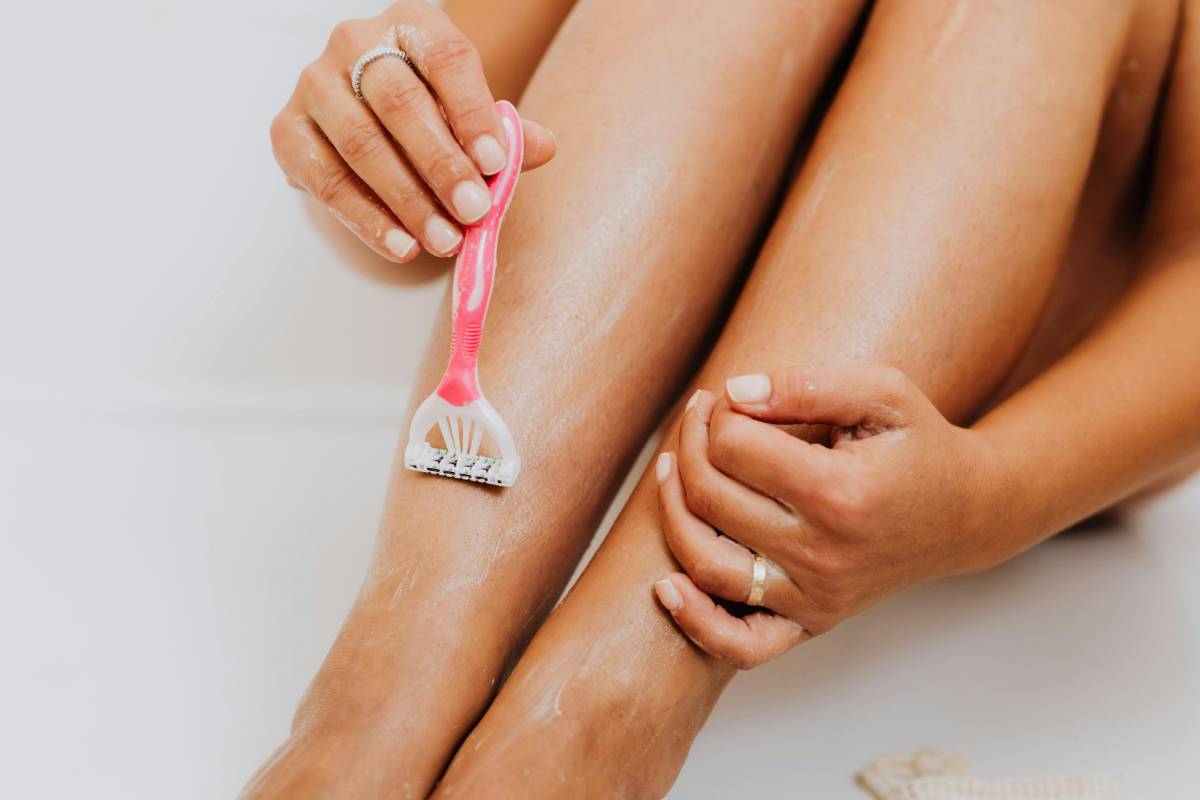
How to Achieve a Smooth Shave Every Time
Achieving a smooth shave consistently involves more than just running a razor over your skin. It requires a combination of the right techniques, tools, and skincare practices to ensure a close, comfortable, and irritation-free shave. This guide will walk you through essential steps and tips to help you achieve a perfect shave every time.

5 min read | 07 Mar 2025
Tips for Buying Fragrances Online
Buying fragrances online can be a convenient and rewarding experience, but it requires careful consideration to ensure that you get the right scent and value for your money. Unlike shopping in a physical store, where you can test and smell fragrances directly, online shopping necessitates a different approach to make informed decisions. This guide offers practical tips for buying fragrances online to help you make the best choice and enjoy a satisfying purchase.

4 min read | 06 Mar 2025
Understanding Fragrance Families
Fragrance families are essential for navigating the world of perfumes and colognes. Understanding these categories helps you identify and select scents that suit your personal preferences and mood. Each fragrance family is characterized by distinct notes and compositions that define its unique aroma. This article explores the major fragrance families, their characteristics, and how to choose a fragrance that fits within these categories.

5 min read | 05 Mar 2025
How to Apply Fragrance for Maximum Impact
Applying fragrance correctly can enhance its impact and ensure you leave a memorable impression. Fragrance application is more than just spritzing a few sprays; it involves strategic techniques and considerations to make the most of your scent. This comprehensive guide explores the best practices for applying fragrance to maximize its effectiveness and longevity.

3 min read | 04 Mar 2025
The Benefits of Using Natural Fragrances
Natural fragrances are becoming increasingly popular as people seek healthier and more eco-friendly alternatives to synthetic perfumes. Derived from natural sources such as flowers, fruits, and herbs, these fragrances offer a range of benefits that enhance both personal well-being and environmental sustainability. This article explores the advantages of using natural fragrances and why they might be a better choice for your scent experience.
RECENT POSTS
1
The Benefits of Regular Manicures
2 min read | 18 Mar 20252
How to Care for Dry, Cracked Hands
3 min read | 17 Mar 20253
Natural Alternatives to Shaving Cream
4 min read | 16 Mar 20254
How to Maintain a Clean Shave on the Go
2 min read | 15 Mar 20255
Best Practices for Grooming Sensitive Areas
3 min read | 14 Mar 20256
How to Care for Your Beard
3 min read | 13 Mar 2025MORE POSTS

The Role of Portion Sizes in a Balanced Diet
2 min read | 22 Jan 2025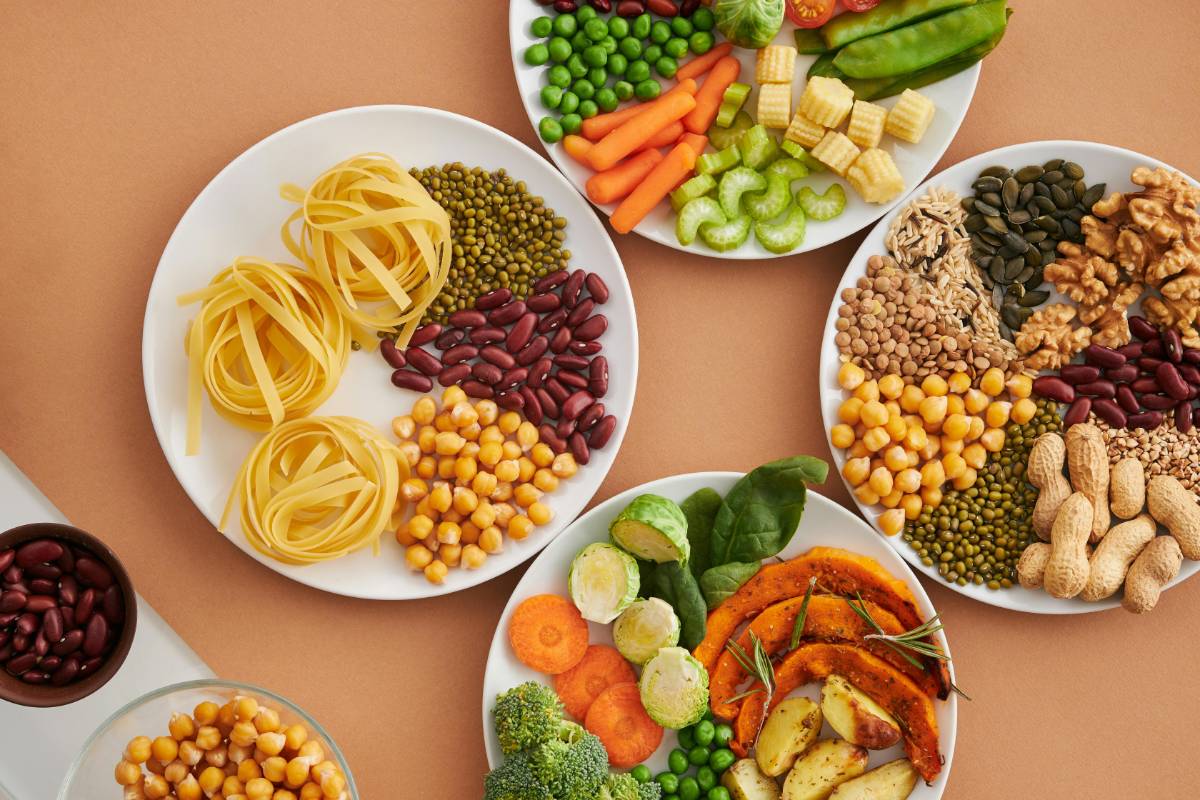
Common Myths About Balanced Diets Debunked
5 min read | 21 Jan 2025
Balancing Nutrients for Different Life Stages
3 min read | 20 Jan 2025
How to Create a Balanced Meal Plan
3 min read | 19 Jan 2025
Essential Micronutrients and Their Sources
2 min read | 18 Jan 2025