Managing Weight Post-Surgery or Medical Treatment

 By Lewis Adam |
 5 min read
|23 Mar 2025Managing weight after surgery or medical treatment requires a careful and informed approach. The impact of surgery or medical interventions on your body can influence your weight, and addressing this requires a balanced strategy tailored to your specific situation. Here are some key considerations and tips for managing weight post-surgery or medical treatment.

Follow Medical Advice:
Adhering to your healthcare provider’s recommendations is crucial for a successful recovery and weight management. Follow any dietary guidelines, activity restrictions, or medication instructions provided by your doctor. This will help ensure a safe and effective recovery process.
Monitor Nutritional Intake:
Post-surgery or medical treatment, your body may have different nutritional needs. It’s important to focus on a balanced diet that supports healing and overall health. Prioritize nutrient-dense foods that provide essential vitamins, minerals, and protein to aid in recovery and maintain energy levels.

Address Changes in Activity Levels:
Surgery or medical treatments can impact your ability to engage in physical activity. Depending on your condition, you may need to modify your exercise routine or start with low-impact activities. Consult with your healthcare provider or a physical therapist to develop a safe and effective exercise plan that accommodates your recovery.
Be Mindful of Medication Side Effects:

Certain medications prescribed post-surgery or treatment may have side effects that impact your weight, such as changes in appetite or fluid retention. Be aware of these potential effects and discuss any concerns with your healthcare provider. They may be able to adjust your medications or offer strategies to manage these side effects.
Set Realistic Goals:

Weight management goals should be realistic and aligned with your recovery progress. Avoid setting overly ambitious targets that could lead to frustration or unhealthy behaviors. Focus on gradual, sustainable changes and celebrate small victories along the way.
Stay Hydrated:
Adequate hydration is essential for recovery and overall health. Ensure you’re drinking enough water throughout the day to support your body’s healing process and maintain hydration. If you have specific fluid restrictions or recommendations, follow them closely.

Incorporate Gentle Movement:
As you progress in your recovery, gradually incorporate gentle movement into your routine. Activities like walking or stretching can promote circulation, support muscle recovery, and help manage weight. Start slowly and increase intensity as you feel more comfortable and capable.
Monitor Emotional Well-being:
Recovery from surgery or medical treatment can be emotionally challenging, and stress or emotional eating may impact your weight. Pay attention to your emotional well-being and seek support if needed. Engaging in stress-reducing activities or speaking with a counselor can be beneficial.
Keep Track of Your Progress:
Regularly monitor your progress, including any changes in weight, dietary habits, and physical activity levels. Keeping a journal or using a tracking app can help you stay on track and identify areas where adjustments may be needed.
Consult with a Dietitian:

Working with a registered dietitian can provide personalized guidance for managing your weight post-surgery or treatment. They can help you create a tailored nutrition plan that supports your recovery, meets your nutritional needs, and aligns with any medical restrictions or requirements.
Address Long-Term Lifestyle Changes:
Consider adopting long-term lifestyle changes that promote overall health and weight management. This may include incorporating a balanced diet, regular physical activity, and healthy coping strategies into your daily routine. Focus on building habits that support your well-being in the long run.
Seek Support and Education:
Joining support groups or educational programs related to post-surgery or medical treatment can provide valuable insights and encouragement. Connecting with others who have similar experiences can offer support, share strategies, and help you stay motivated.
Conclusion: Managing weight after surgery or medical treatment involves a combination of following medical advice, addressing changes in activity levels, and focusing on balanced nutrition. By setting realistic goals, staying hydrated, and seeking support, you can navigate the challenges of weight management and support your overall recovery and health.
Trending Around the Web
About the Author
Lewis Adam
Lewis Adam is a passionate health and wellness advocate, with a deep understanding of the challenges modern parents face. With a focus on holistic well-being, Lewis Adam aims to empower mothers and families with practical tips, science-backed advice, and inspiring stories to promote a healthy lifestyle. Whether it's nutrition, fitness, mental health, or parenting, Lewis Adam is committed to making health and wellness approachable and accessible for every SuperMoomy reader.
MORE ARTICLES
4 min read | 11 Mar 2025
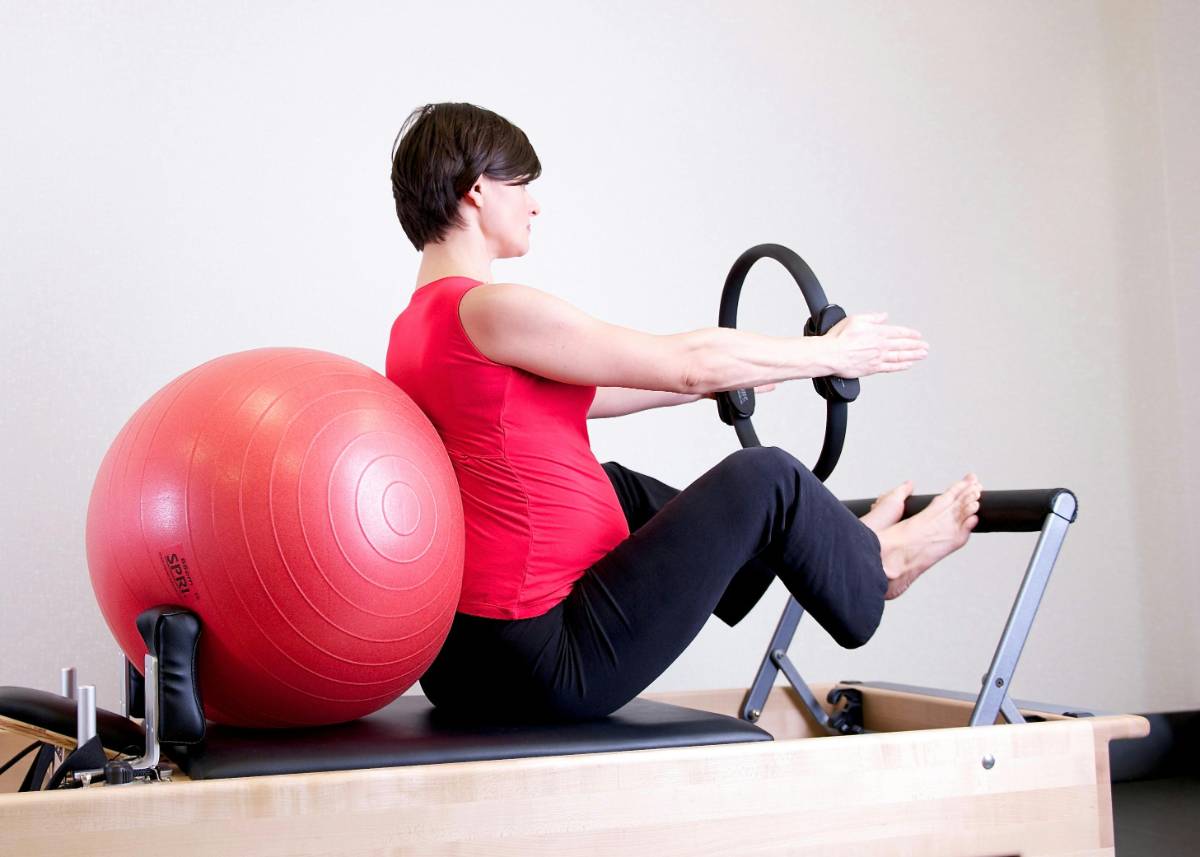
Using Stability Balls for Core Training
Stability balls, also known as exercise balls or Swiss balls, are versatile tools that can enhance your core training routine. These balls challenge your balance and stability, engaging your core muscles more effectively than traditional exercises. In this article, we'll explore how to use stability balls for core training, highlighting key exercises and their benefits.

5 min read | 10 Mar 2025
Effective Core Workouts for Improved Posture
Good posture is essential for overall health and well-being. It can prevent back pain, reduce strain on your muscles and joints, and enhance your overall physical appearance. One of the most effective ways to improve posture is by strengthening the core muscles, which support and stabilize the spine. In this article, we'll explore core workouts that specifically target the muscles responsible for maintaining good posture.

2 min read | 09 Mar 2025
How to Create a Core Training Routine
Creating a core training routine is essential for developing a strong and stable core, which supports better posture, balance, and overall fitness. A well-designed core routine targets all areas of the core, including the rectus abdominis, obliques, and lower back muscles. In this article, we'll guide you through the steps to create an effective core training routine tailored to your fitness level and goals.

2 min read | 08 Mar 2025
Best Core Exercises for Beginners
Starting a core workout routine can significantly improve your overall fitness, stability, and strength. For beginners, focusing on simple yet effective core exercises is key to building a solid foundation. In this article, we'll explore some of the best core exercises for beginners, each designed to enhance core strength and stability without requiring advanced techniques.

3 min read | 07 Mar 2025
The Importance of Core Strength in Fitness
Core strength is a fundamental component of overall fitness that plays a crucial role in both athletic performance and everyday activities. A strong core enhances stability, balance, and power, making it essential for a well-rounded fitness regimen. In this article, we’ll explore the importance of core strength, its benefits, and effective exercises to build a robust core.

4 min read | 06 Mar 2025
Common Functional Training Exercises and Their Benefits
Functional training focuses on exercises that mimic everyday movements to improve strength, stability, and overall fitness. By incorporating common functional training exercises into your routine, you can enhance your ability to perform daily activities and sports movements more efficiently. In this article, we’ll explore some of the most effective functional training exercises and their benefits.
RECENT POSTS
1
The Role of Protein in Weight Loss and How to Include It in Your Diet
4 min read | 13 Apr 20252
Low-Carb Diets: Do They Really Work for Weight Loss?
5 min read | 12 Apr 20253
The Importance of Portion Control in Weight Loss
4 min read | 11 Apr 20254
How to Reduce Emotional Eating for Better Weight Management
4 min read | 10 Apr 20255
The Best Home Workouts for Weight Loss
3 min read | 09 Apr 20256
How to Set Realistic Weight Loss Goals and Achieve Them
2 min read | 08 Apr 2025MORE POSTS

Creating a Holistic Approach: Combining Nutrition, Exercise, and Personal Care
2 min read | 14 Apr 2025
How to Incorporate Healthy Foods into Your Pre- and Post-Workout Meals
5 min read | 13 Apr 2025
The Best Skincare Practices for Active Individuals
3 min read | 12 Apr 2025
Top 10 Healthy Eating Habits for Weight Loss and Fitness
3 min read | 11 Apr 2025
How to Develop a Balanced Diet to Complement Your Exercise Routine
4 min read | 10 Apr 2025