Beginner’s Guide to Strength Training

 By Christin Hume |
 5 min read
|27 Mar 2025Strength training, also known as resistance training, is a key component of a balanced fitness routine. It involves using resistance to build muscle strength, endurance, and overall fitness. For beginners, starting a strength training program can be both exciting and overwhelming. This guide will help you understand the basics of strength training and provide tips on how to get started.

What is Strength Training?
Strength training is a type of physical exercise that uses resistance to build and tone muscles. This resistance can come from various sources, including free weights (like dumbbells and barbells), resistance bands, body weight, or weight machines. The goal of strength training is to increase muscle strength and endurance, which can improve overall fitness and health.
Benefits of Strength Training
There are numerous benefits to incorporating strength training into your fitness routine:

Increased Muscle Mass: Building muscle helps improve overall strength and physical appearance. Muscle mass also increases metabolism, which can aid in weight management.
Improved Bone Density: Strength training can help increase bone density and reduce the risk of osteoporosis. It promotes bone health by stressing the bones and stimulating bone-building processes.
Enhanced Functional Fitness: Strength training improves the ability to perform everyday activities, such as lifting groceries or climbing stairs, with greater ease and less risk of injury.

Better Posture and Balance: Regular strength training helps strengthen the muscles that support good posture and balance, reducing the risk of falls and improving overall stability.
Getting Started with Strength Training

If you're new to strength training, it's important to start with the basics and gradually build your strength and confidence. Here are some tips to help you get started:
Start with Bodyweight Exercises: Begin with exercises that use your body weight for resistance, such as squats, push-ups, and lunges. These exercises are effective for building strength and learning proper form without the need for equipment.
Learn Proper Form: Proper form is crucial for preventing injury and maximizing the effectiveness of your workouts. Take the time to learn the correct technique for each exercise, and consider working with a trainer if needed.

Use Light Weights Initially: When you start using weights, choose lighter weights to practice your form and avoid overexertion. Gradually increase the weight as you become more comfortable and stronger.
Incorporate Variety: Include a variety of exercises in your routine to work different muscle groups and prevent boredom. Aim for a balanced workout that targets the major muscle groups, such as the chest, back, legs, and arms.

Create a Workout Plan: Develop a structured workout plan that includes strength training sessions a few times a week. Aim for at least two to three sessions per week, with rest days in between to allow your muscles to recover.
Track Your Progress: Keep track of your workouts and progress to stay motivated and see improvements over time. Record the exercises you perform, the weights used, and the number of sets and reps.
Safety Tips for Strength Training
To ensure a safe and effective strength training experience, follow these safety tips:
Warm Up: Start each workout with a warm-up to prepare your muscles and reduce the risk of injury. A warm-up can include light cardio, dynamic stretches, or mobility exercises.

Cool Down: Finish your workout with a cool-down to help your body recover. Include static stretches and deep breathing to relax your muscles and improve flexibility.
Listen to Your Body: Pay attention to how your body feels during and after workouts. If you experience pain or discomfort, stop the exercise and seek guidance if needed.
Stay Hydrated: Drink plenty of water before, during, and after your workout to stay hydrated and support overall performance.
Seek Professional Guidance: If you're unsure about starting a strength training program or need help with proper form, consider working with a certified personal trainer or fitness professional.
Conclusion
Strength training is a valuable and effective way to improve overall fitness, build muscle, and enhance functional strength. By starting with the basics, focusing on proper form, and gradually increasing the intensity of your workouts, you can achieve your fitness goals and enjoy the numerous benefits of strength training. Remember to stay consistent, track your progress, and seek guidance if needed to ensure a successful and enjoyable strength training experience.
Trending Around the Web
About the Author
Christin Hume
Christin Hume is a passionate health and wellness advocate, with a deep understanding of the challenges modern parents face. With a focus on holistic well-being, Christin Hume aims to empower mothers and families with practical tips, science-backed advice, and inspiring stories to promote a healthy lifestyle. Whether it's nutrition, fitness, mental health, or parenting, Christin Hume is committed to making health and wellness approachable and accessible for every SuperMoomy reader.
MORE ARTICLES

2 min read | 20 Mar 2025
The Importance of Sleep in Weight Loss
Sleep is a crucial component of overall health and plays a significant role in weight loss. While diet and exercise are often emphasized, getting adequate rest is equally important for achieving and maintaining a healthy weight. Here’s why sleep is essential for weight loss and how it affects your journey.

2 min read | 19 Mar 2025
How to Stay Motivated on Your Weight Loss Journey
Staying motivated on your weight loss journey can be challenging, especially when progress seems slow or obstacles arise. However, maintaining motivation is crucial for long-term success. Here are some strategies to help you stay focused and committed to your weight loss goals.

2 min read | 18 Mar 2025
The Role of Exercise in Weight Loss: What You Need to Know
Exercise plays a crucial role in weight loss and overall health. While diet is a significant factor, incorporating regular physical activity can enhance weight loss efforts and provide numerous additional benefits. Here’s what you need to know about the role of exercise in weight loss.

4 min read | 17 Mar 2025
Top 10 Simple Tips for Sustainable Weight Loss
Achieving and maintaining a healthy weight requires a balanced approach and sustainable habits. Instead of opting for drastic measures, focus on simple, practical tips that can lead to long-term success. Here are ten straightforward strategies for sustainable weight loss.

4 min read | 16 Mar 2025
Understanding Portion Control: Tips for Eating in Moderation
Portion control is a key aspect of maintaining a balanced diet and achieving your nutritional goals. By managing portion sizes, you can enjoy a variety of foods while avoiding overeating. Here are some practical tips for understanding and implementing portion control to help you eat in moderation.

4 min read | 15 Mar 2025
How to Incorporate More Fruits and Vegetables into Your Meals
Increasing your intake of fruits and vegetables is a great way to boost your overall health and add essential nutrients to your diet. Incorporating more produce into your meals doesn't have to be complicated or time-consuming. Here are some practical tips to help you enjoy more fruits and vegetables every day.
RECENT POSTS
1
Functional Training Exercises for Core Strength
3 min read | 03 Mar 20252
Incorporating Balance Exercises into Functional Training
4 min read | 02 Mar 20253
Using Medicine Balls in Functional Training
2 min read | 01 Mar 20254
How Functional Training Enhances Athletic Performance
5 min read | 28 Feb 20255
Creating a Functional Training Routine for Beginners
5 min read | 27 Feb 20256
Top Functional Exercises for Everyday Strength
5 min read | 26 Feb 2025MORE POSTS

Understanding Healthy Fats: Monounsaturated and Polyunsaturated
4 min read | 25 Feb 2025
Tips for Incorporating More Fiber into Every Meal
2 min read | 24 Feb 2025
Fiber and Heart Health: What You Need to Know
4 min read | 23 Feb 2025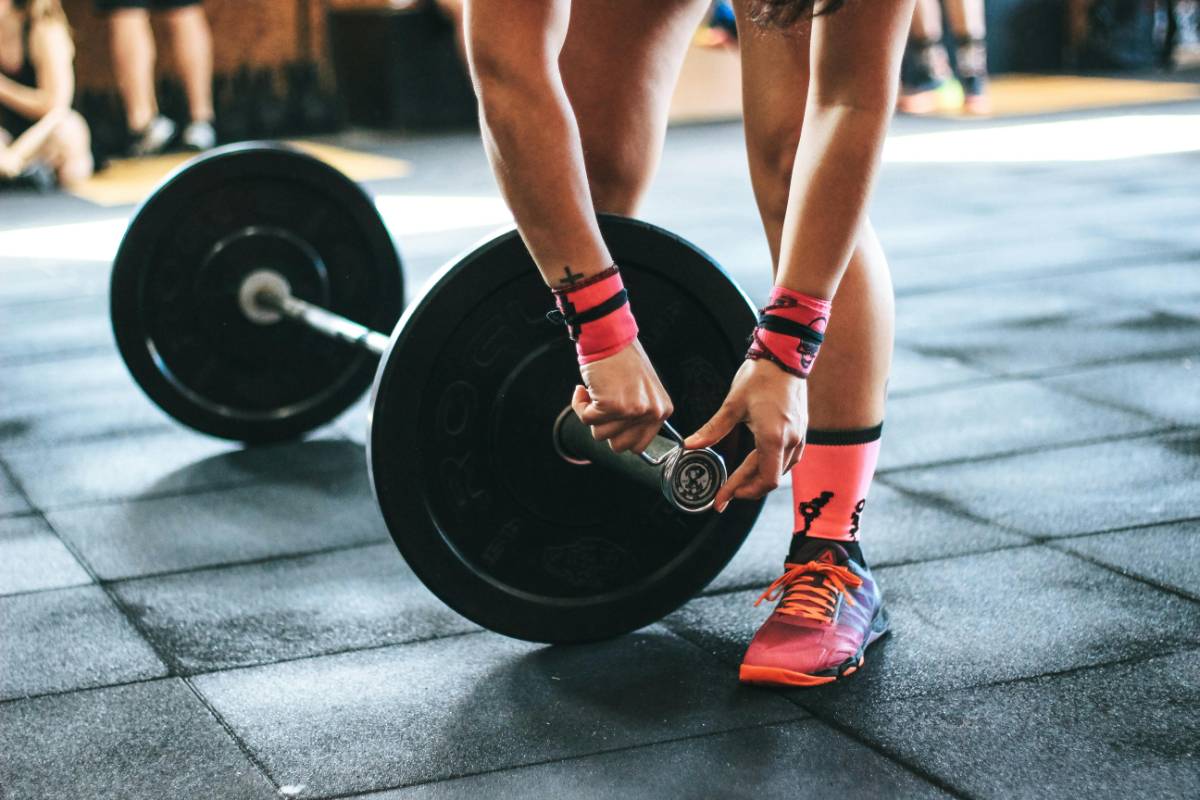
How Fiber Affects Satiety and Weight Management
2 min read | 22 Feb 2025
Soluble vs. Insoluble Fiber: What’s the Difference?
5 min read | 21 Feb 2025