Functional Training Exercises for Core Strength

 By Christin Hume |
 3 min read
|03 Mar 2025Core strength is fundamental for overall functional fitness, as it supports nearly every movement you make and helps maintain stability and balance. Incorporating functional training exercises that target the core can enhance your athletic performance and improve your daily activities. In this article, we’ll explore some effective functional training exercises designed to strengthen the core.

Benefits of Core Strength
A strong core provides several benefits:
Improved Stability: A strong core enhances your ability to maintain balance and stability during various movements.
Enhanced Posture: Core strength supports proper posture, reducing the risk of back pain and improving overall alignment.

Better Performance: Core strength is essential for generating power and efficiency in athletic activities and functional movements.
Reduced Injury Risk: Strengthening the core helps protect the spine and reduce the risk of injuries during physical activities.
Effective Functional Core Exercises

Here are some functional training exercises that target core strength:
Plank Variations
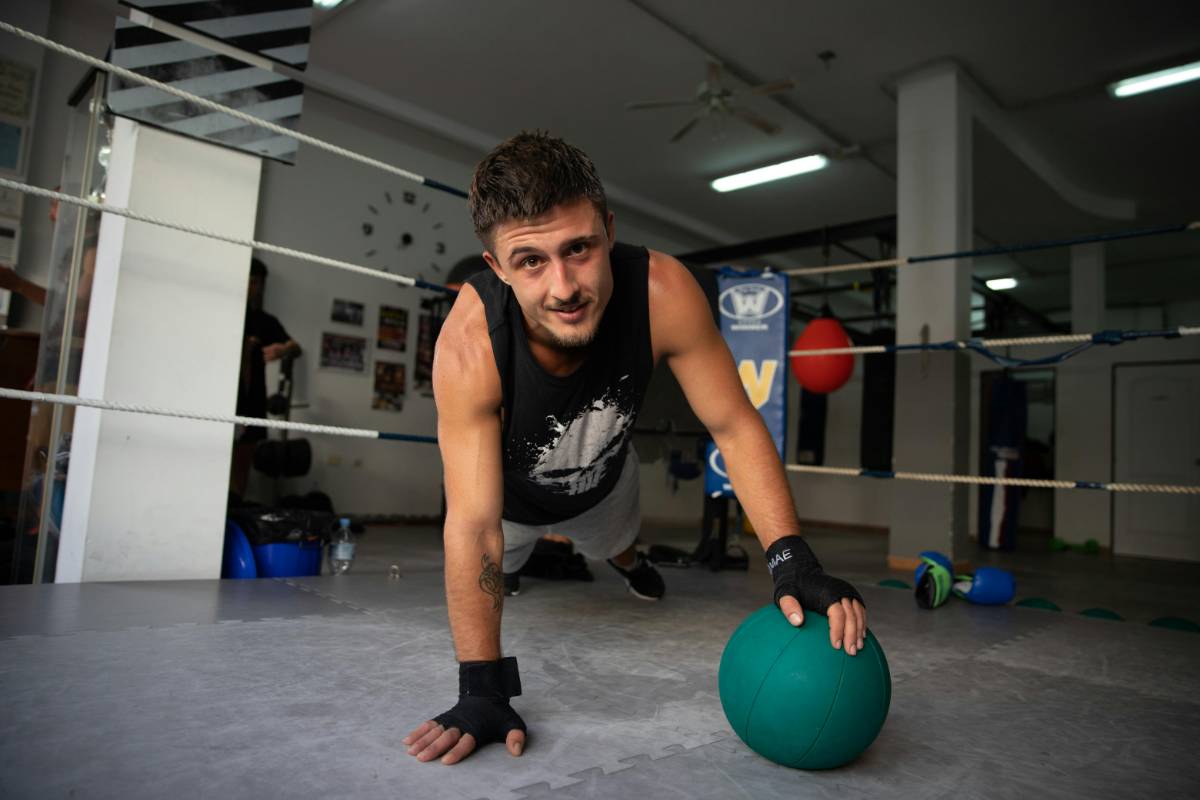
Planks are a versatile core exercise that can be modified to increase intensity and target different areas of the core.
How to Perform:
Start in a forearm plank position with your body in a straight line from head to heels. Hold this position for 30-60 seconds. To increase difficulty, try side planks, plank with leg lifts, or plank jacks.

Dead Bugs
Dead bugs are excellent for improving core stability and coordination.

How to Perform:
Lie on your back with your arms extended toward the ceiling and your knees bent at a 90-degree angle. Slowly lower one arm and the opposite leg toward the floor while keeping your lower back pressed into the ground. Return to the starting position and repeat on the other side.
Medicine Ball Slams
Medicine ball slams are a dynamic exercise that engages the entire core while enhancing power and explosiveness.
How to Perform:

Stand with your feet shoulder-width apart and hold a medicine ball overhead. Forcefully slam the ball down to the ground while engaging your core and using your legs to generate power. Catch the ball as it bounces back and repeat the movement.
Russian Twists
Russian twists are effective for targeting the obliques and improving rotational strength.
How to Perform:
Sit on the floor with your knees bent and feet elevated. Hold a medicine ball or weight with both hands and lean back slightly. Rotate your torso to one side, bringing the ball or weight toward the floor beside your hip. Return to the center and rotate to the other side.
Bird Dogs
Bird dogs improve core stability and balance by challenging coordination and strength.
How to Perform:
Start on all fours with your hands under your shoulders and knees under your hips. Extend one arm forward and the opposite leg backward, keeping your body in a straight line. Hold for a few seconds before returning to the starting position and repeating on the other side.
Bicycle Crunches
Bicycle crunches are an effective exercise for targeting the rectus abdominis and obliques.
How to Perform:
Lie on your back with your hands behind your head and legs lifted with your knees bent. Bring one elbow toward the opposite knee while extending the other leg. Switch sides in a pedaling motion, keeping your core engaged throughout the exercise.
Incorporating Core Exercises into Your Routine
When incorporating core exercises into your functional training routine, consider the following tips:
Focus on Form: Proper form is essential for maximizing the effectiveness of core exercises and preventing injury.
Include Variety: Incorporate a range of core exercises to target different muscle groups and avoid workout monotony.
Combine with Other Exercises: Integrate core exercises with other functional movements to create a well-rounded training routine.
Progress Gradually: Start with basic exercises and gradually increase the intensity and complexity as your core strength improves.
Conclusion
Functional training exercises for core strength are essential for improving stability, posture, performance, and injury prevention. By incorporating exercises such as planks, dead bugs, medicine ball slams, Russian twists, bird dogs, and bicycle crunches, you can effectively enhance your core strength and overall functional fitness. Focus on proper form, include variety, and progress gradually to achieve the best results and support your athletic and daily performance.
Trending Around the Web
About the Author
Christin Hume
Christin Hume is a passionate health and wellness advocate, with a deep understanding of the challenges modern parents face. With a focus on holistic well-being, Christin Hume aims to empower mothers and families with practical tips, science-backed advice, and inspiring stories to promote a healthy lifestyle. Whether it's nutrition, fitness, mental health, or parenting, Christin Hume is committed to making health and wellness approachable and accessible for every SuperMoomy reader.
MORE ARTICLES

3 min read | 06 Apr 2025
The Benefits of a Plant-Based Diet for Long-Term Health
A plant-based diet focuses primarily on foods derived from plants, including fruits, vegetables, whole grains, nuts, seeds, and legumes. It doesn’t necessarily mean excluding all animal products, but rather emphasizing plant foods for their nutritional and health benefits. Embracing a plant-based diet can offer numerous advantages for long-term health, ranging from improved heart health to reduced risk of chronic diseases. Here’s an in-depth look at how a plant-based diet can contribute to your well-being.

5 min read | 05 Apr 2025
Mindful Eating for Children and Families
Mindful eating isn't just for adults; it can be a valuable practice for children and families as well. Teaching mindful eating habits early on can foster a positive relationship with food, enhance family mealtime experiences, and support overall well-being. Here’s how to incorporate mindful eating into your family life.

3 min read | 04 Apr 2025
How to Build a Mindful Eating Practice into Your Daily Routine
Incorporating mindful eating into your daily routine can transform your relationship with food and enhance your overall well-being. By focusing on the present moment and being intentional about your eating habits, you can cultivate a more balanced and healthful approach to food. Here’s how to build a mindful eating practice into your daily routine.

2 min read | 03 Apr 2025
The Connection Between Mindful Eating and Digestion
Mindful eating is more than just a dietary practice; it's a holistic approach that can significantly impact your digestive health. By paying attention to how, when, and what you eat, you can enhance your digestion and overall well-being. Here’s how mindful eating connects with digestive health and how you can leverage this practice for better digestive outcomes.

4 min read | 02 Apr 2025
Tips for Eating Mindfully at Social Events
Social events often present a variety of food options and can sometimes lead to mindless eating, especially when you're focused on socializing. However, it’s possible to enjoy these occasions while still practicing mindful eating. Here are some tips to help you stay mindful at social events and maintain a balanced approach to food.

5 min read | 01 Apr 2025
The Role of Mindful Eating in Reducing Stress
Mindful eating, a practice rooted in mindfulness, can significantly impact stress levels by fostering a healthier relationship with food and promoting relaxation. This approach to eating involves paying full attention to the eating experience, from the flavors and textures of the food to the sensations of hunger and fullness. By incorporating mindful eating into your daily routine, you can manage stress more effectively and enhance overall well-being. Here’s how mindful eating can play a role in reducing stress.
RECENT POSTS
1
Understanding Healthy Fats: Monounsaturated and Polyunsaturated
4 min read | 25 Feb 20252
Tips for Incorporating More Fiber into Every Meal
2 min read | 24 Feb 20253
Fiber and Heart Health: What You Need to Know
4 min read | 23 Feb 20254
How Fiber Affects Satiety and Weight Management
2 min read | 22 Feb 20255
Soluble vs. Insoluble Fiber: What’s the Difference?
5 min read | 21 Feb 20256
The Role of Fiber in Managing Blood Sugar Levels
4 min read | 20 Feb 2025MORE POSTS

Essential Grooming Tips for Men
4 min read | 28 Feb 2025
How to Create a Relaxing Self-Care Routine at Home
5 min read | 27 Feb 2025
The Importance of a Consistent Hair Care Regimen
4 min read | 26 Feb 2025
Daily Skincare Routine for Glowing Skin
4 min read | 25 Feb 2025
Mindful Eating: How to Develop a Healthy Relationship with Food
2 min read | 16 Apr 2025