Best Strength Training Exercises for Building a Strong Core

 By Oliver Davis |
 4 min read
|23 Jan 2025A strong core is essential for overall strength, stability, and functional movement. The core, comprising the muscles in the abdomen, lower back, and pelvis, plays a crucial role in maintaining balance, supporting proper posture, and enabling powerful movements. In this article, we’ll explore some of the best strength training exercises to build a strong core, including how to perform them correctly and their benefits.

Understanding Core Muscles
The core is not just a single muscle but a complex group of muscles that include:
Rectus Abdominis: Often referred to as the "six-pack" muscles, these muscles run vertically along the front of the abdomen and are key for flexing the trunk.
Obliques: The external and internal obliques are located on the sides of the abdomen and are responsible for rotational and lateral movements.

Transverse Abdominis: This deep muscle wraps around the spine and acts as a stabilizer for the entire core, providing support for the lower back.
Erector Spinae: Running along the spine, these muscles help extend and stabilize the back, working in conjunction with the core muscles.
Best Core Strength Training Exercises

To build a strong core, it’s important to incorporate a variety of exercises that target all the muscles in this region. Here are some of the best exercises for a well-rounded core workout:
Plank: The plank is a fundamental core exercise that engages the entire core, including the rectus abdominis, obliques, and transverse abdominis. To perform a plank:
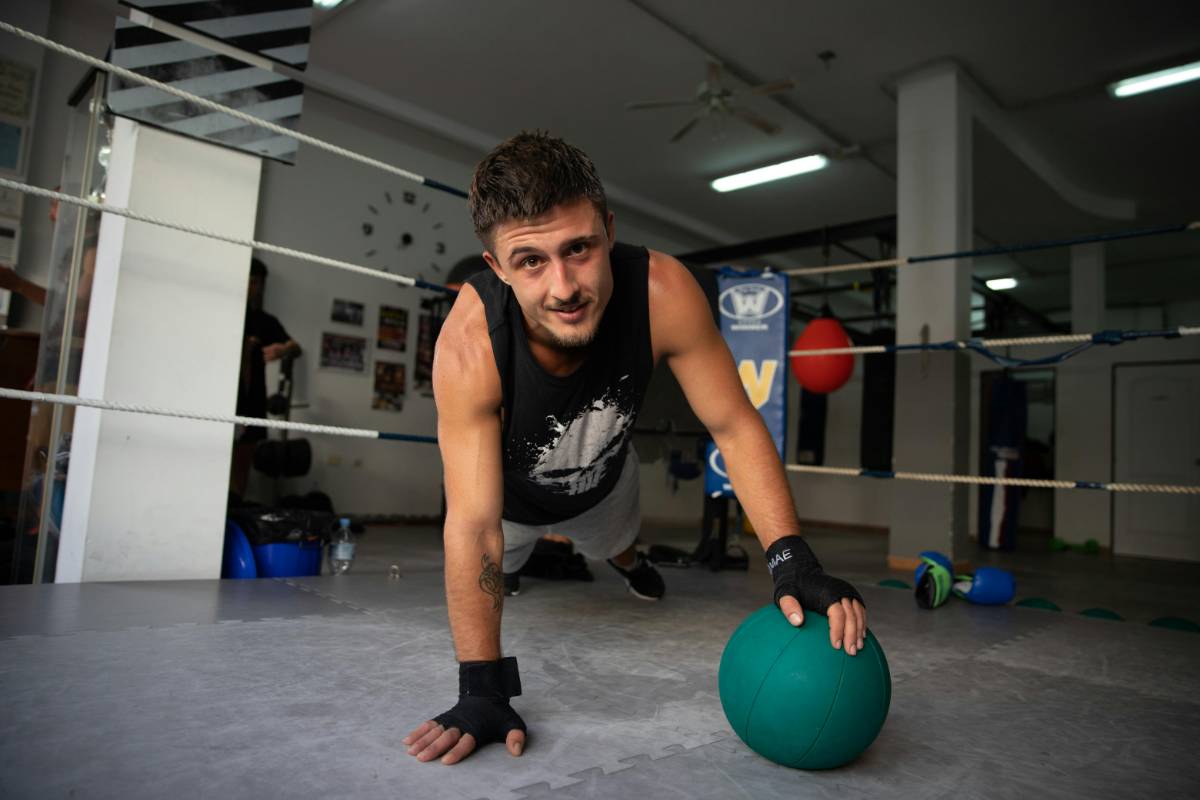
Start in a forearm plank position with your elbows directly under your shoulders and your body in a straight line from head to heels.
Engage your core muscles and hold the position for 30-60 seconds, keeping your hips level and avoiding any sagging in the lower back.
Side Plank: The side plank focuses on the obliques and helps improve lateral stability. To perform a side plank:

Lie on your side with your legs straight and prop yourself up on your forearm, ensuring your elbow is directly under your shoulder.
Lift your hips off the ground, creating a straight line from head to feet. Hold for 20-40 seconds on each side.

Russian Twists: Russian twists target the obliques and help improve rotational strength. To perform Russian twists:
Sit on the ground with your knees bent and feet lifted off the floor. Lean back slightly and hold a weight or medicine ball with both hands.
Rotate your torso to the right, bringing the weight towards the floor beside your hip, then twist to the left. Perform 12-15 twists per side.
Dead Bug: The dead bug exercise helps to engage the deep core muscles and improve coordination. To perform a dead bug:
Lie on your back with your arms extended towards the ceiling and your knees bent at 90 degrees.
Slowly lower your right arm and left leg towards the floor while keeping your lower back pressed into the ground. Return to the starting position and repeat on the other side.
Leg Raises: Leg raises target the lower part of the abdominal muscles. To perform leg raises:
Lie on your back with your legs straight and arms by your sides. Lift your legs towards the ceiling while keeping them straight, then slowly lower them back down without letting them touch the ground.
Bicycle Crunches: Bicycle crunches work the entire core, with an emphasis on the obliques. To perform bicycle crunches:
Lie on your back with your hands behind your head and legs lifted, bent at 90 degrees.
Bring your right elbow towards your left knee while extending your right leg out. Switch sides, bringing your left elbow towards your right knee. Perform 15-20 reps per side.
Mountain Climbers: Mountain climbers are a dynamic exercise that combines core stability with cardiovascular conditioning. To perform mountain climbers:
Start in a high plank position with your hands under your shoulders and your body in a straight line.
Alternate bringing your knees towards your chest in a running motion while maintaining a stable core. Continue for 30-60 seconds.
Incorporating Core Exercises into Your Routine
To build a strong core, incorporate these exercises into your strength training routine:
Frequency: Aim to include core exercises in your routine 2-3 times per week. Ensure that your core workouts are part of a balanced exercise program that includes strength training for other muscle groups.
Variety: Include a mix of exercises that target different areas of the core. This helps to ensure balanced development and prevent overuse injuries.
Progression: Gradually increase the intensity of your core workouts by adding weight, increasing the duration of holds, or performing more challenging variations of the exercises.
Form and Technique: Focus on maintaining proper form throughout each exercise. Quality is more important than quantity, and proper technique helps prevent injuries and maximizes effectiveness.
Recovery: Allow adequate time for recovery between core workouts. Like other muscle groups, the core needs time to repair and strengthen.
Common Mistakes to Avoid
When performing core exercises, avoid these common mistakes:
Overarching the Lower Back: Avoid allowing your lower back to sag or arch excessively during exercises like planks and leg raises. This can put unnecessary strain on the lower back and reduce the effectiveness of the exercise.
Relying Too Much on Crunches: While crunches are beneficial, they alone do not provide a comprehensive core workout. Incorporate a variety of exercises to target all core muscles.
Neglecting Other Muscle Groups: A strong core supports overall strength and stability. Ensure that you also train other muscle groups for a well-rounded fitness routine.
Final Thoughts
Building a strong core is essential for overall strength, stability, and functional movement. By incorporating effective core exercises into your strength training routine, you can improve balance, posture, and overall fitness. Focus on proper form, variety, and gradual progression to achieve the best results and maintain a strong, healthy core. Remember, consistency and a balanced approach are key to long-term success in core strength training.
Trending Around the Web
About the Author
Oliver Davis
Oliver Davis is a passionate health and wellness advocate, with a deep understanding of the challenges modern parents face. With a focus on holistic well-being, Oliver Davis aims to empower mothers and families with practical tips, science-backed advice, and inspiring stories to promote a healthy lifestyle. Whether it's nutrition, fitness, mental health, or parenting, Oliver Davis is committed to making health and wellness approachable and accessible for every SuperMoomy reader.
MORE ARTICLES

4 min read | 10 Mar 2025
The Science Behind Fat-Burning Supplements
Fat-burning supplements are popular among those seeking to enhance their weight loss efforts, but understanding their science is essential for making informed choices. Here’s a deep dive into how these supplements work and what you need to know before using them.

4 min read | 09 Mar 2025
How to Choose the Right Multivitamin for Weight Management
Choosing the right multivitamin can be a crucial aspect of a weight management plan. While multivitamins are not a substitute for a healthy diet, they can support overall health and help fill nutritional gaps that may impact weight management. Here's a guide to help you select the best multivitamin for your needs.

4 min read | 08 Mar 2025
The Role of Protein Supplements in Weight Loss
Protein supplements are a popular choice for those looking to lose weight and build muscle. They come in various forms, including powders, shakes, and bars, and can play a significant role in a weight loss plan. Here's a closer look at how protein supplements can aid in weight loss and how to use them effectively.

5 min read | 07 Mar 2025
Popular Weight Loss Supplements: What You Need to Know
Weight loss supplements are widely used by those seeking to shed excess pounds, but it's crucial to approach them with a well-informed perspective. These supplements often claim to boost metabolism, reduce appetite, or block fat absorption. However, their effectiveness and safety can vary. Here’s what you need to know about some popular weight loss supplements.

4 min read | 06 Mar 2025
Understanding the Link Between Water and Metabolism
Water is essential for many bodily functions, and one of its crucial roles is supporting metabolism. Metabolism refers to the chemical processes in the body that convert food into energy. Proper hydration is vital for these processes to work efficiently. Understanding how water impacts metabolism can help you optimize your health and potentially support weight management goals.

4 min read | 05 Mar 2025
How to Increase Water Intake Throughout the Day
Increasing your water intake is crucial for maintaining proper hydration, which supports various bodily functions including digestion, circulation, and temperature regulation. Many people struggle to drink enough water throughout the day, but with a few simple strategies, you can easily boost your daily water consumption and stay well-hydrated.
RECENT POSTS
1
How to Identify and Combat Dehydration
5 min read | 28 Feb 20252
Benefits of Drinking Water Before Meals
5 min read | 27 Feb 20253
How Much Water Should You Drink Each Day?
6 min read | 26 Feb 20254
The Importance of Staying Hydrated for Weight Loss
4 min read | 25 Feb 20255
Strategies for Building a Healthy Relationship with Food
6 min read | 24 Feb 20256
How to Handle Social Situations that Involve Food
4 min read | 23 Feb 2025MORE POSTS
Endurance Workouts for Beginners
5 min read | 03 Apr 2025
How to Prevent Overtraining in Endurance Routines
3 min read | 02 Apr 2025Tracking Progress in Endurance Training
3 min read | 01 Apr 2025
The Benefits of Cross-Training for Endurance Athletes
5 min read | 31 Mar 2025
Endurance Training for Cyclists
4 min read | 30 Mar 2025