Strategies for Building a Healthy Relationship with Food

 By Oliver Davis |
 6 min read
|24 Feb 2025Developing a healthy relationship with food is crucial for overall well-being and maintaining a balanced lifestyle. Here are some strategies to help you build a positive connection with what you eat:

Embrace Mindful Eating: Mindful eating involves paying full attention to your food and the eating experience. Focus on the flavors, textures, and aromas of your meals, and eat slowly to savor each bite. This practice helps you become more aware of your hunger and fullness cues, reducing the likelihood of overeating and enhancing your enjoyment of food.
Avoid Labeling Foods as “Good” or “Bad”: Instead of categorizing foods as “good” or “bad,” focus on understanding their nutritional value and how they fit into your overall diet. All foods can be part of a healthy diet when consumed in moderation. Embrace a balanced approach that includes a variety of foods, and avoid creating a sense of guilt or restriction around certain items.
Listen to Your Body’s Cues: Pay attention to your body’s signals of hunger and fullness. Eat when you’re hungry and stop when you’re satisfied. Avoid eating out of boredom, stress, or other emotional triggers. Developing an intuitive eating approach can help you build a healthier relationship with food by aligning your eating habits with your body’s natural needs.
Practice Portion Control: Portion control is key to managing your food intake and maintaining a balanced diet. Use smaller plates, bowls, and utensils to help regulate portion sizes and prevent overeating. By practicing portion control, you can enjoy a variety of foods without consuming excessive amounts.

Create Positive Associations with Food: Shift your focus from negative thoughts about food to positive experiences. Enjoy cooking and preparing meals, and use food as a way to connect with others. Create positive associations by celebrating meals with loved ones, trying new recipes, and exploring different cuisines.
Build a Balanced Meal Plan: Plan your meals to include a variety of nutrient-dense foods. Incorporate fruits, vegetables, whole grains, lean proteins, and healthy fats into your diet. A balanced meal plan ensures you get essential nutrients and helps you maintain energy levels throughout the day.
Address Emotional Eating: If you find yourself turning to food as a way to cope with emotions or stress, seek alternative strategies to manage these feelings. Engage in activities that promote relaxation, such as exercise, meditation, or journaling. Consider speaking with a therapist or counselor to address underlying emotional issues and develop healthier coping mechanisms.

Set Realistic Goals: Set achievable and realistic goals for your eating habits and overall health. Focus on making gradual, sustainable changes rather than drastic modifications. Celebrate your progress and acknowledge your efforts, and be patient with yourself as you work towards building a healthier relationship with food.
Educate Yourself: Gain knowledge about nutrition and how different foods impact your health. Understanding the benefits of various nutrients and how they contribute to overall well-being can help you make informed choices. Stay updated on reliable sources of nutrition information and avoid falling for diet myths or fads.
Be Kind to Yourself: Cultivate self-compassion and avoid self-criticism related to food choices. Understand that everyone has moments of indulgence and occasional lapses. Treat yourself with kindness and focus on the positive aspects of your eating habits. Building a healthy relationship with food involves recognizing and appreciating your efforts and progress.
Conclusion: Building a healthy relationship with food involves mindful eating, avoiding restrictive labels, and listening to your body’s cues. By creating positive associations with food, practicing portion control, and addressing emotional eating, you can foster a balanced and enjoyable approach to eating. Set realistic goals, educate yourself, and be kind to yourself as you work towards a positive and sustainable relationship with food.
Trending Around the Web
About the Author
Oliver Davis
Oliver Davis is a passionate health and wellness advocate, with a deep understanding of the challenges modern parents face. With a focus on holistic well-being, Oliver Davis aims to empower mothers and families with practical tips, science-backed advice, and inspiring stories to promote a healthy lifestyle. Whether it's nutrition, fitness, mental health, or parenting, Oliver Davis is committed to making health and wellness approachable and accessible for every SuperMoomy reader.
MORE ARTICLES

5 min read | 13 Mar 2025
How to Incorporate Core Training into Your Cardio Routine
Combining core training with your cardio routine can enhance overall fitness and improve your performance in both areas. Core exercises can help stabilize your body, reduce the risk of injury, and make your cardio workouts more effective. In this article, we'll explore how to integrate core training into your cardio routine for maximum benefits.

3 min read | 12 Mar 2025
Top 5 Mistakes to Avoid in Core Training
Core training is essential for building a strong and stable midsection, which supports overall fitness and helps prevent injury. However, many people make mistakes that can hinder their progress or even lead to injury. In this article, we’ll explore the top mistakes to avoid in core training and provide tips on how to perform your core workouts more effectively.
4 min read | 11 Mar 2025
Using Stability Balls for Core Training
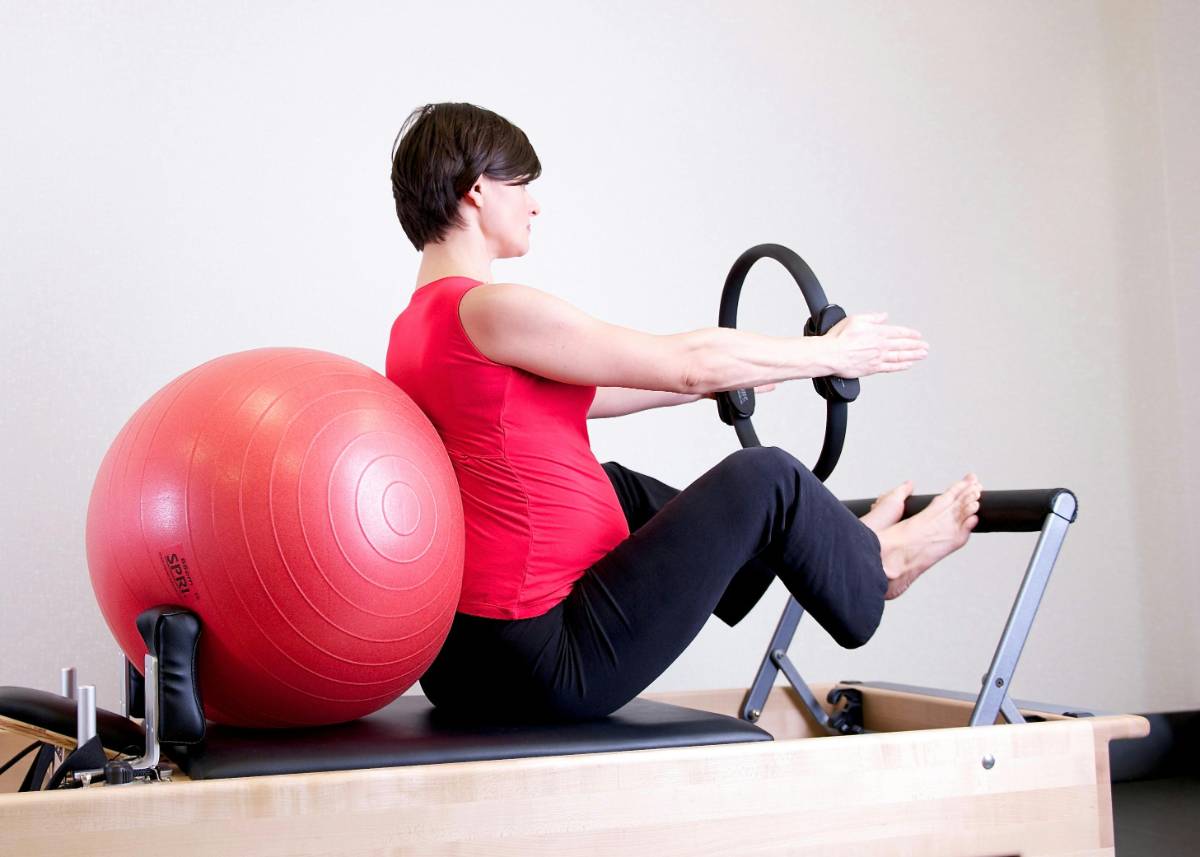
Stability balls, also known as exercise balls or Swiss balls, are versatile tools that can enhance your core training routine. These balls challenge your balance and stability, engaging your core muscles more effectively than traditional exercises. In this article, we'll explore how to use stability balls for core training, highlighting key exercises and their benefits.

5 min read | 10 Mar 2025
Effective Core Workouts for Improved Posture
Good posture is essential for overall health and well-being. It can prevent back pain, reduce strain on your muscles and joints, and enhance your overall physical appearance. One of the most effective ways to improve posture is by strengthening the core muscles, which support and stabilize the spine. In this article, we'll explore core workouts that specifically target the muscles responsible for maintaining good posture.

2 min read | 09 Mar 2025
How to Create a Core Training Routine
Creating a core training routine is essential for developing a strong and stable core, which supports better posture, balance, and overall fitness. A well-designed core routine targets all areas of the core, including the rectus abdominis, obliques, and lower back muscles. In this article, we'll guide you through the steps to create an effective core training routine tailored to your fitness level and goals.

2 min read | 08 Mar 2025
Best Core Exercises for Beginners
Starting a core workout routine can significantly improve your overall fitness, stability, and strength. For beginners, focusing on simple yet effective core exercises is key to building a solid foundation. In this article, we'll explore some of the best core exercises for beginners, each designed to enhance core strength and stability without requiring advanced techniques.
RECENT POSTS
1
The Importance of Cleansing Your Face Before Bed
3 min read | 21 Jan 20252
Anti-Aging Skincare Tips for a Youthful Glow
3 min read | 20 Jan 20253
Natural Remedies for Acne-Prone Skin
3 min read | 19 Jan 20254
How to Create an Effective Skincare Routine
4 min read | 18 Jan 20255
Choosing the Right Moisturizer for Your Skin Type
4 min read | 17 Jan 20256
Benefits of Using Sunscreen Daily
5 min read | 16 Jan 2025MORE POSTS

Effective Strategies for Weight Loss Through Diet and Exercise
4 min read | 15 Apr 2025
Creating a Holistic Approach: Combining Nutrition, Exercise, and Personal Care
2 min read | 14 Apr 2025
How to Incorporate Healthy Foods into Your Pre- and Post-Workout Meals
5 min read | 13 Apr 2025
The Best Skincare Practices for Active Individuals
3 min read | 12 Apr 2025
Top 10 Healthy Eating Habits for Weight Loss and Fitness
3 min read | 11 Apr 2025