Creating a Stability Routine for Enhanced Performance

 By Prince Matthews |
 2 min read
|21 Mar 2025A well-designed stability routine is essential for enhancing performance in various physical activities. Stability exercises improve core strength, balance, and coordination, which are crucial for optimal athletic performance and overall fitness. This article provides guidance on creating an effective stability routine to boost your performance and achieve your fitness goals.

Benefits of a Stability Routine
Incorporating stability exercises into your routine offers several benefits:
Enhanced Core Strength: Stability exercises engage the core muscles, leading to improved strength and endurance. A strong core supports better posture and movement efficiency.
Improved Balance and Coordination: Regular stability training enhances your ability to maintain balance and coordination during physical activities, reducing the risk of falls and injuries.

Better Athletic Performance: A strong and stable core improves overall athletic performance, including strength, agility, and power. Stability training supports more effective and efficient movement patterns.
Reduced Injury Risk: Strengthening stabilizing muscles around joints helps prevent injuries by supporting joint integrity and reducing the risk of strains and sprains.
Components of a Stability Routine
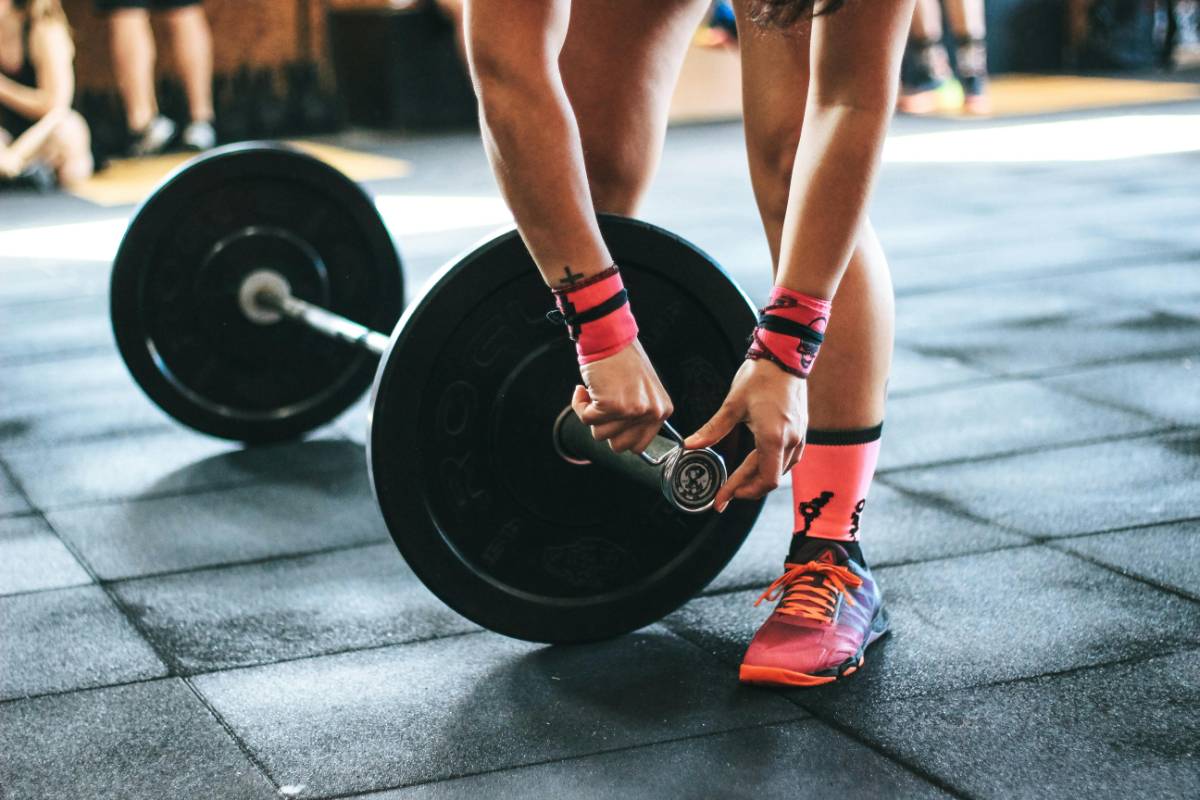
To create a comprehensive stability routine, include the following components:
Core Exercises: Incorporate exercises that target the core muscles, such as planks, Russian twists, and leg raises. These exercises enhance core strength and stability.

Balance Exercises: Include exercises that challenge your balance, such as single-leg stands, balance board exercises, and stability ball exercises. These exercises improve coordination and balance.
Dynamic Movements: Add dynamic stability exercises that involve movement, such as stability ball rolls, mountain climbers, and medicine ball throws. These exercises enhance functional stability and overall performance.
Flexibility and Mobility: Integrate flexibility and mobility exercises to support overall stability and movement efficiency. Stretching and foam rolling can improve range of motion and reduce muscle tightness.
Sample Stability Routine
Here’s a sample stability routine to get you started:

Warm-Up: 5-10 minutes of light cardio, such as jogging or jumping jacks.
Core Exercises: 3 sets of 30 seconds each for planks, side planks, and Russian twists.
Balance Exercises: 3 sets of 20-30 seconds each for single-leg stands, BOSU ball squats, and stability ball balance.
Dynamic Movements: 3 sets of 10-12 reps each for stability ball rolls, mountain climbers, and medicine ball slams.
Cool Down: 5-10 minutes of stretching and foam rolling to improve flexibility and reduce muscle soreness.

Tips for an Effective Stability Routine
To maximize the benefits of your stability routine, consider these tips:
Start Slowly: Begin with basic exercises and gradually increase the difficulty as your stability improves.
Focus on Form: Proper technique is crucial for effectiveness and safety. Ensure correct form to avoid injuries and achieve the best results.
Incorporate Variety: Use a variety of exercises to target different muscle groups and keep your routine engaging.
Be Consistent: Regular practice is key to improving stability. Aim to include stability exercises in your routine several times a week.
Conclusion
Creating a stability routine is essential for enhancing performance and overall fitness. By incorporating core, balance, dynamic, and flexibility exercises into your routine, you can improve your stability, reduce injury risk, and achieve better athletic performance. Make stability training a regular part of your fitness regimen to reap its numerous benefits and support your fitness goals.
Trending Around the Web
About the Author
Prince Matthews
Prince Matthews is a passionate health and wellness advocate, with a deep understanding of the challenges modern parents face. With a focus on holistic well-being, Prince Matthews aims to empower mothers and families with practical tips, science-backed advice, and inspiring stories to promote a healthy lifestyle. Whether it's nutrition, fitness, mental health, or parenting, Prince Matthews is committed to making health and wellness approachable and accessible for every SuperMoomy reader.
MORE ARTICLES

3 min read | 04 Feb 2025
Natural Oils That Promote Hair Growth
Natural oils have long been celebrated for their potential to promote hair growth and enhance overall hair health. These oils contain essential nutrients, vitamins, and fatty acids that nourish the scalp, strengthen hair follicles, and encourage new growth. In this article, we’ll explore some of the most effective natural oils for promoting hair growth and how to incorporate them into your hair care routine.

5 min read | 03 Feb 2025
How to Achieve Salon-Quality Hair at Home
Achieving salon-quality hair at home is possible with the right techniques, products, and tools. While professional salon treatments are beneficial, you can also create beautiful, healthy hair by adopting effective at-home hair care practices. In this article, we’ll explore how to achieve salon-quality hair at home with practical tips and recommendations.

4 min read | 02 Feb 2025
Why You Should Consider Sulfate-Free Shampoos
Sulfate-free shampoos have gained popularity in recent years as consumers become more aware of the potential effects of sulfates on hair and scalp health. Sulfates are surfactants commonly found in shampoos and other cleaning products, known for their ability to create a rich lather. However, there are compelling reasons to consider switching to sulfate-free shampoos. In this article, we’ll explore the benefits of sulfate-free shampoos and why they might be the right choice for your hair care routine.
3 min read | 01 Feb 2025
Best Practices for Coloring Your Hair at Home
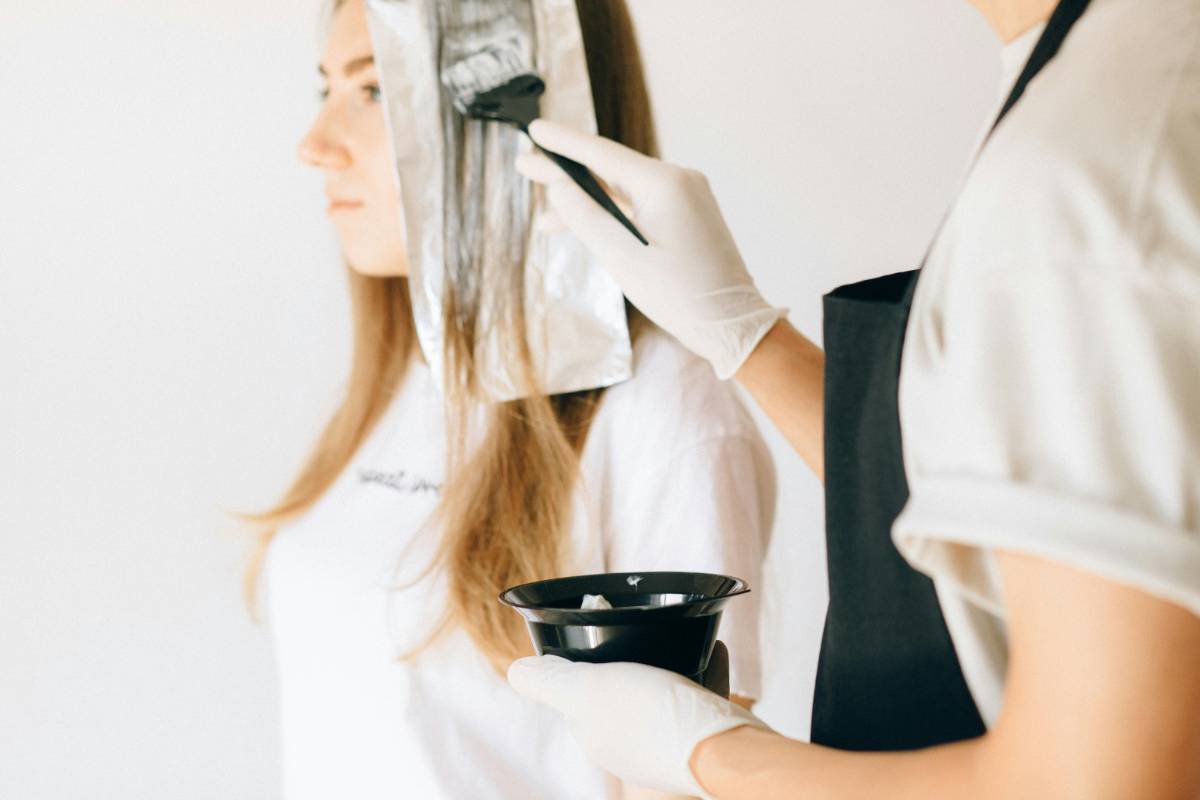
Coloring your hair at home can be a convenient and cost-effective way to refresh your look. However, achieving salon-quality results requires careful preparation and technique. By following best practices, you can ensure that your hair color turns out vibrant and even while minimizing potential damage. In this article, we’ll cover essential tips and best practices for coloring your hair at home.

5 min read | 31 Jan 2025
How to Treat Dandruff Effectively
Dandruff is a common scalp condition characterized by the shedding of dead skin cells, often accompanied by itching and flakiness. While it is not usually a serious health concern, dandruff can be bothersome and affect your confidence. Fortunately, there are several effective strategies and treatments available to manage and reduce dandruff. In this article, we’ll explore how to treat dandruff effectively and keep your scalp healthy.

4 min read | 30 Jan 2025
The Importance of Using Heat Protectant on Your Hair
Heat styling tools such as blow dryers, flat irons, and curling irons can help you achieve your desired hairstyle, but they can also cause significant damage to your hair if not used properly. One crucial step in protecting your hair from heat damage is using a heat protectant. In this article, we’ll discuss the importance of using heat protectant on your hair and how it can help maintain its health and appearance.
RECENT POSTS
1
The Power of Aromatherapy in Your Personal Care Routine
2 min read | 14 Apr 20252
Natural Ingredients to Look for in Personal Care Products
2 min read | 13 Apr 20253
How to Improve Your Oral Hygiene Routine
4 min read | 12 Apr 20254
The Benefits of Facial Massages for Anti-Aging
5 min read | 11 Apr 20255
How to Keep Your Nails Healthy and Strong
4 min read | 10 Apr 20256
Self-Care for Busy Professionals: Simple Steps to Feel Refreshed
2 min read | 09 Apr 2025MORE POSTS

The Role of Electrolytes in Hydration
5 min read | 02 Mar 2025
Hydrating Foods to Include in Your Diet
4 min read | 01 Mar 2025
How to Identify and Combat Dehydration
5 min read | 28 Feb 2025
Benefits of Drinking Water Before Meals
5 min read | 27 Feb 2025
How Much Water Should You Drink Each Day?
6 min read | 26 Feb 2025