Hydrating Foods to Include in Your Diet

 By Aditi Sharma |
 4 min read
|01 Mar 2025Staying hydrated is essential for your overall health, and while drinking water is the most direct way to maintain hydration, incorporating hydrating foods into your diet can also be highly effective. These foods not only help keep you hydrated but also provide essential nutrients and vitamins. Here are some of the best hydrating foods to include in your diet:

Cucumbers: Cucumbers are composed of about 95% water, making them one of the most hydrating vegetables. They are low in calories and provide a refreshing crunch to salads, sandwiches, and snacks. In addition to hydration, cucumbers are a good source of vitamin K, which is important for bone health.
Watermelon: As the name suggests, watermelon is packed with water—about 92% to be exact. This juicy fruit is not only hydrating but also rich in vitamins A and C, which support immune function and skin health. Watermelon is perfect as a standalone snack, in fruit salads, or blended into smoothies.
Strawberries: Strawberries are another hydrating fruit, containing about 91% water. They are also high in antioxidants, fiber, and vitamin C. Enjoy strawberries fresh, in yogurt, or as a topping for cereals and desserts to boost your hydration levels.
Oranges: Oranges are not only known for their high vitamin C content but also for their hydrating properties, with a water content of about 86%. This citrus fruit is great for keeping you hydrated while also supporting your immune system. Oranges make a great snack, juice, or addition to salads.

Lettuce: Leafy greens like lettuce have a high water content, with some varieties containing up to 95% water. Lettuce is low in calories and can be easily added to salads, sandwiches, or wraps to enhance your hydration while providing a good dose of fiber.
Tomatoes: Tomatoes are another hydrating vegetable, with a water content of about 94%. They are versatile and can be used in salads, sauces, or eaten raw. Tomatoes are also rich in lycopene, an antioxidant that supports heart health.
Zucchini: Zucchini is composed of about 95% water and is a versatile vegetable that can be grilled, sautéed, or added to soups and stews. It is low in calories and a good source of vitamin C and potassium, both of which are important for overall health.
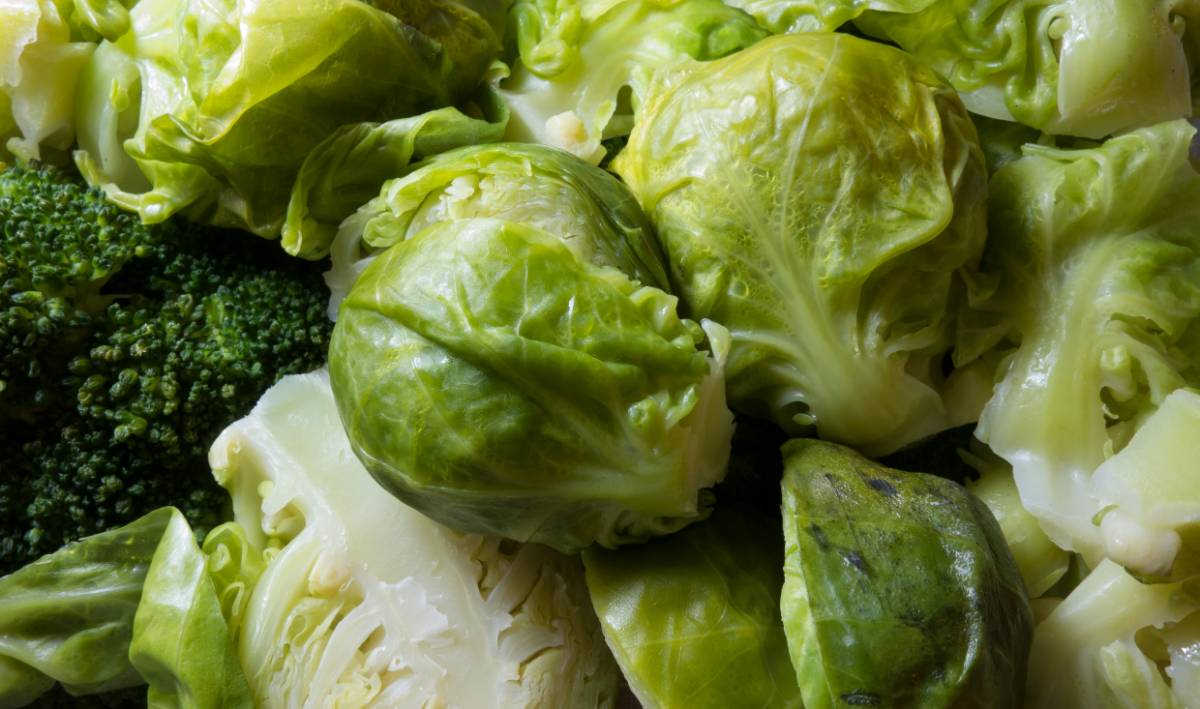
Celery: Celery is often overlooked, but it is highly hydrating, with a water content of about 95%. It’s also a good source of fiber and essential nutrients like potassium and vitamin K. Celery can be enjoyed as a snack, in salads, or as part of soups and stews.
Cantaloupe: Cantaloupe is another fruit with high water content, about 90%. It’s sweet, juicy, and rich in vitamins A and C. Cantaloupe makes a refreshing breakfast, snack, or addition to fruit salads.

Pineapple: Pineapple contains about 86% water and is a tropical fruit that’s both hydrating and packed with nutrients like vitamin C and bromelain, an enzyme that aids digestion. Enjoy pineapple fresh, in smoothies, or as part of a fruit salad.
Conclusion: Including hydrating foods in your diet is an excellent way to complement your water intake and ensure your body stays hydrated. These fruits and vegetables not only quench your thirst but also provide essential vitamins, minerals, and antioxidants that contribute to your overall health. Make sure to add a variety of these hydrating foods to your meals and snacks to support your hydration and well-being.
Trending Around the Web
About the Author
Aditi Sharma
Aditi Sharma is a passionate health and wellness advocate, with a deep understanding of the challenges modern parents face. With a focus on holistic well-being, Aditi Sharma aims to empower mothers and families with practical tips, science-backed advice, and inspiring stories to promote a healthy lifestyle. Whether it's nutrition, fitness, mental health, or parenting, Aditi Sharma is committed to making health and wellness approachable and accessible for every SuperMoomy reader.
MORE ARTICLES

5 min read | 03 Feb 2025
How to Achieve Salon-Quality Hair at Home
Achieving salon-quality hair at home is possible with the right techniques, products, and tools. While professional salon treatments are beneficial, you can also create beautiful, healthy hair by adopting effective at-home hair care practices. In this article, we’ll explore how to achieve salon-quality hair at home with practical tips and recommendations.

4 min read | 02 Feb 2025
Why You Should Consider Sulfate-Free Shampoos
Sulfate-free shampoos have gained popularity in recent years as consumers become more aware of the potential effects of sulfates on hair and scalp health. Sulfates are surfactants commonly found in shampoos and other cleaning products, known for their ability to create a rich lather. However, there are compelling reasons to consider switching to sulfate-free shampoos. In this article, we’ll explore the benefits of sulfate-free shampoos and why they might be the right choice for your hair care routine.
3 min read | 01 Feb 2025
Best Practices for Coloring Your Hair at Home
Coloring your hair at home can be a convenient and cost-effective way to refresh your look. However, achieving salon-quality results requires careful preparation and technique. By following best practices, you can ensure that your hair color turns out vibrant and even while minimizing potential damage. In this article, we’ll cover essential tips and best practices for coloring your hair at home.

5 min read | 31 Jan 2025
How to Treat Dandruff Effectively
Dandruff is a common scalp condition characterized by the shedding of dead skin cells, often accompanied by itching and flakiness. While it is not usually a serious health concern, dandruff can be bothersome and affect your confidence. Fortunately, there are several effective strategies and treatments available to manage and reduce dandruff. In this article, we’ll explore how to treat dandruff effectively and keep your scalp healthy.

4 min read | 30 Jan 2025
The Importance of Using Heat Protectant on Your Hair
Heat styling tools such as blow dryers, flat irons, and curling irons can help you achieve your desired hairstyle, but they can also cause significant damage to your hair if not used properly. One crucial step in protecting your hair from heat damage is using a heat protectant. In this article, we’ll discuss the importance of using heat protectant on your hair and how it can help maintain its health and appearance.

3 min read | 29 Jan 2025
Tips for Preventing Hair Loss Naturally
Hair loss can be a distressing issue, impacting self-esteem and confidence. While there are medical treatments available, many people prefer to explore natural methods for preventing hair loss and promoting healthy hair growth. By adopting a holistic approach and incorporating specific lifestyle and dietary changes, you can support your hair’s health and reduce the risk of hair loss. In this article, we’ll share practical tips for preventing hair loss naturally.
RECENT POSTS
1
Benefits of Drinking Water Before Meals
5 min read | 27 Feb 20252
How Much Water Should You Drink Each Day?
6 min read | 26 Feb 20253
The Importance of Staying Hydrated for Weight Loss
4 min read | 25 Feb 20254
Strategies for Building a Healthy Relationship with Food
6 min read | 24 Feb 20255
How to Handle Social Situations that Involve Food
4 min read | 23 Feb 20256
Creating a Supportive Environment for Weight Loss
5 min read | 22 Feb 2025MORE POSTS
Choosing the Right Moisturizer for Your Skin Type
4 min read | 17 Jan 2025
Benefits of Using Sunscreen Daily
5 min read | 16 Jan 2025
The Benefits of Strength Training for Weight Loss
3 min read | 16 Apr 2025
Tips for Maintaining Weight Loss After Reaching Your Goal
3 min read | 15 Apr 2025
How to Read Nutrition Labels to Support Your Weight Loss Goals
4 min read | 14 Apr 2025