The Role of Mindful Eating in Reducing Stress

 By Sayan Gosh |
 5 min read
|01 Apr 2025Mindful eating, a practice rooted in mindfulness, can significantly impact stress levels by fostering a healthier relationship with food and promoting relaxation. This approach to eating involves paying full attention to the eating experience, from the flavors and textures of the food to the sensations of hunger and fullness. By incorporating mindful eating into your daily routine, you can manage stress more effectively and enhance overall well-being. Here’s how mindful eating can play a role in reducing stress.

Understanding Mindful Eating
Mindful eating encourages individuals to slow down and engage with their meals consciously. This practice involves focusing on the present moment, savoring each bite, and listening to the body's hunger and fullness cues. By removing distractions such as phones and televisions, mindful eating allows you to fully immerse yourself in the eating experience, which can have a calming effect on the mind and body.
Reducing Stress Through Increased Awareness
One of the primary benefits of mindful eating is the increased awareness it brings to your eating habits. By being more present during meals, you can better recognize and address emotional or stress-related eating patterns. This heightened awareness helps you make more deliberate food choices and reduces the likelihood of turning to food as a coping mechanism for stress.

Promoting Relaxation and Calmness
Mindful eating can induce a state of relaxation and calmness. When you eat slowly and mindfully, you activate the parasympathetic nervous system, which is responsible for the body’s “rest and digest” response. This state counteracts the “fight or flight” response associated with stress, helping to lower cortisol levels and promote a sense of well-being.
Enhancing Enjoyment of Food

By focusing on the sensory aspects of eating, mindful eating enhances the enjoyment of food. When you fully engage with the flavors, textures, and aromas of your meal, you derive greater satisfaction from eating. This enjoyment can lead to a more positive relationship with food and reduce stress-related eating habits such as binge eating or emotional eating.
Managing Emotional Eating

Mindful eating can help manage emotional eating, which is often triggered by stress, anxiety, or other emotions. By practicing mindfulness, you become more attuned to your emotional triggers and can develop healthier coping strategies. This can lead to more balanced eating habits and a reduction in stress-related eating behaviors.
Encouraging a Balanced Approach to Meals
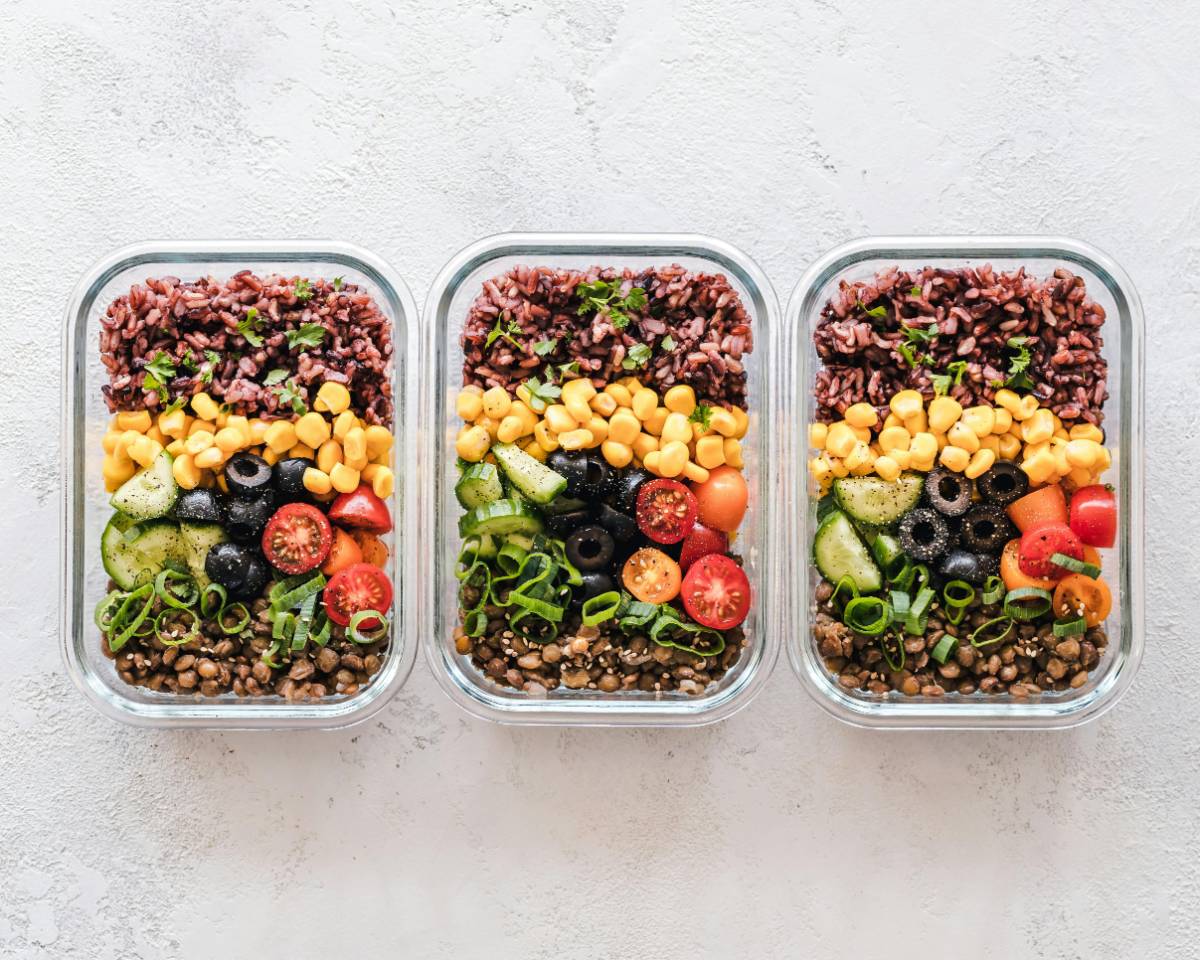
A mindful approach to eating often includes paying attention to portion sizes and making balanced food choices. By being present during meals, you can better gauge your body’s needs and make more informed decisions about what and how much to eat. This balanced approach can help prevent overeating and contribute to overall stress reduction.
Creating a Routine for Mindful Eating
To incorporate mindful eating into your daily life, establish a routine that includes dedicated time for meals without distractions. Practice eating slowly and savoring each bite, and use this time to check in with your body’s hunger and fullness signals. By integrating these practices into your daily routine, you can create a sense of structure and stability that supports stress management.

Building Resilience to Stress
Regular practice of mindful eating can build resilience to stress over time. By developing a mindful approach to eating, you strengthen your ability to manage stress more effectively and make healthier choices. This resilience can extend beyond meal times and contribute to overall stress management and emotional well-being.
Incorporating mindful eating into your daily routine offers a valuable tool for reducing stress and promoting relaxation. By focusing on the present moment, enhancing enjoyment of food, and managing emotional eating, you can cultivate a healthier relationship with food and improve overall well-being. Embrace mindful eating as a way to manage stress and create a more balanced and satisfying approach to eating.
Trending Around the Web
About the Author
Sayan Gosh
Sayan Gosh is a passionate health and wellness advocate, with a deep understanding of the challenges modern parents face. With a focus on holistic well-being, Sayan Gosh aims to empower mothers and families with practical tips, science-backed advice, and inspiring stories to promote a healthy lifestyle. Whether it's nutrition, fitness, mental health, or parenting, Sayan Gosh is committed to making health and wellness approachable and accessible for every SuperMoomy reader.
MORE ARTICLES

5 min read | 06 Feb 2025
Beginner’s Guide to Yoga for Flexibility
Yoga is a powerful practice that can significantly improve your flexibility, balance, and overall well-being. For beginners, starting a yoga practice with the goal of enhancing flexibility can be both rewarding and beneficial. In this guide, we’ll explore the basics of yoga for flexibility, including key poses, tips for getting started, and how to create a routine that works for you.

5 min read | 05 Feb 2025
Why Flexibility is Important for Overall Fitness
Flexibility is often overlooked in the pursuit of fitness, but it plays a crucial role in overall health and performance. Many people focus primarily on strength, endurance, or cardiovascular fitness, neglecting the importance of maintaining and improving flexibility. In this article, we’ll explore why flexibility is essential for overall fitness and how incorporating it into your routine can benefit your body.

5 min read | 04 Feb 2025
How to Track Your Cardio Fitness Progress
Tracking your cardio fitness progress is essential for understanding how well you’re doing and making necessary adjustments to your routine. Whether you’re a beginner or an experienced athlete, monitoring your progress helps you stay motivated, set achievable goals, and improve your overall fitness. In this article, we’ll explore various methods and tools for tracking your cardio fitness progress and provide tips on how to effectively use them.

4 min read | 03 Feb 2025
Cardio Workouts That Don’t Require Equipment
Cardio workouts are essential for improving cardiovascular health, burning calories, and boosting overall fitness. The good news is that you don’t need fancy equipment to get an effective cardio workout. There are plenty of exercises you can do with just your body weight that can provide an excellent cardiovascular challenge. In this article, we’ll explore a variety of cardio workouts that don’t require any equipment, making it easy to stay fit from the comfort of your home or outdoors.

4 min read | 02 Feb 2025
How to Choose the Right Cardio Equipment for Home Workouts
Choosing the right cardio equipment for home workouts can significantly impact your exercise routine and overall fitness. With a variety of options available, it’s essential to select equipment that aligns with your fitness goals, space, and budget. In this article, we’ll explore the factors to consider when choosing cardio equipment for home workouts and review popular options to help you make an informed decision.

4 min read | 01 Feb 2025
The Benefits of Steady-State vs. Interval Cardio
Cardiovascular exercise is a key component of a balanced fitness routine, and two popular types of cardio are steady-state and interval training. Both methods have their unique benefits and can contribute to overall fitness and health in different ways. In this article, we’ll explore the benefits of steady-state cardio and interval cardio, compare the two approaches, and help you determine which might be best suited for your fitness goals.
RECENT POSTS
1
Natural Oils That Promote Hair Growth
3 min read | 04 Feb 20252
How to Achieve Salon-Quality Hair at Home
5 min read | 03 Feb 20253
Why You Should Consider Sulfate-Free Shampoos
4 min read | 02 Feb 20254
Best Practices for Coloring Your Hair at Home
3 min read | 01 Feb 20255
How to Treat Dandruff Effectively
5 min read | 31 Jan 20256
The Importance of Using Heat Protectant on Your Hair
4 min read | 30 Jan 2025MORE POSTS
The Role of Stability in Functional Training
5 min read | 04 Mar 2025
Functional Training Exercises for Core Strength
3 min read | 03 Mar 2025
Incorporating Balance Exercises into Functional Training
4 min read | 02 Mar 2025
Using Medicine Balls in Functional Training
2 min read | 01 Mar 2025
How Functional Training Enhances Athletic Performance
5 min read | 28 Feb 2025