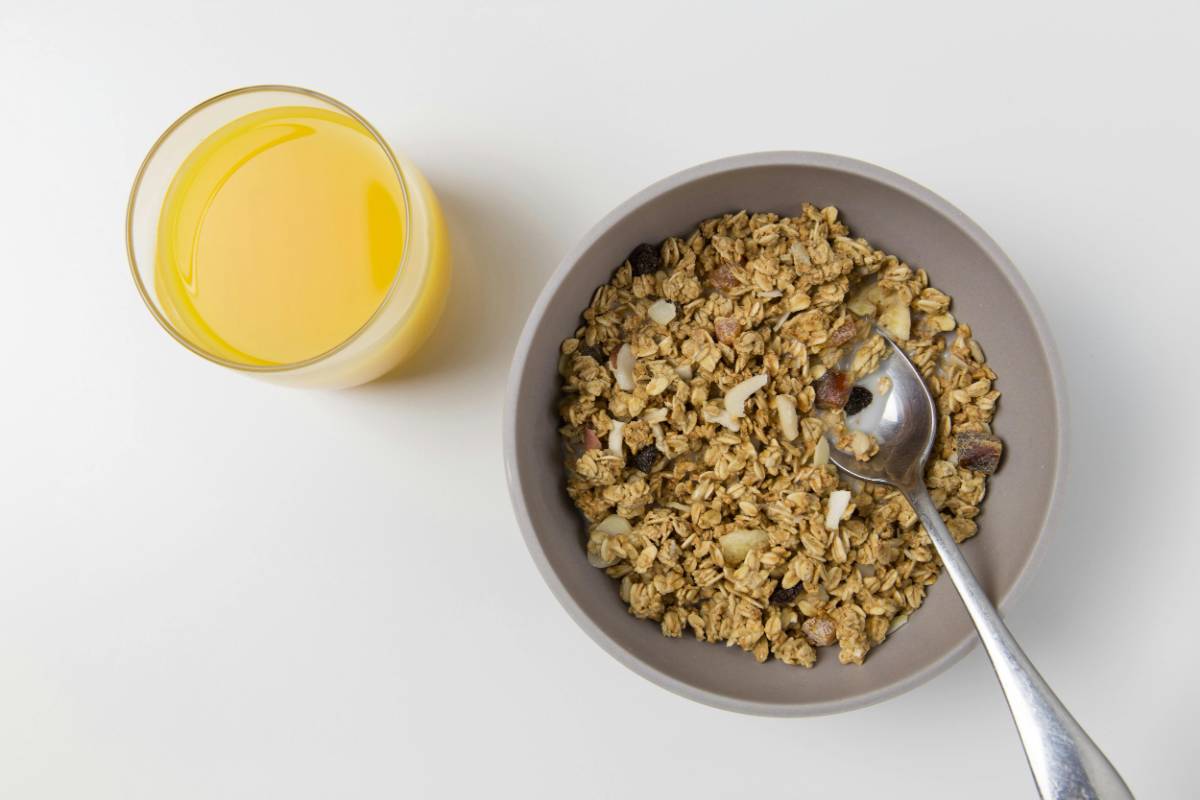
How to Create a Balanced Meal Plan

 By Sayan Gosh |
 3 min read
|19 Jan 2025Creating a balanced meal plan is key to maintaining a healthy lifestyle and achieving your dietary goals. A well-rounded meal plan ensures that you get the right proportions of nutrients needed to support overall health, energy levels, and well-being. In this article, we will guide you through the process of designing a balanced meal plan, including tips on portion control, meal variety, and nutrient balance.

Understand Nutritional Needs
Before you start planning your meals, it's essential to understand your nutritional needs. These needs can vary based on factors such as age, gender, activity level, and health goals. The general principles for a balanced diet include:
Carbohydrates: They should make up about 45-65% of your daily caloric intake. Focus on complex carbohydrates like whole grains, fruits, and vegetables.
Proteins: Aim for 10-35% of your daily calories from protein sources. Include a mix of animal and plant-based proteins, such as lean meats, fish, eggs, beans, and tofu.

Fats: Healthy fats should account for about 20-35% of your daily calories. Choose unsaturated fats found in nuts, seeds, avocados, and olive oil while limiting saturated and trans fats.
Vitamins and Minerals: Incorporate a variety of fruits and vegetables to ensure you get essential vitamins and minerals. Aim for a colorful plate to cover a range of nutrients.
Plan Your Meals

Once you understand your nutritional needs, follow these steps to create a balanced meal plan:
Set Your Goals: Determine your health and fitness goals, such as weight loss, muscle gain, or overall health improvement. Your meal plan should align with these objectives.

Choose a Meal Planning Method: Decide how you want to organize your meal plan. You can plan meals weekly or bi-weekly and use tools like meal planning apps, spreadsheets, or paper planners.
Include a Variety of Foods: Ensure your meal plan includes a mix of different food groups to provide a range of nutrients. Aim for a balance of proteins, carbohydrates, and fats in each meal.
Portion Control: Pay attention to portion sizes to avoid overeating. Use measuring cups, a food scale, or visual cues to estimate portions.

Sample Meal Plan
Here is a sample balanced meal plan for a day to illustrate how to incorporate these principles:

Breakfast:
Whole grain toast with avocado and a poached egg.
A side of mixed berries.
A glass of low-fat milk or a dairy-free alternative.
Lunch:

Grilled chicken breast on a bed of mixed greens with cherry tomatoes, cucumber, and a light vinaigrette.
A serving of quinoa or brown rice.
Snack:
A small handful of almonds and an apple.
Dinner:
Baked salmon with a lemon-dill sauce.
Steamed broccoli and roasted sweet potatoes.
A side salad with mixed greens and a balsamic dressing.
Snack (if needed):
Greek yogurt with a drizzle of honey and a sprinkle of chia seeds.
Shopping and Preparation Tips
To make your meal planning easier, consider these shopping and preparation tips:
Create a Shopping List: Based on your meal plan, make a list of all the ingredients you need. This will help you stay organized and avoid buying unnecessary items.
Batch Cooking: Prepare large batches of meals or components (like grains or proteins) that you can use throughout the week. This saves time and ensures you have healthy options readily available.
Prepping Ingredients: Wash, chop, and store fruits and vegetables in advance to make meal preparation quicker and more convenient.
Healthy Swaps: Opt for healthier versions of your favorite recipes. For example, use whole grain pasta instead of refined pasta, or replace sour cream with Greek yogurt.
Monitor and Adjust
A balanced meal plan should be flexible and adaptable. Monitor how your body responds to your meal plan and make adjustments as needed. If you notice changes in your energy levels, weight, or overall health, consider revisiting your plan to ensure it continues to meet your needs.
Conclusion
Creating a balanced meal plan involves understanding your nutritional needs, planning diverse and nutrient-rich meals, and practicing portion control. By following these steps and tips, you can design a meal plan that supports your health goals and ensures you receive the necessary nutrients for optimal well-being. Remember that balance and variety are key to a successful and sustainable meal plan.
Trending Around the Web
About the Author
Sayan Gosh
Sayan Gosh is a passionate health and wellness advocate, with a deep understanding of the challenges modern parents face. With a focus on holistic well-being, Sayan Gosh aims to empower mothers and families with practical tips, science-backed advice, and inspiring stories to promote a healthy lifestyle. Whether it's nutrition, fitness, mental health, or parenting, Sayan Gosh is committed to making health and wellness approachable and accessible for every SuperMoomy reader.
MORE ARTICLES

5 min read | 04 Feb 2025
Benefits of Eating Whole Foods for Your Health
Eating a diet rich in whole foods is one of the most effective ways to improve overall health and well-being. Whole foods are minimally processed and free from artificial additives, preservatives, and unhealthy fats, making them an excellent choice for maintaining good health. In this article, we will explore the numerous benefits of incorporating whole foods into your diet and how they can positively impact various aspects of your health.
4 min read | 03 Feb 2025
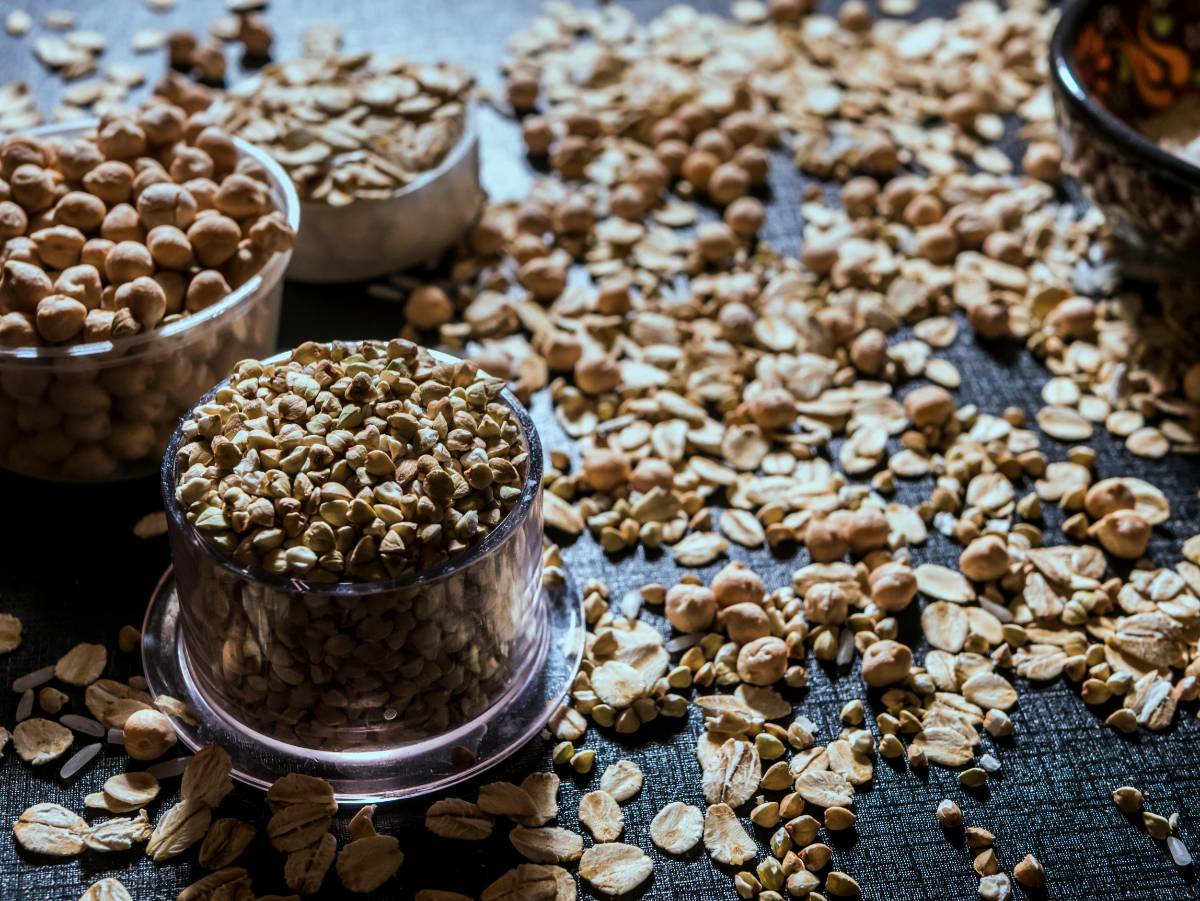
Whole Grains vs. Refined Grains: What’s the Difference?
Grains are a fundamental part of many diets around the world, providing a significant source of energy and essential nutrients. However, not all grains are created equal. Whole grains and refined grains differ significantly in their nutritional value and health benefits. Understanding these differences can help you make more informed dietary choices. In this article, we will explore what whole grains and refined grains are, their differences, and the impact they have on your health.
5 min read | 02 Feb 2025
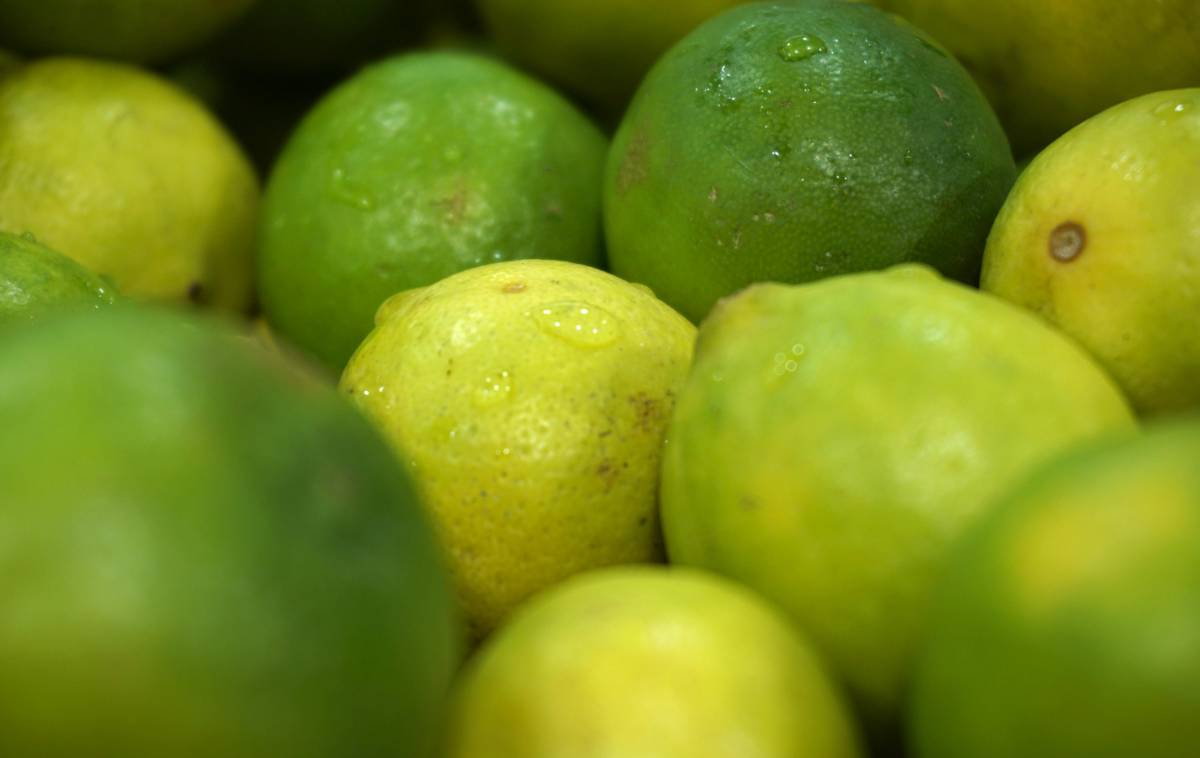
Incorporating More Fruits and Vegetables into Your Diet
Eating more fruits and vegetables is essential for maintaining a healthy diet and overall well-being. They are packed with essential nutrients, vitamins, minerals, and fiber that support various bodily functions and can help prevent chronic diseases. This article will provide you with practical tips and strategies to increase your fruit and vegetable intake and make them a more prominent part of your diet.
5 min read | 01 Feb 2025
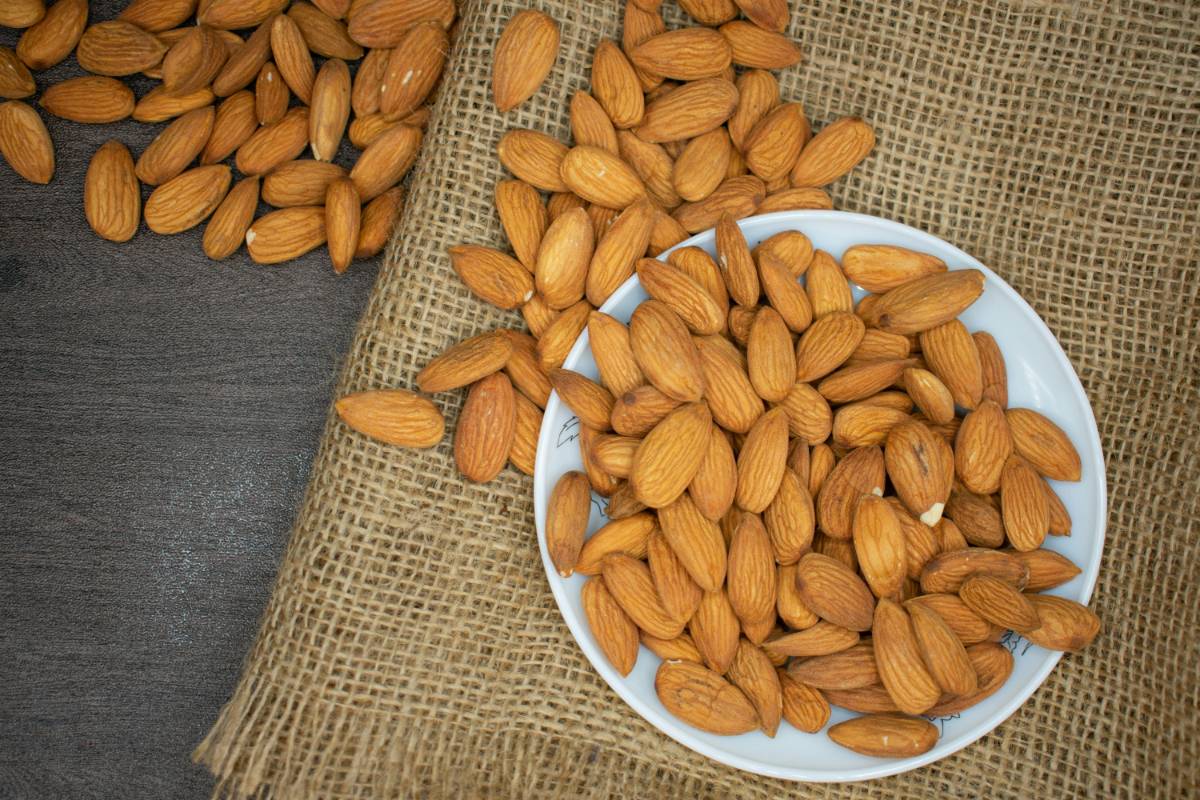
What Are Whole Foods and Why Are They Important?
Whole foods are foods that are minimally processed and free from artificial additives, preservatives, and refined ingredients. They are typically close to their natural state, which means they retain most of their nutrients and beneficial properties. In this article, we will explore what whole foods are, their importance in a balanced diet, and how incorporating them into your meals can benefit your overall health.
4 min read | 31 Jan 2025
The Impact of Portion Control on Digestive Health
Portion control is a fundamental aspect of a healthy diet and plays a crucial role in maintaining digestive health. Managing portion sizes not only helps regulate calorie intake but also impacts how efficiently your digestive system processes food. This article explores the relationship between portion control and digestive health, highlighting the benefits of mindful eating and providing tips for optimizing digestion through effective portion management.

3 min read | 30 Jan 2025
Tips for Dining Out and Controlling Portions
Dining out can be a delightful experience, but it often presents challenges when it comes to managing portion sizes and making healthy choices. Restaurant portions are typically larger than standard serving sizes, and tempting menu options can make it difficult to stick to your dietary goals. By employing some strategic tips, you can enjoy dining out while effectively controlling your portions and maintaining a balanced diet. This article provides practical advice for managing portion sizes and making healthier choices when eating at restaurants.
RECENT POSTS
1
Understanding Portion Control: Tips for Eating in Moderation
4 min read | 16 Mar 20252
How to Incorporate More Fruits and Vegetables into Your Meals
4 min read | 15 Mar 20253
The Role of Hydration in a Healthy Diet
2 min read | 14 Mar 20254
Healthy Eating on a Budget: Tips and Tricks
4 min read | 13 Mar 20255
How to Transition to a Plant-Based Diet
3 min read | 12 Mar 20256
The Importance of Fiber in Your Diet
3 min read | 11 Mar 2025MORE POSTS

Avocados, Nuts, and Seeds: Your Sources of Healthy Fats
4 min read | 28 Feb 2025
How to Choose Healthy Cooking Oils
3 min read | 27 Feb 2025
The Benefits of Omega-3 Fatty Acids
2 min read | 26 Feb 2025
Understanding Healthy Fats: Monounsaturated and Polyunsaturated
4 min read | 25 Feb 2025
Tips for Incorporating More Fiber into Every Meal
2 min read | 24 Feb 2025