The Role of Portion Sizes in a Balanced Diet

 By Christin Hume |
 2 min read
|22 Jan 2025Portion sizes play a crucial role in maintaining a balanced diet and supporting overall health. Proper portion control helps manage calorie intake, ensure nutrient balance, and prevent overeating. This article explores the importance of portion sizes in a balanced diet and provides practical tips for managing portions to achieve your health and nutrition goals.

Understanding Portion Sizes
Portion sizes refer to the amount of food served or consumed at one time. Proper portion sizes help regulate calorie intake and ensure you receive adequate nutrients without overeating. Overeating, even healthy foods, can lead to weight gain and imbalances in your diet. Here’s how to understand and manage portion sizes effectively:
Visual Cues: Familiarize yourself with visual cues to estimate portion sizes. For example, a serving of protein should be about the size of a deck of cards, while a serving of vegetables can be roughly the size of your fist.
Standard Serving Sizes: Use standard serving sizes as a guide. For instance, one serving of grains is typically one cup of cooked rice or pasta, while one serving of fruit is one medium-sized piece or half a cup of chopped fruit.

Balancing Macronutrients: Ensure your portions are balanced between carbohydrates, proteins, and fats. For example, a balanced plate might include a quarter of the plate with lean protein, a quarter with whole grains, and half with vegetables.
Portion Sizes and Health Goals
Portion sizes can impact various health goals, including weight management, blood sugar control, and overall nutrient intake. Consider the following aspects:

Weight Management: Proper portion control helps manage calorie intake and supports weight management. Eating appropriate portions of each food group helps prevent excessive calorie consumption and supports a healthy weight.
Blood Sugar Control: Managing portion sizes of carbohydrate-rich foods can help regulate blood sugar levels. For individuals with diabetes or insulin resistance, balancing portion sizes of carbohydrates with proteins and healthy fats can aid in maintaining stable blood sugar levels.

Nutrient Balance: Adequate portion sizes of different food groups ensure you receive a balanced intake of essential nutrients. Overeating certain foods or under-eating others can lead to nutrient imbalances and affect overall health.
Practical Tips for Managing Portion Sizes
Implementing portion control can be simple with a few practical tips:

Use Smaller Plates: Eating from smaller plates can help reduce portion sizes and prevent overeating. It also creates a visual cue that you are consuming a full plate of food, which can aid in satiety.
Read Food Labels: Check food labels for serving sizes and nutritional information. This helps you understand how much of a particular food constitutes a serving and aids in making informed choices.

Practice Mindful Eating: Pay attention to hunger and fullness cues. Eating slowly and savoring each bite can help you recognize when you are satisfied and prevent overeating.
Pre-portion Meals and Snacks: Prepare and portion meals and snacks in advance to avoid overeating. Use containers or pre-measured servings to help control portion sizes and manage calorie intake.
Balance Your Plate: Aim to fill half of your plate with vegetables, a quarter with lean proteins, and a quarter with whole grains. This balanced approach ensures a diverse range of nutrients and helps manage portion sizes effectively.
Conclusion
Portion sizes are a key component of a balanced diet and play a significant role in managing calorie intake, ensuring nutrient balance, and supporting overall health. By understanding and controlling portion sizes, you can achieve your health and nutrition goals more effectively. Implementing practical tips for portion control can help you maintain a balanced diet and promote long-term well-being.

Trending Around the Web
About the Author
Christin Hume
Christin Hume is a passionate health and wellness advocate, with a deep understanding of the challenges modern parents face. With a focus on holistic well-being, Christin Hume aims to empower mothers and families with practical tips, science-backed advice, and inspiring stories to promote a healthy lifestyle. Whether it's nutrition, fitness, mental health, or parenting, Christin Hume is committed to making health and wellness approachable and accessible for every SuperMoomy reader.
MORE ARTICLES

3 min read | 24 Feb 2025
How to Keep Your Skin Hydrated All Day
Maintaining skin hydration throughout the day is crucial for a healthy, radiant complexion. Proper hydration helps to keep the skin plump, smooth, and resilient. To achieve long-lasting hydration, consider integrating the following strategies into your daily routine. This article provides practical tips to help you keep your skin hydrated from morning until night.

3 min read | 23 Feb 2025
Tips for Managing Eczema on the Body
Eczema, also known as atopic dermatitis, is a chronic skin condition characterized by inflammation, redness, and itching. It can occur on various parts of the body, including the arms, legs, and torso. Managing eczema effectively involves a combination of skincare practices, lifestyle adjustments, and treatments. This article provides practical tips for managing eczema on the body to help reduce flare-ups and maintain healthy skin.

3 min read | 22 Feb 2025
How to Create a Relaxing Bath Routine
A relaxing bath can be a perfect way to unwind and de-stress after a long day. Creating a calming bath routine involves more than just filling the tub with water; it requires attention to detail and thoughtful choices to enhance your overall experience. This article provides tips and ideas on how to create a relaxing bath routine that promotes relaxation and rejuvenation.

4 min read | 21 Feb 2025
The Role of Essential Oils in Body Care
Essential oils have been used for centuries for their therapeutic properties and aromatic benefits. In body care, essential oils play a significant role in enhancing the effectiveness of skincare routines and promoting overall well-being. This article explores the various ways essential oils can be incorporated into body care, their benefits, and tips for safe use.

4 min read | 20 Feb 2025
Best Ingredients for Soothing Dry Skin
Dry skin can be uncomfortable and irritating, leading to flakiness, tightness, and redness. Finding the right ingredients to soothe and hydrate dry skin is essential for maintaining a healthy, balanced complexion. This article highlights the best ingredients for alleviating dry skin and provides tips on how to incorporate them into your skincare routine.

3 min read | 19 Feb 2025
How to Prevent and Treat Body Acne
Body acne, or acne on areas like the back, shoulders, and chest, can be just as frustrating as facial acne. It occurs when hair follicles become clogged with excess oil, dead skin cells, and bacteria. Preventing and treating body acne involves a combination of good skincare practices, lifestyle changes, and targeted treatments. This article provides practical advice on how to prevent and manage body acne effectively.
RECENT POSTS
1
Incorporating More Fruits and Vegetables into Your Diet
5 min read | 02 Feb 20252
What Are Whole Foods and Why Are They Important?
5 min read | 01 Feb 20253
The Impact of Portion Control on Digestive Health
4 min read | 31 Jan 20254
Tips for Dining Out and Controlling Portions
3 min read | 30 Jan 20255
Understanding Serving Sizes vs. Portion Sizes
2 min read | 29 Jan 20256
The Psychology of Portion Sizes
4 min read | 28 Jan 2025MORE POSTS

How to Care for Sensitive Teeth
2 min read | 15 Feb 2025
The Role of Fluoride in Toothpaste
2 min read | 14 Feb 2025
Tips for Fresh Breath Throughout the Day
4 min read | 13 Feb 2025
How to Prevent Gum Disease
5 min read | 12 Feb 2025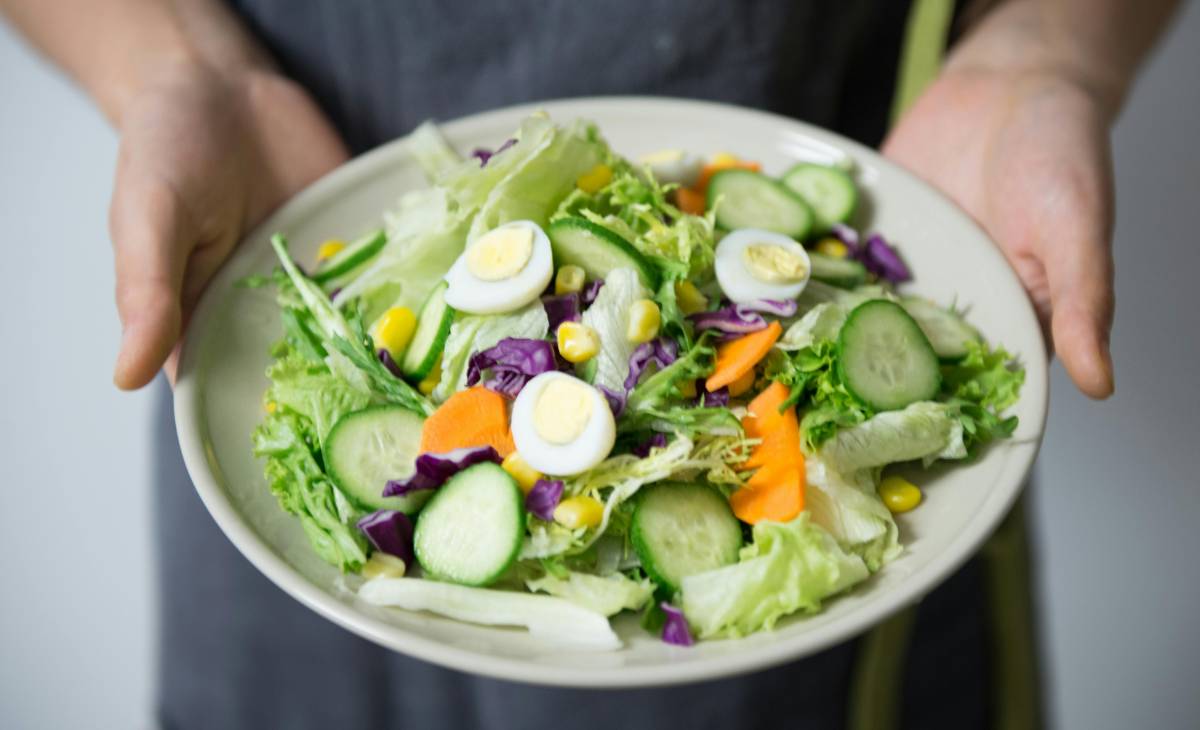
The Impact of Diet on Oral Health
5 min read | 11 Feb 2025