How Much Water Should You Drink Daily?
 By Wilson Baker |
 4 min read
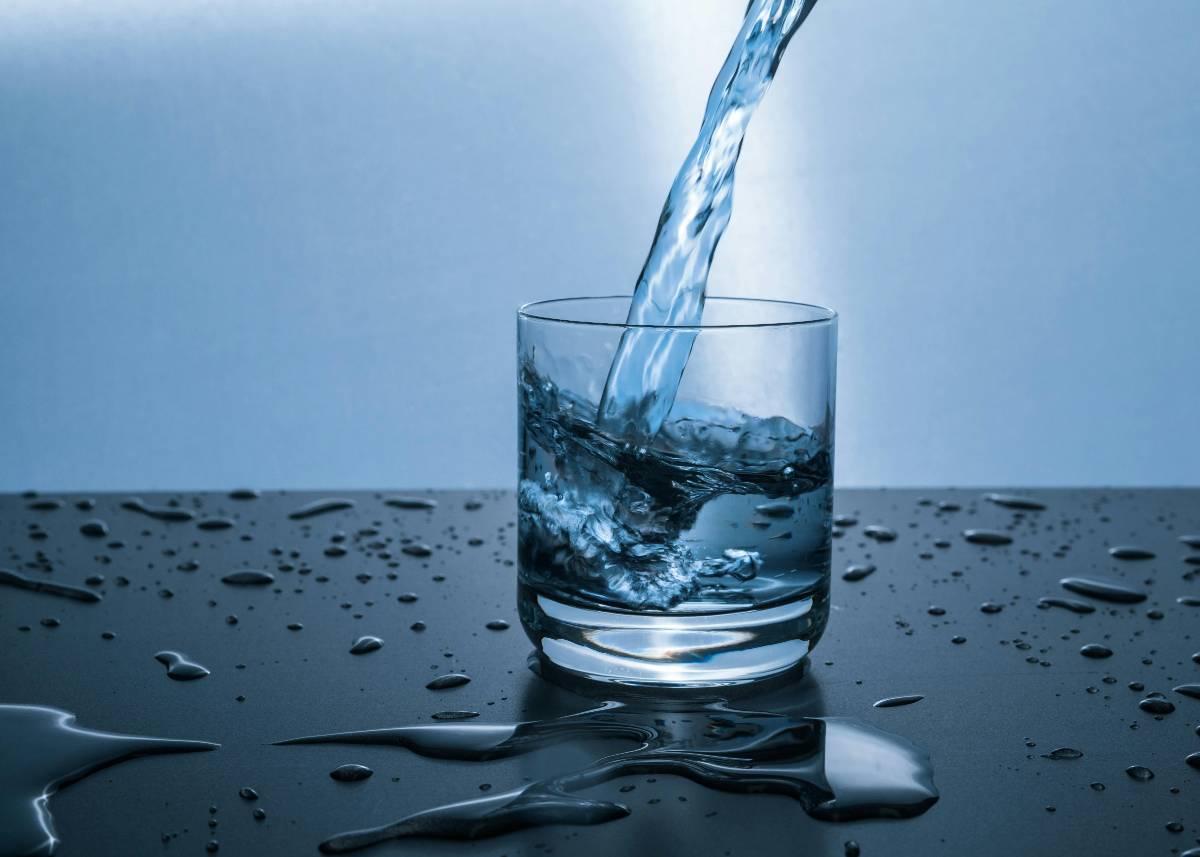
|10 Feb 2025Determining how much water you should drink daily is a common question and essential for maintaining good health. Hydration needs can vary based on several factors, including age, gender, activity level, and overall health. In this article, we'll explore general guidelines for daily water intake, factors that influence hydration needs, and practical tips for ensuring you stay properly hydrated.

General Guidelines for Water Intake
The commonly recommended amount of water intake is around eight 8-ounce glasses per day, known as the “8x8 rule.” This guideline suggests consuming about 2 liters, or half a gallon, of water daily. However, individual needs can differ significantly based on various factors, and it's essential to consider personalized hydration requirements.
Factors Influencing Hydration Needs
Activity Level: Individuals who engage in regular physical activity or exercise require more water to compensate for fluid loss through sweating. It’s recommended to drink additional water before, during, and after exercise to stay hydrated and support performance.

Climate and Environment: Hot or humid weather increases fluid loss through sweat, leading to higher hydration needs. In cold or dry environments, where dehydration can occur without noticeable sweat, it's still important to drink enough water to maintain hydration.
Body Size and Composition: Larger individuals or those with higher muscle mass may have increased hydration needs compared to smaller individuals. Body composition can affect fluid requirements, and staying hydrated supports overall bodily functions.
Health Conditions: Certain health conditions, such as kidney disease, diabetes, or gastrointestinal issues, can impact hydration needs. Individuals with these conditions should consult healthcare professionals to determine appropriate fluid intake.

Age and Gender: Age and gender can also influence water needs. For example, pregnant or breastfeeding women may require additional fluids to support their health and the health of their baby. Older adults may experience reduced thirst sensations and need to be more mindful of their fluid intake.
Practical Tips for Staying Hydrated

Drink Water Consistently: Aim to drink water throughout the day rather than consuming large amounts at once. Regular intake helps maintain consistent hydration levels and supports various bodily functions.
Monitor Your Body: Pay attention to signs of dehydration, such as dark yellow urine, dry mouth, or dizziness. Adjust your water intake based on these signals to ensure adequate hydration.
Incorporate Hydrating Foods: Many fruits and vegetables have high water content and can contribute to your daily fluid intake. Include options like watermelon, cucumbers, and oranges in your diet for additional hydration.

Set Reminders: If you struggle to remember to drink water, set reminders or use hydration-tracking apps to help you stay on track. Establishing a routine can make it easier to meet your daily hydration goals.
Adjust for Specific Needs: Tailor your water intake based on activity level, climate, and health conditions. If you’re exercising intensely, in a hot climate, or have specific health needs, increase your fluid intake accordingly.

In Conclusion
Determining how much water you should drink daily involves considering general guidelines and adjusting based on individual factors. While the “8x8 rule” provides a useful baseline, personalized hydration needs can vary. By staying mindful of your body's signals, adjusting intake based on activity and environment, and incorporating hydrating foods, you can ensure optimal hydration and support overall health. Prioritizing adequate water consumption will contribute to better physical performance, mental clarity, and overall well-being.
Trending Around the Web
About the Author
Wilson Baker
Wilson Baker is a passionate health and wellness advocate, with a deep understanding of the challenges modern parents face. With a focus on holistic well-being, Wilson Baker aims to empower mothers and families with practical tips, science-backed advice, and inspiring stories to promote a healthy lifestyle. Whether it's nutrition, fitness, mental health, or parenting, Wilson Baker is committed to making health and wellness approachable and accessible for every SuperMoomy reader.
MORE ARTICLES

5 min read | 16 Jan 2025
Benefits of Using Sunscreen Daily
Sunscreen is often considered an essential part of any skincare routine, yet many people overlook its importance. Applying sunscreen daily goes beyond just protecting your skin from sunburns; it helps in preventing long-term damage and maintaining skin health. In this article, we'll explore the numerous benefits of using sunscreen every day and why it's crucial for your skin's overall well-being. Sunscreen is not just a summer product but an all-year-round necessity. Regardless of the season, your skin is exposed to UV rays, which can have harmful effects even on cloudy days.

3 min read | 16 Apr 2025
The Benefits of Strength Training for Weight Loss
Strength training, also known as resistance training, offers numerous benefits for weight loss and overall fitness. Incorporating strength training into your exercise routine can enhance your weight management efforts by boosting metabolism, preserving muscle mass, and improving body composition. Here’s a guide to understanding the benefits of strength training for weight loss and how to make it an effective part of your fitness plan.

3 min read | 15 Apr 2025
Tips for Maintaining Weight Loss After Reaching Your Goal
Achieving your weight loss goal is a significant accomplishment, but maintaining your new weight can be just as challenging. Once you’ve reached your target weight, it’s important to adopt strategies to ensure you keep the weight off and continue to live a healthy lifestyle. Here are some tips for maintaining weight loss after reaching your goal.

4 min read | 14 Apr 2025
How to Read Nutrition Labels to Support Your Weight Loss Goals
Reading nutrition labels is an essential skill for managing your weight and making informed dietary choices. Nutrition labels provide valuable information about the nutrient content of food products, helping you to select options that align with your weight loss goals. Here’s a guide on how to read nutrition labels effectively to support your weight management efforts.
4 min read | 13 Apr 2025
The Role of Protein in Weight Loss and How to Include It in Your Diet
Protein plays a significant role in weight loss and overall health. As a crucial macronutrient, protein supports various bodily functions, including muscle repair, hormone production, and immune system support. Understanding how protein contributes to weight loss and finding ways to include it in your diet can enhance your weight management efforts. Here’s a guide on the role of protein in weight loss and tips for incorporating it into your meals.

5 min read | 12 Apr 2025
Low-Carb Diets: Do They Really Work for Weight Loss?
Low-carb diets have gained popularity as a weight loss strategy, with many people finding success with various low-carb eating plans. These diets typically involve reducing the intake of carbohydrates, which can lead to changes in metabolism and appetite. But do low-carb diets really work for weight loss? Here’s an in-depth look at how low-carb diets function and their effectiveness for weight management.
RECENT POSTS
1
How to Increase Water Intake Throughout the Day
4 min read | 05 Mar 20252
The Impact of Caffeinated and Sugary Drinks on Hydration
6 min read | 04 Mar 20253
How to Use Infused Water for Better Hydration
6 min read | 03 Mar 20254
The Role of Electrolytes in Hydration
5 min read | 02 Mar 20255
Hydrating Foods to Include in Your Diet
4 min read | 01 Mar 20256
How to Identify and Combat Dehydration
5 min read | 28 Feb 2025MORE POSTS

The Health Benefits of Organic Foods
4 min read | 13 Apr 2025
Portion Control Tips to Avoid Overeating
3 min read | 12 Apr 2025
Vegan and Vegetarian Protein Sources for a Balanced Diet
4 min read | 11 Apr 2025
Healthy Eating for Weight Loss: What You Need to Know
4 min read | 10 Apr 2025
The Importance of Balanced Macronutrients in Your Diet
5 min read | 09 Apr 2025