How to Create a Balanced Diet Plan for Weight Loss

 By Prince Matthews |
 5 min read
|07 Apr 2025Creating a balanced diet plan for weight loss involves incorporating a variety of nutrient-dense foods while maintaining a caloric deficit. A well-rounded diet plan not only helps in shedding pounds but also ensures you receive essential nutrients for overall health. Here’s how to create a balanced diet plan that supports effective and sustainable weight loss.

Determine Your Caloric Needs
The first step in creating a balanced diet plan is to determine your daily caloric needs. This depends on factors such as your age, gender, weight, height, and activity level. Use an online calculator or consult with a nutritionist to estimate your caloric needs for weight maintenance, then create a calorie deficit by consuming fewer calories than you burn. Aim for a moderate deficit to ensure gradual and sustainable weight loss.
Incorporate a Variety of Food Groups
A balanced diet includes a mix of carbohydrates, proteins, and fats, along with vitamins and minerals from different food groups. Focus on incorporating the following into your meal plan:

Carbohydrates: Choose complex carbohydrates like whole grains, fruits, and vegetables. These provide sustained energy and are rich in fiber, which helps keep you full and supports healthy digestion.
Proteins: Include lean protein sources such as chicken, fish, tofu, beans, and legumes. Protein is essential for muscle maintenance, repair, and promoting satiety.
Fats: Opt for healthy fats found in avocados, nuts, seeds, and olive oil. Healthy fats support various bodily functions and help with satiety, but should be consumed in moderation due to their calorie density.

Plan Balanced Meals
Each meal should include a combination of protein, carbohydrates, and fats to maintain balance and support weight loss. A typical balanced meal might include grilled chicken (protein), quinoa (complex carbohydrate), and a side of steamed vegetables (fiber and micronutrients) drizzled with a small amount of olive oil (healthy fat). Aim for smaller, more frequent meals throughout the day to help manage hunger and stabilize blood sugar levels.

Include Healthy Snacks
Incorporate nutritious snacks to keep your metabolism active and prevent overeating during meals. Opt for snacks that combine protein and fiber, such as Greek yogurt with berries, a handful of nuts, or sliced vegetables with hummus. Healthy snacks can help curb cravings and maintain energy levels throughout the day.
Stay Hydrated

Drinking enough water is essential for weight loss and overall health. Water aids digestion, helps control appetite, and supports metabolism. Aim to drink at least 8 glasses of water daily and consider drinking a glass of water before meals to help control portion sizes and reduce calorie intake.
Monitor Portion Sizes

Controlling portion sizes is crucial for maintaining a caloric deficit and preventing overeating. Use smaller plates and bowls to help manage portions, and be mindful of serving sizes as recommended on food labels. Paying attention to portion sizes can help you enjoy your favorite foods while staying within your calorie goals.
Limit Processed and High-Sugar Foods
Minimize the intake of processed and sugary foods, as they can contribute to weight gain and provide little nutritional value. Focus on whole, unprocessed foods that are rich in nutrients and naturally low in added sugars. Read food labels to identify hidden sugars and avoid foods high in unhealthy fats and empty calories.
Track Your Progress
Keeping track of your food intake and progress can help you stay on track with your weight loss goals. Use a food diary or mobile app to log your meals, snacks, and beverages. Monitoring your progress can help identify patterns, make adjustments as needed, and stay motivated throughout your weight loss journey.

Adjust Your Plan as Needed
Your dietary needs and preferences may change over time, so it’s important to adjust your diet plan accordingly. Regularly review your progress and make modifications to ensure that your plan remains effective and aligned with your weight loss goals. Seek guidance from a nutritionist if needed to help make informed adjustments.
By following these guidelines, you can create a balanced diet plan that supports weight loss while providing essential nutrients for overall health. Focus on variety, portion control, and healthy choices to achieve sustainable weight loss and maintain a balanced, nutritious diet.
Trending Around the Web
About the Author
Prince Matthews
Prince Matthews is a passionate health and wellness advocate, with a deep understanding of the challenges modern parents face. With a focus on holistic well-being, Prince Matthews aims to empower mothers and families with practical tips, science-backed advice, and inspiring stories to promote a healthy lifestyle. Whether it's nutrition, fitness, mental health, or parenting, Prince Matthews is committed to making health and wellness approachable and accessible for every SuperMoomy reader.
MORE ARTICLES

8 min read | 27 Mar 2025
The Benefits of Using a Fitness Tracker
Fitness trackers have become increasingly popular tools for those looking to monitor and improve their physical activity and overall health. These devices offer a range of benefits that can help users stay motivated, track their progress, and make informed decisions about their health and fitness routines.

7 min read | 26 Mar 2025
How to Adapt Weight Loss Strategies for Aging Bodies
As we age, our bodies undergo various changes that can affect our weight and metabolism. Adapting weight loss strategies to accommodate these changes is essential for achieving and maintaining a healthy weight in later years. Understanding how aging impacts weight management can help in developing effective and sustainable weight loss plans.

6 min read | 25 Mar 2025
Guidelines for Weight Management with Heart Conditions
Managing weight with heart conditions is crucial for improving cardiovascular health and reducing the risk of complications. Individuals with heart conditions must approach weight management with specific guidelines to ensure that their efforts support their overall heart health. Understanding the intersection of weight management and heart conditions can help in creating a balanced approach that prioritizes both weight control and heart health.

6 min read | 24 Mar 2025
The Impact of Metabolic Syndrome on Weight Loss Efforts
Metabolic syndrome is a cluster of conditions that increase the risk of heart disease, stroke, and diabetes. It is characterized by abdominal obesity, high blood pressure, high blood sugar levels, and abnormal cholesterol levels. The presence of metabolic syndrome can significantly impact weight loss efforts and pose unique challenges for individuals trying to manage their weight. Understanding the interplay between metabolic syndrome and weight loss is crucial for developing effective strategies for achieving and maintaining a healthy weight.

5 min read | 23 Mar 2025
Managing Weight Post-Surgery or Medical Treatment
Managing weight after surgery or medical treatment requires a careful and informed approach. The impact of surgery or medical interventions on your body can influence your weight, and addressing this requires a balanced strategy tailored to your specific situation. Here are some key considerations and tips for managing weight post-surgery or medical treatment.

6 min read | 22 Mar 2025
How to Approach Weight Loss with a History of Eating Disorders
Approaching weight loss with a history of eating disorders requires a delicate and mindful strategy. The key is to prioritize mental health and well-being while working towards weight management goals. Here are some strategies to consider when navigating this complex journey.
RECENT POSTS
1
The Importance of Using Heat Protectant on Your Hair
4 min read | 30 Jan 20252
Tips for Preventing Hair Loss Naturally
3 min read | 29 Jan 20253
The Benefits of Using a Hair Mask Weekly
2 min read | 28 Jan 20254
How to Choose the Right Shampoo for Your Hair Type
5 min read | 27 Jan 20255
The Role of Serums in Skincare
2 min read | 26 Jan 20256
How to Exfoliate Your Skin Safely
2 min read | 25 Jan 2025MORE POSTS
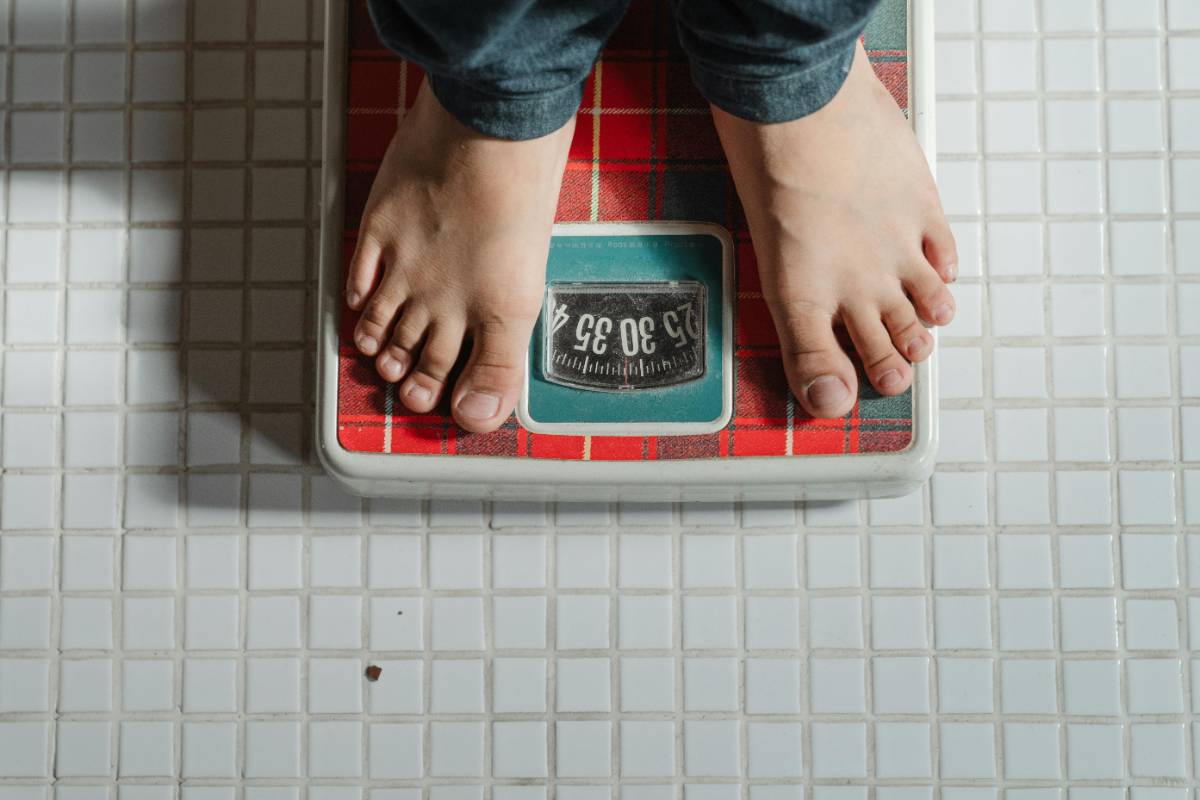
The Importance of Regular Weigh-Ins
6 min read | 02 Apr 2025
How to Interpret Data from Fitness Trackers
6 min read | 01 Apr 2025Setting Up and Using Weight Loss Goals and Milestones
7 min read | 31 Mar 2025
The Role of Mobile Apps in Weight Loss
8 min read | 30 Mar 2025
Tracking Progress: Beyond the Scale
7 min read | 29 Mar 2025